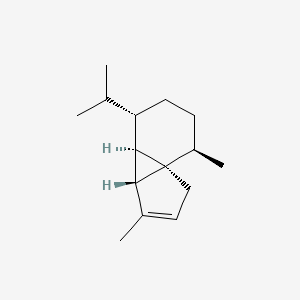
| The Content Variation of Natural Product Induced by Different Factor(s) | |||||||||||||||||||||||||||||||||||||||||||||||||||||||||||||||||||||||||||||||||||||||||
|---|---|---|---|---|---|---|---|---|---|---|---|---|---|---|---|---|---|---|---|---|---|---|---|---|---|---|---|---|---|---|---|---|---|---|---|---|---|---|---|---|---|---|---|---|---|---|---|---|---|---|---|---|---|---|---|---|---|---|---|---|---|---|---|---|---|---|---|---|---|---|---|---|---|---|---|---|---|---|---|---|---|---|---|---|---|---|---|---|---|
| Species Name: Acacia nuperrima ssp. Cassitera | |||||||||||||||||||||||||||||||||||||||||||||||||||||||||||||||||||||||||||||||||||||||||
| Factor Name: Chemotype Comparison | [1] | ||||||||||||||||||||||||||||||||||||||||||||||||||||||||||||||||||||||||||||||||||||||||
| Experiment Detail |
The leaves and terminal branchlets were collected in the Dimbulah region of north eastern Queensland, Australia. The first collection (R99-218) was located 5 km north and the second collection (R99-219) 30 km west of Dimbulah.
Click to Show/Hide
|
||||||||||||||||||||||||||||||||||||||||||||||||||||||||||||||||||||||||||||||||||||||||
| Factor Function |
Two chemical forms yielding 0.6% and 0.3% on a dry weight basis were found to be rich in kessane (88.8%) and alpha-pinene (16.2%), respectively.
Click to Show/Hide
|
||||||||||||||||||||||||||||||||||||||||||||||||||||||||||||||||||||||||||||||||||||||||
| Factor | Part | Location | NP Content | ||||||||||||||||||||||||||||||||||||||||||||||||||||||||||||||||||||||||||||||||||||||
|
Chemotype (Lappa type)
|
Leaves and terminal branches | Dimbulah, Queensland, Australia |
NP Content: 1.8 %
|
||||||||||||||||||||||||||||||||||||||||||||||||||||||||||||||||||||||||||||||||||||||
| Species Name: Ichthyothere terminalis | |||||||||||||||||||||||||||||||||||||||||||||||||||||||||||||||||||||||||||||||||||||||||
| Factor Name: Locality Variation | [2] | ||||||||||||||||||||||||||||||||||||||||||||||||||||||||||||||||||||||||||||||||||||||||
| Experiment Detail |
The leaves and stems of Ichthyothere terminalis were collected at Marapanim, PA (sample A) and Manaus, AM (sample B).
Click to Show/Hide
|
||||||||||||||||||||||||||||||||||||||||||||||||||||||||||||||||||||||||||||||||||||||||
| Factor Function |
The chief constituent found in the leaf oil of sample of, I. terminalis collected at Marapanim (PA) was sabinene (18.0%). The leaf oil of I. terminalis collected at Manaus (AM) was dominated by alpha-pinene (19-8%), sabinene (14.8%) and limonene (35.8%), while the main components identified in the stem oil were alpha-pinene (13.9%) and limonene (20.0%).
Click to Show/Hide
|
||||||||||||||||||||||||||||||||||||||||||||||||||||||||||||||||||||||||||||||||||||||||
| Factor | Part | Location | NP Content | ||||||||||||||||||||||||||||||||||||||||||||||||||||||||||||||||||||||||||||||||||||||
|
Leaves: Marapanim, Brazil
|
Leaves | Brazil |
NP Content: 0.5 %
|
||||||||||||||||||||||||||||||||||||||||||||||||||||||||||||||||||||||||||||||||||||||
| Species Name: Maclura pomifera | |||||||||||||||||||||||||||||||||||||||||||||||||||||||||||||||||||||||||||||||||||||||||
| Factor Name: Developmental Stage Variation | [3] | ||||||||||||||||||||||||||||||||||||||||||||||||||||||||||||||||||||||||||||||||||||||||
| Experiment Detail |
Unripe fruits of M. pomifera were collected on the tree from a hedge in August 1999 located on state-owned land in Boone County, IA. Ripe fruits were collected from the ground at the same hedge in October 1999.
Click to Show/Hide
|
||||||||||||||||||||||||||||||||||||||||||||||||||||||||||||||||||||||||||||||||||||||||
| Factor Function |
The most notable difference between the unripe and ripe fruits was the increase in hexyl hexanoate in the ripe fruit. Gamma-Cadinene and alpha-cubebene were the most abundant sesquiterpenoids.
Click to Show/Hide
|
||||||||||||||||||||||||||||||||||||||||||||||||||||||||||||||||||||||||||||||||||||||||
| Factor | Part | Location | NP Content | ||||||||||||||||||||||||||||||||||||||||||||||||||||||||||||||||||||||||||||||||||||||
|
Fruit: unripe (Intact)
|
Fruits | Boone county, USA |
NP Content: 7.7 %
|
||||||||||||||||||||||||||||||||||||||||||||||||||||||||||||||||||||||||||||||||||||||
|
Fruit: unripe (cut)
|
Fruits | Boone county, USA |
NP Content: 11 %
|
||||||||||||||||||||||||||||||||||||||||||||||||||||||||||||||||||||||||||||||||||||||
|
Fruit: ripe
|
Fruits | Boone county, USA |
NP Content: 5 %
|
||||||||||||||||||||||||||||||||||||||||||||||||||||||||||||||||||||||||||||||||||||||
| Species Name: Melaleuca ericifolia | |||||||||||||||||||||||||||||||||||||||||||||||||||||||||||||||||||||||||||||||||||||||||
| Factor Name: Locality Variation | [4] | ||||||||||||||||||||||||||||||||||||||||||||||||||||||||||||||||||||||||||||||||||||||||
| Experiment Detail |
Samples of M. ericifolia leaves were obtained from 19 locations as follows: DL3104- 3110, Coopernook, New South Wales (NSW), 31° 49′ 31″ S, 152° 36′ 48″ E (Site No. 1); DL3114-3120, Hawks Nest, NSW, 32° 40′ 09″ S, 152° 10′ 12″ E (Site No. 2); DL3240-3244, Hexham, NSW, 32° 48′ 50″ S, 151° 42′ E (Site No. 3); DL3245-3249, The Entrance, NSW, 32° 22′ 24″ S, 151° 28′ 19″ E (Site No. 4); DL3397-3401, Tuggerah Lake, NSW, 33° 21′ S, 151° 27′ E (Site No. 5); DL3250-3254, Georges River, NSW, 33° 58′ 42″ S, 151° 00′ 14″ E (Site No. 6); DL3255-3259, Berry, NSW, 34° 46′ 37″ S, 150° 45′ 27″ E (Site No. 7); DL3260-3264, Lake Durras, NSW, 35° 36′ 00″ S, 150° 16′ 17″ E (Site No. 8); DL3265- 3269, Wallaga Lake, NSW, 36° 23′ 43″ S, 150° 03′ 04″ E (Site No. 9); DL3270-3274, Wallagoot, NSW, 36° 44′ 50″ S, 149° 55′ 46″ E (Site No. 10); DL3275-3279, Genoa, Victoria (Vic), 37° 25′ 56″ S, 149° 38′ 41″ E (Site No. 11); BVG3024- 3028, West of Lakes Entrance, Vic, 37° 48′ S, 148° 03′E (Site No. 12); BVG3014-3018, West of Lang Lang, Vic, 38° 13′ S, 145° 30′ 13″ E (Site No. 13); BVG3019-3023, East of Welshpool, Vic, 38° 38′ 28″ S, 146° 30′53″ E (Site No. 14); ACC1019/1-2, 5-7, Nelson on the Glenelg River, Vic, 38° 03′ S, 141° 00′ E (Site No. 15); KJ1-5, Airport Flinders Island, Tasmania (Tas), 40° 05′ S, 148° 00′ E (Site No. 16); KJ6-10, Lackrana Road Flinders Island, Tas, 40° 18′ S, 148° 06′ E (Site No. 17); ACR1848/1-3, Woolnorth Point, Tas, 40° 38′ 30″ S, 144° 43′ 30″ E (Site No. 18); JB4509, Robins Island Track, Tas, 40° 45′ S, 144°53′E (Site No. 19). The majority of samples were collected during June to December 1999 with the exceptions being sites 5, 15 and 18, which were collected during July to October 2000. Leaf material totaling about 100 g of fresh leaves and twigs was obtained mainly from five widely spaced individual trees per location.
Click to Show/Hide
|
||||||||||||||||||||||||||||||||||||||||||||||||||||||||||||||||||||||||||||||||||||||||
| Factor Function |
Oil composition varied quantitatively throughout the species range rather than qualitatively in an apparent association with latitude of occurrence. Linalool and linalool oxide were abundant in the oils from the north of the species range in New South Wales with a gradual southerly decline in these compounds to central Victoria with concomitant increase in the proportions of 1,8-cineole, alpha-terpineol and limonene. The most southerly populations sampled in southern Victoria and Tasmania gave oils containing relatively high proportions of 1,8-cineole (mean 34.5%) and low proportions of linalool (3%). Four populations from the Central Coast of NSW (Coopernook, Hawks Nest, The Entrance and Tuggerah Lake) provided the greatest opportunity of identifying seed trees that combine the attributes required for plantation development. The tree that had the best combination of oil traits (DL 3116 from Hawks Nest) had an oil yield of 4.5%, a linalool content of 60% and a 1,8-cineole content of 16%.
Click to Show/Hide
|
||||||||||||||||||||||||||||||||||||||||||||||||||||||||||||||||||||||||||||||||||||||||
| Factor | Part | Location | NP Content | ||||||||||||||||||||||||||||||||||||||||||||||||||||||||||||||||||||||||||||||||||||||
|
Locality: northern Australia
|
Leaves | Australia |
NP Content: 0.9 %
|
||||||||||||||||||||||||||||||||||||||||||||||||||||||||||||||||||||||||||||||||||||||
| Species Name: Melampodium camphoratum | |||||||||||||||||||||||||||||||||||||||||||||||||||||||||||||||||||||||||||||||||||||||||
| Factor Name: Locality Variation | [5] | ||||||||||||||||||||||||||||||||||||||||||||||||||||||||||||||||||||||||||||||||||||||||
| Experiment Detail |
The aerial parts of M. camphoratum were collected at Manaus, Amazonas (type A) and Vigia, Para, (type B).
Click to Show/Hide
|
||||||||||||||||||||||||||||||||||||||||||||||||||||||||||||||||||||||||||||||||||||||||
| Factor Function |
The plants were collected from two different localities in the Amazon Region and their oils were found to be remarkably different. One oil obtained from the sample collected at Manaus was characterized by a high content of terpinolene (30.3%), limonene (13.8%) and delta-3-carene (13.2%). The main constituents found in the other oil distilled from a sample collected at Vigia were camphor (15.0%), alpha-phellandrene (20.5%) and beta-caryophyllene (8.9%)
Click to Show/Hide
|
||||||||||||||||||||||||||||||||||||||||||||||||||||||||||||||||||||||||||||||||||||||||
| Factor | Part | Location | NP Content | ||||||||||||||||||||||||||||||||||||||||||||||||||||||||||||||||||||||||||||||||||||||
|
Locality: Vigia, Para, Brazil
|
Aerial parts | Brazil |
NP Content: 0.2 %
|
||||||||||||||||||||||||||||||||||||||||||||||||||||||||||||||||||||||||||||||||||||||
| Species Name: Nigella sativa | |||||||||||||||||||||||||||||||||||||||||||||||||||||||||||||||||||||||||||||||||||||||||
| Factor Name: Water Stress Treatment | [6] | ||||||||||||||||||||||||||||||||||||||||||||||||||||||||||||||||||||||||||||||||||||||||
| Experiment Detail |
The seeds of N. sativa were collected in summer 1996 from Ghazvin. Seeds cultivated at the research station of Karaje, and field work was designed according to a split plot design where plants were exposed to water stress by withholding regular irrigations over 4(T1), 8(T2), 12(T3) and 16(T4) day period and 760 m3 ha-1. Water was only received by the plants during time of irrigation. After ripening of fruit, seeds were collected and their oils were isolated
Click to Show/Hide
|
||||||||||||||||||||||||||||||||||||||||||||||||||||||||||||||||||||||||||||||||||||||||
| Factor Function |
Water stress was effective on content of essential oil. Thymoquinone that is one important medical compound in this plant, was 57.78% in irrigation over 12 days.
Click to Show/Hide
|
||||||||||||||||||||||||||||||||||||||||||||||||||||||||||||||||||||||||||||||||||||||||
| Factor | Part | Location | NP Content | ||||||||||||||||||||||||||||||||||||||||||||||||||||||||||||||||||||||||||||||||||||||
|
Irrigation over 4 days
|
Seeds | Hyderabad, India |
NP Content: 0.4 %
|
||||||||||||||||||||||||||||||||||||||||||||||||||||||||||||||||||||||||||||||||||||||
|
Irrigation over 10 days
|
Seeds | Hyderabad, India |
NP Content: 1 %
|
||||||||||||||||||||||||||||||||||||||||||||||||||||||||||||||||||||||||||||||||||||||
|
Irrigation over 12 days
|
Seeds | Hyderabad, India |
NP Content: 3 %
|
||||||||||||||||||||||||||||||||||||||||||||||||||||||||||||||||||||||||||||||||||||||
|
Irrigation over 16 days
|
Seeds | Hyderabad, India |
NP Content: 2.8 %
|
||||||||||||||||||||||||||||||||||||||||||||||||||||||||||||||||||||||||||||||||||||||
| Species Name: Ocimum basilicum L | |||||||||||||||||||||||||||||||||||||||||||||||||||||||||||||||||||||||||||||||||||||||||
| Factor Name: Chemotype Comparison | [7] | ||||||||||||||||||||||||||||||||||||||||||||||||||||||||||||||||||||||||||||||||||||||||
| Experiment Detail |
The study was conducted in North-Central Anatolia under semi arid conditions. Seeds of 18 basil landraces (O. basilicum L.) were collected from local farms and home gardens in Turkey. To examine essential oil composition of the basil landraces without environmental influences, the plants were grown under identical (same environmental and soil conditions) conditions. Seeds were sown on a medium (1:1:1 washed sand, horse manure and field soil) in greenhouse conditions on March 25, 2003. Seedlings were grown until the 3-5 leaf stage. The seedlings were transplanted into pilots in the Gaziosmanpasxa University Experimental Research Station on May 15, 2003. The plants were harvested at the full blooming stage and dried at 35 ℃ for essential oil isolation.
Click to Show/Hide
|
||||||||||||||||||||||||||||||||||||||||||||||||||||||||||||||||||||||||||||||||||||||||
| Factor Function |
Variation of essential oils in the landraces was subjected to cluster analysis, and seven different chemotypes were identified. They were (1) linalool, (2) methyl cinnamate, (3) methyl cinnamate/linalool, (4) methyl eugenol, (5) citral, (6) methyl chavicol (estragol), and (7) methyl chavicol/citral. Methyl chavicol with high citral contents (methyl chavicol/citral) can be considered as a 'new chemotype' in the Turkish basils.
Click to Show/Hide
|
||||||||||||||||||||||||||||||||||||||||||||||||||||||||||||||||||||||||||||||||||||||||
| Factor | Part | Location | NP Content | ||||||||||||||||||||||||||||||||||||||||||||||||||||||||||||||||||||||||||||||||||||||
|
Chemotype (linalool-rich type)
|
Leaves | Turkey |
NP Content: 0.1 %
|
||||||||||||||||||||||||||||||||||||||||||||||||||||||||||||||||||||||||||||||||||||||
|
Chemotype (methyl chavicol-rich type)
|
Leaves | Turkey |
NP Content: 0.8 %
|
||||||||||||||||||||||||||||||||||||||||||||||||||||||||||||||||||||||||||||||||||||||
| Species Name: Persea americana | |||||||||||||||||||||||||||||||||||||||||||||||||||||||||||||||||||||||||||||||||||||||||
| Factor Name: Variety Comparison; Locality Variation | [8] | ||||||||||||||||||||||||||||||||||||||||||||||||||||||||||||||||||||||||||||||||||||||||
| Experiment Detail |
Experimental: Two hundred grams of healthy mature intact leaves were harvested from each of the taxa growing on their own rootstocks at the UC South Coast Research and Extension Center. flocc = P. americana var. floccosa from Mexico D-7; stey = P. americana var. steyermarkii from Mexico El Salvador 3-22-16; nubi = P. americana var. nubigena from Guatemala 45-C-1; mex = P. americena var. drymfolia from Tasco, Mexico; guat = P. americana var. guatemalensis cult. Nimlioh from Florida; bwl = P. ameticana var. americana cult. Trapp from Florida.
Click to Show/Hide
|
||||||||||||||||||||||||||||||||||||||||||||||||||||||||||||||||||||||||||||||||||||||||
| Factor Function |
Analysis of oils showed the presence of over 90 components, of which 76 were identified. P. schiedeana oil was found to contain alpha-pinene (23.7%), beta-pinene (23.2%) and beta-caryophyllene as major components. The major constituents of P. americana var. floccosa and P. americana var. steyermarkii were alpha-pinene (10.9%, 7.6%), beta-pinene (20.6%, 10.4%), alpha-terpineol (9.6%, 7.9%), beta-caryophyllene (12.6%, 8.4%), viridiflorene (0.1%, 10.3%) and globulol (0.1%, 9.2%), respectively. The oils of P. americana var. nubigena and P. americana var. drymifolia contained alpha-terpineol (18.4%, 393%) and methylchavicol (12.4%, 40.2%), as major components, respectively. P. americana var. guatemalensis was found to be rich in beta-caryophyllene (38.3%), while the oils of P. americana var. americana and P. primatogena contained alpha-pinene (27.5%) and beta-pinene (40.9%), and alpha-pinene (24.6%), beta-caryophyllene (20.7%) and germacene D (10.1%).
Click to Show/Hide
|
||||||||||||||||||||||||||||||||||||||||||||||||||||||||||||||||||||||||||||||||||||||||
| Factor | Part | Location | NP Content | ||||||||||||||||||||||||||||||||||||||||||||||||||||||||||||||||||||||||||||||||||||||
|
Persea americana var. americana cv. Trapp (Locality: Florida)
|
Leaves | Florida, USA |
NP Content: 0.2 %
|
||||||||||||||||||||||||||||||||||||||||||||||||||||||||||||||||||||||||||||||||||||||
|
Persea americana var. drymfolia (Locality: Tasco)
|
Leaves | Tasco, Mexico |
NP Content: 0.1 %
|
||||||||||||||||||||||||||||||||||||||||||||||||||||||||||||||||||||||||||||||||||||||
|
Persea americana var. floccosa (Locality: Mexico)
|
Leaves | Mexico |
NP Content: 0.1 %
|
||||||||||||||||||||||||||||||||||||||||||||||||||||||||||||||||||||||||||||||||||||||
|
Persea americana var. guatemalensis cv. Nimlioh (Locality: Florida)
|
Leaves | Florida, USA |
NP Content: 0.6 %
|
||||||||||||||||||||||||||||||||||||||||||||||||||||||||||||||||||||||||||||||||||||||
|
Persea americana var. nubigena (Locality: Guatemala)
|
Leaves | Guatemala |
NP Content: 0.2 %
|
||||||||||||||||||||||||||||||||||||||||||||||||||||||||||||||||||||||||||||||||||||||
|
Persea americana var. steyermarkii (Locality: Mexico El Salvador)
|
Leaves | Mexico El Salvador |
NP Content: 0.3 %
|
||||||||||||||||||||||||||||||||||||||||||||||||||||||||||||||||||||||||||||||||||||||
| Species Name: Pilocarpus spicatus | |||||||||||||||||||||||||||||||||||||||||||||||||||||||||||||||||||||||||||||||||||||||||
| Factor Name: Locality Variation; Harvest Time Variation | [9] | ||||||||||||||||||||||||||||||||||||||||||||||||||||||||||||||||||||||||||||||||||||||||
| Experiment Detail |
Five different populations of P. spicatus were collected in different geographical regions of the northeast of Brazil. Populations I: (Locality: Morro do Chapeu,Bahia, harvesting: 02.19.94); Populations II: (Locality: Maranguape,Ceara, harvesting: 06.01.97); Populations III: (Locality: Jacobina,Bahia, harvesting: 02.19.94); Populations IV: (Locality: Cocalzinho,Ceara, harvesting: 02.22.94); Populations V: (Locality: Sitio dos Moreiras,Pernambuco, harvesting: 02.22.94)
Click to Show/Hide
|
||||||||||||||||||||||||||||||||||||||||||||||||||||||||||||||||||||||||||||||||||||||||
| Factor Function |
The aliphatic ketones 2-undecanone, 2-tridecanone and 2-pentadecanone were present in samples of all populations. 2-Tridecanone (1.7-84.7 %) was detected in 30 out of 34 samples analyzed. It was the main component in all samples of root barks, except one where 2-pentadecanone (24.7%) was the major component. 2-Undecanone, beta-eudesmol and sabinene were the major components of leaf oils.
Click to Show/Hide
|
||||||||||||||||||||||||||||||||||||||||||||||||||||||||||||||||||||||||||||||||||||||||
| Factor | Part | Location | NP Content | ||||||||||||||||||||||||||||||||||||||||||||||||||||||||||||||||||||||||||||||||||||||
|
Leaf: (Locality: Morro do Chapeu, Bahia, Northeast of Brazi) + (Harvesting time: 19-February-1994)
|
Leaves | Morro do Chapeu, Bahia, Northeast of Brazil |
NP Content: 0.9 %
|
||||||||||||||||||||||||||||||||||||||||||||||||||||||||||||||||||||||||||||||||||||||
|
Stem bark: (Locality: Maranguape, Ceara, Northeast of Brazi) + (Harvesting time: 01-June-1997)
|
Stem bark | Maranguape, Ceara, Northeast of Brazil |
NP Content: 0.7 %
|
||||||||||||||||||||||||||||||||||||||||||||||||||||||||||||||||||||||||||||||||||||||
| Species Name: Piper nigrum | |||||||||||||||||||||||||||||||||||||||||||||||||||||||||||||||||||||||||||||||||||||||||
| Factor Name: Cultivar Comparison; Harvest Time Variation | [10] | ||||||||||||||||||||||||||||||||||||||||||||||||||||||||||||||||||||||||||||||||||||||||
| Experiment Detail |
The cultivars selected for this study are Sreekara, Vellanamban and one Indonesian cultivar Kutching grown in Kerala. These cultivars are commonly cultivated in the northern parts of Kerala. The fresh berries of the authenticated cultivars were collected from Indian Institute of Spices Research, Calicut and were dried in a cross flow drier at 45 ℃ and taken for the analysis.
Click to Show/Hide
|
||||||||||||||||||||||||||||||||||||||||||||||||||||||||||||||||||||||||||||||||||||||||
| Factor Function |
The main components of vellanamban oil were sabinene (3.9-18.8%), beta-pinene (3.9-10.9%), limonene (8.3-19.8%) and beta-caryophyllene (28.4- 32.9%). Sreekara oil contained as major compounds beta-pinene (0-11.2%), limonene (20.1-22.1%) and beta-caryophyllene (16.8-23.1 %). Kutching oil contained alpha-pinene(2.3-5.4%), sabinene (6.7-13.3%), limonene (14.5-17.5%) and beta-caryophyllene (20.8-39.1%).
Click to Show/Hide
|
||||||||||||||||||||||||||||||||||||||||||||||||||||||||||||||||||||||||||||||||||||||||
| Factor | Part | Location | NP Content | ||||||||||||||||||||||||||||||||||||||||||||||||||||||||||||||||||||||||||||||||||||||
|
Piper nigrum cv. Kuching: (Harvesting time: 1990)
|
Berries | India |
NP Content: 1.6 %
|
||||||||||||||||||||||||||||||||||||||||||||||||||||||||||||||||||||||||||||||||||||||
|
Piper nigrum cv. Kuching: (Harvesting time: 1991)
|
Berries | India |
NP Content: 0.3 %
|
||||||||||||||||||||||||||||||||||||||||||||||||||||||||||||||||||||||||||||||||||||||
|
Piper nigrum cv. Sreekara: (Harvesting time: 1990)
|
Berries | India |
NP Content: 0.2 %
|
||||||||||||||||||||||||||||||||||||||||||||||||||||||||||||||||||||||||||||||||||||||
|
Piper nigrum cv. Sreekara: (Harvesting time: 1991)
|
Berries | India |
NP Content: <0.1 %
|
||||||||||||||||||||||||||||||||||||||||||||||||||||||||||||||||||||||||||||||||||||||
|
Piper nigrum cv. Sreekara: (Harvesting time: 1992)
|
Berries | India |
NP Content: <0.1 %
|
||||||||||||||||||||||||||||||||||||||||||||||||||||||||||||||||||||||||||||||||||||||
|
Piper nigrum cv. Vellanamban: (Harvesting time: 1990)
|
Berries | India |
NP Content: 0.1 %
|
||||||||||||||||||||||||||||||||||||||||||||||||||||||||||||||||||||||||||||||||||||||
|
Piper nigrum cv. Vellanamban: (Harvesting time: 1991)
|
Berries | India |
NP Content: 4.8 %
|
||||||||||||||||||||||||||||||||||||||||||||||||||||||||||||||||||||||||||||||||||||||
|
Piper nigrum cv. Vellanamban: (Harvesting time: 1992)
|
Berries | India |
NP Content: 6.1 %
|
||||||||||||||||||||||||||||||||||||||||||||||||||||||||||||||||||||||||||||||||||||||
| Species Name: Sideritis congesta | |||||||||||||||||||||||||||||||||||||||||||||||||||||||||||||||||||||||||||||||||||||||||
| Factor Name: Locality Variation | [11] | ||||||||||||||||||||||||||||||||||||||||||||||||||||||||||||||||||||||||||||||||||||||||
| Experiment Detail |
Plant materials were collected from the following localities. A: Antalya: Alanya, Sapadere, Beldibi-Baskoy in July 1991 (ESSE 9562). B: Icel: Anamur, Kas yaylasi in July 1991 (ESSE 9192).
Click to Show/Hide
|
||||||||||||||||||||||||||||||||||||||||||||||||||||||||||||||||||||||||||||||||||||||||
| Factor Function |
Thirty-nine components were characterized in each oil representing 85-90% of the total components detected with beta-pinene (34-35%) and alpha-pinene (24-25%) as major constituents.
Click to Show/Hide
|
||||||||||||||||||||||||||||||||||||||||||||||||||||||||||||||||||||||||||||||||||||||||
| Factor | Part | Location | NP Content | ||||||||||||||||||||||||||||||||||||||||||||||||||||||||||||||||||||||||||||||||||||||
|
Locality: Beldibi-Baskoy, Sapadere, Alanya, Antalya, Turkey
|
Inflorescence | Turkey |
NP Content: 0.6 %
|
||||||||||||||||||||||||||||||||||||||||||||||||||||||||||||||||||||||||||||||||||||||
|
Locality: Kas yaylasi, Anamur, Icel, Turkey
|
Inflorescence | Turkey |
NP Content: 0.6 %
|
||||||||||||||||||||||||||||||||||||||||||||||||||||||||||||||||||||||||||||||||||||||
| Species Name: Sideritis pusilla | |||||||||||||||||||||||||||||||||||||||||||||||||||||||||||||||||||||||||||||||||||||||||
| Factor Name: Variety Comparison; Locality Variation | [12] | ||||||||||||||||||||||||||||||||||||||||||||||||||||||||||||||||||||||||||||||||||||||||
| Experiment Detail |
The aerial parts (~35 cm) of each taxa growing wild in eight localities of Almeria province were collected in May 1996. All samples were collected at full flowering. Sideritis pusilla (Lange) Pau ssp. pusilla var. typica, Population/location (UTM): Los Matarines (30SWF7992); Sideritis pusilla ssp. pusilla var. carthaginensis Font Quer, Population/location (UTM): Rambla del Hacho (30SWF7178); Sideritis pusilla ssp. pusilla var. granatensis (Pau) Font Quer, Population/location (UTM): Gafarillos (30SWG8702); Sideritis pusilla ssp. almeriensis (Pau) Malagarriga var. typica, Population/location (UTM): Sierra de Gador, Cerro de los Lobos (30SWF3575); Sideritis pusilla ssp. almeriensis var. littoralis Font Quer, Population/location (UTM): Los Morales (30SWF6775); Sideritis pusilla ssp. almeriensis var. salina Font Quer, Population/location (UTM): Los Pedregales (30SWG7835); Sideritis pusilla ssp. flavovirens (Rouy) Malagarriga, Population/location (UTM): Velez Rubio, Cerro del Huezno (30SWG8965); Sideritis pusilla ssp. osteoxylla (Pau) Pallares, Population/location (UTM): Cabo de Gata, Cerro de S. Miguel (30SWF7165)
Click to Show/Hide
|
||||||||||||||||||||||||||||||||||||||||||||||||||||||||||||||||||||||||||||||||||||||||
| Factor Function |
Monoterpene hydrocarbons, alcohols, sesquiterpenes and diterpenes were the main constituents in all samples. Among these, alpha-pinene (7.1-25.4%), sabinene (5.9-20.4%), fenchone (0.9-19.3%), limonene (1.2-7.4%) and 1,8-cineole (1.8-15.6%) were the major compounds. The results confirm that there are differences between varieties and subspecies, while cluster analysis revealed that the oil composition potentially has chemotaxonomical significance for this taxon.
Click to Show/Hide
|
||||||||||||||||||||||||||||||||||||||||||||||||||||||||||||||||||||||||||||||||||||||||
| Factor | Part | Location | NP Content | ||||||||||||||||||||||||||||||||||||||||||||||||||||||||||||||||||||||||||||||||||||||
|
Sideritis pusilla (Lange) Pau ssp. pusilla var. typica (Locality: Los Matarines)
|
Aerial parts | Los Matarines, Spain |
NP Content: 0.3 %
|
||||||||||||||||||||||||||||||||||||||||||||||||||||||||||||||||||||||||||||||||||||||
|
Sideritis pusilla ssp. almeriensis var. salina Font Quer (Locality: Los Pedregales)
|
Aerial parts | Los Pedregales, Spain |
NP Content: 0.2 %
|
||||||||||||||||||||||||||||||||||||||||||||||||||||||||||||||||||||||||||||||||||||||
|
Sideritis pusilla ssp. osteoxylla (Pau) Pallares (Locality: Cabo de Gata, Cerro de S. Migue)
|
Aerial parts | Cabo de Gata, Cerro de S. Migue, Spain |
NP Content: 1.6 %
|
||||||||||||||||||||||||||||||||||||||||||||||||||||||||||||||||||||||||||||||||||||||
|
Sideritis pusilla ssp. pusilla var. carthaginensis Font Quer (Locality: Rambla del Hacho)
|
Aerial parts | Rambla del Hacho, Spain |
NP Content: 1.2 %
|
||||||||||||||||||||||||||||||||||||||||||||||||||||||||||||||||||||||||||||||||||||||
|
Sideritis pusilla ssp. pusilla var. granatensis (Pau) Font Quer (Locality: Gafarillos)
|
Aerial parts | Gafarillos, Spain |
NP Content: 0.1 %
|
||||||||||||||||||||||||||||||||||||||||||||||||||||||||||||||||||||||||||||||||||||||
| Species Name: Sphagneticola trilobata (L.) | |||||||||||||||||||||||||||||||||||||||||||||||||||||||||||||||||||||||||||||||||||||||||
| Factor Name: Seasonal Variation | [13] | ||||||||||||||||||||||||||||||||||||||||||||||||||||||||||||||||||||||||||||||||||||||||
| Experiment Detail |
Fresh aerial parts of the S. trilobata were collected from CSIR-Central Institute of Medicinal and Aromatic Plants, Research Centre Pantnagar (Uttarakhand) in summer (vegetative stage), rainy (vegetative stage), autumn (flowering stage) and winter (flowering stage) seasons. The experimental site is located between coordinates 29.02° N, 79.31° E and an altitude of 243 m in foothills of northern India.
Click to Show/Hide
|
||||||||||||||||||||||||||||||||||||||||||||||||||||||||||||||||||||||||||||||||||||||||
| Factor Function |
Volatile oil yield varied from 0.18 to 0.25% in different seasons, with the maximum in winter season. Altogether, 43 constituents, representing 96.1-97.3% of the total oil composition were identified. Major constituents of the oils were alpha-pinene (78.6-83.3%), alpha-phellandrene (1.3-4.1%), sabinene (1.4-1.9%), limonene (1.2-1.9%), beta-pinene (1.0-1.6%), camphene (0.7-2.0%), 10-nor-calamenen-10-one (<0.05-1.5%), germacrene D (0.1-1.4%) and gamma-amorphene (<0.05-1.3%). The comparative results showed no big differences in the oil composition of this plant due to season of collection.
Click to Show/Hide
|
||||||||||||||||||||||||||||||||||||||||||||||||||||||||||||||||||||||||||||||||||||||||
| Factor | Part | Location | NP Content | ||||||||||||||||||||||||||||||||||||||||||||||||||||||||||||||||||||||||||||||||||||||
|
Harvesting time: Summer
|
Aerial parts | India |
NP Content: <0.05 %
|
||||||||||||||||||||||||||||||||||||||||||||||||||||||||||||||||||||||||||||||||||||||
|
Harvesting time: Autumn
|
Aerial parts | India |
NP Content: <0.05 %
|
||||||||||||||||||||||||||||||||||||||||||||||||||||||||||||||||||||||||||||||||||||||
|
Harvesting time: Winter
|
Aerial parts | India |
NP Content: <0.05 %
|
||||||||||||||||||||||||||||||||||||||||||||||||||||||||||||||||||||||||||||||||||||||
|
Harvesting time: Rainy
|
Aerial parts | India |
NP Content: 0.1 %
|
||||||||||||||||||||||||||||||||||||||||||||||||||||||||||||||||||||||||||||||||||||||
| Species Name: Tanacetum cadmeum ssp. orientale | |||||||||||||||||||||||||||||||||||||||||||||||||||||||||||||||||||||||||||||||||||||||||
| Factor Name: Locality Variation | [14] | ||||||||||||||||||||||||||||||||||||||||||||||||||||||||||||||||||||||||||||||||||||||||
| Experiment Detail |
Plant materials were collected during the flowering period in July 2002 from the Dumluca Mountain in the vicinity of Divrigi village of Sivas city at 1900 m altitude and Saksagan Gorge in Saimbeyli village of Adana city at 1900 m altitude.
Click to Show/Hide
|
||||||||||||||||||||||||||||||||||||||||||||||||||||||||||||||||||||||||||||||||||||||||
| Factor Function |
The flower, stem and root oils of T. cadmeum ssp. orientale collected from the Adana location were characterized with alpha-thujone (25%, 5.2%), cis-linalool oxide (6.8%, 12.8%), trans-chrysanthenyl acetate (5.8%, 8.5%) for flower and stem oils, and beta-eudesmol (10.3%, 6.2%, 13.8%); in addition, stem oil contained 1,8-cineole (6.6%) and root oil contained hexadecanoic acid (6.0%), spathulenol (5.8%) and beta-muurolol (5.3%). The flower and stem oils of T. cadmeum ssp. orientale collected from the Sivas location were characterized with camphor (25.9%, 14.8%), borneol (15.4%, 25.8%) and alpha-thujone (7.8%, 5.5%); in addition, stem oil contained 1,8-cineole (7.4%) and root oil contained nonacosane (16.2%), spathulenol (6.8%) and hexadecanoic acid (5.8%).
Click to Show/Hide
|
||||||||||||||||||||||||||||||||||||||||||||||||||||||||||||||||||||||||||||||||||||||||
| Factor | Part | Location | NP Content | ||||||||||||||||||||||||||||||||||||||||||||||||||||||||||||||||||||||||||||||||||||||
|
Stem: (Locality: Adana, Turkey)
|
Stems | Adana, Turkey |
NP Content: <0.1 %
|
||||||||||||||||||||||||||||||||||||||||||||||||||||||||||||||||||||||||||||||||||||||
| Species Name: Teucrium chamaedrys | |||||||||||||||||||||||||||||||||||||||||||||||||||||||||||||||||||||||||||||||||||||||||
| Factor Name: Locality Variation | [15] | ||||||||||||||||||||||||||||||||||||||||||||||||||||||||||||||||||||||||||||||||||||||||
| Experiment Detail |
The aerial parts of T. chamaedrys were collected at the flowering stage in June 2004 near Corti, Corsica, France and near Oristano, Sardinia, Italy
Click to Show/Hide
|
||||||||||||||||||||||||||||||||||||||||||||||||||||||||||||||||||||||||||||||||||||||||
| Factor Function |
The Corsican and Sardinian oils of T. chamaedrys investigated in this study were qualitatively similar but they differed by the amount of their major components. The major components were beta-caryophyllene (29.0% and 27.4%, respectively) and germacrene D (19.4% and 13.5%, respectively), followed by alpha-humulene (6.8%) and delta-cadinene (5.4%) in the Corsican oil and by caryophyllene oxide (12.3%) and alpha-humulene (6.5%) in the Sardinian oil. These quantitative differences are also noticeable on the amounts of the different class compounds. Especially, the monoterpene hydrocarbons amounted for 10.3% and 4.1% in Sardinian and Corsican oils respectively and the oxygenated sesquiterpenes amounted for 18.9% and only 7.4% in both oils, respectively. Both oils were qualitatively rather similar in comparison with those reported in the literature from various geographic regions. However, among the 87 components identified in this study, 47 minor components (< 0.6%) reported were identified for the first time in T. chamaedrys oil. This study confirms the quantitative variability of the major components according to the plant origin.
Click to Show/Hide
|
||||||||||||||||||||||||||||||||||||||||||||||||||||||||||||||||||||||||||||||||||||||||
| Factor | Part | Location | NP Content | ||||||||||||||||||||||||||||||||||||||||||||||||||||||||||||||||||||||||||||||||||||||
|
Locality: Corti, Corsica, France
|
Aerial parts | France |
NP Content: <0.05 %
|
||||||||||||||||||||||||||||||||||||||||||||||||||||||||||||||||||||||||||||||||||||||
| Species Name: Teucrium flavum | |||||||||||||||||||||||||||||||||||||||||||||||||||||||||||||||||||||||||||||||||||||||||
| Factor Name: Month Variation; Developmental Stage Variation | [16] | ||||||||||||||||||||||||||||||||||||||||||||||||||||||||||||||||||||||||||||||||||||||||
| Experiment Detail |
The aerial parts of T. flavum were collected in different periods from December to July 2006, from plants growing along the Ionic coast of Sicily (Italy). LF 1-LF 2-LF 3: represent the composition of leaf oils of plant samples collected in December (vegetative stage), February (pre-flowering stage) and April (budding stage) respectively; FL: flower oil; FR: fruit oil.
Click to Show/Hide
|
||||||||||||||||||||||||||||||||||||||||||||||||||||||||||||||||||||||||||||||||||||||||
| Factor Function |
Some components, in all investigated plant parts, remained more or less constant during all the different phases of the plant cycle life. Worthy of note, considering the leaf oils, was that beta-pinene, limonene and germacrene D increased in the pre-flowering stage, while a series of esters and alpha-copaene, beta-caryophyllene, viridiflorol, Tmuurolol and phytol increased in the budding stage (LF3); the vegetative stage oil is generally characterized by a rich chemical composition and some constituents such as isoamyl hexanoate, alpha-humulene, bicyclogermacrene, beta-bisabolene and alpha-bisabolol reached their highest levels in this oil. In the flower oil, linalool and 1-octen-3-yl acetate were the main components compared to the amounts found in the other oils. Fruit oil composition was relatively oil poor, with beta-bisabolene, caryophyllene oxide, cadin-4-en-1-ol and phytone as the major constituents.
Click to Show/Hide
|
||||||||||||||||||||||||||||||||||||||||||||||||||||||||||||||||||||||||||||||||||||||||
| Factor | Part | Location | NP Content | ||||||||||||||||||||||||||||||||||||||||||||||||||||||||||||||||||||||||||||||||||||||
|
Harvesting time: April; budding stage
|
Leaves | Italy |
NP Content: <0.01 %
|
||||||||||||||||||||||||||||||||||||||||||||||||||||||||||||||||||||||||||||||||||||||
| Species Name: Thymus pseudopulegioides | |||||||||||||||||||||||||||||||||||||||||||||||||||||||||||||||||||||||||||||||||||||||||
| Factor Name: Locality Variation | [17] | ||||||||||||||||||||||||||||||||||||||||||||||||||||||||||||||||||||||||||||||||||||||||
| Experiment Detail |
Plant materials were collected from the following localities in north western Turkey. A = Trabzon: Caykara, Soganli dag on July 28, 1994; B = Bayburt: Caykara, Mohakambo yaylasi on July 25, 1994; C = Trabzon: Koprubasi, Vizara yaylasi on July 20, 1994.
Click to Show/Hide
|
||||||||||||||||||||||||||||||||||||||||||||||||||||||||||||||||||||||||||||||||||||||||
| Factor Function |
One hundred and four compounds were identified representing 97.5-99.5% of the total components detected in thymol/carvacrol (50.14/10.67%), thymol/linalool (23.14/20.24%) and linalool/alpha-terpinyl acetate/geraniol (21.55/16.70/11.17%) rich oils.
Click to Show/Hide
|
||||||||||||||||||||||||||||||||||||||||||||||||||||||||||||||||||||||||||||||||||||||||
| Factor | Part | Location | NP Content | ||||||||||||||||||||||||||||||||||||||||||||||||||||||||||||||||||||||||||||||||||||||
|
Locality: Soganli dag, Caykara, Trabzon, Eskisehir, Turkey
|
Aerial parts | Eskisehir, Turkey |
NP Content: <0.1 %
|
||||||||||||||||||||||||||||||||||||||||||||||||||||||||||||||||||||||||||||||||||||||
