| The Content Variation of Natural Product Induced by Different Factor(s) | |||||||||||||||||||||||||||||||||||||||||||||||||||||||||||||||||||||||||||||||||||||||||
|---|---|---|---|---|---|---|---|---|---|---|---|---|---|---|---|---|---|---|---|---|---|---|---|---|---|---|---|---|---|---|---|---|---|---|---|---|---|---|---|---|---|---|---|---|---|---|---|---|---|---|---|---|---|---|---|---|---|---|---|---|---|---|---|---|---|---|---|---|---|---|---|---|---|---|---|---|---|---|---|---|---|---|---|---|---|---|---|---|---|
| Species Name: Aquilaria agallocha | |||||||||||||||||||||||||||||||||||||||||||||||||||||||||||||||||||||||||||||||||||||||||
| Factor Name: Plant Pathogen Infection | [1] | ||||||||||||||||||||||||||||||||||||||||||||||||||||||||||||||||||||||||||||||||||||||||
| Experiment Detail |
Artificial inoculation of fungal isolates: The most frequently isolated fungi from infected agarwood (e.g. Chaetomium globosum and Fusarium oxysporum) were inoculated to the healthy plants by artifi cial boring on to the plants. Inoculation was made with two different fungi alone and in their combination. Observations were made at an interval of 30 days after inoculation.
Click to Show/Hide
|
||||||||||||||||||||||||||||||||||||||||||||||||||||||||||||||||||||||||||||||||||||||||
| Factor Function |
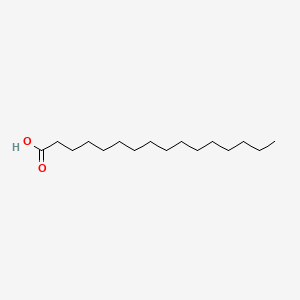
This investigation showed a marked difference in the oil compositions among the treatments with regards to their quality. Valerianol (3.0%) and tetradec-anioc acid (7.1%) contents were recorded higher in the oils of naturally infected plants than in that of healthy ones (0.1% and 6.9%, respectively). Pentadecenoic acid was totally absent in the oils of healthy, whereas it was found in a greater amount (6.8%) in the oil of naturally infected plants. In contrast, dodecanoic acid (3.1%), pentadecanoic acid (6.2%), hexadecanoic acid (31.5%) and octadecanoic acid (4.1%) were found in a higher amount in the oils of healthy plants, while the oils obtained from naturally infected plants contained lower amounts of these components (2.5%, 4.8%, 20.0% and 1.0%, respectively). The oils obtained from the inoculated plants showed almost similar distribution of the components with healthy plants.
Click to Show/Hide
|
||||||||||||||||||||||||||||||||||||||||||||||||||||||||||||||||||||||||||||||||||||||||
| Factor | Part | Location | NP Content | ||||||||||||||||||||||||||||||||||||||||||||||||||||||||||||||||||||||||||||||||||||||
|
Healthy plants
|
Wood chips | India |
NP Content: 31.5 %
|
||||||||||||||||||||||||||||||||||||||||||||||||||||||||||||||||||||||||||||||||||||||
|
Naturally infected plants (C. globosum or F. oxysporum)
|
Wood chips | India |
NP Content: 20 %
|
||||||||||||||||||||||||||||||||||||||||||||||||||||||||||||||||||||||||||||||||||||||
|
Artificial inoculation plants (Chaetomium globosum)
|
Wood chips | India |
NP Content: 30.8 %
|
||||||||||||||||||||||||||||||||||||||||||||||||||||||||||||||||||||||||||||||||||||||
|
Artificial inoculation plants (Fusarium oxysporum)
|
Wood chips | India |
NP Content: 31.2 %
|
||||||||||||||||||||||||||||||||||||||||||||||||||||||||||||||||||||||||||||||||||||||
|
Artificial inoculation plants (C. globosum and F. oxysporum)
|
Wood chips | India |
NP Content: 31.7 %
|
||||||||||||||||||||||||||||||||||||||||||||||||||||||||||||||||||||||||||||||||||||||
| Species Name: Artemisia annua | |||||||||||||||||||||||||||||||||||||||||||||||||||||||||||||||||||||||||||||||||||||||||
| Factor Name: Cultivar Comparison | [2] | ||||||||||||||||||||||||||||||||||||||||||||||||||||||||||||||||||||||||||||||||||||||||
| Experiment Detail |
Populations of A. annua cultivar 'Jeevanraksha' and accession Suraksha were grown in the experimental field plot of the Institute at New Delhi. The seeds were sown in January 2004, seedlings transplanted in late February 2004 and aerial parts (flowers, leaves and stems from the upper 0.5 m of crop canopy) sampled in late October 2004.
Click to Show/Hide
|
||||||||||||||||||||||||||||||||||||||||||||||||||||||||||||||||||||||||||||||||||||||||
| Factor Function |
Ninety-seven compounds comprising 91.3% of the total oil of 'Jeevanraksha' were identified. Forty-three monoterpenes (56.6%), 32 sesquiterpenes (31.1%), and 2 diterpenes (0.2%) comprised bulk of the oil (87.9%). The oil was devoid of artemisia ketone and contained camphor (13.5%), 1,8-cineole (9.4%), trans-sabinol (7.1%), p-mentha-1(7), 5-dien-2-ol (6.3%), myrcene (4.7%), germacrene D (4.4%), (E)-beta-farnesene (3.9%), beta-caryophyllene (3.7%), dihydroartemisinic lactone (3.0%) and p-cymene (2.0%) as the major constituents. Eighty-six compounds representing 93.3% of the composition were identified in the Suraksha oil. This oil contained artemisia ketone (47%), 1,8-cineole (8.4%), camphor (5.9%) and alpha-pinene (5.2%) as the major components.
Click to Show/Hide
|
||||||||||||||||||||||||||||||||||||||||||||||||||||||||||||||||||||||||||||||||||||||||
| Factor | Part | Location | NP Content | ||||||||||||||||||||||||||||||||||||||||||||||||||||||||||||||||||||||||||||||||||||||
|
Artemisia annua accessions Suraksha
|
Aerial parts | India |
NP Content: <0.05 %
|
||||||||||||||||||||||||||||||||||||||||||||||||||||||||||||||||||||||||||||||||||||||
|
Artemisia annua cv. Jeevanraksha
|
Aerial parts | India |
NP Content: <0.05 %
|
||||||||||||||||||||||||||||||||||||||||||||||||||||||||||||||||||||||||||||||||||||||
| Species Name: Ducrosia assadii | |||||||||||||||||||||||||||||||||||||||||||||||||||||||||||||||||||||||||||||||||||||||||
| Factor Name: Locality Variation | [3] | ||||||||||||||||||||||||||||||||||||||||||||||||||||||||||||||||||||||||||||||||||||||||
| Experiment Detail |
The aerial parts of D. assadii Alava. were collected in the wild from Lalehzar (Kerman Province, in southern Iran) at the flowering stage, in July 2007. The material was dried at room temperature and used for distillation. Distillation: A direct-fired field distillation unit containing a distillation tank (capacity: 1,000 L), a condensation column and receiver, all made of stainless steel, and which can process 30-50 kg of dried aerial parts from the plants/batch, was installed at an altitude of 2600 m (boiling point: 87 ℃). Dried aerial parts from the plants (40 kg) were charged into the distillation unit along with 500 L fresh water and the unit was heated by steam. The system was kept open to atmospheric pressure until the temperature reached to 70 ℃, when the air present in the unit was replaced by the vapor. After complete removal of air from the unit, the air vent was closed and the whole unit was operated as a closed system under pressure to distill the oil. The pressure, temperature and rate of distillation were controlled manually. The process was completed after the collection of 500 L of water distillate. The oil collected in the receiver and dried over anhydrous Na2SO4. Extraction of Ducrosia Second Oil From Ducrosia Water by Redistillation: The seprated distillate water collected in the receiver was redistilled in a 1,000 L still to yield more Doucrosia oil (this oil is known as secondary essential oil, second oil, cooked oil or indirect oil).
Click to Show/Hide
|
||||||||||||||||||||||||||||||||||||||||||||||||||||||||||||||||||||||||||||||||||||||||
| Factor Function |
Fifty components were identified in a second oil of D. assadii from Lalehzar with decanal (35.2%), nonadecane (12%) and citronellyl acetate (11.6%) as the main constituents. The oil from Dehbakrii also contained decanal (36.4%) as the main component of an oil recovered from the distillate water. The results showed that the amount of decanal is remarkably high in the oils of D. assadii.
Click to Show/Hide
|
||||||||||||||||||||||||||||||||||||||||||||||||||||||||||||||||||||||||||||||||||||||||
| Factor | Part | Location | NP Content | ||||||||||||||||||||||||||||||||||||||||||||||||||||||||||||||||||||||||||||||||||||||
|
Locality: Lalehzar, Kerman Province, southern Iran
|
Aerial parts | Iran |
NP Content: 0.3 %
|
||||||||||||||||||||||||||||||||||||||||||||||||||||||||||||||||||||||||||||||||||||||
| Species Name: Fragaria vesca | |||||||||||||||||||||||||||||||||||||||||||||||||||||||||||||||||||||||||||||||||||||||||
| Factor Name: Cultivar Comparison | [4] | ||||||||||||||||||||||||||||||||||||||||||||||||||||||||||||||||||||||||||||||||||||||||
| Experiment Detail |
Whole leaves and inflorescences of two wild strawberry cultivars ('Rugia' and 'Baron von Solemacher') harvested in 2008 during the agrotechnical experiment performed by Department of Vegetable and Medicinal Plants, University of Life Sciences in Lublin, were used as a material for determinations. Samples were collected before noon at sunny and dry days at the beginning of wild strawberry's flowering stage. Material was dried up to 35 ℃ in shadow and air just after the harvest.
Click to Show/Hide
|
||||||||||||||||||||||||||||||||||||||||||||||||||||||||||||||||||||||||||||||||||||||||
| Factor Function |
Depending on a cultivar, air-dry inflorescences from wild strawberry contain from 0.21% ('Baron von Solemacher' cv.) to 0.30% ('Rugia' cv.), whereas leaves contains from 0.46% ('Baron von Solemacher' cv.) to 0.62% ('Rugia' cv.) of essential oils. GC/MS analysis of essential oils achieved from studied materials revealed presence of 70 (including 59 identified) compounds in leaves of 'Rugia' cv. and 58 (including 50 identified) compounds in leaves of 'Baron von Solemacher' cv. Essential oils from inflorescences of 'Rugia' cv. contained 52 (including 47 identified), while 'Baron von Solemacher' cv. contained 54 (including 46 identified) compounds. The chromatographic analyses by GC-MS revealed that myrthenol, nonal, linalool and phthalide dibuthyl dominated in essential oils obtained from leaves, while myrthenol, citronelol, linalool and geraniol - from those of inflorescences. There were qualitative differences between oil components at both studied materials and differentiation between both cultivars, as well.
Click to Show/Hide
|
||||||||||||||||||||||||||||||||||||||||||||||||||||||||||||||||||||||||||||||||||||||||
| Factor | Part | Location | NP Content | ||||||||||||||||||||||||||||||||||||||||||||||||||||||||||||||||||||||||||||||||||||||
|
Leaf: Fragaria vesca cv. Rugia
|
Leaves | Poland |
NP Content: 1.98 %
|
||||||||||||||||||||||||||||||||||||||||||||||||||||||||||||||||||||||||||||||||||||||
| Species Name: Lagenaria siceraria | |||||||||||||||||||||||||||||||||||||||||||||||||||||||||||||||||||||||||||||||||||||||||
| Factor Name: Cultivar Comparison; Developmental Stage Variation | [5] | ||||||||||||||||||||||||||||||||||||||||||||||||||||||||||||||||||||||||||||||||||||||||
| Experiment Detail |
The experiment was conducted from July to November 2007 at the experimental station of the University of Abobo-Adjame (Abidjan, Ivory Coast) (latitude between 5° 17′ and 5° 31′ N, longitude between 3° 45′ and 4° 22′ W). During this period, rainfall, mean temperature and humidity varied from 5.33 to 192.28 mm, from 23.3 to 26.4 ℃ and from 86.7 to 96% respectively. Open-pollinated accessions from two edible-seeded L. siceraria (Molina) Standl. cultivars recognisable by their fruit shape (oval or round) were used. Seeds from the round fruit cultivar are characterised by the presence of a cap on the distal side, whereas those from the oval fruit cultivar lack this cap. Differences are also noted between the two cultivars in their rates of seed germination and seedling emergence, the best performances being observed for the round fruit cultivar. However, the visual changes in fruits during their growth as well as at plant whiteness are the same in the two cultivars. Both round and oval fruit cultivars were obtained from the cucurbit germplasm of the university, where they are identified by the alphanumeric codes NI354 and NI260 respectively. Each cultivar was sown on a plot of 20 m × 20 m in 12 holes. Female flowers were tagged after their closure in order to monitor the fruits until the date determined for harvesting. Fruits were harvested at three stages of maturation: (i) 30 days after fruit set (DAFS), at which stage fruits do not grow any more; (ii) 50 DAFS, at which stage the colour of fruits no longer changes; (iii) complete plant whiteness (CPW), indicating the end of plant growth. For each of the three fruit maturation times, five fruits per cultivar were selected. The seeds were extracted from each fruit, washed and dried in the sun for 1 week. After drying, the seeds of all five fruits were grouped and decorticated to obtain seed kernels that were used for analysis.
Click to Show/Hide
|
||||||||||||||||||||||||||||||||||||||||||||||||||||||||||||||||||||||||||||||||||||||||
| Factor Function |
The results of this study showed that there were considerable modifications during fruit maturation in the oilseed gourd L. siceraria and that chemical characterisation of the seed kernel is important for controlling the processes of maturation. The two cultivars of L. siceraria studied should be harvested at 50 days after fruit set (DAFS) owing to their high contents of proteins, lipids, energy and minerals at this stage. At 50 DAFS the leaves of L. siceraria were still green and could serve as a source of nutrients for livestock. However, to obtain the best amino acid composition and biological values of proteins, the round and oval berry cultivars should be harvested at 30 DAFS and complete plant whiteness (CPW) respectively. At these stages their proteins could be used as a supplement. The low digestibility of the proteins at this stage could be improved by appropriate technological treatment.
Click to Show/Hide
|
||||||||||||||||||||||||||||||||||||||||||||||||||||||||||||||||||||||||||||||||||||||||
| Factor | Part | Location | NP Content | ||||||||||||||||||||||||||||||||||||||||||||||||||||||||||||||||||||||||||||||||||||||
|
Lagenaria siceraria cv. Round berry + Harvesting time: 30 days after fruit set
|
Seed kernels | Abidjan, Cote d'lvoire |
NP Content: 164.4 ± 0.4 g/kg dry matter
|
||||||||||||||||||||||||||||||||||||||||||||||||||||||||||||||||||||||||||||||||||||||
|
Lagenaria siceraria cv. Round berry + Harvesting time: 50 days after fruit set
|
Seed kernels | Abidjan, Cote d'lvoire |
NP Content: 135.7 ± 0.3 g/kg dry matter
|
||||||||||||||||||||||||||||||||||||||||||||||||||||||||||||||||||||||||||||||||||||||
|
Lagenaria siceraria cv. Round berry + Harvesting time: complete plant whiteness stage
|
Seed kernels | Abidjan, Cote d'lvoire |
NP Content: 141.3 ± 0.4 g/kg dry matter
|
||||||||||||||||||||||||||||||||||||||||||||||||||||||||||||||||||||||||||||||||||||||
|
Lagenaria siceraria cv. Oval berry + Harvesting time: 30 days after fruit set
|
Seed kernels | Abidjan, Cote d'lvoire |
NP Content: 148.9 ± 0.1 g/kg dry matter
|
||||||||||||||||||||||||||||||||||||||||||||||||||||||||||||||||||||||||||||||||||||||
|
Lagenaria siceraria cv. Oval berry + Harvesting time: 50 days after fruit set
|
Seed kernels | Abidjan, Cote d'lvoire |
NP Content: 137.7 ± 0.8 g/kg dry matter
|
||||||||||||||||||||||||||||||||||||||||||||||||||||||||||||||||||||||||||||||||||||||
|
Lagenaria siceraria cv. Oval berry + Harvesting time: complete plant whiteness stage
|
Seed kernels | Abidjan, Cote d'lvoire |
NP Content: 127.0 ± 1.1 g/kg dry matter
|
||||||||||||||||||||||||||||||||||||||||||||||||||||||||||||||||||||||||||||||||||||||
| Species Name: Ocimum basilicum L | |||||||||||||||||||||||||||||||||||||||||||||||||||||||||||||||||||||||||||||||||||||||||
| Factor Name: Chemotype Comparison | [6] | ||||||||||||||||||||||||||||||||||||||||||||||||||||||||||||||||||||||||||||||||||||||||
| Experiment Detail |
The study was conducted in North-Central Anatolia under semi arid conditions. Seeds of 18 basil landraces (O. basilicum L.) were collected from local farms and home gardens in Turkey. To examine essential oil composition of the basil landraces without environmental influences, the plants were grown under identical (same environmental and soil conditions) conditions. Seeds were sown on a medium (1:1:1 washed sand, horse manure and field soil) in greenhouse conditions on March 25, 2003. Seedlings were grown until the 3-5 leaf stage. The seedlings were transplanted into pilots in the Gaziosmanpasxa University Experimental Research Station on May 15, 2003. The plants were harvested at the full blooming stage and dried at 35 ℃ for essential oil isolation.
Click to Show/Hide
|
||||||||||||||||||||||||||||||||||||||||||||||||||||||||||||||||||||||||||||||||||||||||
| Factor Function |
Variation of essential oils in the landraces was subjected to cluster analysis, and seven different chemotypes were identified. They were (1) linalool, (2) methyl cinnamate, (3) methyl cinnamate/linalool, (4) methyl eugenol, (5) citral, (6) methyl chavicol (estragol), and (7) methyl chavicol/citral. Methyl chavicol with high citral contents (methyl chavicol/citral) can be considered as a 'new chemotype' in the Turkish basils.
Click to Show/Hide
|
||||||||||||||||||||||||||||||||||||||||||||||||||||||||||||||||||||||||||||||||||||||||
| Factor | Part | Location | NP Content | ||||||||||||||||||||||||||||||||||||||||||||||||||||||||||||||||||||||||||||||||||||||
|
Chemotype (linalool-rich type)
|
Leaves | Turkey |
NP Content: 0.3 %
|
||||||||||||||||||||||||||||||||||||||||||||||||||||||||||||||||||||||||||||||||||||||
|
Chemotype (methyl (E)-cinnamate-rich type)
|
Leaves | Turkey |
NP Content: 0.1 %
|
||||||||||||||||||||||||||||||||||||||||||||||||||||||||||||||||||||||||||||||||||||||
|
Chemotype (methyl (E)-cinnamate-rich and linalool-rich type)
|
Leaves | Turkey |
NP Content: 0.7 %
|
||||||||||||||||||||||||||||||||||||||||||||||||||||||||||||||||||||||||||||||||||||||
|
Chemotype (methyl eugenol-rich type)
|
Leaves | Turkey |
NP Content: 0.1 %
|
||||||||||||||||||||||||||||||||||||||||||||||||||||||||||||||||||||||||||||||||||||||
|
Chemotype (citral-rich type)
|
Leaves | Turkey |
NP Content: 0.4 %
|
||||||||||||||||||||||||||||||||||||||||||||||||||||||||||||||||||||||||||||||||||||||
|
Chemotype (methyl chavicol-rich type)
|
Leaves | Turkey |
NP Content: 0.3 %
|
||||||||||||||||||||||||||||||||||||||||||||||||||||||||||||||||||||||||||||||||||||||
|
Chemotype (methyl chavicol and citral-rich type)
|
Leaves | Turkey |
NP Content: 0.2 %
|
||||||||||||||||||||||||||||||||||||||||||||||||||||||||||||||||||||||||||||||||||||||
| Species Name: Persea americana | |||||||||||||||||||||||||||||||||||||||||||||||||||||||||||||||||||||||||||||||||||||||||
| Factor Name: Variety Comparison; Locality Variation | [7] | ||||||||||||||||||||||||||||||||||||||||||||||||||||||||||||||||||||||||||||||||||||||||
| Experiment Detail |
Experimental: Two hundred grams of healthy mature intact leaves were harvested from each of the taxa growing on their own rootstocks at the UC South Coast Research and Extension Center. flocc = P. americana var. floccosa from Mexico D-7; stey = P. americana var. steyermarkii from Mexico El Salvador 3-22-16; nubi = P. americana var. nubigena from Guatemala 45-C-1; mex = P. americena var. drymfolia from Tasco, Mexico; guat = P. americana var. guatemalensis cult. Nimlioh from Florida; bwl = P. ameticana var. americana cult. Trapp from Florida.
Click to Show/Hide
|
||||||||||||||||||||||||||||||||||||||||||||||||||||||||||||||||||||||||||||||||||||||||
| Factor Function |
Analysis of oils showed the presence of over 90 components, of which 76 were identified. P. schiedeana oil was found to contain alpha-pinene (23.7%), beta-pinene (23.2%) and beta-caryophyllene as major components. The major constituents of P. americana var. floccosa and P. americana var. steyermarkii were alpha-pinene (10.9%, 7.6%), beta-pinene (20.6%, 10.4%), alpha-terpineol (9.6%, 7.9%), beta-caryophyllene (12.6%, 8.4%), viridiflorene (0.1%, 10.3%) and globulol (0.1%, 9.2%), respectively. The oils of P. americana var. nubigena and P. americana var. drymifolia contained alpha-terpineol (18.4%, 393%) and methylchavicol (12.4%, 40.2%), as major components, respectively. P. americana var. guatemalensis was found to be rich in beta-caryophyllene (38.3%), while the oils of P. americana var. americana and P. primatogena contained alpha-pinene (27.5%) and beta-pinene (40.9%), and alpha-pinene (24.6%), beta-caryophyllene (20.7%) and germacene D (10.1%).
Click to Show/Hide
|
||||||||||||||||||||||||||||||||||||||||||||||||||||||||||||||||||||||||||||||||||||||||
| Factor | Part | Location | NP Content | ||||||||||||||||||||||||||||||||||||||||||||||||||||||||||||||||||||||||||||||||||||||
|
Persea americana var. guatemalensis cv. Nimlioh (Locality: Florida)
|
Leaves | Florida, USA |
NP Content: 0.01 %
|
||||||||||||||||||||||||||||||||||||||||||||||||||||||||||||||||||||||||||||||||||||||
|
Persea americana var. steyermarkii (Locality: Mexico El Salvador)
|
Leaves | Mexico El Salvador |
NP Content: 0.01 %
|
||||||||||||||||||||||||||||||||||||||||||||||||||||||||||||||||||||||||||||||||||||||
| Species Name: Salvia limbata | |||||||||||||||||||||||||||||||||||||||||||||||||||||||||||||||||||||||||||||||||||||||||
| Factor Name: Locality Variation | [8] | ||||||||||||||||||||||||||||||||||||||||||||||||||||||||||||||||||||||||||||||||||||||||
| Experiment Detail |
Aerial parts were collected in Van and Erzurum in eastern Turkey. A) Van: Van to Ercis road 35th km on June 8, 2001 at an altitude of 1850 m. B) Erzurum: Campus area of Ataturk University on July 30, 2001 at an altitude of 1850 m.
Click to Show/Hide
|
||||||||||||||||||||||||||||||||||||||||||||||||||||||||||||||||||||||||||||||||||||||||
| Factor Function |
Dried aerial parts of S. limbata collected from two localities in Turkey. Oils yielded similar compositions: 70-80% of the oil consisted of monoterpenes and 15-20% of sesquiterpenes. The Erzurum sample contained 3.7% of a diterpene identifi ed as 8,13-epoxy-15,16-dinor-labd-12-ene. Alpha-Pinene or 1,8-cineolerich Salvia oils are used as herbal tea in Turkey.
Click to Show/Hide
|
||||||||||||||||||||||||||||||||||||||||||||||||||||||||||||||||||||||||||||||||||||||||
| Factor | Part | Location | NP Content | ||||||||||||||||||||||||||||||||||||||||||||||||||||||||||||||||||||||||||||||||||||||
|
Locality: Van, Turkey; Altitude 1850 m
|
Flowering aerial parts | Van, Turkey |
NP Content: 0.2 %
|
||||||||||||||||||||||||||||||||||||||||||||||||||||||||||||||||||||||||||||||||||||||
| Species Name: Stachys pilifera | |||||||||||||||||||||||||||||||||||||||||||||||||||||||||||||||||||||||||||||||||||||||||
| Factor Name: Locality Variation | [9] | ||||||||||||||||||||||||||||||||||||||||||||||||||||||||||||||||||||||||||||||||||||||||
| Experiment Detail |
Plant material and isolation procedure: Aerial parts of the plant were collected from two regions, from Kazeroon in southern Iran and Shahr-e-kord in western Iran at the time of flowering in June 2002.
Click to Show/Hide
|
||||||||||||||||||||||||||||||||||||||||||||||||||||||||||||||||||||||||||||||||||||||||
| Factor Function |
The main components of the oil of S. pilifera collected from Kazeroon, in southern Iran, were spathulenol (15.8%), cis-chrysanthenol (15.3%), beta-caryophyllene (8.4%) and cis-chrysanthenyl acetate (6.9%), while for the plant collected from Shahr-e-kord, in western Iran, they were cis-chrysanthenyl acetate (21.8%), linalool (18.9%), terpinen-4-ol (11.9%) and cis-chrysanthenol (9.2%).
Click to Show/Hide
|
||||||||||||||||||||||||||||||||||||||||||||||||||||||||||||||||||||||||||||||||||||||||
| Factor | Part | Location | NP Content | ||||||||||||||||||||||||||||||||||||||||||||||||||||||||||||||||||||||||||||||||||||||
|
Locality: Kazeroon, southern Iran
|
Aerial parts | Iran |
NP Content: 0.4 %
|
||||||||||||||||||||||||||||||||||||||||||||||||||||||||||||||||||||||||||||||||||||||
| Species Name: Tanacetum cadmeum ssp. orientale | |||||||||||||||||||||||||||||||||||||||||||||||||||||||||||||||||||||||||||||||||||||||||
| Factor Name: Locality Variation | [10] | ||||||||||||||||||||||||||||||||||||||||||||||||||||||||||||||||||||||||||||||||||||||||
| Experiment Detail |
Plant materials were collected during the flowering period in July 2002 from the Dumluca Mountain in the vicinity of Divrigi village of Sivas city at 1900 m altitude and Saksagan Gorge in Saimbeyli village of Adana city at 1900 m altitude.
Click to Show/Hide
|
||||||||||||||||||||||||||||||||||||||||||||||||||||||||||||||||||||||||||||||||||||||||
| Factor Function |
The flower, stem and root oils of T. cadmeum ssp. orientale collected from the Adana location were characterized with alpha-thujone (25%, 5.2%), cis-linalool oxide (6.8%, 12.8%), trans-chrysanthenyl acetate (5.8%, 8.5%) for flower and stem oils, and beta-eudesmol (10.3%, 6.2%, 13.8%); in addition, stem oil contained 1,8-cineole (6.6%) and root oil contained hexadecanoic acid (6.0%), spathulenol (5.8%) and beta-muurolol (5.3%). The flower and stem oils of T. cadmeum ssp. orientale collected from the Sivas location were characterized with camphor (25.9%, 14.8%), borneol (15.4%, 25.8%) and alpha-thujone (7.8%, 5.5%); in addition, stem oil contained 1,8-cineole (7.4%) and root oil contained nonacosane (16.2%), spathulenol (6.8%) and hexadecanoic acid (5.8%).
Click to Show/Hide
|
||||||||||||||||||||||||||||||||||||||||||||||||||||||||||||||||||||||||||||||||||||||||
| Factor | Part | Location | NP Content | ||||||||||||||||||||||||||||||||||||||||||||||||||||||||||||||||||||||||||||||||||||||
|
Root: (Locality: Sivas, Turkey)
|
Roots | Sivas, Turkey |
NP Content: 5.8 %
|
||||||||||||||||||||||||||||||||||||||||||||||||||||||||||||||||||||||||||||||||||||||
| Species Name: Tanacetum larvatum | |||||||||||||||||||||||||||||||||||||||||||||||||||||||||||||||||||||||||||||||||||||||||
| Factor Name: Locality Variation | [11] | ||||||||||||||||||||||||||||||||||||||||||||||||||||||||||||||||||||||||||||||||||||||||
| Experiment Detail |
Aerial parts of T. larvatum were collected in July and August during a five-year period, starting in 2001, in Montenegro on several locations: Planinica (Sample a), Visitor (Sample b) and Sinjajevina (Sample c).
Click to Show/Hide
|
||||||||||||||||||||||||||||||||||||||||||||||||||||||||||||||||||||||||||||||||||||||||
| Factor Function |
Sixty-four components were identified, representing 83.1%, 96.6% and 89.4% of the total oils content in the Planinica [Sample a], Visitor [Sample b] and Sinjajevina [Sample c], respectively. The major constituent in Samples a and b , was oxygenated monoterpene, trans-sabinyl acetate (38.1% and 55.8% respectively). Monoterpene hydrocarbons, beta-pinene (13.5%) and santolinatriene (30.6%), were found to be the dominant components in Sample c. The toxic trans-sabinyl acetate was present only in traces in this sample. trans-Chrysanthenyl acetate, as one of major components in feverfew essential oil, has not been previously identified in the investigated essential oils.
Click to Show/Hide
|
||||||||||||||||||||||||||||||||||||||||||||||||||||||||||||||||||||||||||||||||||||||||
| Factor | Part | Location | NP Content | ||||||||||||||||||||||||||||||||||||||||||||||||||||||||||||||||||||||||||||||||||||||
|
Locality: Sinjajevina, Montenegro
|
Aerial parts | Montenegro |
NP Content: 0.3 %
|
||||||||||||||||||||||||||||||||||||||||||||||||||||||||||||||||||||||||||||||||||||||
| Species Name: Vitis vinifera | |||||||||||||||||||||||||||||||||||||||||||||||||||||||||||||||||||||||||||||||||||||||||
| Factor Name: Variety Comparison | [12] | ||||||||||||||||||||||||||||||||||||||||||||||||||||||||||||||||||||||||||||||||||||||||
| Experiment Detail |
Grape pomaces and stalks of Nero d'Avola and Frappato were donated by the ''Valle dell'Acate'' wine firm, Acate, RG, Italy - those from Nerello Mascalese and Cabernet Sauvignon were given by the ''Emanuele Scammacca Barone del Murgo'' wine firm, Santa Venerina, CT, Italy. The winemaking procedures were similar for all samples, namely grape clusters were crushed and destemmed using a destemmer-crusher. The crushed grapes were treated with sulphur dioxide (0.2-0.5% total mash) and with selected strains of Saccharomyces cerevisiae to start up the fermentation. After 6-8 days of maceration, when alcoholic fermentation was finished, the mash was pressed. Stalks coming from destemming procedure and grape pomace coming from the maceration procedure were subjected to the distillation procedures within 24 h of their collection. All materials were collected during the 2004 vintage.
Click to Show/Hide
|
||||||||||||||||||||||||||||||||||||||||||||||||||||||||||||||||||||||||||||||||||||||||
| Factor Function |
On the whole, 38 components have been characterized in the samples of grape pomaces, with Frappato cv. showing the richest composition; instead, 88 components have been detected in the stalks of Frappato, Nero d'Avola, Nerello Mascalese and Cabernet Sauvignon varieties.
Click to Show/Hide
|
||||||||||||||||||||||||||||||||||||||||||||||||||||||||||||||||||||||||||||||||||||||||
| Factor | Part | Location | NP Content | ||||||||||||||||||||||||||||||||||||||||||||||||||||||||||||||||||||||||||||||||||||||
|
Vitis vinifera var. Frappato
|
Stalks | Italy |
NP Content: 16.87 %
|
||||||||||||||||||||||||||||||||||||||||||||||||||||||||||||||||||||||||||||||||||||||
|
Vitis vinifera var. Nerello Mascalese
|
Stalks | Italy |
NP Content: 8.44 %
|
||||||||||||||||||||||||||||||||||||||||||||||||||||||||||||||||||||||||||||||||||||||
|
Vitis vinifera var. Nero d'Avola
|
Stalks | Italy |
NP Content: < 0.05 %
|
||||||||||||||||||||||||||||||||||||||||||||||||||||||||||||||||||||||||||||||||||||||
| Species Name: Vitis vinifera cv. Pinot noir | |||||||||||||||||||||||||||||||||||||||||||||||||||||||||||||||||||||||||||||||||||||||||
| Factor Name: Drought Stress Treatment | [13] | ||||||||||||||||||||||||||||||||||||||||||||||||||||||||||||||||||||||||||||||||||||||||
| Experiment Detail |
3-year old single shoot V. vinifera plants (cultivar Pinot noir 18 Gm grafted on Kober 5BB, 51 plants) potted in 3L pots in a sandy loam soil were used. All plants were well watered (200 mL per day) at the beginning of the experiment (04.06.2010; DAY 0; 5 plants) and water was supplied to all control plants once every day (250 mL per day), whereas water supply of stressed plants was stopped. Physiological measurements and sampling of leaves took place on 07.06.2010 (DAY 3; 5 control, 5 stressed plants), 10.06.2010 (DAY 6; 5 control, 5 stressed plants) and 12.06.2010 (DAY 8; 5 control, 10 stressed plants). Due to very hot weather conditions in June 2010 the experiment was stopped after 8 days and 12 available control plants were used to restart the drought treatment with 6 control and 6 stressed plants on 11.06.2010 and all plants were measured on 15.06.2010 (DAY 5). The mean leaf temperatures at midday were: 25 ℃ (04.06.2010; DAY 0), 31.9 ℃ (07.06.2010; DAY 3), 30.8 ℃ (15.06.2010; DAY 5), 35.8 ℃ (10.06.2010; DAY 6) and 35.7 ℃ (12.06.2010; DAY 8). The mean PAR radiation per day (measured from 6:00 am till 7:00 pm) was 144.1 µmol m-2 s-1. Each plant was used only once for physiological measurements and sampling of leaves.On every day of the experiment (day 0, 3, 5, 6, 8) the pot weight and the volumetric soil moisture content (ThetaProbe ML2x and handheld data logger Moisture Meter HH2, Delta-T Devices, Cambridge, United Kingdom) was recorded. The water potential (PWSC Model 3000, Soilmoisture Equipment Corporation, Santa Barbara, USA) was determined for the 6th leaf (representing the insertion level of the shoot from the basis) of every plant and measurement day. Chlorophyll fluorescence and gas exchange parameters of light adapted leaves were determined with the 4th and 5th leaf, whereas dark adaptation was performed only with the 5th leaf. Immediately after these non-invasive measurements, the 5th leaf was harvested, frozen in liquid nitrogen and further used for the measurement of polyphenols, selected primary metabolites and volatiles (VOCs).
Click to Show/Hide
|
||||||||||||||||||||||||||||||||||||||||||||||||||||||||||||||||||||||||||||||||||||||||
| Factor Function |
The content of different groups of primary and secondary metabolites is significantly influenced by severe drought stress in grapevine leaves. The content of the majority of the metabolites (around 60% of primary metabolites, around 85% of polyphenols and about 40% of the detected and identified VOCs) increased upon drought stress treatment. Among these especially the primary metabolites citric acid and glyceric acid were strongly influenced by the short as well as the prolonged drought stress treatment, whereas all polyphenols were only induced upon the prolonged drought stress treatment.
Click to Show/Hide
|
||||||||||||||||||||||||||||||||||||||||||||||||||||||||||||||||||||||||||||||||||||||||
| Factor | Part | Location | NP Content | ||||||||||||||||||||||||||||||||||||||||||||||||||||||||||||||||||||||||||||||||||||||
|
Normal condition
|
Leaves | Vienna, Austria |
NP Content: 43.7 ± 5.2 µg/g dry weight
|
||||||||||||||||||||||||||||||||||||||||||||||||||||||||||||||||||||||||||||||||||||||
|
Dry 3-5 days
|
Leaves | Vienna, Austria |
NP Content: 43.8 ± 4.7 µg/g dry weight
|
||||||||||||||||||||||||||||||||||||||||||||||||||||||||||||||||||||||||||||||||||||||
|
Dry 6-8 days
|
Leaves | Vienna, Austria |
NP Content: 74.6 ± 54.7 µg/g dry weight
|
||||||||||||||||||||||||||||||||||||||||||||||||||||||||||||||||||||||||||||||||||||||
| Factor Name: Drought Stress Treatment | [13] | ||||||||||||||||||||||||||||||||||||||||||||||||||||||||||||||||||||||||||||||||||||||||
| Experiment Detail |
3-year old single shoot V. vinifera plants (cultivar Pinot noir 18 Gm grafted on Kober 5BB, 51 plants) potted in 3L pots in a sandy loam soil were used. All plants were well watered (200 mL per day) at the beginning of the experiment (04.06.2010; DAY 0; 5 plants) and water was supplied to all control plants once every day (250 mL per day), whereas water supply of stressed plants was stopped. Physiological measurements and sampling of leaves took place on 07.06.2010 (DAY 3; 5 control, 5 stressed plants), 10.06.2010 (DAY 6; 5 control, 5 stressed plants) and 12.06.2010 (DAY 8; 5 control, 10 stressed plants). Due to very hot weather conditions in June 2010 the experiment was stopped after 8 days and 12 available control plants were used to restart the drought treatment with 6 control and 6 stressed plants on 11.06.2010 and all plants were measured on 15.06.2010 (DAY 5). The mean leaf temperatures at midday were: 25 ℃ (04.06.2010; DAY 0), 31.9 ℃ (07.06.2010; DAY 3), 30.8 ℃ (15.06.2010; DAY 5), 35.8 ℃ (10.06.2010; DAY 6) and 35.7 ℃ (12.06.2010; DAY 8). The mean PAR radiation per day (measured from 6:00 am till 7:00 pm) was 144.1 µmol m-2 s-1. Each plant was used only once for physiological measurements and sampling of leaves.On every day of the experiment (day 0, 3, 5, 6, 8) the pot weight and the volumetric soil moisture content (ThetaProbe ML2x and handheld data logger Moisture Meter HH2, Delta-T Devices, Cambridge, United Kingdom) was recorded. The water potential (PWSC Model 3000, Soilmoisture Equipment Corporation, Santa Barbara, USA) was determined for the 6th leaf (representing the insertion level of the shoot from the basis) of every plant and measurement day. Chlorophyll fluorescence and gas exchange parameters of light adapted leaves were determined with the 4th and 5th leaf, whereas dark adaptation was performed only with the 5th leaf. Immediately after these non-invasive measurements, the 5th leaf was harvested, frozen in liquid nitrogen and further used for the measurement of polyphenols, selected primary metabolites and volatiles (VOCs).
Click to Show/Hide
|
||||||||||||||||||||||||||||||||||||||||||||||||||||||||||||||||||||||||||||||||||||||||
| Factor Function |
The content of different groups of primary and secondary metabolites is significantly influenced by severe drought stress in grapevine leaves. The content of the majority of the metabolites (around 60% of primary metabolites, around 85% of polyphenols and about 40% of the detected and identified VOCs) increased upon drought stress treatment. Among these especially the primary metabolites citric acid and glyceric acid were strongly influenced by the short as well as the prolonged drought stress treatment, whereas all polyphenols were only induced upon the prolonged drought stress treatment.
Click to Show/Hide
|
||||||||||||||||||||||||||||||||||||||||||||||||||||||||||||||||||||||||||||||||||||||||
| Factor | Part | Location | NP Content | ||||||||||||||||||||||||||||||||||||||||||||||||||||||||||||||||||||||||||||||||||||||
|
Normal condition
|
Leaves | Vienna, Austria |
NP Content: 70884.5 ± 28252.2 peak areas
|
||||||||||||||||||||||||||||||||||||||||||||||||||||||||||||||||||||||||||||||||||||||
|
Dry 3-5 days
|
Leaves | Vienna, Austria |
NP Content: 65060.4 ± 27295.5 peak areas
|
||||||||||||||||||||||||||||||||||||||||||||||||||||||||||||||||||||||||||||||||||||||
|
Dry 6-8 days
|
Leaves | Vienna, Austria |
NP Content: 61622.4 peak areas
|
||||||||||||||||||||||||||||||||||||||||||||||||||||||||||||||||||||||||||||||||||||||
