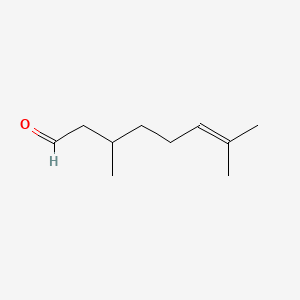
| The Content Variation of Natural Product Induced by Different Factor(s) | |||||||||||||||||||||||||||||||||||||||||||||||||||||||||||||||||||||||||||||||||||||||||
|---|---|---|---|---|---|---|---|---|---|---|---|---|---|---|---|---|---|---|---|---|---|---|---|---|---|---|---|---|---|---|---|---|---|---|---|---|---|---|---|---|---|---|---|---|---|---|---|---|---|---|---|---|---|---|---|---|---|---|---|---|---|---|---|---|---|---|---|---|---|---|---|---|---|---|---|---|---|---|---|---|---|---|---|---|---|---|---|---|---|
| Species Name: Baccharis spartioides | |||||||||||||||||||||||||||||||||||||||||||||||||||||||||||||||||||||||||||||||||||||||||
| Factor Name: Altitude Variation | [1] | ||||||||||||||||||||||||||||||||||||||||||||||||||||||||||||||||||||||||||||||||||||||||
| Experiment Detail |
Aerial parts of endemic pichana were harvested in December 1996 at different localities of northern Patagonia. Origin: Planicie Banderita, Dept. Confluencia, Province of NeuquCn. Habitat: altitude, 327 m; average temperature in the station, 21.8 ℃; annual precipitation, 125 mm; sandy soils. Aerial parts (5 kg, 2 kg of dried material;humidity, 11%) from four well developed plants at the fullflowering stage (December, 1996). Sample 2 : Origin: RincBn de 10s; Sauces, Dept. of Pehuenclies, Province of Neuqukn. Habitat: altitude, 750 m; average temperature in the station, 20.9 ℃; annual precipitation, 147 mm; sandy and gritty salty soils. Aerial parts (5 kg, 1.85 kg of dried material, humidity, 10%), from two well developed plants at the full flowering stage, and after several days copious rains (December, 1996). Sample 3: Origin: Coronel GBmez, Dept. General Roca, Province of Rio Negro. Habitat: altitude, 242 m; average temperature in the station, 22.5 ℃; annual precipitation, 179 mm; sandy and stony soils. Aerial parts (4.5 kg, 1.3 kg of dried material, humidity, 9%), from 12 young plants at the beginning flowering stage (December, 1996).
Click to Show/Hide
|
||||||||||||||||||||||||||||||||||||||||||||||||||||||||||||||||||||||||||||||||||||||||
| Factor Function |
Fifty-four components, representing approximately 84.6-97.4% of the oil samples, were identified. The samples consisted mainly of hydrocarbons and oxygenated monoterpenes. The major constituents were limonene (28.7-56.7%), 6R-7R-bisabolone (3.2-9.1%), sabinene (0.1-11.0%) and citronellal (2.4-5.2%). Significant differences among the content of the three samples could be the result of changes in the climatic conditions (sample 2: Rincon de los Sauces, Province of Neuquen, after strong rains) or by translocations in different parts of the plant (sample 3: Coronel Gomez, Province of Rio Negro, more leaves and less stems).
Click to Show/Hide
|
||||||||||||||||||||||||||||||||||||||||||||||||||||||||||||||||||||||||||||||||||||||||
| Factor | Part | Location | NP Content | ||||||||||||||||||||||||||||||||||||||||||||||||||||||||||||||||||||||||||||||||||||||
|
Locality: Planicie Banderita, Province of Neuquen; Altitude 327 m
|
Aerial parts | Patagonia, Argentina |
NP Content: 5.2 %
|
||||||||||||||||||||||||||||||||||||||||||||||||||||||||||||||||||||||||||||||||||||||
|
Locality: Rincon de los Sauces, Province of Neuquen; Altitude 750 m
|
Aerial parts | Patagonia, Argentina |
NP Content: 2.4 %
|
||||||||||||||||||||||||||||||||||||||||||||||||||||||||||||||||||||||||||||||||||||||
|
Locality: Coronel Gomez, Province of Rio Negro; Altitude 242 m
|
Aerial parts | Patagonia, Argentina |
NP Content: 2.4 %
|
||||||||||||||||||||||||||||||||||||||||||||||||||||||||||||||||||||||||||||||||||||||
| Species Name: Cassinia laevis | |||||||||||||||||||||||||||||||||||||||||||||||||||||||||||||||||||||||||||||||||||||||||
| Factor Name: Locality Variation | [2] | ||||||||||||||||||||||||||||||||||||||||||||||||||||||||||||||||||||||||||||||||||||||||
| Experiment Detail |
Six samples of Cassinia laevis R. Br. (coughbush, wild rosemary) were gathered from Lowood, 45 km west of Brisbane to Murphy's Creek area 100 km west of Brisbane, Australia from 1994 to 1998. Samples were identified by a LAEV prefix. LAEV 1 and LAEV 4 were collected from the roadside verge of the Gatton-Toowoomba bypass road (Lat. 27° 32′ 21″ S; Long. 152° 14′ 28″ E). LAEV 2 and LAEV 5 were collected from a different location in the same area (Lat. 27° 33′ 08″ S; Long. 152° 15′ 00″ E). LAEV 7 were collected from the Murphy's creek area (Lat. 27° 31′ 05″ S; Long. 152° 04′ 15″ E), growing on the roadside and in an adjacent paddock. Sample LAEV 9, was collected from the roadside area of the Warrego Highway (Lat. 27° 32′ 10″ S; Long. 152° 27′ 12″ E). The collected leaf and flower samples had aromas of trampled grass with a slight hint of curry.
Click to Show/Hide
|
||||||||||||||||||||||||||||||||||||||||||||||||||||||||||||||||||||||||||||||||||||||||
| Factor Function |
Spathulenol was the major compound in flower oils (8-12%) compared to leaf oils (0.3-4.0%) which had ledol(37.5-53.6%) as the major compound.
Click to Show/Hide
|
||||||||||||||||||||||||||||||||||||||||||||||||||||||||||||||||||||||||||||||||||||||||
| Factor | Part | Location | NP Content | ||||||||||||||||||||||||||||||||||||||||||||||||||||||||||||||||||||||||||||||||||||||
|
Flower: Sample 1 (Locality: roadside verge of the Gatton-Toowoomba, Brisbane, Queensland)
|
Flowers | Brisbane, Queensland, Australia |
NP Content: 0.4 %
|
||||||||||||||||||||||||||||||||||||||||||||||||||||||||||||||||||||||||||||||||||||||
|
Flower: Sample 4 (Locality: Lat. 27º 33′ 08″ S; Long. 152º 15′ 00″ E, Brisbane, Queensland)
|
Flowers | Brisbane, Queensland, Australia |
NP Content: 0.7 %
|
||||||||||||||||||||||||||||||||||||||||||||||||||||||||||||||||||||||||||||||||||||||
|
Flower: Sample 2 (Locality: roadside verge of the Gatton-Toowoomba, Brisbane, Queensland)
|
Flowers | Brisbane, Queensland, Australia |
NP Content: 0.6 %
|
||||||||||||||||||||||||||||||||||||||||||||||||||||||||||||||||||||||||||||||||||||||
|
Leaf: Sample 3 (Locality: Lat. 27º 33′ 08″ S; Long. 152º 15′ 00″ E, Brisbane, Queensland)
|
Leaves | Brisbane, Queensland, Australia |
NP Content: 0.5 %
|
||||||||||||||||||||||||||||||||||||||||||||||||||||||||||||||||||||||||||||||||||||||
|
Leaf: Sample 6 (Locality: Murphy's creek area, Brisbane, Queensland)
|
Leaves | Brisbane, Queensland, Australia |
NP Content: 0.9 %
|
||||||||||||||||||||||||||||||||||||||||||||||||||||||||||||||||||||||||||||||||||||||
|
Leaf: Sample 5 (Locality: roadside area of the Warrego Highway, Brisbane, Queensland)
|
Leaves | Brisbane, Queensland, Australia |
NP Content: 0.3 %
|
||||||||||||||||||||||||||||||||||||||||||||||||||||||||||||||||||||||||||||||||||||||
| Species Name: Citrus sinensis (Hongjiang) | |||||||||||||||||||||||||||||||||||||||||||||||||||||||||||||||||||||||||||||||||||||||||
| Factor Name: Variety Comparison | [3] | ||||||||||||||||||||||||||||||||||||||||||||||||||||||||||||||||||||||||||||||||||||||||
| Experiment Detail |
Four kinds of fresh sweet oranges were obtained in the same season, November 2000, in Guangzhou. Citrus sinensis var. Hongjiang (called 'hong jiang chen' in Chinese) and C. sinensis Osbeck var. Anliu (called 'luo gang chen') were obtained at an orchard in Luo gang in Guangzhou (25 km from the center of Guangzhou). Citrus sinensis var. Sihui (called 'sihui ju') was harvested at the Shigou Experimental Farm in Sihui City in Guangdong Province (75 km far away from Guangzhou). Citrus sinensis var. Washington navel (called 'qi chen') which was produced in Jiangxi Province (200 km from Guangzhou; bordering Guangdong Province), was purchased at the wholesale market in Guangzhou. All oranges were kept in a cold room until prepared a few days later.
Click to Show/Hide
|
||||||||||||||||||||||||||||||||||||||||||||||||||||||||||||||||||||||||||||||||||||||||
| Factor Function |
The peel oil compositions of four kinds of sweet oranges in China, Citrus sinensis Osbeck var. Hongjian, C. sinensis Osbeck var. Anliu, C. sinensis Osbeck var. Sihui and C. sinensis Osbeck var. Washington navel, were investigated by GC and GC/MS. The essential oils were extracted by cold-pressing method. Forty-two to 53 compounds were quantitatively determined for each variety. Their percentages, respectively, were: > 97.3%, > 98.4%, > 97.5% and > 98.0% in hydrocarbons; > 1.5%, > 0.7%, > 0.8% and > 0.9% in total aldehydes; 0.8%, 0.5%, 0.5% and 0.5% in alcohols. Either cis-or trans-limonene oxide was detected in small amounts in each of the four samples, with Hongjiang containing both limonene oxides. delta-3-Carene was commonly quantified at a level of 0.1% in all the samples. The content of aliphatic aldehydes, including octanal, nonanal, decanal and dodecanal, exceeded that of terpene aldehydes, such as neral and geranial in Hongjiang (0.9%) and Washington navel (0.6%), whereas the aliphatic aldehydes in Anliu and Sihui were present to a lesser degree than the terpene aldehydes. Either alpha- or beta-sinensal was detected in trace amounts in each of the four samples. Linalool was the major alcohol in all the samples. Nootkatone was not detected.
Click to Show/Hide
|
||||||||||||||||||||||||||||||||||||||||||||||||||||||||||||||||||||||||||||||||||||||||
| Factor | Part | Location | NP Content | ||||||||||||||||||||||||||||||||||||||||||||||||||||||||||||||||||||||||||||||||||||||
|
Citrus sinensis var. Anliu
|
Fruits | China |
NP Content: 0.1 %
|
||||||||||||||||||||||||||||||||||||||||||||||||||||||||||||||||||||||||||||||||||||||
|
Citrus sinensis var. Hongjiang
|
Fruits | China |
NP Content: 0.1 %
|
||||||||||||||||||||||||||||||||||||||||||||||||||||||||||||||||||||||||||||||||||||||
|
Citrus sinensis var. Sihui
|
Fruits | China |
NP Content: 0.1 %
|
||||||||||||||||||||||||||||||||||||||||||||||||||||||||||||||||||||||||||||||||||||||
|
Citrus sinensis var. Washington navel
|
Fruits | China |
NP Content: > 0.005; < 0.05 %
|
||||||||||||||||||||||||||||||||||||||||||||||||||||||||||||||||||||||||||||||||||||||
| Species Name: Cymbopogon winterianus | |||||||||||||||||||||||||||||||||||||||||||||||||||||||||||||||||||||||||||||||||||||||||
| Factor Name: Pest Infestation | [4] | ||||||||||||||||||||||||||||||||||||||||||||||||||||||||||||||||||||||||||||||||||||||||
| Experiment Detail |
General plantation of citronella cv. Java 2 was maintained following recommended agricultural practices at the Experimental Farm of Central Institute of Medicinal and Aromatic Plants, Field Station, Hyderabad, India. The experimental station has a semi-arid tropical climate. The experiment was conducted in the same plantation for 2 consecutive years during the summer month of June 1996 and 1997, when the incidence of the disease was higher. In each year, 12 each of healthy and diseased plants were selected at random and harvested. The occurrence of the disease is generally observed during the hot summer season months, when the temperatures are in the range 36-43 ℃. Initial symptoms of the pest attack appear as yellow specks or blotches, mostly along leaf margins, that in later stages develop into yellow streaks running along the length of the affected leaves. Emerging young leaves are pale green to yellow coloured, twisted, crinkled, developed into whip-like structures and in severe cases of infection fail to open. Even if they do open, these leaves fail to exhibit a smooth leaf surface. Severely affected older leaves turn brown, dry and die. The overall growth and development of the infected plant is severely affected, giving it a dwarfed and unhealthy appearance.
Click to Show/Hide
|
||||||||||||||||||||||||||||||||||||||||||||||||||||||||||||||||||||||||||||||||||||||||
| Factor Function |
The essential oil examined by GC and GC-MS from cultivated healthy plants contained citronellal (28.4%), geraniol (24.8%), citronellol (11.8%) and elemol (10.2%). The major components from diseased plants were geraniol (19.0-25.5%), elemol (15.3-20.4%), citronellal (13.4-19.1%) and citronellol (12.9-15.1%). Caryophyllene oxide (3.5-6.0%) was an important minor component.
Click to Show/Hide
|
||||||||||||||||||||||||||||||||||||||||||||||||||||||||||||||||||||||||||||||||||||||||
| Factor | Part | Location | NP Content | ||||||||||||||||||||||||||||||||||||||||||||||||||||||||||||||||||||||||||||||||||||||
|
Healthy leaves of healthy plant
|
Leaves | Hyderabad, India |
NP Content: 28.4 %
|
||||||||||||||||||||||||||||||||||||||||||||||||||||||||||||||||||||||||||||||||||||||
|
Healthy leaves of diseased plant (Yellowing and crinkling disease)
|
Leaves | Hyderabad, India |
NP Content: 19.1 %
|
||||||||||||||||||||||||||||||||||||||||||||||||||||||||||||||||||||||||||||||||||||||
|
Crinkled, whip like leaves of diseased plant (Yellowing and crinkling disease)
|
Leaves | Hyderabad, India |
NP Content: 19.1 %
|
||||||||||||||||||||||||||||||||||||||||||||||||||||||||||||||||||||||||||||||||||||||
|
Dead leaves of diseased plant (Yellowing and crinkling disease)
|
Leaves | Hyderabad, India |
NP Content: 13.4 %
|
||||||||||||||||||||||||||||||||||||||||||||||||||||||||||||||||||||||||||||||||||||||
|
Semi-diseased leaves of diseased plant (Yellowing and crinkling disease)
|
Leaves | Hyderabad, India |
NP Content: 17.2 %
|
||||||||||||||||||||||||||||||||||||||||||||||||||||||||||||||||||||||||||||||||||||||
| Species Name: Ducrosia anethifolia | |||||||||||||||||||||||||||||||||||||||||||||||||||||||||||||||||||||||||||||||||||||||||
| Factor Name: Locality Variation | [5] | ||||||||||||||||||||||||||||||||||||||||||||||||||||||||||||||||||||||||||||||||||||||||
| Experiment Detail |
The aerial parts of Ducrosia anethifolia (DC.) Boiss. were collected in the wild from Mehdi Abad (Kerman province, in southern Iran) at the flowering stage in June 2006. The material was dried at room temperature.
Click to Show/Hide
|
||||||||||||||||||||||||||||||||||||||||||||||||||||||||||||||||||||||||||||||||||||||||
| Factor Function |
The 63 components of this interesting plant were identified in the oil of D. anethifolia, representing 94.0% of the oil. alpha-Pinene (11.6%), terpinolene(3.2%) and (z)-beta-ocimene (2.8%) were the main hydrocarbon components present in the oil, while decanal (54.0%), cis-chrysanthenyl acetate(3.2%) and decanoic acid (1.3%) were the major oxygen-containing constituents.
Click to Show/Hide
|
||||||||||||||||||||||||||||||||||||||||||||||||||||||||||||||||||||||||||||||||||||||||
| Factor | Part | Location | NP Content | ||||||||||||||||||||||||||||||||||||||||||||||||||||||||||||||||||||||||||||||||||||||
|
Locality: Larestan, Iran
|
Aerial parts | Iran |
NP Content: 0.2 %
|
||||||||||||||||||||||||||||||||||||||||||||||||||||||||||||||||||||||||||||||||||||||
|
Locality: Karaj, Iran
|
Aerial parts | Iran |
NP Content: 0.2 %
|
||||||||||||||||||||||||||||||||||||||||||||||||||||||||||||||||||||||||||||||||||||||
|
Locality: Kerman, Iran
|
Aerial parts | Iran |
NP Content: 0.4 %
|
||||||||||||||||||||||||||||||||||||||||||||||||||||||||||||||||||||||||||||||||||||||
| Species Name: Fragaria vesca | |||||||||||||||||||||||||||||||||||||||||||||||||||||||||||||||||||||||||||||||||||||||||
| Factor Name: Cultivar Comparison | [6] | ||||||||||||||||||||||||||||||||||||||||||||||||||||||||||||||||||||||||||||||||||||||||
| Experiment Detail |
Whole leaves and inflorescences of two wild strawberry cultivars ('Rugia' and 'Baron von Solemacher') harvested in 2008 during the agrotechnical experiment performed by Department of Vegetable and Medicinal Plants, University of Life Sciences in Lublin, were used as a material for determinations. Samples were collected before noon at sunny and dry days at the beginning of wild strawberry's flowering stage. Material was dried up to 35 ℃ in shadow and air just after the harvest.
Click to Show/Hide
|
||||||||||||||||||||||||||||||||||||||||||||||||||||||||||||||||||||||||||||||||||||||||
| Factor Function |
Depending on a cultivar, air-dry inflorescences from wild strawberry contain from 0.21% ('Baron von Solemacher' cv.) to 0.30% ('Rugia' cv.), whereas leaves contains from 0.46% ('Baron von Solemacher' cv.) to 0.62% ('Rugia' cv.) of essential oils. GC/MS analysis of essential oils achieved from studied materials revealed presence of 70 (including 59 identified) compounds in leaves of 'Rugia' cv. and 58 (including 50 identified) compounds in leaves of 'Baron von Solemacher' cv. Essential oils from inflorescences of 'Rugia' cv. contained 52 (including 47 identified), while 'Baron von Solemacher' cv. contained 54 (including 46 identified) compounds. The chromatographic analyses by GC-MS revealed that myrthenol, nonal, linalool and phthalide dibuthyl dominated in essential oils obtained from leaves, while myrthenol, citronelol, linalool and geraniol - from those of inflorescences. There were qualitative differences between oil components at both studied materials and differentiation between both cultivars, as well.
Click to Show/Hide
|
||||||||||||||||||||||||||||||||||||||||||||||||||||||||||||||||||||||||||||||||||||||||
| Factor | Part | Location | NP Content | ||||||||||||||||||||||||||||||||||||||||||||||||||||||||||||||||||||||||||||||||||||||
|
Inflorescence: Fragaria vesca cv. Baron von Solemacher
|
Inflorescence | Poland |
NP Content: <0.05 %
|
||||||||||||||||||||||||||||||||||||||||||||||||||||||||||||||||||||||||||||||||||||||
| Species Name: Micromeria biflora | |||||||||||||||||||||||||||||||||||||||||||||||||||||||||||||||||||||||||||||||||||||||||
| Factor Name: Seasonal Variation | [7] | ||||||||||||||||||||||||||||||||||||||||||||||||||||||||||||||||||||||||||||||||||||||||
| Experiment Detail |
The aerial parts of M. biflora collected during November 1993 and June 1994 were used for the investigation.
Click to Show/Hide
|
||||||||||||||||||||||||||||||||||||||||||||||||||||||||||||||||||||||||||||||||||||||||
| Factor Function |
The major constituents of the oil were neral (25.3-32.2%) and geranial (26.7-41.3%). The oil produced in the winter was found to contain higher amounts of oxygenated monoterpenes than the oil produced in the summer.
Click to Show/Hide
|
||||||||||||||||||||||||||||||||||||||||||||||||||||||||||||||||||||||||||||||||||||||||
| Factor | Part | Location | NP Content | ||||||||||||||||||||||||||||||||||||||||||||||||||||||||||||||||||||||||||||||||||||||
|
Harvesting time: Summer
|
Aerial parts | South India |
NP Content: 0.08 %
|
||||||||||||||||||||||||||||||||||||||||||||||||||||||||||||||||||||||||||||||||||||||
|
Harvesting time: Winter
|
Aerial parts | South India |
NP Content: 0.1 %
|
||||||||||||||||||||||||||||||||||||||||||||||||||||||||||||||||||||||||||||||||||||||
| Species Name: Piper nigrum | |||||||||||||||||||||||||||||||||||||||||||||||||||||||||||||||||||||||||||||||||||||||||
| Factor Name: Cultivar Comparison; Harvest Time Variation | [8] | ||||||||||||||||||||||||||||||||||||||||||||||||||||||||||||||||||||||||||||||||||||||||
| Experiment Detail |
The cultivars selected for this study are Sreekara, Vellanamban and one Indonesian cultivar Kutching grown in Kerala. These cultivars are commonly cultivated in the northern parts of Kerala. The fresh berries of the authenticated cultivars were collected from Indian Institute of Spices Research, Calicut and were dried in a cross flow drier at 45 ℃ and taken for the analysis.
Click to Show/Hide
|
||||||||||||||||||||||||||||||||||||||||||||||||||||||||||||||||||||||||||||||||||||||||
| Factor Function |
The main components of vellanamban oil were sabinene (3.9-18.8%), beta-pinene (3.9-10.9%), limonene (8.3-19.8%) and beta-caryophyllene (28.4- 32.9%). Sreekara oil contained as major compounds beta-pinene (0-11.2%), limonene (20.1-22.1%) and beta-caryophyllene (16.8-23.1 %). Kutching oil contained alpha-pinene(2.3-5.4%), sabinene (6.7-13.3%), limonene (14.5-17.5%) and beta-caryophyllene (20.8-39.1%).
Click to Show/Hide
|
||||||||||||||||||||||||||||||||||||||||||||||||||||||||||||||||||||||||||||||||||||||||
| Factor | Part | Location | NP Content | ||||||||||||||||||||||||||||||||||||||||||||||||||||||||||||||||||||||||||||||||||||||
|
Piper nigrum cv. Kuching: (Harvesting time: 1991)
|
Berries | India |
NP Content: 0.1 %
|
||||||||||||||||||||||||||||||||||||||||||||||||||||||||||||||||||||||||||||||||||||||
|
Piper nigrum cv. Sreekara: (Harvesting time: 1990)
|
Berries | India |
NP Content: 0.1 %
|
||||||||||||||||||||||||||||||||||||||||||||||||||||||||||||||||||||||||||||||||||||||
|
Piper nigrum cv. Sreekara: (Harvesting time: 1991)
|
Berries | India |
NP Content: 0.1 %
|
||||||||||||||||||||||||||||||||||||||||||||||||||||||||||||||||||||||||||||||||||||||
|
Piper nigrum cv. Sreekara: (Harvesting time: 1992)
|
Berries | India |
NP Content: 0.1 %
|
||||||||||||||||||||||||||||||||||||||||||||||||||||||||||||||||||||||||||||||||||||||
|
Piper nigrum cv. Vellanamban: (Harvesting time: 1990)
|
Berries | India |
NP Content: 0.1 %
|
||||||||||||||||||||||||||||||||||||||||||||||||||||||||||||||||||||||||||||||||||||||
|
Piper nigrum cv. Vellanamban: (Harvesting time: 1991)
|
Berries | India |
NP Content: 0.1 %
|
||||||||||||||||||||||||||||||||||||||||||||||||||||||||||||||||||||||||||||||||||||||
