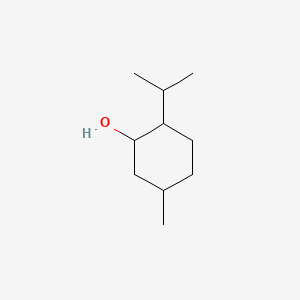
| The Content Variation of Natural Product Induced by Different Factor(s) | |||||||||||||||||||||||||||||||||||||||||||||||||||||||||||||||||||||||||||||||||||||||||
|---|---|---|---|---|---|---|---|---|---|---|---|---|---|---|---|---|---|---|---|---|---|---|---|---|---|---|---|---|---|---|---|---|---|---|---|---|---|---|---|---|---|---|---|---|---|---|---|---|---|---|---|---|---|---|---|---|---|---|---|---|---|---|---|---|---|---|---|---|---|---|---|---|---|---|---|---|---|---|---|---|---|---|---|---|---|---|---|---|---|
| Species Name: Baccharis spartioides | |||||||||||||||||||||||||||||||||||||||||||||||||||||||||||||||||||||||||||||||||||||||||
| Factor Name: Altitude Variation | [1] | ||||||||||||||||||||||||||||||||||||||||||||||||||||||||||||||||||||||||||||||||||||||||
| Experiment Detail |
Aerial parts of endemic pichana were harvested in December 1996 at different localities of northern Patagonia. Origin: Planicie Banderita, Dept. Confluencia, Province of NeuquCn. Habitat: altitude, 327 m; average temperature in the station, 21.8 ℃; annual precipitation, 125 mm; sandy soils. Aerial parts (5 kg, 2 kg of dried material;humidity, 11%) from four well developed plants at the fullflowering stage (December, 1996). Sample 2 : Origin: RincBn de 10s; Sauces, Dept. of Pehuenclies, Province of Neuqukn. Habitat: altitude, 750 m; average temperature in the station, 20.9 ℃; annual precipitation, 147 mm; sandy and gritty salty soils. Aerial parts (5 kg, 1.85 kg of dried material, humidity, 10%), from two well developed plants at the full flowering stage, and after several days copious rains (December, 1996). Sample 3: Origin: Coronel GBmez, Dept. General Roca, Province of Rio Negro. Habitat: altitude, 242 m; average temperature in the station, 22.5 ℃; annual precipitation, 179 mm; sandy and stony soils. Aerial parts (4.5 kg, 1.3 kg of dried material, humidity, 9%), from 12 young plants at the beginning flowering stage (December, 1996).
Click to Show/Hide
|
||||||||||||||||||||||||||||||||||||||||||||||||||||||||||||||||||||||||||||||||||||||||
| Factor Function |
Fifty-four components, representing approximately 84.6-97.4% of the oil samples, were identified. The samples consisted mainly of hydrocarbons and oxygenated monoterpenes. The major constituents were limonene (28.7-56.7%), 6R-7R-bisabolone (3.2-9.1%), sabinene (0.1-11.0%) and citronellal (2.4-5.2%). Significant differences among the content of the three samples could be the result of changes in the climatic conditions (sample 2: Rincon de los Sauces, Province of Neuquen, after strong rains) or by translocations in different parts of the plant (sample 3: Coronel Gomez, Province of Rio Negro, more leaves and less stems).
Click to Show/Hide
|
||||||||||||||||||||||||||||||||||||||||||||||||||||||||||||||||||||||||||||||||||||||||
| Factor | Part | Location | NP Content | ||||||||||||||||||||||||||||||||||||||||||||||||||||||||||||||||||||||||||||||||||||||
|
Locality: Planicie Banderita, Province of Neuquen; Altitude 327 m
|
Aerial parts | Patagonia, Argentina |
NP Content: 0.1 %
|
||||||||||||||||||||||||||||||||||||||||||||||||||||||||||||||||||||||||||||||||||||||
|
Locality: Rincon de los Sauces, Province of Neuquen; Altitude 750 m
|
Aerial parts | Patagonia, Argentina |
NP Content: 0.1 %
|
||||||||||||||||||||||||||||||||||||||||||||||||||||||||||||||||||||||||||||||||||||||
|
Locality: Coronel Gomez, Province of Rio Negro; Altitude 242 m
|
Aerial parts | Patagonia, Argentina |
NP Content: 0.5 %
|
||||||||||||||||||||||||||||||||||||||||||||||||||||||||||||||||||||||||||||||||||||||
| Species Name: Coriandrum sativum | |||||||||||||||||||||||||||||||||||||||||||||||||||||||||||||||||||||||||||||||||||||||||
| Factor Name: Locality Variation | [2] | ||||||||||||||||||||||||||||||||||||||||||||||||||||||||||||||||||||||||||||||||||||||||
| Experiment Detail |
Two samples (20 kg each) of mature coriander (Coriandrum sativum L.) fruits were used for this study. The first was purchased from a spice market of Korba in Tunisia (Tn), the second, from Canada (Can), was supplied by General Herboristerie Laboratory (Marseille, France).
Click to Show/Hide
|
||||||||||||||||||||||||||||||||||||||||||||||||||||||||||||||||||||||||||||||||||||||||
| Factor Function |
The first from Tunisia (Tn) and the second from Canada (Can). The highest essential oil yield was observed for Can with 0.44% (w/w) and 0.37% (w/w) for Tn. Forty-five compounds were identified in the essential oils and the main compound of both samples was linalool. The total phenol contents varied between two coriander fruit samples; Can sample presented high polyphenol contents (15.16 mg GAE/g) compared with Tn one (12.10 mg GAE/g). Significant differences were also found in total tannin contents among representing 0.7 mg GAE/g in Can and 0.34 mg GAE/g in Tn. The highest contents of total flavonoids were observed in Can sample with 13.2 mg CE/g.
Click to Show/Hide
|
||||||||||||||||||||||||||||||||||||||||||||||||||||||||||||||||||||||||||||||||||||||||
| Factor | Part | Location | NP Content | ||||||||||||||||||||||||||||||||||||||||||||||||||||||||||||||||||||||||||||||||||||||
|
Locality: Canada
|
Fruits | Canada |
NP Content: < 0.1 %
|
||||||||||||||||||||||||||||||||||||||||||||||||||||||||||||||||||||||||||||||||||||||
|
Locality: Korba, Tunisia
|
Fruits | Tunisia |
NP Content: 0.1 %
|
||||||||||||||||||||||||||||||||||||||||||||||||||||||||||||||||||||||||||||||||||||||
| Species Name: Cunila angustifolia | |||||||||||||||||||||||||||||||||||||||||||||||||||||||||||||||||||||||||||||||||||||||||
| Factor Name: Seasonal Variation | [3] | ||||||||||||||||||||||||||||||||||||||||||||||||||||||||||||||||||||||||||||||||||||||||
| Experiment Detail |
The leaves of Cunila angustifolia which were collected in the Santa Catarina state, Brazil in October (2001), January (2002), April (2002) and July (2002).
Click to Show/Hide
|
||||||||||||||||||||||||||||||||||||||||||||||||||||||||||||||||||||||||||||||||||||||||
| Factor Function |
The oxygenated compounds were found with high concentration (winter- 77.0%, spring- 84.1%, summer- 82.2% and autumn76.2%). Seasons with low temperature showed increasing in the concentration non-oxygenated compounds (winter- 18.6%, spring- 13.6%, summer- 10.2% and autumn- 19.2%). There is little variation in the main component (pulegone) of the oil on different seasons. The spring oil showed a high concentration this monoterpene (72.3%). The other season's oils showed increasing amounts in the concentration of isomenthone and neomenthol. Winter and autumn oils showed a significant increase in the concentration of beta- caryophyllene and bicyclogermacrene.
Click to Show/Hide
|
||||||||||||||||||||||||||||||||||||||||||||||||||||||||||||||||||||||||||||||||||||||||
| Factor | Part | Location | NP Content | ||||||||||||||||||||||||||||||||||||||||||||||||||||||||||||||||||||||||||||||||||||||
|
Harvesting time: Spring
|
Leaves | Brazil |
NP Content: 3.5 %
|
||||||||||||||||||||||||||||||||||||||||||||||||||||||||||||||||||||||||||||||||||||||
|
Harvesting time: Summer
|
Leaves | Brazil |
NP Content: 5.2 %
|
||||||||||||||||||||||||||||||||||||||||||||||||||||||||||||||||||||||||||||||||||||||
|
Harvesting time: Autumn
|
Leaves | Brazil |
NP Content: 3.6 %
|
||||||||||||||||||||||||||||||||||||||||||||||||||||||||||||||||||||||||||||||||||||||
|
Harvesting time: Winter
|
Leaves | Brazil |
NP Content: 3.6 %
|
||||||||||||||||||||||||||||||||||||||||||||||||||||||||||||||||||||||||||||||||||||||
| Species Name: phaseolorum sp. PR4 | |||||||||||||||||||||||||||||||||||||||||||||||||||||||||||||||||||||||||||||||||||||||||
| Factor Name: PDB medium | [4] | ||||||||||||||||||||||||||||||||||||||||||||||||||||||||||||||||||||||||||||||||||||||||
| Experiment Detail |
PR4 was isolated as an endophyte from the rhizome of Picrorhiza kurroa. Picrorhiza kurroa Royle ex. Benth (Plantaginaceae) is a perennial herb endemic to the north western alpine Himalayas. The endophyte PR4 was grown on PDA and in PDB at 26 ℃ for 15 days with constant shaking at 200 rpm in the latter case.
Click to Show/Hide
|
||||||||||||||||||||||||||||||||||||||||||||||||||||||||||||||||||||||||||||||||||||||||
| Mechanism |
The two candidate NR-PKSs (PKS_3671 and PKS_4063) show differences in their domain organizations. PKS_3671 possesses two ACP-domains. Apart from that, only PKS_3671 contains a SAT-domain . These domains provide the first building block in the polyketide assembly, which usually is different from the extender unit malonyl-CoA (also known as the 'starter unit effect'). The ACA-synthesis however is believed to involve merely malonyl-CoA molecules. Even though the ACA-producing PKSs MdpG, ACAS, EncA, AptA and ClaG contain SAT-domains, an amino acid sequence alignment of these domains revealed that they all lack the active-site cysteine in the GXCXG motif and therefore most likely have no acyl transferase activity. Instead, all malonate building blocks are assumed to be loaded by the MAT. Under this aspect, the SAT-domain of PKS_3671 (that includes the correct GXCXG motif) likely incorporates a starter unit different from malonyl-CoA indicating that this enzyme is not involved in the biosynthesis of ACA. Therefore, the ACA-synthesizing PKS in C. asteris would rather be PKS_4063 that misses the SAT-domain .In the monodictyphenone and cladofulvin pathways, the cluster-encoded gene products MdpH and ClaH are crucial enzymes pushing the biosynthesis towards emodin. These EthD-domain-containing enzymes are suggested to catalyze the decarboxylation of ACA (3) into atrochrysone (4). Surprisingly, no such EthD-domain is encoded in the whole C. asteris genome. On the other hand, four genes directly attached to the putative ACA-synthase-coding gene pks_4063 show high similarity to genes of non-investigated PKS clusters in other fungi , which indicates an involvement in tailoring reactions of the respective polyketide pathways. According to InterProScan and BLASTp analyses, the genes sky_4060-62 encode a dehydratase and two dehydrogenases potentially catalyzing the multistep conversion of ACA (3) into emodin (1). Gene sky_4059 codes for a monooxygenase that putatively can connect two emodin molecules to the final product skyrin (2) in the style of the monooxygenase ClaM involved in the dimerization of the bisanthraquinone cladofulvin. Thus, the presence of these genes in the gene cluster gives further support to the hypothesis that PKS_4063 is the ACA-synthase in C. asteris. Mutational studies will be done in order to confirm these assumptions after a gene transfer system for this strain has been developed.
Click to Show/Hide
|
||||||||||||||||||||||||||||||||||||||||||||||||||||||||||||||||||||||||||||||||||||||||
| Factor | Part | Location | NP Content | ||||||||||||||||||||||||||||||||||||||||||||||||||||||||||||||||||||||||||||||||||||||
|
PDB medium (26℃ + 15 days)
|
Rhizomes | Himalayas |
NP Content: 0.36 % Relative area
|
||||||||||||||||||||||||||||||||||||||||||||||||||||||||||||||||||||||||||||||||||||||
|
PDB medium (26℃ + 4 days)
|
Rhizomes | Himalayas |
NP Content: 0.68 % Relative area
|
||||||||||||||||||||||||||||||||||||||||||||||||||||||||||||||||||||||||||||||||||||||
| Factor Name: PDA medium | [4] | ||||||||||||||||||||||||||||||||||||||||||||||||||||||||||||||||||||||||||||||||||||||||
| Experiment Detail |
PR4 was isolated as an endophyte from the rhizome of Picrorhiza kurroa. Picrorhiza kurroa Royle ex. Benth (Plantaginaceae) is a perennial herb endemic to the north western alpine Himalayas. The endophyte PR4 was grown on PDA and in PDB at 26 ℃ for 15 days with constant shaking at 200 rpm in the latter case.
Click to Show/Hide
|
||||||||||||||||||||||||||||||||||||||||||||||||||||||||||||||||||||||||||||||||||||||||
| Mechanism |
The two candidate NR-PKSs (PKS_3671 and PKS_4063) show differences in their domain organizations. PKS_3671 possesses two ACP-domains. Apart from that, only PKS_3671 contains a SAT-domain . These domains provide the first building block in the polyketide assembly, which usually is different from the extender unit malonyl-CoA (also known as the 'starter unit effect'). The ACA-synthesis however is believed to involve merely malonyl-CoA molecules. Even though the ACA-producing PKSs MdpG, ACAS, EncA, AptA and ClaG contain SAT-domains, an amino acid sequence alignment of these domains revealed that they all lack the active-site cysteine in the GXCXG motif and therefore most likely have no acyl transferase activity. Instead, all malonate building blocks are assumed to be loaded by the MAT. Under this aspect, the SAT-domain of PKS_3671 (that includes the correct GXCXG motif) likely incorporates a starter unit different from malonyl-CoA indicating that this enzyme is not involved in the biosynthesis of ACA. Therefore, the ACA-synthesizing PKS in C. asteris would rather be PKS_4063 that misses the SAT-domain .In the monodictyphenone and cladofulvin pathways, the cluster-encoded gene products MdpH and ClaH are crucial enzymes pushing the biosynthesis towards emodin. These EthD-domain-containing enzymes are suggested to catalyze the decarboxylation of ACA (3) into atrochrysone (4). Surprisingly, no such EthD-domain is encoded in the whole C. asteris genome. On the other hand, four genes directly attached to the putative ACA-synthase-coding gene pks_4063 show high similarity to genes of non-investigated PKS clusters in other fungi , which indicates an involvement in tailoring reactions of the respective polyketide pathways. According to InterProScan and BLASTp analyses, the genes sky_4060-62 encode a dehydratase and two dehydrogenases potentially catalyzing the multistep conversion of ACA (3) into emodin (1). Gene sky_4059 codes for a monooxygenase that putatively can connect two emodin molecules to the final product skyrin (2) in the style of the monooxygenase ClaM involved in the dimerization of the bisanthraquinone cladofulvin. Thus, the presence of these genes in the gene cluster gives further support to the hypothesis that PKS_4063 is the ACA-synthase in C. asteris. Mutational studies will be done in order to confirm these assumptions after a gene transfer system for this strain has been developed.
Click to Show/Hide
|
||||||||||||||||||||||||||||||||||||||||||||||||||||||||||||||||||||||||||||||||||||||||
| Factor | Part | Location | NP Content | ||||||||||||||||||||||||||||||||||||||||||||||||||||||||||||||||||||||||||||||||||||||
|
PDA medium (26℃)
|
Rhizomes | Himalayas |
NP Content: 0.416 % Relative area
|
||||||||||||||||||||||||||||||||||||||||||||||||||||||||||||||||||||||||||||||||||||||
| Species Name: Echinacea purpurea | |||||||||||||||||||||||||||||||||||||||||||||||||||||||||||||||||||||||||||||||||||||||||
| Factor Name: Plant Pathogen Infection | [5] | ||||||||||||||||||||||||||||||||||||||||||||||||||||||||||||||||||||||||||||||||||||||||
| Experiment Detail |
Plant selection and virological tests: Before effecting the collection procedure, heathy and infected plants of E. purpurea grown in the open field at the Herb Garden of Casola Valsenio were selected and labelled by visual inspection of their aerial parts. The infection by CMV was associated with symptoms on both leaves and flowers. The most characteristic symptoms are yellow mosaic, ring and line-patterns on crinkled and deformed leaves that drop prematurely. The flowers, which may be smaller than normal, show color breaking with white or pale stripes on red petals. Shortening of the internodes is also very common, giving the plant a bushy appearance known as stunting. In Italian environmental conditions, these symptoms are best visible in the summer. On the other hand, plants appeared symptom-free were collected as healthy material. Plant collection: About 3-4 Kg fresh aerial part materials (70% stems, 10% leaves and 20% flowers) of healthy E. purpurea plants were collected in June 2000 at almost the end of flowering. An equivalent quantity of CMV-infected plants (evaluated by DAS-ELISA) was also collected; the percentage of leaves in the infected infected was about 6.0% as due to CMV presence that caused the premature leaf drop.
Click to Show/Hide
|
||||||||||||||||||||||||||||||||||||||||||||||||||||||||||||||||||||||||||||||||||||||||
| Factor Function |
The oil from healthy material was rich in germacrene D (57.8%) and was more abundant. The infected materials afforded a lower oil content and significant quantitative variations in the oil composition. In particular, the observed percentage of germacrene D (52.6%) was reduced as were other sesquiterpene hydrocarbons. These variations, tested to be significant for all the compound-class fractions and individual major components, were ascribed to the cucumber mosaic cucumovirus (CMV) infection, the only fixed-effect variable that might affect the oil composition.
Click to Show/Hide
|
||||||||||||||||||||||||||||||||||||||||||||||||||||||||||||||||||||||||||||||||||||||||
| Factor | Part | Location | NP Content | ||||||||||||||||||||||||||||||||||||||||||||||||||||||||||||||||||||||||||||||||||||||
|
Healthy plant
|
Aerial parts | Italy |
NP Content: 0.8 %
|
||||||||||||||||||||||||||||||||||||||||||||||||||||||||||||||||||||||||||||||||||||||
|
Infected plants (cucumber mosaic cucumovirus)
|
Aerial parts | Italy |
NP Content: 0.3 %
|
||||||||||||||||||||||||||||||||||||||||||||||||||||||||||||||||||||||||||||||||||||||
| Species Name: Fragaria vesca | |||||||||||||||||||||||||||||||||||||||||||||||||||||||||||||||||||||||||||||||||||||||||
| Factor Name: Cultivar Comparison | [6] | ||||||||||||||||||||||||||||||||||||||||||||||||||||||||||||||||||||||||||||||||||||||||
| Experiment Detail |
Whole leaves and inflorescences of two wild strawberry cultivars ('Rugia' and 'Baron von Solemacher') harvested in 2008 during the agrotechnical experiment performed by Department of Vegetable and Medicinal Plants, University of Life Sciences in Lublin, were used as a material for determinations. Samples were collected before noon at sunny and dry days at the beginning of wild strawberry's flowering stage. Material was dried up to 35 ℃ in shadow and air just after the harvest.
Click to Show/Hide
|
||||||||||||||||||||||||||||||||||||||||||||||||||||||||||||||||||||||||||||||||||||||||
| Factor Function |
Depending on a cultivar, air-dry inflorescences from wild strawberry contain from 0.21% ('Baron von Solemacher' cv.) to 0.30% ('Rugia' cv.), whereas leaves contains from 0.46% ('Baron von Solemacher' cv.) to 0.62% ('Rugia' cv.) of essential oils. GC/MS analysis of essential oils achieved from studied materials revealed presence of 70 (including 59 identified) compounds in leaves of 'Rugia' cv. and 58 (including 50 identified) compounds in leaves of 'Baron von Solemacher' cv. Essential oils from inflorescences of 'Rugia' cv. contained 52 (including 47 identified), while 'Baron von Solemacher' cv. contained 54 (including 46 identified) compounds. The chromatographic analyses by GC-MS revealed that myrthenol, nonal, linalool and phthalide dibuthyl dominated in essential oils obtained from leaves, while myrthenol, citronelol, linalool and geraniol - from those of inflorescences. There were qualitative differences between oil components at both studied materials and differentiation between both cultivars, as well.
Click to Show/Hide
|
||||||||||||||||||||||||||||||||||||||||||||||||||||||||||||||||||||||||||||||||||||||||
| Factor | Part | Location | NP Content | ||||||||||||||||||||||||||||||||||||||||||||||||||||||||||||||||||||||||||||||||||||||
|
Inflorescence: Fragaria vesca cv. Baron von Solemacher
|
Inflorescence | Poland |
NP Content: <0.05 %
|
||||||||||||||||||||||||||||||||||||||||||||||||||||||||||||||||||||||||||||||||||||||
|
Inflorescence: Fragaria vesca cv. Rugia
|
Inflorescence | Poland |
NP Content: <0.05 %
|
||||||||||||||||||||||||||||||||||||||||||||||||||||||||||||||||||||||||||||||||||||||
|
Leaf: Fragaria vesca cv. Baron von Solemacher
|
Leaves | Poland |
NP Content: <0.05 %
|
||||||||||||||||||||||||||||||||||||||||||||||||||||||||||||||||||||||||||||||||||||||
|
Leaf: Fragaria vesca cv. Rugia
|
Leaves | Poland |
NP Content: <0.05 %
|
||||||||||||||||||||||||||||||||||||||||||||||||||||||||||||||||||||||||||||||||||||||
| Species Name: Mentha longifolia | |||||||||||||||||||||||||||||||||||||||||||||||||||||||||||||||||||||||||||||||||||||||||
| Factor Name: Locality Variation | [7] | ||||||||||||||||||||||||||||||||||||||||||||||||||||||||||||||||||||||||||||||||||||||||
| Experiment Detail |
Plants were collected in the Inner plain, the Sharon plain and the kava valley.
Click to Show/Hide
|
||||||||||||||||||||||||||||||||||||||||||||||||||||||||||||||||||||||||||||||||||||||||
| Factor Function |
The major constituent of all three oils was found to be 1,8-cineole (26.4-34.5%) followed by menthone (10.0-16.7%), pulegone (7.0-7.5%), and isomenthone (4.7-7.8%). Despite some differences in the component proportions, the plants of all three populations clearly belong to the same chemotype.
Click to Show/Hide
|
||||||||||||||||||||||||||||||||||||||||||||||||||||||||||||||||||||||||||||||||||||||||
| Factor | Part | Location | NP Content | ||||||||||||||||||||||||||||||||||||||||||||||||||||||||||||||||||||||||||||||||||||||
|
Locality: Inner plain, Israel
|
Aerial parts | Israel |
NP Content: trace %
|
||||||||||||||||||||||||||||||||||||||||||||||||||||||||||||||||||||||||||||||||||||||
| Species Name: Mentha piperita | |||||||||||||||||||||||||||||||||||||||||||||||||||||||||||||||||||||||||||||||||||||||||
| Factor Name: Month Variation | [8] | ||||||||||||||||||||||||||||||||||||||||||||||||||||||||||||||||||||||||||||||||||||||||
| Experiment Detail |
The peppermint material was obtained from ten cultivation sites (four growers) around Le Mayetde-Montagne, Allier, France (altitude 400 to 800 m). The individual surface areas ranged from 0.6 to 2.5 ha for an overall surface of 8 to 10 ha. Planting density was 30,000 plants/ha.
Click to Show/Hide
|
||||||||||||||||||||||||||||||||||||||||||||||||||||||||||||||||||||||||||||||||||||||||
| Factor Function |
A marked inversion of the menthol/menthone ratio was observed according to harvesting time. The late blooming period gave oils rich in menthol. A second harvest gave a high-quality oil and increased overall yield. Pre-drying did not affect the chemical composition of the oil obtained but allowed larger amounts of plant material to be distilled. In particular, Bouverat-Bernier showed an increase in oil yield up to flowering and a fall thereafter and an increase of levels of menthol and menthyl acetate while those of menthone decreased from June to September. For Hungarian peppermint, the levels of menthone were always greater than those of menthol regardless of harvest time.
Click to Show/Hide
|
||||||||||||||||||||||||||||||||||||||||||||||||||||||||||||||||||||||||||||||||||||||||
| Factor | Part | Location | NP Content | ||||||||||||||||||||||||||||||||||||||||||||||||||||||||||||||||||||||||||||||||||||||
|
Harvesting time: 14-June
|
Whole plant | Allier, France |
NP Content: 20.5 %
|
||||||||||||||||||||||||||||||||||||||||||||||||||||||||||||||||||||||||||||||||||||||
|
Harvesting time: 5-July
|
Whole plant | Allier, France |
NP Content: 22.2 %
|
||||||||||||||||||||||||||||||||||||||||||||||||||||||||||||||||||||||||||||||||||||||
|
Harvesting time: 29-July
|
Whole plant | Allier, France |
NP Content: 16.7 %
|
||||||||||||||||||||||||||||||||||||||||||||||||||||||||||||||||||||||||||||||||||||||
|
Harvesting time: 15-August
|
Whole plant | Allier, France |
NP Content: 22.4 %
|
||||||||||||||||||||||||||||||||||||||||||||||||||||||||||||||||||||||||||||||||||||||
|
Harvesting time: 15-September
|
Whole plant | Allier, France |
NP Content: 43.5 %
|
||||||||||||||||||||||||||||||||||||||||||||||||||||||||||||||||||||||||||||||||||||||
|
Harvesting time: 30-September
|
Whole plant | Allier, France |
NP Content: 52.1 %
|
||||||||||||||||||||||||||||||||||||||||||||||||||||||||||||||||||||||||||||||||||||||
|
Harvesting time: 30-October
|
Whole plant | Allier, France |
NP Content: 52.3 %
|
||||||||||||||||||||||||||||||||||||||||||||||||||||||||||||||||||||||||||||||||||||||
| Factor Name: Cultivar Comparison | [9] | ||||||||||||||||||||||||||||||||||||||||||||||||||||||||||||||||||||||||||||||||||||||||
| Experiment Detail |
Dry leaves of Menlba piperita L. 'Kliment-63' and 'Zefir' of 1997 crop were used.
Click to Show/Hide
|
||||||||||||||||||||||||||||||||||||||||||||||||||||||||||||||||||||||||||||||||||||||||
| Factor Function |
The oil yield from 'Zefir' was 0.97% and that from 'Kliment-63' was 0.54%. The oil from 'Zefir' was found to be rich in menthol (46.2-50.2%) and menthyl acetate (16.8-22.5%). In the oil from 'Kliment-63,' the content of these components was lower, while the menthone content was higher (20.0-23.1%).
Click to Show/Hide
|
||||||||||||||||||||||||||||||||||||||||||||||||||||||||||||||||||||||||||||||||||||||||
| Factor | Part | Location | NP Content | ||||||||||||||||||||||||||||||||||||||||||||||||||||||||||||||||||||||||||||||||||||||
|
Mentha piperita cv. Kliment-63
|
Leaves | Bulgaria |
NP Content: 35.7 %
|
||||||||||||||||||||||||||||||||||||||||||||||||||||||||||||||||||||||||||||||||||||||
|
Mentha piperita cv. Zefir
|
Leaves | Bulgaria |
NP Content: 46.2 %
|
||||||||||||||||||||||||||||||||||||||||||||||||||||||||||||||||||||||||||||||||||||||
| Species Name: Mentha Pulegium | |||||||||||||||||||||||||||||||||||||||||||||||||||||||||||||||||||||||||||||||||||||||||
| Factor Name: Altitude Variation | [10] | ||||||||||||||||||||||||||||||||||||||||||||||||||||||||||||||||||||||||||||||||||||||||
| Experiment Detail |
The aerial parts of flowering Mentha pulegium plants (cut at ground level) and individual M. pulegium plants were collected in the summer (July, 2003) from three wild populations located in the Municipality of Laganas, Zakynthos, W. Greece. Location 1 (N 37° 41′ 29″, E 20° 50′ 25″; map datum WGS 84; altitude 3 m; 14/07/03) was close to Keri Beach (Limni Keriou), Location 2 (N 37° 43′ 34″, E 20° 50′ 41″; altitude 3 m; 13/07/03) was near the village of Kalamaki and Location 3 (N 37° 39′ 39″, E 20° 48′ 44″; altitude 160 m; 17/07/03) was near the village of Vasilikos. The three locations are within the mainland limits of the protected area of the National Marine Park of Zakynthos (NATURA 2000 Network, site GR 2210002; 14).
Click to Show/Hide
|
||||||||||||||||||||||||||||||||||||||||||||||||||||||||||||||||||||||||||||||||||||||||
| Factor Function |
The composition of the inflorescence (I), leaf (L) and stem (S) essential oils of wild Mentha pulegium plants from three populations (1-3) on the island of Zakynthos were examined. Pulegone (32.8 %, S1 to 75.8 %, I3) was the major constituent of all of the oils. The other main constituents were piperitenone (5.1 %, L3 to 35 %, I2), isomenthone (4.3 %, I2 to 28.6 %, L3) and piperitone (0.5 %, I3 to 5.2 %, L2). In total, C-3-oxygenated p-menthane compounds constituted from 73.0 % (S1) to 96.2 % (I2) of the oils. The piperitenone content of the inforescence oils was up to 2.4 (Loc 3) times higher than that of the leaf oils. Correspondingly, the isomenthone content of the leaf oils was up to 4.2 (Loc 2) times higher than that of the inforescence oils. The ratio of the isomenthone:piperitenone content of the oils (n=3) was markedly different for the inforescence (mean 0.31), leaf (mean 2.91) and stem (mean 1.12) oils.
Click to Show/Hide
|
||||||||||||||||||||||||||||||||||||||||||||||||||||||||||||||||||||||||||||||||||||||||
| Factor | Part | Location | NP Content | ||||||||||||||||||||||||||||||||||||||||||||||||||||||||||||||||||||||||||||||||||||||
|
Leaf: (Locality: close to Keri Beach, Zakynthos, Greece; Altitude 3 m)
|
Leaves | Zakynthos, Greece |
NP Content: 0.9 %
|
||||||||||||||||||||||||||||||||||||||||||||||||||||||||||||||||||||||||||||||||||||||
|
Stem: (Locality: close to Keri Beach, Zakynthos, Greece; Altitude 3 m)
|
Stems | Zakynthos, Greece |
NP Content: 1.4 %
|
||||||||||||||||||||||||||||||||||||||||||||||||||||||||||||||||||||||||||||||||||||||
|
Stem: (Locality: near the village of Kalamaki, Zakynthos, Greece; Altitude 3 m)
|
Stems | Zakynthos, Greece |
NP Content: 0.9 %
|
||||||||||||||||||||||||||||||||||||||||||||||||||||||||||||||||||||||||||||||||||||||
|
Stem: (Locality: near the village of Vasilikos, Zakynthos, Greece; Altitude 160 m)
|
Stems | Zakynthos, Greece |
NP Content: 0.6 %
|
||||||||||||||||||||||||||||||||||||||||||||||||||||||||||||||||||||||||||||||||||||||
| Species Name: Mentha spicata | |||||||||||||||||||||||||||||||||||||||||||||||||||||||||||||||||||||||||||||||||||||||||
| Factor Name: Altitude Variation | [11] | ||||||||||||||||||||||||||||||||||||||||||||||||||||||||||||||||||||||||||||||||||||||||
| Experiment Detail |
The aerial parts of flowering Mentha spicata plants (cut at ground level) and individual M. spicata plants were collected in the summer (July, 2003) from three wild populations located in the Municipality of Laganas, Zakynthos, W. Greece. Location 1 (N 37° 39′ 39″, E 20° 48′ 44″; map datum WGS 84; altitude 160 m; 14/07/03) was near the village of Keri, Location 2 (N 37° 41′ 29″, E 20° 50′ 25″; altitude 3 m; 14/07/03) was close to Keri Beach (Limni Keriou) and Location 3 (N 37° 43′ 34″, E 20° 50′ 41″; altitude 35 m; 14/07/03) was near the village of Pandocratoras. The three locations are within the mainland limits of the protected area of the National Marine Park of Zakynthos (NATURA 2000 Network, site GR 2210002; 8).
Click to Show/Hide
|
||||||||||||||||||||||||||||||||||||||||||||||||||||||||||||||||||||||||||||||||||||||||
| Factor Function |
The main oil constituents were trans-piperitone oxide, piperitenone oxide and 1,8-cineole. On a whole plant basis (aerial parts) the trans-piperitone oxide content ranged from 1.4 % location (Loc 1) to 32.5% (Loc 3) and appeared to have an inverse relationship with the 1,8-cineole content which ranged from 10.8 % (Loc 3) to 37.9 % (Loc 1). 1,8-cineole was the major oil constituent (37.9 %) of M. spicata plants from Loc 1. The major constituent of the inflorescence oils was piperitenone oxide which ranged from 32.4 % (Loc 3) to 46.3 % of the oil (Loc 1). The major constituent of the leaf oils was 1,8-cineole (40.5 %) in plants from Loc 1 and trans-piperitone oxide in plants from Loc 2 (19.8 %) and Loc 3 (33.5 %). This is the first report for wild populations in Greece of a M. spicata oil in which 1,8-cineole is the major constituent. The observed variation in essential oil composition between locations and plant organs in July would not appear to be directly related to the climatic conditions.
Click to Show/Hide
|
||||||||||||||||||||||||||||||||||||||||||||||||||||||||||||||||||||||||||||||||||||||||
| Factor | Part | Location | NP Content | ||||||||||||||||||||||||||||||||||||||||||||||||||||||||||||||||||||||||||||||||||||||
|
Inflorescence: (Locality: near the village of Pandocratoras, Zakynthos, Greece; Altitude 35 m)
|
Inflorescence | Zakynthos, Greece |
NP Content: 0.3 %
|
||||||||||||||||||||||||||||||||||||||||||||||||||||||||||||||||||||||||||||||||||||||
|
Leaf: (Locality: close to Keri Beach, Zakynthos, Greece; Altitude 3 m)
|
Leaves | Zakynthos, Greece |
NP Content: 1.5 %
|
||||||||||||||||||||||||||||||||||||||||||||||||||||||||||||||||||||||||||||||||||||||
|
Leaf: (Locality: near the village of Pandocratoras, Zakynthos, Greece; Altitude 35 m)
|
Leaves | Zakynthos, Greece |
NP Content: 0.6 %
|
||||||||||||||||||||||||||||||||||||||||||||||||||||||||||||||||||||||||||||||||||||||
|
Stem: (Locality: close to Keri Beach, Zakynthos, Greece; Altitude 3 m)
|
Stems | Zakynthos, Greece |
NP Content: 1.5 %
|
||||||||||||||||||||||||||||||||||||||||||||||||||||||||||||||||||||||||||||||||||||||
|
Stem: (Locality: near the village of Pandocratoras, Zakynthos, Greece; Altitude 35 m)
|
Stems | Zakynthos, Greece |
NP Content: 0.5 %
|
||||||||||||||||||||||||||||||||||||||||||||||||||||||||||||||||||||||||||||||||||||||
| Species Name: Nepeta nuda | |||||||||||||||||||||||||||||||||||||||||||||||||||||||||||||||||||||||||||||||||||||||||
| Factor Name: Locality Variation; Developmental Stage Variation | [12] | ||||||||||||||||||||||||||||||||||||||||||||||||||||||||||||||||||||||||||||||||||||||||
| Experiment Detail |
Biological material for these investigations comes from two distant collection sites: Suva planina (mountain in the east of Serbia) and Durmitor (mountain in Montenegro). All specimens (aerial parts of the plants) were collected in 1994 in the blooming stage and/or in the pre-blooming stage.
Click to Show/Hide
|
||||||||||||||||||||||||||||||||||||||||||||||||||||||||||||||||||||||||||||||||||||||||
| Factor Function |
The results obtained show that though the yields of oils were barely influenced by plant growth stage, they varied appreciably according to the origin of the plant material: pre-blooming, Suva Planina (Serbia): 0.67%; blooming, Suva Planina (Serbia): 0.70%; blooming, Durmitor (Montenegro): 0.40%. Thirty-six components were identified. 1,8-Cineole was always predominant (60%); its concentration was lower (40%) just before blooming. Also present were germacrene D (2-15%), beta-caryophyllene (4-7%), alpha-terpineol (5-7%) and caryophyllene oxides (2-6%). In general, the chemical composition of N. nuda depended more strongly on growth stage than habitat. The only exception was caryophyllene oxide which was three times more abundant in the oil from Montenegro than in that from Serbia.
Click to Show/Hide
|
||||||||||||||||||||||||||||||||||||||||||||||||||||||||||||||||||||||||||||||||||||||||
| Factor | Part | Location | NP Content | ||||||||||||||||||||||||||||||||||||||||||||||||||||||||||||||||||||||||||||||||||||||
|
Aerial part: Blooming stage + (Locality: Durmito, Montenegro, Yugoslavia)
|
Aerial parts | Yugoslavia |
NP Content: 0.2 %
|
||||||||||||||||||||||||||||||||||||||||||||||||||||||||||||||||||||||||||||||||||||||
|
Aerial part: Blooming stage + (Locality: Suva planina, east of Serbia, Yugoslavia)
|
Aerial parts | Yugoslavia |
NP Content: 0.1 %
|
||||||||||||||||||||||||||||||||||||||||||||||||||||||||||||||||||||||||||||||||||||||
