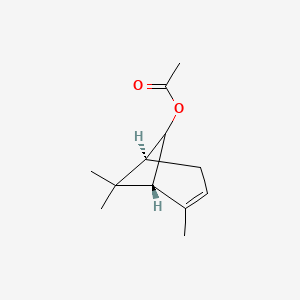
| The Content Variation of Natural Product Induced by Different Factor(s) | |||||||||||||||||||||||||||||||||||||||||||||||||||||||||||||||||||||||||||||||||||||||||
|---|---|---|---|---|---|---|---|---|---|---|---|---|---|---|---|---|---|---|---|---|---|---|---|---|---|---|---|---|---|---|---|---|---|---|---|---|---|---|---|---|---|---|---|---|---|---|---|---|---|---|---|---|---|---|---|---|---|---|---|---|---|---|---|---|---|---|---|---|---|---|---|---|---|---|---|---|---|---|---|---|---|---|---|---|---|---|---|---|---|
| Species Name: Achillea biebersteinii | |||||||||||||||||||||||||||||||||||||||||||||||||||||||||||||||||||||||||||||||||||||||||
| Factor Name: Developmental Stage Variation | [1] | ||||||||||||||||||||||||||||||||||||||||||||||||||||||||||||||||||||||||||||||||||||||||
| Experiment Detail |
Fresh aerial parts of A. biebersteinii were collected in May and June 2009 at different developmental stages (vegetative, floral budding, flowering and fruit set)from its natural habitat in the Dizin zone, northwest of Tehran, Iran (Latitude: 36° 4′ 52″N, Longitude: 51° 22′ 46″ E, Altitude: 2325-2425 m).
Click to Show/Hide
|
||||||||||||||||||||||||||||||||||||||||||||||||||||||||||||||||||||||||||||||||||||||||
| Factor Function |
All oil samples from different plant parts and phenological stages were mostly made up of monoterpenoid compounds (88.6 - 99.6%), especially oxygenated ones (52.4 - 82.4%). The oil of the vegetative stage contained high amounts of limonene, 4a-alpha,7-alpha,7a-alpha-nepetalactone, p-cymene and 1,8-cineole. The major constituents in the flower budding stage oil were found to be limonene, 1,8-cineole and 4aalpha-7beta-7aalpha-nepetalactone. In the oil of the fruit set stage, gamma-terpinene, p-cymene and cis-chrysanthenyl acetate were the predominant constituents. On the other hand, the most important compounds from the stem oil were 4a-alpha,7-alpha,7a-alpha-nepetalactone, 1,8-cineole, 4aalpha-7beta-7aalpha-nepetalactone and camphor. 4aalpha-7alpha-7aalpha-nepetalactone, limonene, 1,8-cineole and cis-p-menth-2-en-1-ol were found in high concentration in the oil of leaves, whereas 4aalpha-7alpha-7aalpha-nepetalactone, 4aalpha-7beta-7aalpha-nepetalactone, limonene and p-cymene were present in large amounts in the oil of flowers.
Click to Show/Hide
|
||||||||||||||||||||||||||||||||||||||||||||||||||||||||||||||||||||||||||||||||||||||||
| Factor | Part | Location | NP Content | ||||||||||||||||||||||||||||||||||||||||||||||||||||||||||||||||||||||||||||||||||||||
|
Aerial part: Fruit Set satge
|
Aerial parts | Tehran, Iran |
NP Content: 4.4 %
|
||||||||||||||||||||||||||||||||||||||||||||||||||||||||||||||||||||||||||||||||||||||
| Species Name: Artemisia absinthium | |||||||||||||||||||||||||||||||||||||||||||||||||||||||||||||||||||||||||||||||||||||||||
| Factor Name: Chemotype Comparison | [2] | ||||||||||||||||||||||||||||||||||||||||||||||||||||||||||||||||||||||||||||||||||||||||
| Experiment Detail |
Ten different plants of wormwood were collected in March 1997 from each one of the following four wild populations in the Spanish Pyrenees: Tallo de Aulet (prov. Huesca) and Pont de Suert, Sort and Farga de Moles (prov. Lleida). In three of the four populations studied, there was another chemotype, with 25-65% of cis-epoxyocimene and 15-50% of chrysanthenyl acetate. This chemotype, called chemotype B, was less frequent in the Pyrenees than the chemotype A, appearing only in 17% of the samples (two samples in TallO de Aulet and in Pont de Suert and three samples in Farga de Moles).
Click to Show/Hide
|
||||||||||||||||||||||||||||||||||||||||||||||||||||||||||||||||||||||||||||||||||||||||
| Factor Function |
Two chemotypes were detected; a cis-epoxyocimene type (with more than 50% of this compound) which was predominant in all the populations, and a cis-epoxyocimene + chrysanthenyl acetate type (with 25-65% of cis-epoxyocimene and 15-50% of chrysanthenyl acetate). The distribution of these chemotypes had no relation with the altitude of the samples.
Click to Show/Hide
|
||||||||||||||||||||||||||||||||||||||||||||||||||||||||||||||||||||||||||||||||||||||||
| Factor | Part | Location | NP Content | ||||||||||||||||||||||||||||||||||||||||||||||||||||||||||||||||||||||||||||||||||||||
|
Chemotype (cis-epoxyocimene + chrysanthenyl acetate type)
|
Leaves | Spain |
NP Content: 33.39 %
|
||||||||||||||||||||||||||||||||||||||||||||||||||||||||||||||||||||||||||||||||||||||
| Species Name: Artemisia ferganensis | |||||||||||||||||||||||||||||||||||||||||||||||||||||||||||||||||||||||||||||||||||||||||
| Factor Name: Developmental Stage Variation | [3] | ||||||||||||||||||||||||||||||||||||||||||||||||||||||||||||||||||||||||||||||||||||||||
| Experiment Detail |
The leaves of aerial parts were collected in Heshuo county of Xinjiang province in China in July 2003 (a vegetative stage), June 2003 (a budding stage); and August 2003 (a flowering stage), respectively.
Click to Show/Hide
|
||||||||||||||||||||||||||||||||||||||||||||||||||||||||||||||||||||||||||||||||||||||||
| Factor Function |
Only 23 constituents were present at the budding stage, while 24 and 26 at the flowering and vegetative stages, respectively. p-Cymene and gamma-terpinene were not detected at the vegetative stage of the plant. During the budding stage, butyric, beta-caryophyllene, geranyl acetate and cis-jasmone could not be detected. Benzaldehyde was observed only at the vegetative stage. Variations were also observed in quantity. In all cases the analyzed oils were characterized by the high concentration of alpha-thujone, ranging in amount from 37.0% at the vegetative stage to 54.8% at the budding stage. The concentration of alpha-thujone at the flowering stage (49.0%) was lower than the budding stage, but higher than the vegetative stage. The concentration of cis-chrysanthenyl acetate varied between 23.5% and 7.2%, respectively, at the vegetative and budding stages. At the vegetative stage the concentration of 1,8-cineole was observed to be the lowest. It was highest at the budding stage, representing 10.4%, then decreased gradually to 8.8% at the flowering stage. The concentration of beta-thujone was relatively low at the vegetative stage, representing 8.6%, and then increased to 10.5% at the budding stage. When flowers appeared it was found to vary a little. Finally, the concentration of sabinyl acetate ranged from 10.2% (vegetative stage) to 6.5% (flowering stage).
Click to Show/Hide
|
||||||||||||||||||||||||||||||||||||||||||||||||||||||||||||||||||||||||||||||||||||||||
| Factor | Part | Location | NP Content | ||||||||||||||||||||||||||||||||||||||||||||||||||||||||||||||||||||||||||||||||||||||
|
Vegetative stage
|
Leaves | Heshuo, Xinjiang, China |
NP Content: 23.5 %
|
||||||||||||||||||||||||||||||||||||||||||||||||||||||||||||||||||||||||||||||||||||||
|
Budding stage
|
Leaves | Heshuo, Xinjiang, China |
NP Content: 7.2 %
|
||||||||||||||||||||||||||||||||||||||||||||||||||||||||||||||||||||||||||||||||||||||
|
Aerial part: Flowering stage
|
Leaves | Heshuo, Xinjiang, China |
NP Content: 13 %
|
||||||||||||||||||||||||||||||||||||||||||||||||||||||||||||||||||||||||||||||||||||||
| Species Name: Ducrosia anethifolia | |||||||||||||||||||||||||||||||||||||||||||||||||||||||||||||||||||||||||||||||||||||||||
| Factor Name: Locality Variation | [4] | ||||||||||||||||||||||||||||||||||||||||||||||||||||||||||||||||||||||||||||||||||||||||
| Experiment Detail |
The aerial parts of Ducrosia anethifolia (DC.) Boiss. were collected in the wild from Mehdi Abad (Kerman province, in southern Iran) at the flowering stage in June 2006. The material was dried at room temperature.
Click to Show/Hide
|
||||||||||||||||||||||||||||||||||||||||||||||||||||||||||||||||||||||||||||||||||||||||
| Factor Function |
The 63 components of this interesting plant were identified in the oil of D. anethifolia, representing 94.0% of the oil. alpha-Pinene (11.6%), terpinolene(3.2%) and (z)-beta-ocimene (2.8%) were the main hydrocarbon components present in the oil, while decanal (54.0%), cis-chrysanthenyl acetate(3.2%) and decanoic acid (1.3%) were the major oxygen-containing constituents.
Click to Show/Hide
|
||||||||||||||||||||||||||||||||||||||||||||||||||||||||||||||||||||||||||||||||||||||||
| Factor | Part | Location | NP Content | ||||||||||||||||||||||||||||||||||||||||||||||||||||||||||||||||||||||||||||||||||||||
|
Locality: Karaj, Iran
|
Aerial parts | Iran |
NP Content: 4.7 %
|
||||||||||||||||||||||||||||||||||||||||||||||||||||||||||||||||||||||||||||||||||||||
|
Locality: Kerman, Iran
|
Aerial parts | Iran |
NP Content: 3.2 %
|
||||||||||||||||||||||||||||||||||||||||||||||||||||||||||||||||||||||||||||||||||||||
| Species Name: Ducrosia assadii | |||||||||||||||||||||||||||||||||||||||||||||||||||||||||||||||||||||||||||||||||||||||||
| Factor Name: Locality Variation | [5] | ||||||||||||||||||||||||||||||||||||||||||||||||||||||||||||||||||||||||||||||||||||||||
| Experiment Detail |
The aerial parts of D. assadii Alava. were collected in the wild from Lalehzar (Kerman Province, in southern Iran) at the flowering stage, in July 2007. The material was dried at room temperature and used for distillation. Distillation: A direct-fired field distillation unit containing a distillation tank (capacity: 1,000 L), a condensation column and receiver, all made of stainless steel, and which can process 30-50 kg of dried aerial parts from the plants/batch, was installed at an altitude of 2600 m (boiling point: 87 ℃). Dried aerial parts from the plants (40 kg) were charged into the distillation unit along with 500 L fresh water and the unit was heated by steam. The system was kept open to atmospheric pressure until the temperature reached to 70 ℃, when the air present in the unit was replaced by the vapor. After complete removal of air from the unit, the air vent was closed and the whole unit was operated as a closed system under pressure to distill the oil. The pressure, temperature and rate of distillation were controlled manually. The process was completed after the collection of 500 L of water distillate. The oil collected in the receiver and dried over anhydrous Na2SO4. Extraction of Ducrosia Second Oil From Ducrosia Water by Redistillation: The seprated distillate water collected in the receiver was redistilled in a 1,000 L still to yield more Doucrosia oil (this oil is known as secondary essential oil, second oil, cooked oil or indirect oil).
Click to Show/Hide
|
||||||||||||||||||||||||||||||||||||||||||||||||||||||||||||||||||||||||||||||||||||||||
| Factor Function |
Fifty components were identified in a second oil of D. assadii from Lalehzar with decanal (35.2%), nonadecane (12%) and citronellyl acetate (11.6%) as the main constituents. The oil from Dehbakrii also contained decanal (36.4%) as the main component of an oil recovered from the distillate water. The results showed that the amount of decanal is remarkably high in the oils of D. assadii.
Click to Show/Hide
|
||||||||||||||||||||||||||||||||||||||||||||||||||||||||||||||||||||||||||||||||||||||||
| Factor | Part | Location | NP Content | ||||||||||||||||||||||||||||||||||||||||||||||||||||||||||||||||||||||||||||||||||||||
|
Locality: Dehbakrii village, Provonce of Kerman, southern Iran
|
Aerial parts | Iran |
NP Content: 6.7 %
|
||||||||||||||||||||||||||||||||||||||||||||||||||||||||||||||||||||||||||||||||||||||
|
Locality: Lalehzar, Kerman Province, southern Iran
|
Aerial parts | Iran |
NP Content: 11.6 %
|
||||||||||||||||||||||||||||||||||||||||||||||||||||||||||||||||||||||||||||||||||||||
| Species Name: Heteropappus altaicus | |||||||||||||||||||||||||||||||||||||||||||||||||||||||||||||||||||||||||||||||||||||||||
| Factor Name: Altitude Variation | [6] | ||||||||||||||||||||||||||||||||||||||||||||||||||||||||||||||||||||||||||||||||||||||||
| Experiment Detail |
Aerial parts of H. altaicus Willd. (Novopokr.) plants were randomly collected from the wild at four different altitudes, as described below, during the 1999-2001 vegetation periods. All the collections of the plant samples were carried out during massive bud formation and the beginning of flowering. Sample # 1 (3.4 kg) was collected on July 14, 1999 from LAT: 53° 05′ LON: 85° 00′, 330 m, Altai Region, Troiszkii Raion, around the village of Taldinka, 4-5 km below the Bolshoi Rechke, facing southwestern Sopki, Tipchakovo-Heteropalusovo-Pavilnaya steppe. Sample # 2 (10.5 kg) was collected on July 28, 1999 from LAT: 51°, LON: 86° 40′, 600 m, Altai Republic, Ongudaiskii Raion, at the right side of the delta of Lake Ursup, surrounding Stepushka village, along the roadside. Sample # 3 (8.5 kg) was collected on July 30, 2000 from LAT: 51° 39′ LON:79° 59′, 120 m of Altaiskii Krai, Litovskii Raion, 2 km southwest of the Ustianka village, along the roadside. Sample # 4 (6.5 kg) was collected on August 2, 2001 at LAT 50° 11′ LON 87° 53′, 1550 m of Altai Republic, Kosh-Agachiskii Raion, 24 km away from Kurai village, towards North-Tchuiskoe mountain chain following the right side of lake Tete where there is a mixture of heavy weeds.
Click to Show/Hide
|
||||||||||||||||||||||||||||||||||||||||||||||||||||||||||||||||||||||||||||||||||||||||
| Factor Function |
The oil obtained from 330 m had alpha-pinene (18.6%), myrcene (18.6%), beta-phellandrene (17.2%), (E)-beta-ocimene (12.9%) and germacrene D (11.9%), while samples from 600 m consisted of myrcene (26.4%), alpha-pinene (23.2%), beta-phellandrene (18.0%), (E)-beta-ocimene (9.9%), germacrene D (4.3%) and sabinene (4.2%). The oil from 120 m had -pinene (22.0%), beta-phellandrene (21.6%), myrcene (19.5%), trans-beta-ocimene (11.3%), germacrene D (7.2%) and limonene (4.5%) as major components. At 1550 m the major components were germacrene D (22.0%), myrcene (18.0%), beta-phellandrene (14.0%), alpha-pinene (11.3%) and (E)-beta-ocimene (9.2%).
Click to Show/Hide
|
||||||||||||||||||||||||||||||||||||||||||||||||||||||||||||||||||||||||||||||||||||||||
| Factor | Part | Location | NP Content | ||||||||||||||||||||||||||||||||||||||||||||||||||||||||||||||||||||||||||||||||||||||
|
Locality: Kosh-Agachiskii Raion, Altai Republic, Russia; Altitude 1550 m
|
Flowers | Altai, Russia |
NP Content: 0.1 %
|
||||||||||||||||||||||||||||||||||||||||||||||||||||||||||||||||||||||||||||||||||||||
| Species Name: Stachys pilifera | |||||||||||||||||||||||||||||||||||||||||||||||||||||||||||||||||||||||||||||||||||||||||
| Factor Name: Locality Variation | [7] | ||||||||||||||||||||||||||||||||||||||||||||||||||||||||||||||||||||||||||||||||||||||||
| Experiment Detail |
Plant material and isolation procedure: Aerial parts of the plant were collected from two regions, from Kazeroon in southern Iran and Shahr-e-kord in western Iran at the time of flowering in June 2002.
Click to Show/Hide
|
||||||||||||||||||||||||||||||||||||||||||||||||||||||||||||||||||||||||||||||||||||||||
| Factor Function |
The main components of the oil of S. pilifera collected from Kazeroon, in southern Iran, were spathulenol (15.8%), cis-chrysanthenol (15.3%), beta-caryophyllene (8.4%) and cis-chrysanthenyl acetate (6.9%), while for the plant collected from Shahr-e-kord, in western Iran, they were cis-chrysanthenyl acetate (21.8%), linalool (18.9%), terpinen-4-ol (11.9%) and cis-chrysanthenol (9.2%).
Click to Show/Hide
|
||||||||||||||||||||||||||||||||||||||||||||||||||||||||||||||||||||||||||||||||||||||||
| Factor | Part | Location | NP Content | ||||||||||||||||||||||||||||||||||||||||||||||||||||||||||||||||||||||||||||||||||||||
|
Locality: Kazeroon, southern Iran
|
Aerial parts | Iran |
NP Content: 6.9 %
|
||||||||||||||||||||||||||||||||||||||||||||||||||||||||||||||||||||||||||||||||||||||
|
Locality: Shahr-e-kord, western Iran
|
Aerial parts | Iran |
NP Content: 21.8 %
|
||||||||||||||||||||||||||||||||||||||||||||||||||||||||||||||||||||||||||||||||||||||
| Species Name: Tanacetum cadmeum ssp. orientale | |||||||||||||||||||||||||||||||||||||||||||||||||||||||||||||||||||||||||||||||||||||||||
| Factor Name: Locality Variation | [8] | ||||||||||||||||||||||||||||||||||||||||||||||||||||||||||||||||||||||||||||||||||||||||
| Experiment Detail |
Plant materials were collected during the flowering period in July 2002 from the Dumluca Mountain in the vicinity of Divrigi village of Sivas city at 1900 m altitude and Saksagan Gorge in Saimbeyli village of Adana city at 1900 m altitude.
Click to Show/Hide
|
||||||||||||||||||||||||||||||||||||||||||||||||||||||||||||||||||||||||||||||||||||||||
| Factor Function |
The flower, stem and root oils of T. cadmeum ssp. orientale collected from the Adana location were characterized with alpha-thujone (25%, 5.2%), cis-linalool oxide (6.8%, 12.8%), trans-chrysanthenyl acetate (5.8%, 8.5%) for flower and stem oils, and beta-eudesmol (10.3%, 6.2%, 13.8%); in addition, stem oil contained 1,8-cineole (6.6%) and root oil contained hexadecanoic acid (6.0%), spathulenol (5.8%) and beta-muurolol (5.3%). The flower and stem oils of T. cadmeum ssp. orientale collected from the Sivas location were characterized with camphor (25.9%, 14.8%), borneol (15.4%, 25.8%) and alpha-thujone (7.8%, 5.5%); in addition, stem oil contained 1,8-cineole (7.4%) and root oil contained nonacosane (16.2%), spathulenol (6.8%) and hexadecanoic acid (5.8%).
Click to Show/Hide
|
||||||||||||||||||||||||||||||||||||||||||||||||||||||||||||||||||||||||||||||||||||||||
| Factor | Part | Location | NP Content | ||||||||||||||||||||||||||||||||||||||||||||||||||||||||||||||||||||||||||||||||||||||
|
Flower: (Locality: Adana, Turkey)
|
Flowers | Adana, Turkey |
NP Content: 4.2 %
|
||||||||||||||||||||||||||||||||||||||||||||||||||||||||||||||||||||||||||||||||||||||
|
Stem: (Locality: Adana, Turkey)
|
Stems | Adana, Turkey |
NP Content: 4.2 %
|
||||||||||||||||||||||||||||||||||||||||||||||||||||||||||||||||||||||||||||||||||||||
|
Root: (Locality: Adana, Turkey)
|
Roots | Adana, Turkey |
NP Content: 1 %
|
||||||||||||||||||||||||||||||||||||||||||||||||||||||||||||||||||||||||||||||||||||||
|
Flower: (Locality: Sivas, Turkey)
|
Flowers | Sivas, Turkey |
NP Content: 1.1 %
|
||||||||||||||||||||||||||||||||||||||||||||||||||||||||||||||||||||||||||||||||||||||
|
Root: (Locality: Sivas, Turkey)
|
Roots | Sivas, Turkey |
NP Content: 0.1 %
|
||||||||||||||||||||||||||||||||||||||||||||||||||||||||||||||||||||||||||||||||||||||
