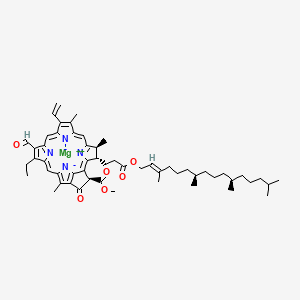
| The Content Variation of Natural Product Induced by Different Factor(s) | |||||||||||||||||||||||||||||||||||||||||||||||||||||||||||||||||||||||||||||||||||||||||
|---|---|---|---|---|---|---|---|---|---|---|---|---|---|---|---|---|---|---|---|---|---|---|---|---|---|---|---|---|---|---|---|---|---|---|---|---|---|---|---|---|---|---|---|---|---|---|---|---|---|---|---|---|---|---|---|---|---|---|---|---|---|---|---|---|---|---|---|---|---|---|---|---|---|---|---|---|---|---|---|---|---|---|---|---|---|---|---|---|---|
| Species Name: Brassica oleracea L., var. italica, cv. Waltham 29 | |||||||||||||||||||||||||||||||||||||||||||||||||||||||||||||||||||||||||||||||||||||||||
| Factor Name: Methyl Jasmonate Treatment; UV Radiation Treatment | [1] | ||||||||||||||||||||||||||||||||||||||||||||||||||||||||||||||||||||||||||||||||||||||||
| Experiment Detail |
Briefly, broccoli seeds (0.5 g per replication) were sanitized for 15 min in sodium hypochlorite (1.5%, v/v), rinsed with Milli-Q water and soaked with aeration overnight in darkness and at room temperature. After pouring off the soaking water, the seeds were spread evenly on standard 200 square cell plug trays (21.38 × 11.05 × 1.75) containing Canadian Sphagnum peat moss previously moistened. Sprouts were grown in a culture room with controlled temperature (25 ℃ ) and a photoperiod regime with cycles of 16 h light and 8 h darkness. Water (control) or a phytohormone solution were atomized every 12 h throughout the experiment.Six trays with broccoli sprouts seeds were prepared for this study, and were assigned for (A) Control (no UV or phytohormone application), (B) UVA treatment, (C) UVB treatment, (D) MJ treatment, (E) UVA + MJ treatment, and (F) UVB + MJ treatment.MJ treatments (D, E and F) were conducted based on Perez-Balibrea et al. with slight adjustments. Briefly, methyl jasmonate (MJ) was dissolved in 0.2% ethanol to obtain a 25 µM solution and applied every 12 h by exogenous spraying 65 mL of 25 µM MJ solution from sowing day until the end of the experiment (8th day after sowing). Due to the volatility of MJ and to avoid the fact that treatment to one tray may result in application to neighboring trays, the MJ solution was applied using physical separation. Control sprouts (A) and sprouts treated with UVA or UVB alone (B and C) were irrigated with the same frequency using 65 mL of Milli-Q water containing 0.04% ethanol.On the 7th day after sowing, UV (B and C) and UV + MJ (E and F) treatments were carried out in special UVA and UVB chambers based on Moreira-Rodriguez et al. with slight adjustments. Chambers used for treatments B and E were equipped with two 40 W UVA lamps (Sylvania F40W T12 BL350, Ledvance LLC., Wilmington, MA, USA), while chambers for treatments C and F consisted of two 40 W UVB lamps (Philips TL 40W/12 RS, Philips, Ljubljana, Slovenia). Trays with broccoli sprouts were placed 30 cm below the irradiation source. All UV treatments consisted of a single exposure for 120 min. The irradiation intensities were determined prior to the experiment as 9.47 and 7.16 W/m2 for UVA and UVB, respectively, using a PMA 2200 radiometer equipped with PMA 2110 UVA and PMA 2106 UVB sensors (Solar Light, Glenside, PA, USA) measuring in the spectral range from 320-400 nm and 280-320 nm, respectively.After UV treatments, trays were returned to culture room and the proper irrigation with water or MJ solution continued for an additional (acclimatization) period of 24 h. Sprouts of all six trays were harvested at the 8th day after sowing, immediately flash-frozen in liquid nitrogen, placed at -80 ℃ , freeze-dried (Labconco, Kansas City, MO, USA), and then ground to a fine powder. Samples were stored at -80 ℃ until further analysis.
Click to Show/Hide
|
||||||||||||||||||||||||||||||||||||||||||||||||||||||||||||||||||||||||||||||||||||||||
| Factor Function |
Simple pre-harvest treatments such as UV radiation, applied alone or in combination with exogenous MJ, can be used as an effective emerging technology that allows the accumulation of specific phytochemicals in broccoli sprouts. Furthermore, results demonstrated that the profile of glucosinolates accumulated in stressed broccoli sprouts could be tailored towards the over-production of most indole glucosinolates by applying 25 µM MJ alone or preferably in combination with a 120 min exposure to UVA or UVB radiation (9.47 and 7.16 W/m2, respectively) 24 h prior harvest. Specifically, a synergistic effect in the accumulation of NGBS was achieved by combining UV and MJ stresses. On the other hand, the production of aliphatic or specific indole glucosinolates can be triggered by UVB supplementation alone. MJ treatments may be applied if an increase in gallic acid, its derivative GAH II, specific sinapic acid derivatives (e.g., 5-SQA) and ferulic acid derivatives (e.g., 1,2-diFG) is desired. However, such increases would be at the expense of the following compounds: GAH I, GTA, diGH, 3-O-H-K, 1-O-S-beta-d-g, sinapoyl malate, sinapic acid, K-3-O-S-so-7-O-g, 1,2-diSG, 1-S-2-FG, the majoritarian isomer of 1,2,2-triSG and 1,2-diS-1-FG; as they were significantly reduced after treatments with MJ. Application of UVA alone may be recommended to accumulate GAH I, 1-O-S-beta-d-g, sinapic acid, gallic acid, K-3-O-S-so-7-O-g, 1-S-2-FG and the second isomer of 1,2,2-triSG. Finally, a single 120 min exposure to UVA radiation should be applied to increase xanthophyll and chlorophyll content in broccoli sprouts.
Click to Show/Hide
|
||||||||||||||||||||||||||||||||||||||||||||||||||||||||||||||||||||||||||||||||||||||||
| Factor | Part | Location | NP Content | ||||||||||||||||||||||||||||||||||||||||||||||||||||||||||||||||||||||||||||||||||||||
|
25 µ Methyl Jasmonate
|
Sprouts | NA |
NP Content: 3174.8 ± 183.9 mg/kg dry weight
|
||||||||||||||||||||||||||||||||||||||||||||||||||||||||||||||||||||||||||||||||||||||
|
Control (no UV or phytohormone application)
|
Sprouts | NA |
NP Content: 6615.2 ± 453.1 mg/kg dry weight
|
||||||||||||||||||||||||||||||||||||||||||||||||||||||||||||||||||||||||||||||||||||||
|
UVA treatment (Irradiation intensities: 9.47 W/m2)
|
Sprouts | NA |
NP Content: 8647.9 ± 803.1 mg/kg dry weight
|
||||||||||||||||||||||||||||||||||||||||||||||||||||||||||||||||||||||||||||||||||||||
|
UVB treatment (Irradiation intensities: 7.16 W/m2)
|
Sprouts | NA |
NP Content: 7547.1 ± 386.2 mg/kg dry weight
|
||||||||||||||||||||||||||||||||||||||||||||||||||||||||||||||||||||||||||||||||||||||
|
UVA + 25 µ Methyl Jasmonate
|
Sprouts | NA |
NP Content: 2947.4 ± 83.8 mg/kg dry weight
|
||||||||||||||||||||||||||||||||||||||||||||||||||||||||||||||||||||||||||||||||||||||
|
UVB + 25 µ Methyl Jasmonate
|
Sprouts | NA |
NP Content: 2259.6 ± 71.1 mg/kg dry weight
|
||||||||||||||||||||||||||||||||||||||||||||||||||||||||||||||||||||||||||||||||||||||
| Species Name: Citrus reticulata | |||||||||||||||||||||||||||||||||||||||||||||||||||||||||||||||||||||||||||||||||||||||||
| Factor Name: ZnSO4 Treatment | [2] | ||||||||||||||||||||||||||||||||||||||||||||||||||||||||||||||||||||||||||||||||||||||||
| Experiment Detail |
One year-old uniform and well-rooted plants (45 cm height) of mandarin orange (raised in sand bed nursery), were transplanted in earthen pots (12″ diameter) filled with well-sieved acid-washed sand. Plants were supplied with 1/10 strength of MS solution (pH 5.6) every alternative day. Seven weeks after transplanting, the stress treatment was applied for 14 weeks until pronounced visual structural indications of stress (e.g., chlorosis of leaves, growth impairment etc.) appeared. On every alternate day, each pot was fed with 500 ml of 1/10 strength MS solution (pH 5.6) together with ZnSO4 solutions containing 1 mM, 2 mM, 3 mM, 4 mM, 5 mM, 10 mM, 15 mM and 20 mM of Zn. Without Zn (0 mM Zn) was served as the control.
Click to Show/Hide
|
||||||||||||||||||||||||||||||||||||||||||||||||||||||||||||||||||||||||||||||||||||||||
| Factor Function |
Zn stress reduced the photosynthetic rate, stomatal conductance, and transpiration along with reduction of chlorophyll a, chlorophyll b, and carotenoids content in leaf.
Click to Show/Hide
|
||||||||||||||||||||||||||||||||||||||||||||||||||||||||||||||||||||||||||||||||||||||||
| Factor | Part | Location | NP Content | ||||||||||||||||||||||||||||||||||||||||||||||||||||||||||||||||||||||||||||||||||||||
|
0 mM ZnSO4 treatment
|
leaf | NA |
NP Content: 531.81 µg/g fresh weight
|
||||||||||||||||||||||||||||||||||||||||||||||||||||||||||||||||||||||||||||||||||||||
|
1 mM ZnSO4 treatment
|
leaf | NA |
NP Content: 573.18 µg/g fresh weight
|
||||||||||||||||||||||||||||||||||||||||||||||||||||||||||||||||||||||||||||||||||||||
|
2 mM ZnSO4 treatment
|
leaf | NA |
NP Content: 623.23 µg/g fresh weight
|
||||||||||||||||||||||||||||||||||||||||||||||||||||||||||||||||||||||||||||||||||||||
|
3 mM ZnSO4 treatment
|
leaf | NA |
NP Content: 658.44 µg/g fresh weight
|
||||||||||||||||||||||||||||||||||||||||||||||||||||||||||||||||||||||||||||||||||||||
|
4 mM ZnSO4 treatment
|
leaf | NA |
NP Content: 699.58 µg/g fresh weight
|
||||||||||||||||||||||||||||||||||||||||||||||||||||||||||||||||||||||||||||||||||||||
|
5 mM ZnSO4 treatment
|
leaf | NA |
NP Content: 723.62 µg/g fresh weight
|
||||||||||||||||||||||||||||||||||||||||||||||||||||||||||||||||||||||||||||||||||||||
|
10 mM ZnSO4 treatment
|
leaf | NA |
NP Content: 650.25 µg/g fresh weight
|
||||||||||||||||||||||||||||||||||||||||||||||||||||||||||||||||||||||||||||||||||||||
|
15 mM ZnSO4 treatment
|
leaf | NA |
NP Content: 555.09 µg/g fresh weight
|
||||||||||||||||||||||||||||||||||||||||||||||||||||||||||||||||||||||||||||||||||||||
|
20 mM ZnSO4 treatment
|
leaf | NA |
NP Content: 452.25 µg/g fresh weight
|
||||||||||||||||||||||||||||||||||||||||||||||||||||||||||||||||||||||||||||||||||||||
| Species Name: Foeniculum vulgare | |||||||||||||||||||||||||||||||||||||||||||||||||||||||||||||||||||||||||||||||||||||||||
| Factor Name: Irradiated Carrageenan Treatment | [3] | ||||||||||||||||||||||||||||||||||||||||||||||||||||||||||||||||||||||||||||||||||||||||
| Experiment Detail |
Irradiation and preparation of carrageenan: Solid material of k-carrageenan (Sigma-Aldrich, USA) was sealed in a glass tube with atmospheric air. The samples of carrageenan were irradiated in Co-60 Gamma Chamber, GC-5000 supplied by BRIT, Mumbai, India, at a dose rate of 2.4 kGy/h. The samples were irradiated to a total dose of 250 kGy. Different aqueous concentrations of IC were finally prepared as spray treatments using double distilled water. Experimental set up and growth analyses: Authentic seeds of fennel were procured from Central Institute of Medicinal and Aromatic Plants (CIMAP), Lucknow, India. The experiment was conducted in randomized block design in earthen pots (25 cm diameter × 25 cm height) in the naturally illuminated environmental conditions in the net house of the Department of Botany, Aligarh Muslim University, Aligarh (27° 53′ N latitude, 78° 51′ E longitude, and 187.45 m altitude). Different concentrations of gamma-irradiated carrageenan solution (40, 60, 80 and 100 mg/L) were applied. Each treatment was replicated four times and each replicate-pot contained two plants. Plants were sprayed three times with IC. The first spray was carried out at 40 days after sowing (DAS), while the second and third sprays were applied after one and two weeks, respectively. Control plants were sprayed with deionized water. Performance of the crop was assessed in terms of growth attributes, physiological and biochemical parameters, essential oil yield and main components of the oil. Growth, physiological and biochemical attributes were determined at flowering stage (70 DAS).
Click to Show/Hide
|
||||||||||||||||||||||||||||||||||||||||||||||||||||||||||||||||||||||||||||||||||||||||
| Factor Function |
Among various concentrations, 80 mg/L of IC gave the best results regarding yield and main components of essential oil of fennel. As compared to the control, it maximally augmented the per-plant yield of essential oil (66.3%) and the contents of main constituents of essential oil, viz. anethole (86.0%) and fenchone (7.82%) at 150 days.
Click to Show/Hide
|
||||||||||||||||||||||||||||||||||||||||||||||||||||||||||||||||||||||||||||||||||||||||
| Factor | Part | Location | NP Content | ||||||||||||||||||||||||||||||||||||||||||||||||||||||||||||||||||||||||||||||||||||||
|
0 mg/L Irradiated carrageenan (Control)
|
Leaves | Lucknow, India |
NP Content: 0.71 ± 0.17 mg/g
|
||||||||||||||||||||||||||||||||||||||||||||||||||||||||||||||||||||||||||||||||||||||
|
40 mg/L Irradiated carrageenan
|
Leaves | Lucknow, India |
NP Content: 0.74 ± 0.11 mg/g
|
||||||||||||||||||||||||||||||||||||||||||||||||||||||||||||||||||||||||||||||||||||||
|
60 mg/L Irradiated carrageenan
|
Leaves | Lucknow, India |
NP Content: 0.76 ± 0.11 mg/g
|
||||||||||||||||||||||||||||||||||||||||||||||||||||||||||||||||||||||||||||||||||||||
|
80 mg/L Irradiated carrageenan
|
Leaves | Lucknow, India |
NP Content: 0.93 ± 0.11 mg/g
|
||||||||||||||||||||||||||||||||||||||||||||||||||||||||||||||||||||||||||||||||||||||
|
100 mg/L Irradiated carrageenan
|
Leaves | Lucknow, India |
NP Content: 79 ± 0.20 mg/g
|
||||||||||||||||||||||||||||||||||||||||||||||||||||||||||||||||||||||||||||||||||||||
| Species Name: Rubus idaeus | |||||||||||||||||||||||||||||||||||||||||||||||||||||||||||||||||||||||||||||||||||||||||
| Factor Name: Cultivar Comparison; Organic Fertilization; Traditional Fertilization | [4] | ||||||||||||||||||||||||||||||||||||||||||||||||||||||||||||||||||||||||||||||||||||||||
| Experiment Detail |
The experiment was carried out in 2013. Leaves of five raspberry cultivars ('Polana', 'Polka', 'Tulameen', 'Laszka' and 'Glen Ample') were collected at the time of cultivation. Three organic and neighborhood conventional farms were used for experimental purposes. From one cultivar (one field plot), 3-4 plants were chosen, which were analyzed separately. One sample consisted of 10 leaves. The farm was treated as a replication. [organic farm no. 1 Localization: akroczym(52° 26″ N 20° 36″ E), Type of Soil: sandy middle soil IVa and IVb category (15% floatable particles) pH 5.5, Kind of Fertilizer: cow manure, Dose of Fertilizers and Time of Given: 35 t/ha one year before raspberry planting, Plant Protection System: Grevit 200 SL; organic farm no. 2 Localization: Zaluski (52° 37″ N 20° 22″ E), Type of Soil: sandy middle soil, sandy-clay IV category (20% floatable particles), pH 5.5, Kind of Fertilizer:cow manure, Dose of Fertilizers and Time of Given: 30 t/ha one year before raspberry planting, Plant Protection System: no protection; organic farm no. 3 Localization: Radzanow(51° 33″ N 20° 51″ E), Type of Soil: sandy middle soil IVa and III category (10% floatable particles), pH 6.0, Kind of Fertilizer:sheep manure, green manure, Dose of Fertilizers and Time of Given: 10 t/ha and 15 t/ha one year before raspberry planting, Plant Protection System: Bioczos 33 SL, Grevit 200 SL; conventional farm no. 1 Localization: Czerwinsk nad Wisla (52° 23″ N 20° 20″ E), Type of Soil: sandy-loamy middle soil IV and III category (20% floatable particles), pH 5.5, Kind of Fertilizer: Hydrocomplex 12-11-18; Superba 8-11-36, Dose of Fertilizers and Time of Given: (200 kg/ha, 150 kg/ha) in autumn a year before raspberry planting; 3 doses in time of cultivation, Plant Protection System: Signum 33 WG, Miros 20 SP; conventional farm no. 2 Localization: Czerwinsk nad Wisla (52° 23″ N 20° 20″ E), Type of Soil: sandy-loamy middle soil IV and III category (25% floatable particles), pH 5.5, Kind of Fertilizer: amonium nitrate, polyphosphate, magnesium sulphate, Dose of Fertilizers and Time of Given: in autumn a year before raspberry planting; 3 doses in time of cultivation, Plant Protection System: Calypso 480 SC, Miros 20 SP, Zato 50 WG; conventional farm no. 3 Localization: Czerwinsk nad Wisla(52° 25″ N 20° 23″ E), Type of Soil: sandy-clay middle soil II and III category (20% floatable particles) pH 6.0, Kind of Fertilizer:Rosafert 5-12-24-3, Dose of Fertilizers and Time of Given: 250 kg/ha in autumn a year before raspberry planting; 4 doses in time of cultivation, Plant Protection System: Calypso 480 SC, Miros 20 SP, Zato 50 WG].
Click to Show/Hide
|
||||||||||||||||||||||||||||||||||||||||||||||||||||||||||||||||||||||||||||||||||||||||
| Factor Function |
Compared with conventional raspberry leaves, organic raspberry leaves were characterized by a significantly higher content of dry matter, total polyphenols, total phenolic acids, chlorogenic acid, caffeic acid, salicylic acid and quercetin-3-O-rutinoside; moreover, the organic leaves were characterized by higher antioxidant activity. Among examined cultivars, 'Polka' c. was characterized by the highest antioxidant status. However, raspberry leaves from conventional farms contained more total carotenoids, violaxanthin, alpha-carotene, beta-carotene, total chlorophyll and individual forms of chlorophylls: a and b.
Click to Show/Hide
|
||||||||||||||||||||||||||||||||||||||||||||||||||||||||||||||||||||||||||||||||||||||||
| Factor | Part | Location | NP Content | ||||||||||||||||||||||||||||||||||||||||||||||||||||||||||||||||||||||||||||||||||||||
|
Cultivation System: organic farm
|
Leaves | Poland |
NP Content: 1.79 ± 0.08 mg/100g fresh weight
|
||||||||||||||||||||||||||||||||||||||||||||||||||||||||||||||||||||||||||||||||||||||
|
Cultivation System: conventional farm
|
Leaves | Poland |
NP Content: 2.43 ± 0.12 mg/100g fresh weight
|
||||||||||||||||||||||||||||||||||||||||||||||||||||||||||||||||||||||||||||||||||||||
|
Rubus idaeus cv. Polana
|
Leaves | Poland |
NP Content: 1.95 ± 0.04 mg/100g fresh weight
|
||||||||||||||||||||||||||||||||||||||||||||||||||||||||||||||||||||||||||||||||||||||
|
Rubus idaeus cv. Polka
|
Leaves | Poland |
NP Content: 2.23 ± 0.19 mg/100g fresh weight
|
||||||||||||||||||||||||||||||||||||||||||||||||||||||||||||||||||||||||||||||||||||||
|
Rubus idaeus cv. Tulameen
|
Leaves | Poland |
NP Content: 1.93 ± 0.14 mg/100g fresh weight
|
||||||||||||||||||||||||||||||||||||||||||||||||||||||||||||||||||||||||||||||||||||||
|
Rubus idaeus cv. Laszka
|
Leaves | Poland |
NP Content: 2.45 ± 0.21 mg/100g fresh weight
|
||||||||||||||||||||||||||||||||||||||||||||||||||||||||||||||||||||||||||||||||||||||
|
Rubus idaeus cv. Glen Ample
|
Leaves | Poland |
NP Content: 2.10 ± 0.26 mg/100g fresh weight
|
||||||||||||||||||||||||||||||||||||||||||||||||||||||||||||||||||||||||||||||||||||||
| Species Name: Zanthoxylum bungeanum | |||||||||||||||||||||||||||||||||||||||||||||||||||||||||||||||||||||||||||||||||||||||||
| Factor Name: Plant community composition; Water Stress Treatment | [5] | ||||||||||||||||||||||||||||||||||||||||||||||||||||||||||||||||||||||||||||||||||||||||
| Experiment Detail |
Study site: The experimental site was located in Mao county eastern Qinghai-Tibet Plateau (31° 41′ N, 103° 53′ E, elevation 1686 m). According to meteorological monitoring data from the Mao County Ecological Station of Chinese Academy of Science, the mean annual precipitation in the area is 920 mm, mean annual temperature is 8.9 ℃ and extreme minimum and maximum temperatures recorded are -11.6 ℃, and 32.2 ℃, respectively. The total precipitation in August is approximately 90 mm, and it is considered as the month with the most rainfall. The soils are classified as Udic Luvisols. Experimental design: A batch of uniform, two-year-old seedlings of Z. bungeanum were planted in April 2013. Six experimental treatments were set up as a randomized design with three replicates, with 18 plots of 2.6 m × 2.6 m spaced at least 1 m apart from each other. The three planting systems were as follows: (1) Z. bungeanum + Glycine max (Z-G); (2) Z. bungeanum + Z. bungeanum + Capsicum annum (Z-C); (3) Z. bungeanum monoculture (Z). G. max and C. annuum were planted in April 2015. One Z. bungeanum was grown in the center of each plot, while species of G. max and C. annuum were planted at the same density (0.27 m2/individual) in all plots. No additional fertilization was applied after the experiment commenced, and the weeds in each plot were completely removed by hand each week. Z. bungeanum and intercrops were grown under natural rainfall before simulating extreme precipitation. In August 2015, we exposed our plots, to the precipitation treatment at random, in which triplicate plots per system received either normal (control) or extreme rainfall. To avoid external rainfall effects, all plots were kept under rainout shelters during the experimental period (from 1″t August to 30th September 2015) to control soil moisture. To minimize greenhouse effects, the rainout shelters for each plot were situated 2 m aboveground. Tap water was used to mimic extreme rainfall events, and a watering pot was used to compensate for rain. Rainfall regimes were designated, based on the average rainfall in the area during August of 3 mm/day (based on the average rainfall data during 1983-2013 from the Mao County Ecological Station of Chinese Academy of Science). This was designed as the control rain regime, while extreme rainfall was designated according to the abnormally high rainfall in August of 9.5 mm/day. Each planting system was first divided into two groups of different treatments: (1) Extreme rainfall (9.5 mm/day) and (2) Mean rainfall (Control, 3.0 mm/day). During the two-month-long experimental period, all the plots were watered in the morning (7-9 am) and evening (6-8 pm). After one month of extreme rainfall and control treatments, the systems were subsequently subjected to one month of recovery with rainfall of 3.0 mm/day. Around all plots, thick PVC panels were inserted to a depth of 0.5 m into the soil to prevent the lateral water movement between the plots and prevent interactions with roots from neighboring plots. Plant leaf collection: At the end of each stage, the youngest fully expanded Z. bungeanum, G. max, and C. annum leaves at the same developmental stage among plots were collected and placed in a liquid nitrogen container.
Click to Show/Hide
|
||||||||||||||||||||||||||||||||||||||||||||||||||||||||||||||||||||||||||||||||||||||||
| Factor Function |
The results indicated that, extreme rainfall had significantly negative impacts on Z. bungeanum in three intercropping systems. However, intercropping with G. max improved the transpiration rate (Tr) and stomatal conductance (Gs), raised leaf relative water content (LRWC), increased chlorophyll a (Chl a) and carotenoid (Car) content, and enhanced the superoxide dismutase activity (SOD) of Z. bungeanum. After recovery, the Z. bungeanum + G. max mixed culture significantly increased soil NO3 -N, improved the intercellular carbon dioxide concentration (Ci) and Tr, upregulated soluble sugar and proline, and enhanced hydrogen peroxidase activity (CAT). Moreover, the higher root biomass of G. max provided much more nitrogen for Z. bungeanum via the return of organic matter. However, intercropping with C. annum significantly increased active oxygen (ROS). Compared with neighboring species, in intercropping systems, G. max could have improved the tolerance of the focal species Z. bungeanum in response to extreme rainfall and its recovery after extreme rainfall.
Click to Show/Hide
|
||||||||||||||||||||||||||||||||||||||||||||||||||||||||||||||||||||||||||||||||||||||||
| Factor | Part | Location | NP Content | ||||||||||||||||||||||||||||||||||||||||||||||||||||||||||||||||||||||||||||||||||||||
|
Zanthoxylum bungeanum: 30 DAS normal rainfall (3.0 mm/day)
|
Leaves | Qinghai-Tibet Plateau, China |
NP Content: 2.25 ± 0.06 mg/g fresh weight
|
||||||||||||||||||||||||||||||||||||||||||||||||||||||||||||||||||||||||||||||||||||||
|
Z. bungeanum: 60 DAS normal rainfall (3.0 mm/day)
|
Leaves | Qinghai-Tibet Plateau, China |
NP Content: 2.02 ± 0.11 mg/g fresh weight
|
||||||||||||||||||||||||||||||||||||||||||||||||||||||||||||||||||||||||||||||||||||||
|
Z. bungeanum: 30 DAS extreme rainfall (9.5 mm/day)
|
Leaves | Qinghai-Tibet Plateau, China |
NP Content: 2.14 ± 0.06 mg/g fresh weight
|
||||||||||||||||||||||||||||||||||||||||||||||||||||||||||||||||||||||||||||||||||||||
|
Z. bungeanum: 30 DAS extreme rainfall (9.5 mm/day) + 30 DAS normal rainfall (3.0 mm/day)
|
Leaves | Qinghai-Tibet Plateau, China |
NP Content: 2.44 ± 0.07 mg/g fresh weight
|
||||||||||||||||||||||||||||||||||||||||||||||||||||||||||||||||||||||||||||||||||||||
|
Zanthoxylum bungeanum and Capsicum annum: 30 DAS normal rainfall (3.0 mm/day)
|
Leaves | Qinghai-Tibet Plateau, China |
NP Content: 2.86 ± 0.22 mg/g fresh weight
|
||||||||||||||||||||||||||||||||||||||||||||||||||||||||||||||||||||||||||||||||||||||
|
Z. bungeanum and C. annum: 60 DAS normal rainfall (3.0 mm/day)
|
Leaves | Qinghai-Tibet Plateau, China |
NP Content: 1.54 ± 0.11 mg/g fresh weight
|
||||||||||||||||||||||||||||||||||||||||||||||||||||||||||||||||||||||||||||||||||||||
|
Z. bungeanum and C. annum: 30 DAS extreme rainfall (9.5 mm/day)
|
Leaves | Qinghai-Tibet Plateau, China |
NP Content: 2.37 ± 0.16 mg/g fresh weight
|
||||||||||||||||||||||||||||||||||||||||||||||||||||||||||||||||||||||||||||||||||||||
|
Z. bungeanum and C. annum: 30 DAS extreme rainfall (9.5 mm/day) + 30 DAS normal rainfall (3.0 mm/day)
|
Leaves | Qinghai-Tibet Plateau, China |
NP Content: 3.24 ± 0.34 mg/g fresh weight
|
||||||||||||||||||||||||||||||||||||||||||||||||||||||||||||||||||||||||||||||||||||||
|
Zanthoxylum bungeanum and Glycine max: 30 DAS normal rainfall (3.0 mm/day)
|
Leaves | Qinghai-Tibet Plateau, China |
NP Content: 1.70 ± 0.30 mg/g fresh weight
|
||||||||||||||||||||||||||||||||||||||||||||||||||||||||||||||||||||||||||||||||||||||
|
Z. bungeanum and G. max: 60 DAS normal rainfall (3.0 mm/day)
|
Leaves | Qinghai-Tibet Plateau, China |
NP Content: 2.10 ± 0.03 mg/g fresh weight
|
||||||||||||||||||||||||||||||||||||||||||||||||||||||||||||||||||||||||||||||||||||||
|
Z. bungeanum and G. max: 30 DAS extreme rainfall (9.5 mm/day)
|
Leaves | Qinghai-Tibet Plateau, China |
NP Content: 2.66 ± 0.12 mg/g fresh weight
|
||||||||||||||||||||||||||||||||||||||||||||||||||||||||||||||||||||||||||||||||||||||
|
Z. bungeanum and G. max: 30 DAS extreme rainfall (9.5 mm/day) + 30 DAS normal rainfall (3.0 mm/day)
|
Leaves | Qinghai-Tibet Plateau, China |
NP Content: 2.31 ± 0.25 mg/g fresh weight
|
||||||||||||||||||||||||||||||||||||||||||||||||||||||||||||||||||||||||||||||||||||||
