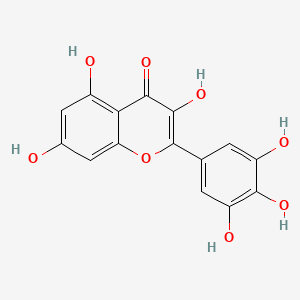
| The Content Variation of Natural Product Induced by Different Factor(s) | |||||||||||||||||||||||||||||||||||||||||||||||||||||||||||||||||||||||||||||||||||||||||
|---|---|---|---|---|---|---|---|---|---|---|---|---|---|---|---|---|---|---|---|---|---|---|---|---|---|---|---|---|---|---|---|---|---|---|---|---|---|---|---|---|---|---|---|---|---|---|---|---|---|---|---|---|---|---|---|---|---|---|---|---|---|---|---|---|---|---|---|---|---|---|---|---|---|---|---|---|---|---|---|---|---|---|---|---|---|---|---|---|---|
| Species Name: Gynostemma pentaphyllum | |||||||||||||||||||||||||||||||||||||||||||||||||||||||||||||||||||||||||||||||||||||||||
| Factor Name: Heat Stress Treatment; CO2 Treatment | [1] | ||||||||||||||||||||||||||||||||||||||||||||||||||||||||||||||||||||||||||||||||||||||||
| Experiment Detail |
The air temperature was controlled at 23/18 ℃ or 28/23 ℃ (day/night). Whilst the CO2 concentration was maintained at 360 or 720 µmol/mol. The temperature and CO2 treatments were randomly assigned in each of the four groups. One G. pentaphyllum plant (5-foliolate) was obtained from Beishan of Jinhua, Zhejiang Province and then planted in Zhejiang Normal University of botany experimental garden. Reproduction of new plants was used by cutting propagation. After 5 years we obtained sufficient plant material for this study. The seedlings were planted in a temperature-controlled greenhouse (24 ℃) from October to December (2014). Prior to treatment in a growth chamber, healthy plants were transplanted into pots (18 cm × 16 cm). The pots were filled with 3 kg of red soil combined with organic fertilizer of peat (19:1, w/w; total of organic matter content is approximately 60 g/kg). 50 plants were moved to each growth chamber. All plants were watered sparingly twice a week with 100 mL of modified Hoagland nutrient solution. The plant samples were evaluated at 60 days after treatment.
Click to Show/Hide
|
||||||||||||||||||||||||||||||||||||||||||||||||||||||||||||||||||||||||||||||||||||||||
| Factor Function |
Elevated CO2 increased the level of total sugars and gypenoside A, but decreased the total antioxidant capacity and main antioxidant compounds in different organs of G. pentaphyllum. Also, TP content at CT was lower than C. Similarly, TP content of leaves significantly decreased at T compared to CK, with a drop of 25.65%. Furthermore, high temperature and elevated CO2 level significantly decreased the TP contents of leaves and stems. These results suggest that elevated CO2 and increased temperature does not favor accumulation of phenolics in G. pentaphyllum organs.
Click to Show/Hide
|
||||||||||||||||||||||||||||||||||||||||||||||||||||||||||||||||||||||||||||||||||||||||
| Factor | Part | Location | NP Content | ||||||||||||||||||||||||||||||||||||||||||||||||||||||||||||||||||||||||||||||||||||||
|
Stem: Elevated CO2 (23/18 ℃, 720 µmol/mol CO2)
|
Stem | Zhejiang Normal University, Zhejiang Province, China |
NP Content: 60.92 mg/g dry weight
|
||||||||||||||||||||||||||||||||||||||||||||||||||||||||||||||||||||||||||||||||||||||
|
Leaf: Elevated CO2 (23/18 ℃, 720 µmol/mol CO2)
|
Leaf | Zhejiang Normal University, Zhejiang Province, China |
NP Content: 36.61 mg/g dry weight
|
||||||||||||||||||||||||||||||||||||||||||||||||||||||||||||||||||||||||||||||||||||||
|
Inflorescence: Elevated CO2 (23/18 ℃, 720 µmol/mol CO2)
|
Inflorescence | Zhejiang Normal University, Zhejiang Province, China |
NP Content: 54.26 mg/g dry weight
|
||||||||||||||||||||||||||||||||||||||||||||||||||||||||||||||||||||||||||||||||||||||
|
Stem: Elevated temperature (28/23 ℃, 360 µmol/mol CO2)
|
Stem | Zhejiang Normal University, Zhejiang Province, China |
NP Content: 56.29 mg/g dry weight
|
||||||||||||||||||||||||||||||||||||||||||||||||||||||||||||||||||||||||||||||||||||||
|
Leaf: Elevated temperature (28/23 ℃, 360 µmol/mol CO2)
|
Leaf | Zhejiang Normal University, Zhejiang Province, China |
NP Content: 3.86 mg/g dry weight
|
||||||||||||||||||||||||||||||||||||||||||||||||||||||||||||||||||||||||||||||||||||||
|
Inflorescence: Elevated temperature (28/23 ℃, 360 µmol/mol CO2)
|
Inflorescence | Zhejiang Normal University, Zhejiang Province, China |
NP Content: 56.93 mg/g dry weight
|
||||||||||||||||||||||||||||||||||||||||||||||||||||||||||||||||||||||||||||||||||||||
|
Stem: Elevated temperature and CO2 (28/23 ℃, 720 µmol/mol CO2)
|
Stem | Zhejiang Normal University, Zhejiang Province, China |
NP Content: 122.84 mg/g dry weight
|
||||||||||||||||||||||||||||||||||||||||||||||||||||||||||||||||||||||||||||||||||||||
|
Leaf: Elevated temperature and CO2 (28/23 ℃, 720 µmol/mol CO2)
|
Leaf | Zhejiang Normal University, Zhejiang Province, China |
NP Content: 68.72 mg/g dry weight
|
||||||||||||||||||||||||||||||||||||||||||||||||||||||||||||||||||||||||||||||||||||||
|
Inflorescence: Elevated temperature and CO2 (28/23 ℃, 720 µmol/mol CO2)
|
Inflorescence | Zhejiang Normal University, Zhejiang Province, China |
NP Content: 60.54 mg/g dry weight
|
||||||||||||||||||||||||||||||||||||||||||||||||||||||||||||||||||||||||||||||||||||||
| Species Name: Rubus idaeus | |||||||||||||||||||||||||||||||||||||||||||||||||||||||||||||||||||||||||||||||||||||||||
| Factor Name: Cultivar Comparison; Organic Fertilization; Traditional Fertilization | [2] | ||||||||||||||||||||||||||||||||||||||||||||||||||||||||||||||||||||||||||||||||||||||||
| Experiment Detail |
The experiment was carried out in 2013. Leaves of five raspberry cultivars ('Polana', 'Polka', 'Tulameen', 'Laszka' and 'Glen Ample') were collected at the time of cultivation. Three organic and neighborhood conventional farms were used for experimental purposes. From one cultivar (one field plot), 3-4 plants were chosen, which were analyzed separately. One sample consisted of 10 leaves. The farm was treated as a replication. [organic farm no. 1 Localization: akroczym(52° 26″ N 20° 36″ E), Type of Soil: sandy middle soil IVa and IVb category (15% floatable particles) pH 5.5, Kind of Fertilizer: cow manure, Dose of Fertilizers and Time of Given: 35 t/ha one year before raspberry planting, Plant Protection System: Grevit 200 SL; organic farm no. 2 Localization: Zaluski (52° 37″ N 20° 22″ E), Type of Soil: sandy middle soil, sandy-clay IV category (20% floatable particles), pH 5.5, Kind of Fertilizer:cow manure, Dose of Fertilizers and Time of Given: 30 t/ha one year before raspberry planting, Plant Protection System: no protection; organic farm no. 3 Localization: Radzanow(51° 33″ N 20° 51″ E), Type of Soil: sandy middle soil IVa and III category (10% floatable particles), pH 6.0, Kind of Fertilizer:sheep manure, green manure, Dose of Fertilizers and Time of Given: 10 t/ha and 15 t/ha one year before raspberry planting, Plant Protection System: Bioczos 33 SL, Grevit 200 SL; conventional farm no. 1 Localization: Czerwinsk nad Wisla (52° 23″ N 20° 20″ E), Type of Soil: sandy-loamy middle soil IV and III category (20% floatable particles), pH 5.5, Kind of Fertilizer: Hydrocomplex 12-11-18; Superba 8-11-36, Dose of Fertilizers and Time of Given: (200 kg/ha, 150 kg/ha) in autumn a year before raspberry planting; 3 doses in time of cultivation, Plant Protection System: Signum 33 WG, Miros 20 SP; conventional farm no. 2 Localization: Czerwinsk nad Wisla (52° 23″ N 20° 20″ E), Type of Soil: sandy-loamy middle soil IV and III category (25% floatable particles), pH 5.5, Kind of Fertilizer: amonium nitrate, polyphosphate, magnesium sulphate, Dose of Fertilizers and Time of Given: in autumn a year before raspberry planting; 3 doses in time of cultivation, Plant Protection System: Calypso 480 SC, Miros 20 SP, Zato 50 WG; conventional farm no. 3 Localization: Czerwinsk nad Wisla(52° 25″ N 20° 23″ E), Type of Soil: sandy-clay middle soil II and III category (20% floatable particles) pH 6.0, Kind of Fertilizer:Rosafert 5-12-24-3, Dose of Fertilizers and Time of Given: 250 kg/ha in autumn a year before raspberry planting; 4 doses in time of cultivation, Plant Protection System: Calypso 480 SC, Miros 20 SP, Zato 50 WG].
Click to Show/Hide
|
||||||||||||||||||||||||||||||||||||||||||||||||||||||||||||||||||||||||||||||||||||||||
| Factor Function |
Compared with conventional raspberry leaves, organic raspberry leaves were characterized by a significantly higher content of dry matter, total polyphenols, total phenolic acids, chlorogenic acid, caffeic acid, salicylic acid and quercetin-3-O-rutinoside; moreover, the organic leaves were characterized by higher antioxidant activity. Among examined cultivars, 'Polka' c. was characterized by the highest antioxidant status. However, raspberry leaves from conventional farms contained more total carotenoids, violaxanthin, alpha-carotene, beta-carotene, total chlorophyll and individual forms of chlorophylls: a and b.
Click to Show/Hide
|
||||||||||||||||||||||||||||||||||||||||||||||||||||||||||||||||||||||||||||||||||||||||
| Factor | Part | Location | NP Content | ||||||||||||||||||||||||||||||||||||||||||||||||||||||||||||||||||||||||||||||||||||||
|
Cultivation System: organic farm
|
Leaves | Poland |
NP Content: 7.84 ± 1.10 mg/100g fresh weight
|
||||||||||||||||||||||||||||||||||||||||||||||||||||||||||||||||||||||||||||||||||||||
|
Cultivation System: conventional farm
|
Leaves | Poland |
NP Content: 6.33 ± 2.78 mg/100g fresh weight
|
||||||||||||||||||||||||||||||||||||||||||||||||||||||||||||||||||||||||||||||||||||||
|
Rubus idaeus cv. Polana
|
Leaves | Poland |
NP Content: 4.46 ± 0.42 mg/100g fresh weight
|
||||||||||||||||||||||||||||||||||||||||||||||||||||||||||||||||||||||||||||||||||||||
|
Rubus idaeus cv. Polka
|
Leaves | Poland |
NP Content: 9.52 ± 1.79 mg/100g fresh weight
|
||||||||||||||||||||||||||||||||||||||||||||||||||||||||||||||||||||||||||||||||||||||
|
Rubus idaeus cv. Tulameen
|
Leaves | Poland |
NP Content: 3.09 ± 0.23 mg/100g fresh weight
|
||||||||||||||||||||||||||||||||||||||||||||||||||||||||||||||||||||||||||||||||||||||
|
Rubus idaeus cv. Laszka
|
Leaves | Poland |
NP Content: 8.48 ± 1.96 mg/100g fresh weight
|
||||||||||||||||||||||||||||||||||||||||||||||||||||||||||||||||||||||||||||||||||||||
|
Rubus idaeus cv. Glen Ample
|
Leaves | Poland |
NP Content: 8.29 ± 1.91 mg/100g fresh weight
|
||||||||||||||||||||||||||||||||||||||||||||||||||||||||||||||||||||||||||||||||||||||
