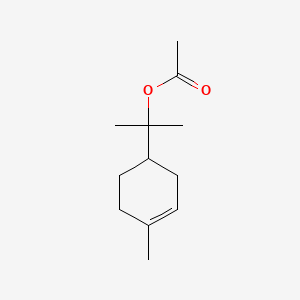
| The Content Variation of Natural Product Induced by Different Factor(s) | |||||||||||||||||||||||||||||||||||||||||||||||||||||||||||||||||||||||||||||||||||||||||
|---|---|---|---|---|---|---|---|---|---|---|---|---|---|---|---|---|---|---|---|---|---|---|---|---|---|---|---|---|---|---|---|---|---|---|---|---|---|---|---|---|---|---|---|---|---|---|---|---|---|---|---|---|---|---|---|---|---|---|---|---|---|---|---|---|---|---|---|---|---|---|---|---|---|---|---|---|---|---|---|---|---|---|---|---|---|---|---|---|---|
| Species Name: Artemisia campestris | |||||||||||||||||||||||||||||||||||||||||||||||||||||||||||||||||||||||||||||||||||||||||
| Factor Name: Locality Variation | [1] | ||||||||||||||||||||||||||||||||||||||||||||||||||||||||||||||||||||||||||||||||||||||||
| Experiment Detail |
The aerial parts (~20 cm, 15-100 g) of A. campestris L. from ten different wild populations of Lithuania were gathered at the full flowering stage. Plant material was dried at room temperature (20-25 ℃). Oils (samples 1-10) obtained from Artemisia campestris plants collected at sampling sites (A-I,Y) characterized by locality, city (c.) or district (d.), soil type (Or, ordo; Sn, sand; Sl, sandy loam; Gr, gravel; Lm, loam) and description of natural habitat (Af, abandoned field; Fe, forest edge; Ct, cutting area; Mw, meadow; Rs, roadside; Rv, river valley): A (1) Birstonas c. (Or, Ct); B (2) Palanga c. (Sn, Fe); C (3) Nociunai, Kedainai d. (Or, Mw); D (4) Alytus c. (Sl, Rs); E (5) Moletai c. (Lm, Af); F (6) Kaltanenai, Sencionys d. (Gr, Fe); G (7) Merkine, Alytus d. (Sl, Ct); H (8) Trakai c. (Gr, Af); I (9) Druskininkai c. (Or, Rv); Y (10) Vilnius c. (Gr, Af).
Click to Show/Hide
|
||||||||||||||||||||||||||||||||||||||||||||||||||||||||||||||||||||||||||||||||||||||||
| Factor Function |
The main chemical profile (ten samples) was characterized by the predominance of germacrene D (9.8-31.2%), while spathulenol, humulene epoxide II and caryophyllene oxide were found as the first major compounds in another three oils. One oil was determined as a mixed chemotype. Some compounds such as gamma-curcumene, alpha-cadinol, (E,E)-alpha-farnesene, beta-ylangene, beta-selinene and humulene epoxide II have been mentioned for the first time among three principal constituents in A. campestris oils. The fifty-six components made up 73.6.1-98.5% of the total content, while the remaining twenty-six volatile compounds were identified in insignificant amounts in the A. campestris essential oils.
Click to Show/Hide
|
||||||||||||||||||||||||||||||||||||||||||||||||||||||||||||||||||||||||||||||||||||||||
| Factor | Part | Location | NP Content | ||||||||||||||||||||||||||||||||||||||||||||||||||||||||||||||||||||||||||||||||||||||
|
Locality: Birstonas city, Lithuania (soil type: ordo; natural habitat: cutting area)
|
Aerial parts | Lithuania |
NP Content: 0.7 %
|
||||||||||||||||||||||||||||||||||||||||||||||||||||||||||||||||||||||||||||||||||||||
|
Locality: Palanga city, Lithuania (soil type: sand; natural habitat: forest edge)
|
Aerial parts | Lithuania |
NP Content: <0.05 %
|
||||||||||||||||||||||||||||||||||||||||||||||||||||||||||||||||||||||||||||||||||||||
|
Locality: Alytus city, Lithuania (soil type: sandy loam; natural habitat: roadside)
|
Aerial parts | Lithuania |
NP Content: 0.5 %
|
||||||||||||||||||||||||||||||||||||||||||||||||||||||||||||||||||||||||||||||||||||||
|
Locality: Moletai city, Lithuania (soil type: loam; natural habitat: abandoned field)
|
Aerial parts | Lithuania |
NP Content: 1 %
|
||||||||||||||||||||||||||||||||||||||||||||||||||||||||||||||||||||||||||||||||||||||
|
Locality: Kaltanenai, Sencionys district, Lithuania (soil type: gravel; natural habitat: forest edge)
|
Aerial parts | Lithuania |
NP Content: 0.6 %
|
||||||||||||||||||||||||||||||||||||||||||||||||||||||||||||||||||||||||||||||||||||||
|
Locality: Merkine, Alytus district, Lithuania (soil type: sandy loam; natural habitat: cutting area)
|
Aerial parts | Lithuania |
NP Content: 0.2 %
|
||||||||||||||||||||||||||||||||||||||||||||||||||||||||||||||||||||||||||||||||||||||
|
Locality: Trakai city, Lithuania (soil type: gravel; natural habitat: abandoned field)
|
Aerial parts | Lithuania |
NP Content: 1.2 %
|
||||||||||||||||||||||||||||||||||||||||||||||||||||||||||||||||||||||||||||||||||||||
|
Locality: Druskininkai city, Lithuania (soil type: ordo; natural habitat: river valley)
|
Aerial parts | Lithuania |
NP Content: 1 %
|
||||||||||||||||||||||||||||||||||||||||||||||||||||||||||||||||||||||||||||||||||||||
|
Locality: Vilnius city, Lithuania (soil type: gravel; natural habitat: abandoned field)
|
Aerial parts | Lithuania |
NP Content: 0.4 %
|
||||||||||||||||||||||||||||||||||||||||||||||||||||||||||||||||||||||||||||||||||||||
| Species Name: Citrus sinensis (Hongjiang) | |||||||||||||||||||||||||||||||||||||||||||||||||||||||||||||||||||||||||||||||||||||||||
| Factor Name: Variety Comparison | [2] | ||||||||||||||||||||||||||||||||||||||||||||||||||||||||||||||||||||||||||||||||||||||||
| Experiment Detail |
Four kinds of fresh sweet oranges were obtained in the same season, November 2000, in Guangzhou. Citrus sinensis var. Hongjiang (called 'hong jiang chen' in Chinese) and C. sinensis Osbeck var. Anliu (called 'luo gang chen') were obtained at an orchard in Luo gang in Guangzhou (25 km from the center of Guangzhou). Citrus sinensis var. Sihui (called 'sihui ju') was harvested at the Shigou Experimental Farm in Sihui City in Guangdong Province (75 km far away from Guangzhou). Citrus sinensis var. Washington navel (called 'qi chen') which was produced in Jiangxi Province (200 km from Guangzhou; bordering Guangdong Province), was purchased at the wholesale market in Guangzhou. All oranges were kept in a cold room until prepared a few days later.
Click to Show/Hide
|
||||||||||||||||||||||||||||||||||||||||||||||||||||||||||||||||||||||||||||||||||||||||
| Factor Function |
The peel oil compositions of four kinds of sweet oranges in China, Citrus sinensis Osbeck var. Hongjian, C. sinensis Osbeck var. Anliu, C. sinensis Osbeck var. Sihui and C. sinensis Osbeck var. Washington navel, were investigated by GC and GC/MS. The essential oils were extracted by cold-pressing method. Forty-two to 53 compounds were quantitatively determined for each variety. Their percentages, respectively, were: > 97.3%, > 98.4%, > 97.5% and > 98.0% in hydrocarbons; > 1.5%, > 0.7%, > 0.8% and > 0.9% in total aldehydes; 0.8%, 0.5%, 0.5% and 0.5% in alcohols. Either cis-or trans-limonene oxide was detected in small amounts in each of the four samples, with Hongjiang containing both limonene oxides. delta-3-Carene was commonly quantified at a level of 0.1% in all the samples. The content of aliphatic aldehydes, including octanal, nonanal, decanal and dodecanal, exceeded that of terpene aldehydes, such as neral and geranial in Hongjiang (0.9%) and Washington navel (0.6%), whereas the aliphatic aldehydes in Anliu and Sihui were present to a lesser degree than the terpene aldehydes. Either alpha- or beta-sinensal was detected in trace amounts in each of the four samples. Linalool was the major alcohol in all the samples. Nootkatone was not detected.
Click to Show/Hide
|
||||||||||||||||||||||||||||||||||||||||||||||||||||||||||||||||||||||||||||||||||||||||
| Factor | Part | Location | NP Content | ||||||||||||||||||||||||||||||||||||||||||||||||||||||||||||||||||||||||||||||||||||||
|
Citrus sinensis var. Hongjiang
|
Fruits | China |
NP Content: > 0.005; < 0.05 %
|
||||||||||||||||||||||||||||||||||||||||||||||||||||||||||||||||||||||||||||||||||||||
|
Citrus sinensis var. Sihui
|
Fruits | China |
NP Content: < 0.005 %
|
||||||||||||||||||||||||||||||||||||||||||||||||||||||||||||||||||||||||||||||||||||||
| Species Name: Cupressus sempervirens | |||||||||||||||||||||||||||||||||||||||||||||||||||||||||||||||||||||||||||||||||||||||||
| Factor Name: Month Variation | [3] | ||||||||||||||||||||||||||||||||||||||||||||||||||||||||||||||||||||||||||||||||||||||||
| Experiment Detail |
The leaves of C. sempervirens were collected in the region of central Dalmatia (Croatia) within 12 months (1999).
Click to Show/Hide
|
||||||||||||||||||||||||||||||||||||||||||||||||||||||||||||||||||||||||||||||||||||||||
| Factor Function |
The oils produced in the autumn (September and October) were found to contain higher amounts of alpha-pinene (71.0% and 79.2%) than the oils produced from February to May (28.4-32.5%). The smallest amount of alpha-pinene (28.4%) was recorded in February, at the same time as the amount of cedrol, the quantitatively most important oxygenated compound, reached its maximum (12.9%).
Click to Show/Hide
|
||||||||||||||||||||||||||||||||||||||||||||||||||||||||||||||||||||||||||||||||||||||||
| Factor | Part | Location | NP Content | ||||||||||||||||||||||||||||||||||||||||||||||||||||||||||||||||||||||||||||||||||||||
|
Harvesting time: January
|
Leaves | Dalmatia, Croatia |
NP Content: 1.5 %
|
||||||||||||||||||||||||||||||||||||||||||||||||||||||||||||||||||||||||||||||||||||||
|
Harvesting time: February
|
Leaves | Dalmatia, Croatia |
NP Content: 4.5 %
|
||||||||||||||||||||||||||||||||||||||||||||||||||||||||||||||||||||||||||||||||||||||
|
Harvesting time: March
|
Leaves | Dalmatia, Croatia |
NP Content: 3.4 %
|
||||||||||||||||||||||||||||||||||||||||||||||||||||||||||||||||||||||||||||||||||||||
|
Harvesting time: April
|
Leaves | Dalmatia, Croatia |
NP Content: 3.1 %
|
||||||||||||||||||||||||||||||||||||||||||||||||||||||||||||||||||||||||||||||||||||||
|
Harvesting time: May
|
Leaves | Dalmatia, Croatia |
NP Content: 3.8 %
|
||||||||||||||||||||||||||||||||||||||||||||||||||||||||||||||||||||||||||||||||||||||
|
Harvesting time: June
|
Leaves | Dalmatia, Croatia |
NP Content: 1.6 %
|
||||||||||||||||||||||||||||||||||||||||||||||||||||||||||||||||||||||||||||||||||||||
|
Harvesting time: July
|
Leaves | Dalmatia, Croatia |
NP Content: 1.4 %
|
||||||||||||||||||||||||||||||||||||||||||||||||||||||||||||||||||||||||||||||||||||||
|
Harvesting time: August
|
Leaves | Dalmatia, Croatia |
NP Content: 2.1 %
|
||||||||||||||||||||||||||||||||||||||||||||||||||||||||||||||||||||||||||||||||||||||
|
Harvesting time: September
|
Leaves | Dalmatia, Croatia |
NP Content: 1 %
|
||||||||||||||||||||||||||||||||||||||||||||||||||||||||||||||||||||||||||||||||||||||
|
Harvesting time: October
|
Leaves | Dalmatia, Croatia |
NP Content: 0.8 %
|
||||||||||||||||||||||||||||||||||||||||||||||||||||||||||||||||||||||||||||||||||||||
|
Harvesting time: November
|
Leaves | Dalmatia, Croatia |
NP Content: 1.4 %
|
||||||||||||||||||||||||||||||||||||||||||||||||||||||||||||||||||||||||||||||||||||||
|
Harvesting time: December
|
Leaves | Dalmatia, Croatia |
NP Content: 1.9 %
|
||||||||||||||||||||||||||||||||||||||||||||||||||||||||||||||||||||||||||||||||||||||
| Species Name: Ducrosia assadii | |||||||||||||||||||||||||||||||||||||||||||||||||||||||||||||||||||||||||||||||||||||||||
| Factor Name: Locality Variation | [4] | ||||||||||||||||||||||||||||||||||||||||||||||||||||||||||||||||||||||||||||||||||||||||
| Experiment Detail |
The aerial parts of D. assadii Alava. were collected in the wild from Lalehzar (Kerman Province, in southern Iran) at the flowering stage, in July 2007. The material was dried at room temperature and used for distillation. Distillation: A direct-fired field distillation unit containing a distillation tank (capacity: 1,000 L), a condensation column and receiver, all made of stainless steel, and which can process 30-50 kg of dried aerial parts from the plants/batch, was installed at an altitude of 2600 m (boiling point: 87 ℃). Dried aerial parts from the plants (40 kg) were charged into the distillation unit along with 500 L fresh water and the unit was heated by steam. The system was kept open to atmospheric pressure until the temperature reached to 70 ℃, when the air present in the unit was replaced by the vapor. After complete removal of air from the unit, the air vent was closed and the whole unit was operated as a closed system under pressure to distill the oil. The pressure, temperature and rate of distillation were controlled manually. The process was completed after the collection of 500 L of water distillate. The oil collected in the receiver and dried over anhydrous Na2SO4. Extraction of Ducrosia Second Oil From Ducrosia Water by Redistillation: The seprated distillate water collected in the receiver was redistilled in a 1,000 L still to yield more Doucrosia oil (this oil is known as secondary essential oil, second oil, cooked oil or indirect oil).
Click to Show/Hide
|
||||||||||||||||||||||||||||||||||||||||||||||||||||||||||||||||||||||||||||||||||||||||
| Factor Function |
Fifty components were identified in a second oil of D. assadii from Lalehzar with decanal (35.2%), nonadecane (12%) and citronellyl acetate (11.6%) as the main constituents. The oil from Dehbakrii also contained decanal (36.4%) as the main component of an oil recovered from the distillate water. The results showed that the amount of decanal is remarkably high in the oils of D. assadii.
Click to Show/Hide
|
||||||||||||||||||||||||||||||||||||||||||||||||||||||||||||||||||||||||||||||||||||||||
| Factor | Part | Location | NP Content | ||||||||||||||||||||||||||||||||||||||||||||||||||||||||||||||||||||||||||||||||||||||
|
Locality: Dehbakrii village, Provonce of Kerman, southern Iran
|
Aerial parts | Iran |
NP Content: 0.5 %
|
||||||||||||||||||||||||||||||||||||||||||||||||||||||||||||||||||||||||||||||||||||||
| Species Name: Eucalyptus urophylla | |||||||||||||||||||||||||||||||||||||||||||||||||||||||||||||||||||||||||||||||||||||||||
| Factor Name: Seasonal Variation | [5] | ||||||||||||||||||||||||||||||||||||||||||||||||||||||||||||||||||||||||||||||||||||||||
| Experiment Detail |
Eucalyptus urophylla and E. grandis were collected in January (summer) and August (winter) 2006 at the mature vegetative state from Goiania city Brazil, and identified by one of the authors (E.P.F.). Leaves from 5-11 randomized individual plants of the same age representing the local population were collected as homogenous samples in each season, dried at room temperature.
Click to Show/Hide
|
||||||||||||||||||||||||||||||||||||||||||||||||||||||||||||||||||||||||||||||||||||||||
| Factor Function |
The results were submitted to Principal Components and Clusters Analysis which enabled four groups of oils to be distinguished with regard to specimens and harvest seasons: clusters I and II with only E. grandis samples collected in the cold and dry winter and the hot and humid summer, which were characterized by a high percentage of isoleptospermone (9.6% and 13.2%), alpha-pinene (12.2% and 24.7%), p-cymene (20.5% and 14.5%), and alpha-terpineol (14.3% and 4.9%), respectively; clusters III and IV only associated with E. urophylla samples collected in summer and winter with 1,8-cineole (36.6% and 44.7%) and alpha-terpinyl acetate (7.0% and 11.7%) rich oils.
Click to Show/Hide
|
||||||||||||||||||||||||||||||||||||||||||||||||||||||||||||||||||||||||||||||||||||||||
| Factor | Part | Location | NP Content | ||||||||||||||||||||||||||||||||||||||||||||||||||||||||||||||||||||||||||||||||||||||
|
Harvesting time: Summer
|
Whole plant | Brazil |
NP Content: 7 %
|
||||||||||||||||||||||||||||||||||||||||||||||||||||||||||||||||||||||||||||||||||||||
|
Harvesting time: Winter
|
Whole plant | Brazil |
NP Content: 11.7 %
|
||||||||||||||||||||||||||||||||||||||||||||||||||||||||||||||||||||||||||||||||||||||
| Species Name: Heteropappus altaicus | |||||||||||||||||||||||||||||||||||||||||||||||||||||||||||||||||||||||||||||||||||||||||
| Factor Name: Altitude Variation | [6] | ||||||||||||||||||||||||||||||||||||||||||||||||||||||||||||||||||||||||||||||||||||||||
| Experiment Detail |
Aerial parts of H. altaicus Willd. (Novopokr.) plants were randomly collected from the wild at four different altitudes, as described below, during the 1999-2001 vegetation periods. All the collections of the plant samples were carried out during massive bud formation and the beginning of flowering. Sample # 1 (3.4 kg) was collected on July 14, 1999 from LAT: 53° 05′ LON: 85° 00′, 330 m, Altai Region, Troiszkii Raion, around the village of Taldinka, 4-5 km below the Bolshoi Rechke, facing southwestern Sopki, Tipchakovo-Heteropalusovo-Pavilnaya steppe. Sample # 2 (10.5 kg) was collected on July 28, 1999 from LAT: 51°, LON: 86° 40′, 600 m, Altai Republic, Ongudaiskii Raion, at the right side of the delta of Lake Ursup, surrounding Stepushka village, along the roadside. Sample # 3 (8.5 kg) was collected on July 30, 2000 from LAT: 51° 39′ LON:79° 59′, 120 m of Altaiskii Krai, Litovskii Raion, 2 km southwest of the Ustianka village, along the roadside. Sample # 4 (6.5 kg) was collected on August 2, 2001 at LAT 50° 11′ LON 87° 53′, 1550 m of Altai Republic, Kosh-Agachiskii Raion, 24 km away from Kurai village, towards North-Tchuiskoe mountain chain following the right side of lake Tete where there is a mixture of heavy weeds.
Click to Show/Hide
|
||||||||||||||||||||||||||||||||||||||||||||||||||||||||||||||||||||||||||||||||||||||||
| Factor Function |
The oil obtained from 330 m had alpha-pinene (18.6%), myrcene (18.6%), beta-phellandrene (17.2%), (E)-beta-ocimene (12.9%) and germacrene D (11.9%), while samples from 600 m consisted of myrcene (26.4%), alpha-pinene (23.2%), beta-phellandrene (18.0%), (E)-beta-ocimene (9.9%), germacrene D (4.3%) and sabinene (4.2%). The oil from 120 m had -pinene (22.0%), beta-phellandrene (21.6%), myrcene (19.5%), trans-beta-ocimene (11.3%), germacrene D (7.2%) and limonene (4.5%) as major components. At 1550 m the major components were germacrene D (22.0%), myrcene (18.0%), beta-phellandrene (14.0%), alpha-pinene (11.3%) and (E)-beta-ocimene (9.2%).
Click to Show/Hide
|
||||||||||||||||||||||||||||||||||||||||||||||||||||||||||||||||||||||||||||||||||||||||
| Factor | Part | Location | NP Content | ||||||||||||||||||||||||||||||||||||||||||||||||||||||||||||||||||||||||||||||||||||||
|
Locality: Kosh-Agachiskii Raion, Altai Republic, Russia; Altitude 1550 m
|
Flowers | Altai, Russia |
NP Content: 0.2 %
|
||||||||||||||||||||||||||||||||||||||||||||||||||||||||||||||||||||||||||||||||||||||
| Species Name: Juniperus thurifera | |||||||||||||||||||||||||||||||||||||||||||||||||||||||||||||||||||||||||||||||||||||||||
| Factor Name: Altitude Variation; High Temperature Treatment | [7] | ||||||||||||||||||||||||||||||||||||||||||||||||||||||||||||||||||||||||||||||||||||||||
| Experiment Detail |
The plant materials were collected for P1: 2900 m, Ait Akak, Oukaimden, Atlas Mts, Morocco, N. Achak, A. Romane and M. Mahroug, 3 trees, ns, 12/12/2003; P2, 2200 m, Plateau of Matat, Atlas Mts, N. Achak, A. Romane and M. Mahroug, 3 trees, ns, 18/03/2003; P3: 2000 m, Foret Islane, Oukaimden, Atlas Mts, N. Achak, A. Romane and M. Mahroug, 3 trees, ns,12/12/2003. A portion of the leaves from each of the three trees (per population) were air dried for 16 days at room temperature (ca. 22 ℃) to produce the dried leaf samples.
Click to Show/Hide
|
||||||||||||||||||||||||||||||||||||||||||||||||||||||||||||||||||||||||||||||||||||||||
| Factor Function |
The oil yields from fresh leaves showed on differences among geographical sources. Air dried leaves appeared to yield more oil at the highest elevation (1.03%, Ait Lkak, 2900 m) than lower sites (0.67%, Plateau of Matat, 2200 m; 0.57%, Foret Islane, 2000 m). The essential oils from each geographic site had very similar composition in fresh versus air dried leaves. The essential oils from provenance Ait Lkak and Plateau of Matat were very similar and characterized by a high sabinene content (21.2, 35.9%), in contrast to 10.% sabinene from the provenance Foret Islane. The oil from Foret Islane had a high delta-cadinene content with 12.7%, whereas Aik Akak and Plateau of Matat contained only 0.6 and 0.8%.
Click to Show/Hide
|
||||||||||||||||||||||||||||||||||||||||||||||||||||||||||||||||||||||||||||||||||||||||
| Factor | Part | Location | NP Content | ||||||||||||||||||||||||||||||||||||||||||||||||||||||||||||||||||||||||||||||||||||||
|
Fresh leaf: (Locality: Ait Lkak, Tensift Al Haouz-Marrakech, Morocco; Altitude 2900 m)
|
Fresh leaves | Ait Lkak, Tensift Al Haouz - Marrakech, Morocco |
NP Content: 0.3 %
|
||||||||||||||||||||||||||||||||||||||||||||||||||||||||||||||||||||||||||||||||||||||
|
Fresh leaf: (Locality: Plateau of Matat, Tensift Al Haouz-Marrakech, Morocco; Altitude 2200 m)
|
Fresh leaves | Plateau of Matat, Tensift Al Haouz - Marrakech, Morocco |
NP Content: 0.3 %
|
||||||||||||||||||||||||||||||||||||||||||||||||||||||||||||||||||||||||||||||||||||||
|
Dry leaf: (Locality: Foret Islane, Tensift Al Haouz-Marrakech, Morocco; Altitude 2000 m)
|
Dry leaves | Foret Islane, Tensift Al Haouz - Marrakech, Morocco |
NP Content: 0.8 %
|
||||||||||||||||||||||||||||||||||||||||||||||||||||||||||||||||||||||||||||||||||||||
|
Dry leaf: (Locality: Ait Lkak, Tensift Al Haouz-Marrakech, Morocco; Altitude 2900 m)
|
Dry leaves | Ait Lkak, Tensift Al Haouz - Marrakech, Morocco |
NP Content: 0.7 %
|
||||||||||||||||||||||||||||||||||||||||||||||||||||||||||||||||||||||||||||||||||||||
|
Dry leaf: (Locality: Plateau of Matat, Tensift Al Haouz-Marrakech, Morocco; Altitude 2200 m)
|
Dry leaves | Plateau of Matat, Tensift Al Haouz - Marrakech, Morocco |
NP Content: 0.6 %
|
||||||||||||||||||||||||||||||||||||||||||||||||||||||||||||||||||||||||||||||||||||||
|
Fresh leaf: (Locality: Foret Islane, Tensift Al Haouz-Marrakech, Morocco; Altitude 2000 m)
|
Fresh leaves | Foret Islane, Tensift Al Haouz - Marrakech, Morocco |
NP Content: 0.3 %
|
||||||||||||||||||||||||||||||||||||||||||||||||||||||||||||||||||||||||||||||||||||||
| Species Name: Melaleuca quinquenervia (Cav.) S.T. Blake | |||||||||||||||||||||||||||||||||||||||||||||||||||||||||||||||||||||||||||||||||||||||||
| Factor Name: Chemotype Comparison | [8] | ||||||||||||||||||||||||||||||||||||||||||||||||||||||||||||||||||||||||||||||||||||||||
| Experiment Detail |
Leaves of M. quinquenervia were collected from January to October at seven different locations across New Caledonia: Yate, Mont Panie, Tiebaghi, Temrock, Farino, Martin and Mont Mou.
Click to Show/Hide
|
||||||||||||||||||||||||||||||||||||||||||||||||||||||||||||||||||||||||||||||||||||||||
| Factor Function |
Niaouli essential oils from New Caledonia were classified into three chemotypes, using principal component analysis (PCA). Of these three chemotypes, found co-occurring in the harvesting locations across the island, chemotype 2, already characterized in Madagascar, is rich in 1,8-cineole (up to 80%) and is widespread (65.4% of the overall samples); chemotype 1 (24.8% of samples) is rich in terpinene derivatives; and chemotype 3 (9.8% of samples) is rich in alpha-pinene and viridiflorol.
Click to Show/Hide
|
||||||||||||||||||||||||||||||||||||||||||||||||||||||||||||||||||||||||||||||||||||||||
| Factor | Part | Location | NP Content | ||||||||||||||||||||||||||||||||||||||||||||||||||||||||||||||||||||||||||||||||||||||
|
Chemotype (terpinene type)
|
Leaves | New Caledonia |
NP Content: 0 - 5 %
|
||||||||||||||||||||||||||||||||||||||||||||||||||||||||||||||||||||||||||||||||||||||
|
Chemotype (1,8-cineole type)
|
Leaves | New Caledonia |
NP Content: 0 - 11.4 %
|
||||||||||||||||||||||||||||||||||||||||||||||||||||||||||||||||||||||||||||||||||||||
|
Chemotype (virdiflorol type)
|
Leaves | New Caledonia |
NP Content: 0 - 0.5 %
|
||||||||||||||||||||||||||||||||||||||||||||||||||||||||||||||||||||||||||||||||||||||
| Species Name: Mentha spicata | |||||||||||||||||||||||||||||||||||||||||||||||||||||||||||||||||||||||||||||||||||||||||
| Factor Name: Month Variation | [9] | ||||||||||||||||||||||||||||||||||||||||||||||||||||||||||||||||||||||||||||||||||||||||
| Experiment Detail |
Plant material: Leaves of M. spicata plants were collected from a wild population of Mt. Pangeon (alt. 600 m, 40° 55′ N/ 24° 12′ E). Collections were conducted every month during the growing period (April to October).
Click to Show/Hide
|
||||||||||||||||||||||||||||||||||||||||||||||||||||||||||||||||||||||||||||||||||||||||
| Factor Function |
The oil content ranged from 0.1-1.8%, with the maximum values in late summer/early autumn. The essential oil obtained from the leaves was characterized by a very high content in linalool, i.e. 85.0-93.9% of the total oil (highest percentage in mid-autumn). Other oil constituents occurring in much lower amounts were germacrene D (up to 4.2%), beta-caryophyllene (up to 2.6%) and 1,8-cineole (up to 2.1%).
Click to Show/Hide
|
||||||||||||||||||||||||||||||||||||||||||||||||||||||||||||||||||||||||||||||||||||||||
| Factor | Part | Location | NP Content | ||||||||||||||||||||||||||||||||||||||||||||||||||||||||||||||||||||||||||||||||||||||
|
Harvesting time: May
|
Leaves | Greece |
NP Content: <0.05 %
|
||||||||||||||||||||||||||||||||||||||||||||||||||||||||||||||||||||||||||||||||||||||
|
Harvesting time: June
|
Leaves | Greece |
NP Content: 0.1 %
|
||||||||||||||||||||||||||||||||||||||||||||||||||||||||||||||||||||||||||||||||||||||
|
Harvesting time: August
|
Leaves | Greece |
NP Content: 0.1 %
|
||||||||||||||||||||||||||||||||||||||||||||||||||||||||||||||||||||||||||||||||||||||
|
Harvesting time: September
|
Leaves | Greece |
NP Content: <0.05 %
|
||||||||||||||||||||||||||||||||||||||||||||||||||||||||||||||||||||||||||||||||||||||
| Species Name: Myrtus communis var. italica | |||||||||||||||||||||||||||||||||||||||||||||||||||||||||||||||||||||||||||||||||||||||||
| Factor Name: Month Variation | [10] | ||||||||||||||||||||||||||||||||||||||||||||||||||||||||||||||||||||||||||||||||||||||||
| Experiment Detail |
Myrtle (M. communis var. italica) aerial parts were collected monthly during 2006-2007 from Jbal Stara of Haouaria region in North Tunisia, belonging to a subhumid bioclimate.
Click to Show/Hide
|
||||||||||||||||||||||||||||||||||||||||||||||||||||||||||||||||||||||||||||||||||||||||
| Factor Function |
In conclusion, high fluctuations were observed in the oil yields and composition of different parts of Myrtus communis var. italica during all the collecting periods. They could be explained by genetic and environmental factors. Moreover, significant differences were revealed in the main oil compounds. alpha-Pinene percentages showed the most remarkable changes among the different part oils. So, leaf oils contained more alpha-pinene than those of the fruits and stems during the myrtle vegetative cycle.
Click to Show/Hide
|
||||||||||||||||||||||||||||||||||||||||||||||||||||||||||||||||||||||||||||||||||||||||
| Factor | Part | Location | NP Content | ||||||||||||||||||||||||||||||||||||||||||||||||||||||||||||||||||||||||||||||||||||||
|
Leaf: (Harvesting time: January)
|
Leaves | Tunisia |
NP Content: 0.1 %
|
||||||||||||||||||||||||||||||||||||||||||||||||||||||||||||||||||||||||||||||||||||||
|
Leaf: (Harvesting time: February)
|
Leaves | Tunisia |
NP Content: 2.6 %
|
||||||||||||||||||||||||||||||||||||||||||||||||||||||||||||||||||||||||||||||||||||||
|
Leaf: (Harvesting time: March)
|
Leaves | Tunisia |
NP Content: 0.5 %
|
||||||||||||||||||||||||||||||||||||||||||||||||||||||||||||||||||||||||||||||||||||||
|
Leaf: (Harvesting time: April)
|
Leaves | Tunisia |
NP Content: 0.2 %
|
||||||||||||||||||||||||||||||||||||||||||||||||||||||||||||||||||||||||||||||||||||||
|
Leaf: (Harvesting time: May)
|
Leaves | Tunisia |
NP Content: 0.7 %
|
||||||||||||||||||||||||||||||||||||||||||||||||||||||||||||||||||||||||||||||||||||||
|
Leaf: (Harvesting time: June)
|
Leaves | Tunisia |
NP Content: 0.2 %
|
||||||||||||||||||||||||||||||||||||||||||||||||||||||||||||||||||||||||||||||||||||||
|
Leaf: (Harvesting time: July)
|
Leaves | Tunisia |
NP Content: 0.4 %
|
||||||||||||||||||||||||||||||||||||||||||||||||||||||||||||||||||||||||||||||||||||||
|
Leaf: (Harvesting time: August)
|
Leaves | Tunisia |
NP Content: 0.1 %
|
||||||||||||||||||||||||||||||||||||||||||||||||||||||||||||||||||||||||||||||||||||||
|
Leaf: (Harvesting time: September)
|
Leaves | Tunisia |
NP Content: 4.2 %
|
||||||||||||||||||||||||||||||||||||||||||||||||||||||||||||||||||||||||||||||||||||||
|
Leaf: (Harvesting time: October)
|
Leaves | Tunisia |
NP Content: 3.3 %
|
||||||||||||||||||||||||||||||||||||||||||||||||||||||||||||||||||||||||||||||||||||||
|
Leaf: (Harvesting time: November)
|
Leaves | Tunisia |
NP Content: 0.1 %
|
||||||||||||||||||||||||||||||||||||||||||||||||||||||||||||||||||||||||||||||||||||||
|
Leaf: (Harvesting time: December)
|
Leaves | Tunisia |
NP Content: 0.2 %
|
||||||||||||||||||||||||||||||||||||||||||||||||||||||||||||||||||||||||||||||||||||||
|
Fruit: (Harvesting time: January)
|
Fruits | Tunisia |
NP Content: 0.8 %
|
||||||||||||||||||||||||||||||||||||||||||||||||||||||||||||||||||||||||||||||||||||||
|
Fruit: (Harvesting time: August)
|
Fruits | Tunisia |
NP Content: 0.9 %
|
||||||||||||||||||||||||||||||||||||||||||||||||||||||||||||||||||||||||||||||||||||||
|
Fruit: (Harvesting time: September)
|
Fruits | Tunisia |
NP Content: 8.9 %
|
||||||||||||||||||||||||||||||||||||||||||||||||||||||||||||||||||||||||||||||||||||||
|
Fruit: (Harvesting time: October)
|
Fruits | Tunisia |
NP Content: 2.1 %
|
||||||||||||||||||||||||||||||||||||||||||||||||||||||||||||||||||||||||||||||||||||||
|
Fruit: (Harvesting time: November)
|
Fruits | Tunisia |
NP Content: 3.7 %
|
||||||||||||||||||||||||||||||||||||||||||||||||||||||||||||||||||||||||||||||||||||||
|
Fruit: (Harvesting time: December)
|
Fruits | Tunisia |
NP Content: 4.2 %
|
||||||||||||||||||||||||||||||||||||||||||||||||||||||||||||||||||||||||||||||||||||||
|
Stem: (Harvesting time: January)
|
Stems | Tunisia |
NP Content: 2.6 %
|
||||||||||||||||||||||||||||||||||||||||||||||||||||||||||||||||||||||||||||||||||||||
|
Stem: (Harvesting time: February)
|
Stems | Tunisia |
NP Content: 2.6 %
|
||||||||||||||||||||||||||||||||||||||||||||||||||||||||||||||||||||||||||||||||||||||
|
Stem: (Harvesting time: March)
|
Stems | Tunisia |
NP Content: 3.3 %
|
||||||||||||||||||||||||||||||||||||||||||||||||||||||||||||||||||||||||||||||||||||||
|
Stem: (Harvesting time: April)
|
Stems | Tunisia |
NP Content: 4 %
|
||||||||||||||||||||||||||||||||||||||||||||||||||||||||||||||||||||||||||||||||||||||
|
Stem: (Harvesting time: May)
|
Stems | Tunisia |
NP Content: 2.8 %
|
||||||||||||||||||||||||||||||||||||||||||||||||||||||||||||||||||||||||||||||||||||||
|
Stem: (Harvesting time: June)
|
Stems | Tunisia |
NP Content: 6 %
|
||||||||||||||||||||||||||||||||||||||||||||||||||||||||||||||||||||||||||||||||||||||
|
Stem: (Harvesting time: July)
|
Stems | Tunisia |
NP Content: 3.3 %
|
||||||||||||||||||||||||||||||||||||||||||||||||||||||||||||||||||||||||||||||||||||||
|
Stem: (Harvesting time: August)
|
Stems | Tunisia |
NP Content: 0.6 %
|
||||||||||||||||||||||||||||||||||||||||||||||||||||||||||||||||||||||||||||||||||||||
|
Stem: (Harvesting time: September)
|
Stems | Tunisia |
NP Content: 9.4 %
|
||||||||||||||||||||||||||||||||||||||||||||||||||||||||||||||||||||||||||||||||||||||
|
Stem: (Harvesting time: October)
|
Stems | Tunisia |
NP Content: 5.8 %
|
||||||||||||||||||||||||||||||||||||||||||||||||||||||||||||||||||||||||||||||||||||||
|
Stem: (Harvesting time: November)
|
Stems | Tunisia |
NP Content: 6.8 %
|
||||||||||||||||||||||||||||||||||||||||||||||||||||||||||||||||||||||||||||||||||||||
|
Stem: (Harvesting time: December)
|
Stems | Tunisia |
NP Content: 5.3 %
|
||||||||||||||||||||||||||||||||||||||||||||||||||||||||||||||||||||||||||||||||||||||
| Species Name: Persea americana | |||||||||||||||||||||||||||||||||||||||||||||||||||||||||||||||||||||||||||||||||||||||||
| Factor Name: Variety Comparison; Locality Variation | [11] | ||||||||||||||||||||||||||||||||||||||||||||||||||||||||||||||||||||||||||||||||||||||||
| Experiment Detail |
Experimental: Two hundred grams of healthy mature intact leaves were harvested from each of the taxa growing on their own rootstocks at the UC South Coast Research and Extension Center. flocc = P. americana var. floccosa from Mexico D-7; stey = P. americana var. steyermarkii from Mexico El Salvador 3-22-16; nubi = P. americana var. nubigena from Guatemala 45-C-1; mex = P. americena var. drymfolia from Tasco, Mexico; guat = P. americana var. guatemalensis cult. Nimlioh from Florida; bwl = P. ameticana var. americana cult. Trapp from Florida.
Click to Show/Hide
|
||||||||||||||||||||||||||||||||||||||||||||||||||||||||||||||||||||||||||||||||||||||||
| Factor Function |
Analysis of oils showed the presence of over 90 components, of which 76 were identified. P. schiedeana oil was found to contain alpha-pinene (23.7%), beta-pinene (23.2%) and beta-caryophyllene as major components. The major constituents of P. americana var. floccosa and P. americana var. steyermarkii were alpha-pinene (10.9%, 7.6%), beta-pinene (20.6%, 10.4%), alpha-terpineol (9.6%, 7.9%), beta-caryophyllene (12.6%, 8.4%), viridiflorene (0.1%, 10.3%) and globulol (0.1%, 9.2%), respectively. The oils of P. americana var. nubigena and P. americana var. drymifolia contained alpha-terpineol (18.4%, 393%) and methylchavicol (12.4%, 40.2%), as major components, respectively. P. americana var. guatemalensis was found to be rich in beta-caryophyllene (38.3%), while the oils of P. americana var. americana and P. primatogena contained alpha-pinene (27.5%) and beta-pinene (40.9%), and alpha-pinene (24.6%), beta-caryophyllene (20.7%) and germacene D (10.1%).
Click to Show/Hide
|
||||||||||||||||||||||||||||||||||||||||||||||||||||||||||||||||||||||||||||||||||||||||
| Factor | Part | Location | NP Content | ||||||||||||||||||||||||||||||||||||||||||||||||||||||||||||||||||||||||||||||||||||||
|
Persea americana var. floccosa (Locality: Mexico)
|
Leaves | Mexico |
NP Content: 0.2 %
|
||||||||||||||||||||||||||||||||||||||||||||||||||||||||||||||||||||||||||||||||||||||
|
Persea americana var. guatemalensis cv. Nimlioh (Locality: Florida)
|
Leaves | Florida, USA |
NP Content: 0.1 %
|
||||||||||||||||||||||||||||||||||||||||||||||||||||||||||||||||||||||||||||||||||||||
|
Persea americana var. steyermarkii (Locality: Mexico El Salvador)
|
Leaves | Mexico El Salvador |
NP Content: 0.1 %
|
||||||||||||||||||||||||||||||||||||||||||||||||||||||||||||||||||||||||||||||||||||||
| Species Name: Pinus sylvestris | |||||||||||||||||||||||||||||||||||||||||||||||||||||||||||||||||||||||||||||||||||||||||
| Factor Name: Locality Variation | [12] | ||||||||||||||||||||||||||||||||||||||||||||||||||||||||||||||||||||||||||||||||||||||||
| Experiment Detail |
The branches of pine were collected in July, 1996 in 15 different locations in Lithuania in the following regions: Western part (Silute, Jurbarkas, Kursiu Nerija), Eastern part (Salcininkai, Zarasai, Moletai), Southern part (Varena, Trakai, Radviliskis) and central part (Ukmerge, Jonava, Kaisiadorys). The branches in each location were collected from the trees in approximately 1 km radius.
Click to Show/Hide
|
||||||||||||||||||||||||||||||||||||||||||||||||||||||||||||||||||||||||||||||||||||||||
| Factor Function |
More than 70 constituents were identified (64 positively and 10 tentatively) in the oils. alpha-Pinene (18.5-33.0%) and delta-3-carene (9.1-24.6%) were dominating constituents with the only one exception when the germacrene-4-ol content in one of the samples was 13.2%. The important bornyl acetate content varied from 0.5% to 3.0%. The main sesquiterpenes were beta-caryophyllene, germacrene D, bicyclogermacrene, delta-cadinene, gamma-cadinene, germacrene D-4-ol, cubenol (2.0-5.1%) and alpha-cadinol (1.9-7.7%).
Click to Show/Hide
|
||||||||||||||||||||||||||||||||||||||||||||||||||||||||||||||||||||||||||||||||||||||||
| Factor | Part | Location | NP Content | ||||||||||||||||||||||||||||||||||||||||||||||||||||||||||||||||||||||||||||||||||||||
|
Locality: Jonava, Lithuania
|
Branches | Jonava, Lithuania |
NP Content: 0.2 %
|
||||||||||||||||||||||||||||||||||||||||||||||||||||||||||||||||||||||||||||||||||||||
|
Locality: Jurbarkas, Lithuania
|
Branches | Jurbarkas, Lithuania |
NP Content: 1.2 %
|
||||||||||||||||||||||||||||||||||||||||||||||||||||||||||||||||||||||||||||||||||||||
|
Locality: Kaisiadorys, Lithuania
|
Branches | Kaisiadorys, Lithuania |
NP Content: 0.3 %
|
||||||||||||||||||||||||||||||||||||||||||||||||||||||||||||||||||||||||||||||||||||||
|
Locality: Moletai, Lithuania
|
Branches | Moletai, Lithuania |
NP Content: 0.4 %
|
||||||||||||||||||||||||||||||||||||||||||||||||||||||||||||||||||||||||||||||||||||||
|
Locality: Neringa (Smiltyne), Lithuania
|
Branches | Neringa (Smiltyne), Lithuania |
NP Content: 0.2 %
|
||||||||||||||||||||||||||||||||||||||||||||||||||||||||||||||||||||||||||||||||||||||
|
Locality: Radviliskis, Lithuania
|
Branches | Radviliskis, Lithuania |
NP Content: 0.3 %
|
||||||||||||||||||||||||||||||||||||||||||||||||||||||||||||||||||||||||||||||||||||||
|
Locality: Salacininkai, Lithuania
|
Branches | Salacininkai, Lithuania |
NP Content: 0.2 %
|
||||||||||||||||||||||||||||||||||||||||||||||||||||||||||||||||||||||||||||||||||||||
|
Locality: Silute, Lithuania
|
Branches | Silute, Lithuania |
NP Content: 0.05 %
|
||||||||||||||||||||||||||||||||||||||||||||||||||||||||||||||||||||||||||||||||||||||
|
Locality: Trakai, Lithuania
|
Branches | Trakai, Lithuania |
NP Content: 0.1 %
|
||||||||||||||||||||||||||||||||||||||||||||||||||||||||||||||||||||||||||||||||||||||
|
Locality: Ukmerge, Lithuania
|
Branches | Ukmerge, Lithuania |
NP Content: 0.2 %
|
||||||||||||||||||||||||||||||||||||||||||||||||||||||||||||||||||||||||||||||||||||||
|
Locality: Varena, Lithuania
|
Branches | Varena, Lithuania |
NP Content: 0.3 %
|
||||||||||||||||||||||||||||||||||||||||||||||||||||||||||||||||||||||||||||||||||||||
|
Locality: Vilnius, Lithuania
|
Branches | Vilnius, Lithuania |
NP Content: 0.2 %
|
||||||||||||||||||||||||||||||||||||||||||||||||||||||||||||||||||||||||||||||||||||||
|
Locality: Zarasai, Lithuania
|
Branches | Zarasai, Lithuania |
NP Content: 0.3 %
|
||||||||||||||||||||||||||||||||||||||||||||||||||||||||||||||||||||||||||||||||||||||
|
Locality: Zarsai (lmbradas), Lithuania
|
Branches | Zarsai (lmbradas), Lithuania |
NP Content: 0.4 %
|
||||||||||||||||||||||||||||||||||||||||||||||||||||||||||||||||||||||||||||||||||||||
|
Locality: Zarasai (Sunele), Lithuania
|
Branches | Zarasai (Sunele), Lithuania |
NP Content: 0.1 %
|
||||||||||||||||||||||||||||||||||||||||||||||||||||||||||||||||||||||||||||||||||||||
| Species Name: Piper nigrum | |||||||||||||||||||||||||||||||||||||||||||||||||||||||||||||||||||||||||||||||||||||||||
| Factor Name: Cultivar Comparison; Harvest Time Variation | [13] | ||||||||||||||||||||||||||||||||||||||||||||||||||||||||||||||||||||||||||||||||||||||||
| Experiment Detail |
The cultivars selected for this study are Sreekara, Vellanamban and one Indonesian cultivar Kutching grown in Kerala. These cultivars are commonly cultivated in the northern parts of Kerala. The fresh berries of the authenticated cultivars were collected from Indian Institute of Spices Research, Calicut and were dried in a cross flow drier at 45 ℃ and taken for the analysis.
Click to Show/Hide
|
||||||||||||||||||||||||||||||||||||||||||||||||||||||||||||||||||||||||||||||||||||||||
| Factor Function |
The main components of vellanamban oil were sabinene (3.9-18.8%), beta-pinene (3.9-10.9%), limonene (8.3-19.8%) and beta-caryophyllene (28.4- 32.9%). Sreekara oil contained as major compounds beta-pinene (0-11.2%), limonene (20.1-22.1%) and beta-caryophyllene (16.8-23.1 %). Kutching oil contained alpha-pinene(2.3-5.4%), sabinene (6.7-13.3%), limonene (14.5-17.5%) and beta-caryophyllene (20.8-39.1%).
Click to Show/Hide
|
||||||||||||||||||||||||||||||||||||||||||||||||||||||||||||||||||||||||||||||||||||||||
| Factor | Part | Location | NP Content | ||||||||||||||||||||||||||||||||||||||||||||||||||||||||||||||||||||||||||||||||||||||
|
Piper nigrum cv. Kuching: (Harvesting time: 1990)
|
Berries | India |
NP Content: 1.7 %
|
||||||||||||||||||||||||||||||||||||||||||||||||||||||||||||||||||||||||||||||||||||||
|
Piper nigrum cv. Kuching: (Harvesting time: 1991)
|
Berries | India |
NP Content: 0.8 %
|
||||||||||||||||||||||||||||||||||||||||||||||||||||||||||||||||||||||||||||||||||||||
|
Piper nigrum cv. Sreekara: (Harvesting time: 1990)
|
Berries | India |
NP Content: 0.2 %
|
||||||||||||||||||||||||||||||||||||||||||||||||||||||||||||||||||||||||||||||||||||||
|
Piper nigrum cv. Sreekara: (Harvesting time: 1991)
|
Berries | India |
NP Content: 0.2 %
|
||||||||||||||||||||||||||||||||||||||||||||||||||||||||||||||||||||||||||||||||||||||
|
Piper nigrum cv. Sreekara: (Harvesting time: 1992)
|
Berries | India |
NP Content: 0.2 %
|
||||||||||||||||||||||||||||||||||||||||||||||||||||||||||||||||||||||||||||||||||||||
|
Piper nigrum cv. Vellanamban: (Harvesting time: 1990)
|
Berries | India |
NP Content: 0.4 %
|
||||||||||||||||||||||||||||||||||||||||||||||||||||||||||||||||||||||||||||||||||||||
|
Piper nigrum cv. Vellanamban: (Harvesting time: 1991)
|
Berries | India |
NP Content: 0.1 %
|
||||||||||||||||||||||||||||||||||||||||||||||||||||||||||||||||||||||||||||||||||||||
|
Piper nigrum cv. Vellanamban: (Harvesting time: 1992)
|
Berries | India |
NP Content: 0.2 %
|
||||||||||||||||||||||||||||||||||||||||||||||||||||||||||||||||||||||||||||||||||||||
| Species Name: Salvia aucheri | |||||||||||||||||||||||||||||||||||||||||||||||||||||||||||||||||||||||||||||||||||||||||
| Factor Name: Variety Comparison | [14] | ||||||||||||||||||||||||||||||||||||||||||||||||||||||||||||||||||||||||||||||||||||||||
| Experiment Detail |
S. aucheri var. aucheri was collected in Karaman: Ermenek to Mutt Road on July 19,1995; Salvia aucheri var. canescens was collected in Karaman: Ermenek, Tekecati Valley on July 19,1995.
Click to Show/Hide
|
||||||||||||||||||||||||||||||||||||||||||||||||||||||||||||||||||||||||||||||||||||||||
| Factor Function |
Eighty components were characterized in the Salvia aucheri var. aucheri oil, with camphor (21.1%), 1, 8-cineole (20.3%), borneol (7.8%), spathulenol (6.3%) and camphene (5.3%) as major constituents. 1, 8-Cineole (25.2%), camphor (17.9%), borneol (10.6%), alpha-pinene (5.4%) and camphene (5.3%) were identified as major constituents among the 88 components characterized in the oil of Salvia aucheri var. canescens.
Click to Show/Hide
|
||||||||||||||||||||||||||||||||||||||||||||||||||||||||||||||||||||||||||||||||||||||||
| Factor | Part | Location | NP Content | ||||||||||||||||||||||||||||||||||||||||||||||||||||||||||||||||||||||||||||||||||||||
|
Salvia aucheri var. aucheri
|
Aerial parts | Karaman, Turkey |
NP Content: 0.6 %
|
||||||||||||||||||||||||||||||||||||||||||||||||||||||||||||||||||||||||||||||||||||||
|
Salvia aucheri var. canescens
|
Aerial parts | Karaman, Turkey |
NP Content: 0.7 %
|
||||||||||||||||||||||||||||||||||||||||||||||||||||||||||||||||||||||||||||||||||||||
| Species Name: Salvia mirzayanii | |||||||||||||||||||||||||||||||||||||||||||||||||||||||||||||||||||||||||||||||||||||||||
| Factor Name: NaCl Treatment | [15] | ||||||||||||||||||||||||||||||||||||||||||||||||||||||||||||||||||||||||||||||||||||||||
| Experiment Detail |
To break the seed dormancy, they were soaked in boiling water for 10 min and were then placed in Petri dishes moistened with distilled water and kept in a refrigerator (4 ℃) for 7 days. Seeds were then sown in plastic pots containing sands and powdered leaves (1:2) and were allowed to grow in the greenhouse with the mean day/night temperature and relative humidity of 29 ℃ , 38 % and 17 ℃ , 50 % respectively. Sixty days after seed germination, uniform seedlings with two nodes and four opposite leaves were transplanted into big plastic pots (30 × 50 cm). Each pot was filled with 10 kg of air-dried soil and two seedlings were used per pot for all treatments.Eight weeks after transplanting, plants were subjected to different levels of salinity supplied with irrigation water. In order to prevent osmotic shock, salt solutions were added gradually at several stages and so, lasting for three weeks. To keep the levels of soil salt concentration constant, distilled water was used in subsequent irrigations. At the end of salt treatment, total soil electrical conductivities including control were determined by EC meter (0.40, 2.3, 4.5, 6.8 and 9.1 dS/m). Salt stress symptoms (leaf tip chlorosis and necrosis) in plants treated with high salt concentrations appeared after three weeks. At this time, seedlings were harvested. A total of 10 g of fresh leaf material was harvested per plant, 3.5 g of which was used for HGC-MS analysis and the rest was allowed to dry at room temperature.
Click to Show/Hide
|
||||||||||||||||||||||||||||||||||||||||||||||||||||||||||||||||||||||||||||||||||||||||
| Factor Function |
Moderate salinity could induce S. mirzayanii to produce high amounts of some valuable volatile oils and total phenolic compounds.
Click to Show/Hide
|
||||||||||||||||||||||||||||||||||||||||||||||||||||||||||||||||||||||||||||||||||||||||
| Factor | Part | Location | NP Content | ||||||||||||||||||||||||||||||||||||||||||||||||||||||||||||||||||||||||||||||||||||||
|
0.4 dS/m NaCl (control)
|
Fresh leaves | Shiraz, Iran |
NP Content: 22.83 ± 0.25 % fresh weight
|
||||||||||||||||||||||||||||||||||||||||||||||||||||||||||||||||||||||||||||||||||||||
|
2.3 dS/m NaCl
|
Fresh leaves | Shiraz, Iran |
NP Content: 32.10 ± 0.21 % fresh weight
|
||||||||||||||||||||||||||||||||||||||||||||||||||||||||||||||||||||||||||||||||||||||
|
4.5 dS/m NaCl
|
Fresh leaves | Shiraz, Iran |
NP Content: 26.75 ± 0.14 % fresh weight
|
||||||||||||||||||||||||||||||||||||||||||||||||||||||||||||||||||||||||||||||||||||||
|
6.8 dS/m NaCl
|
Fresh leaves | Shiraz, Iran |
NP Content: 20.97 ± 0.07 % fresh weight
|
||||||||||||||||||||||||||||||||||||||||||||||||||||||||||||||||||||||||||||||||||||||
|
9.1 dS/m NaCl
|
Fresh leaves | Shiraz, Iran |
NP Content: 22.48 ± 0.08 % fresh weight
|
||||||||||||||||||||||||||||||||||||||||||||||||||||||||||||||||||||||||||||||||||||||
| Species Name: Stachys pilifera | |||||||||||||||||||||||||||||||||||||||||||||||||||||||||||||||||||||||||||||||||||||||||
| Factor Name: Locality Variation | [16] | ||||||||||||||||||||||||||||||||||||||||||||||||||||||||||||||||||||||||||||||||||||||||
| Experiment Detail |
Plant material and isolation procedure: Aerial parts of the plant were collected from two regions, from Kazeroon in southern Iran and Shahr-e-kord in western Iran at the time of flowering in June 2002.
Click to Show/Hide
|
||||||||||||||||||||||||||||||||||||||||||||||||||||||||||||||||||||||||||||||||||||||||
| Factor Function |
The main components of the oil of S. pilifera collected from Kazeroon, in southern Iran, were spathulenol (15.8%), cis-chrysanthenol (15.3%), beta-caryophyllene (8.4%) and cis-chrysanthenyl acetate (6.9%), while for the plant collected from Shahr-e-kord, in western Iran, they were cis-chrysanthenyl acetate (21.8%), linalool (18.9%), terpinen-4-ol (11.9%) and cis-chrysanthenol (9.2%).
Click to Show/Hide
|
||||||||||||||||||||||||||||||||||||||||||||||||||||||||||||||||||||||||||||||||||||||||
| Factor | Part | Location | NP Content | ||||||||||||||||||||||||||||||||||||||||||||||||||||||||||||||||||||||||||||||||||||||
|
Locality: Shahr-e-kord, western Iran
|
Aerial parts | Iran |
NP Content: 0.6 %
|
||||||||||||||||||||||||||||||||||||||||||||||||||||||||||||||||||||||||||||||||||||||
| Species Name: Thymus carnosus | |||||||||||||||||||||||||||||||||||||||||||||||||||||||||||||||||||||||||||||||||||||||||
| Factor Name: Month Variation; Developmental Stage Variation | [17] | ||||||||||||||||||||||||||||||||||||||||||||||||||||||||||||||||||||||||||||||||||||||||
| Experiment Detail |
The aerial parts of samples from collective populations of T. carnosus were collected during the vegetative phase (February 2000), at the beginning of the flowering phase (May 2000) and during the flowering phase (July 2000) at Quinta do Lago (Algarve). AQLM: collected in May, beginning of flowering phase; AQLJ: collected in July, flowering stage; AQLF: collected in Feb, vegetative stage.
Click to Show/Hide
|
||||||||||||||||||||||||||||||||||||||||||||||||||||||||||||||||||||||||||||||||||||||||
| Factor Function |
All the oil samples collected in Quinta do Lago (QL) were dominated by borneol (26-31%) and camphene (9-18%), but the third main component varied according to the harvesting period. Bornyl acetate was the third main component (9-13%) in the flower oil and in the aerial parts oils collected in May and July, whereas terpinen-4-ol (8%) was the third main component in oil collected in February from vegetative phase plant material. A fourth main component, alpha-pinene (4-9%), was also present in relative high amounts in the QL oils.
Click to Show/Hide
|
||||||||||||||||||||||||||||||||||||||||||||||||||||||||||||||||||||||||||||||||||||||||
| Factor | Part | Location | NP Content | ||||||||||||||||||||||||||||||||||||||||||||||||||||||||||||||||||||||||||||||||||||||
|
Harvesting time: Feb, vegetative stage
|
Aerial parts | Quinta do Lago, Portugal |
NP Content: 0.4 %
|
||||||||||||||||||||||||||||||||||||||||||||||||||||||||||||||||||||||||||||||||||||||
|
Harvesting time: May, beginning of flowering satge
|
Aerial parts | Quinta do Lago, Portugal |
NP Content: 0.2 %
|
||||||||||||||||||||||||||||||||||||||||||||||||||||||||||||||||||||||||||||||||||||||
|
Harvesting time: July, flowering stage
|
Aerial parts | Quinta do Lago, Portugal |
NP Content: 0.3 %
|
||||||||||||||||||||||||||||||||||||||||||||||||||||||||||||||||||||||||||||||||||||||
|
Harvesting time: July, flowering stage
|
Flowers | Quinta do Lago, Portugal |
NP Content: 0.2 %
|
||||||||||||||||||||||||||||||||||||||||||||||||||||||||||||||||||||||||||||||||||||||
| Species Name: Thymus leucostomus | |||||||||||||||||||||||||||||||||||||||||||||||||||||||||||||||||||||||||||||||||||||||||
| Factor Name: Altitude Variation | [18] | ||||||||||||||||||||||||||||||||||||||||||||||||||||||||||||||||||||||||||||||||||||||||
| Experiment Detail |
Herbal parts were collected from A = Eskisehir: Suluagac village in Turkey, altitude 1100 m, in July 1990 and B = Corum: Osmancik, Berk village in Turkey, altitude 580-600 m, on 22 June 1993.
Click to Show/Hide
|
||||||||||||||||||||||||||||||||||||||||||||||||||||||||||||||||||||||||||||||||||||||||
| Factor Function |
One chemotype (Suluagac village, Eskisehir, Turkey) contained carvacrol (21.59%), p-cymene (17.80%) and thymol (14.10%); and the other chemotype (Berk village, Corum, Turkey) contained alpha-terpinyl acetate (23.80%), borneol (12.85%), linalool (13.67%) and thymol (11.31%) as major constituents.
Click to Show/Hide
|
||||||||||||||||||||||||||||||||||||||||||||||||||||||||||||||||||||||||||||||||||||||||
| Factor | Part | Location | NP Content | ||||||||||||||||||||||||||||||||||||||||||||||||||||||||||||||||||||||||||||||||||||||
|
Locality: Berk village, Corum, Turkey; Altitude 580-600 m
|
Herbal parts | Turkey |
NP Content: 23.8 %
|
||||||||||||||||||||||||||||||||||||||||||||||||||||||||||||||||||||||||||||||||||||||
| Species Name: Thymus longicaulis | |||||||||||||||||||||||||||||||||||||||||||||||||||||||||||||||||||||||||||||||||||||||||
| Factor Name: Chemotype Comparison | [19] | ||||||||||||||||||||||||||||||||||||||||||||||||||||||||||||||||||||||||||||||||||||||||
| Experiment Detail |
Aerial parts of the plants with distinct odors, harvested at full flowering stage, were collected from the same population (growing in an area of one m2) on Mt. Parnis Attiki, at an altitude of 1200 m in June 1995.
Click to Show/Hide
|
||||||||||||||||||||||||||||||||||||||||||||||||||||||||||||||||||||||||||||||||||||||||
| Factor Function |
Limonene (18.7%) and thymol (19.4%); geraniol (56.8%) and geranyl acetate (7.6%); linalool (63.1%) and alpha-terpinyl acetate (20.4%) were the predominant components in each of the three different chemotypes, respectively.
Click to Show/Hide
|
||||||||||||||||||||||||||||||||||||||||||||||||||||||||||||||||||||||||||||||||||||||||
| Factor | Part | Location | NP Content | ||||||||||||||||||||||||||||||||||||||||||||||||||||||||||||||||||||||||||||||||||||||
|
Chemotype (rose-odor type)
|
Aerial parts | Attiki, Greece |
NP Content: 2.9 %
|
||||||||||||||||||||||||||||||||||||||||||||||||||||||||||||||||||||||||||||||||||||||
|
Chemotype (lavender-odor type)
|
Aerial parts | Attiki, Greece |
NP Content: 20.4 %
|
||||||||||||||||||||||||||||||||||||||||||||||||||||||||||||||||||||||||||||||||||||||
| Species Name: Thymus pseudopulegioides | |||||||||||||||||||||||||||||||||||||||||||||||||||||||||||||||||||||||||||||||||||||||||
| Factor Name: Locality Variation | [20] | ||||||||||||||||||||||||||||||||||||||||||||||||||||||||||||||||||||||||||||||||||||||||
| Experiment Detail |
Plant materials were collected from the following localities in north western Turkey. A = Trabzon: Caykara, Soganli dag on July 28, 1994; B = Bayburt: Caykara, Mohakambo yaylasi on July 25, 1994; C = Trabzon: Koprubasi, Vizara yaylasi on July 20, 1994.
Click to Show/Hide
|
||||||||||||||||||||||||||||||||||||||||||||||||||||||||||||||||||||||||||||||||||||||||
| Factor Function |
One hundred and four compounds were identified representing 97.5-99.5% of the total components detected in thymol/carvacrol (50.14/10.67%), thymol/linalool (23.14/20.24%) and linalool/alpha-terpinyl acetate/geraniol (21.55/16.70/11.17%) rich oils.
Click to Show/Hide
|
||||||||||||||||||||||||||||||||||||||||||||||||||||||||||||||||||||||||||||||||||||||||
| Factor | Part | Location | NP Content | ||||||||||||||||||||||||||||||||||||||||||||||||||||||||||||||||||||||||||||||||||||||
|
Locality: Soganli dag, Caykara, Trabzon, Eskisehir, Turkey
|
Aerial parts | Eskisehir, Turkey |
NP Content: 2 %
|
||||||||||||||||||||||||||||||||||||||||||||||||||||||||||||||||||||||||||||||||||||||
|
Locality: Vizara yaylasi, Koprubasi, Trabzon, Eskisehir, Turkey
|
Aerial parts | Eskisehir, Turkey |
NP Content: 16.7 %
|
||||||||||||||||||||||||||||||||||||||||||||||||||||||||||||||||||||||||||||||||||||||
