| The Content Variation of Natural Product Induced by Different Factor(s) | |||||||||||||||||||||||||||||||||||||||||||||||||||||||||||||||||||||||||||||||||||||||||
|---|---|---|---|---|---|---|---|---|---|---|---|---|---|---|---|---|---|---|---|---|---|---|---|---|---|---|---|---|---|---|---|---|---|---|---|---|---|---|---|---|---|---|---|---|---|---|---|---|---|---|---|---|---|---|---|---|---|---|---|---|---|---|---|---|---|---|---|---|---|---|---|---|---|---|---|---|---|---|---|---|---|---|---|---|---|---|---|---|---|
| Species Name: Achillea biebersteinii | |||||||||||||||||||||||||||||||||||||||||||||||||||||||||||||||||||||||||||||||||||||||||
| Factor Name: Developmental Stage Variation | [1] | ||||||||||||||||||||||||||||||||||||||||||||||||||||||||||||||||||||||||||||||||||||||||
| Experiment Detail |
Fresh aerial parts of A. biebersteinii were collected in May and June 2009 at different developmental stages (vegetative, floral budding, flowering and fruit set)from its natural habitat in the Dizin zone, northwest of Tehran, Iran (Latitude: 36° 4′ 52″N, Longitude: 51° 22′ 46″ E, Altitude: 2325-2425 m).
Click to Show/Hide
|
||||||||||||||||||||||||||||||||||||||||||||||||||||||||||||||||||||||||||||||||||||||||
| Factor Function |
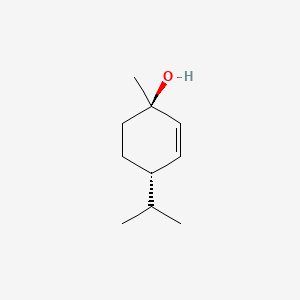
All oil samples from different plant parts and phenological stages were mostly made up of monoterpenoid compounds (88.6 - 99.6%), especially oxygenated ones (52.4 - 82.4%). The oil of the vegetative stage contained high amounts of limonene, 4a-alpha,7-alpha,7a-alpha-nepetalactone, p-cymene and 1,8-cineole. The major constituents in the flower budding stage oil were found to be limonene, 1,8-cineole and 4aalpha-7beta-7aalpha-nepetalactone. In the oil of the fruit set stage, gamma-terpinene, p-cymene and cis-chrysanthenyl acetate were the predominant constituents. On the other hand, the most important compounds from the stem oil were 4a-alpha,7-alpha,7a-alpha-nepetalactone, 1,8-cineole, 4aalpha-7beta-7aalpha-nepetalactone and camphor. 4aalpha-7alpha-7aalpha-nepetalactone, limonene, 1,8-cineole and cis-p-menth-2-en-1-ol were found in high concentration in the oil of leaves, whereas 4aalpha-7alpha-7aalpha-nepetalactone, 4aalpha-7beta-7aalpha-nepetalactone, limonene and p-cymene were present in large amounts in the oil of flowers.
Click to Show/Hide
|
||||||||||||||||||||||||||||||||||||||||||||||||||||||||||||||||||||||||||||||||||||||||
| Factor | Part | Location | NP Content | ||||||||||||||||||||||||||||||||||||||||||||||||||||||||||||||||||||||||||||||||||||||
|
Aerial part: Vegetative satge
|
Aerial parts | Tehran, Iran |
NP Content: 3 %
|
||||||||||||||||||||||||||||||||||||||||||||||||||||||||||||||||||||||||||||||||||||||
|
Aerial part: Floral Budding satge
|
Aerial parts | Tehran, Iran |
NP Content: 1.6 %
|
||||||||||||||||||||||||||||||||||||||||||||||||||||||||||||||||||||||||||||||||||||||
|
Aerial part: Fruit Set satge
|
Aerial parts | Tehran, Iran |
NP Content: 0.6 %
|
||||||||||||||||||||||||||||||||||||||||||||||||||||||||||||||||||||||||||||||||||||||
|
flower: flowering stage
|
Flowers | Tehran, Iran |
NP Content: 5.5 %
|
||||||||||||||||||||||||||||||||||||||||||||||||||||||||||||||||||||||||||||||||||||||
|
leaf: Flowering stage
|
Leaves | Tehran, Iran |
NP Content: 7.7 %
|
||||||||||||||||||||||||||||||||||||||||||||||||||||||||||||||||||||||||||||||||||||||
|
Stem: flowering stage
|
Stems | Tehran, Iran |
NP Content: 5.9 %
|
||||||||||||||||||||||||||||||||||||||||||||||||||||||||||||||||||||||||||||||||||||||
| Species Name: Artemisia arborescens | |||||||||||||||||||||||||||||||||||||||||||||||||||||||||||||||||||||||||||||||||||||||||
| Factor Name: Locality Variation | [2] | ||||||||||||||||||||||||||||||||||||||||||||||||||||||||||||||||||||||||||||||||||||||||
| Experiment Detail |
Fresh plant samples of A. arborescens growing in Sicily were collected from five different sites: Petru (N 37° 59′ 46″, E 13° 38′ 53″, 69 m); Diga (N 37° 57′ 23″, E 13° 39′ 05″, 198 m), Felice (N 37° 56′ 44″, E 13° 36′ 38″, 484 m), Torto (N 37° 57′ 53″, E 13° 46′ 30″, 55 m) and Artese (N 37° 58′ 28″, E 13° 44′ 13″, 10 m) in January 2010.
Click to Show/Hide
|
||||||||||||||||||||||||||||||||||||||||||||||||||||||||||||||||||||||||||||||||||||||||
| Factor Function |
Forty-three compounds, accounting for more than 92% of the oil, were identified. Monoterpene fraction with the exception of Petru population was higher than the sesquiterpene fraction. beta-Thujone (20.5-55.9%), chamazulene (15.2-49.4%), camphor (1.3-10.7%) and germacrene D (2.3-3.4%) were the main compounds.
Click to Show/Hide
|
||||||||||||||||||||||||||||||||||||||||||||||||||||||||||||||||||||||||||||||||||||||||
| Factor | Part | Location | NP Content | ||||||||||||||||||||||||||||||||||||||||||||||||||||||||||||||||||||||||||||||||||||||
|
Locality: Petru, Sicily
|
Aerial parts | Sicily |
NP Content: <0.1 %
|
||||||||||||||||||||||||||||||||||||||||||||||||||||||||||||||||||||||||||||||||||||||
|
Locality: Diga, Sicily
|
Aerial parts | Sicily |
NP Content: <0.1 %
|
||||||||||||||||||||||||||||||||||||||||||||||||||||||||||||||||||||||||||||||||||||||
|
Locality: Felice, Sicily
|
Aerial parts | Sicily |
NP Content: 0.1 %
|
||||||||||||||||||||||||||||||||||||||||||||||||||||||||||||||||||||||||||||||||||||||
|
Locality: Venti, Sicily
|
Aerial parts | Sicily |
NP Content: 0.2 %
|
||||||||||||||||||||||||||||||||||||||||||||||||||||||||||||||||||||||||||||||||||||||
|
Locality: Arte, Sicily
|
Aerial parts | Sicily |
NP Content: 0.1 %
|
||||||||||||||||||||||||||||||||||||||||||||||||||||||||||||||||||||||||||||||||||||||
| Species Name: Juniperus thurifera | |||||||||||||||||||||||||||||||||||||||||||||||||||||||||||||||||||||||||||||||||||||||||
| Factor Name: Altitude Variation; High Temperature Treatment | [3] | ||||||||||||||||||||||||||||||||||||||||||||||||||||||||||||||||||||||||||||||||||||||||
| Experiment Detail |
The plant materials were collected for P1: 2900 m, Ait Akak, Oukaimden, Atlas Mts, Morocco, N. Achak, A. Romane and M. Mahroug, 3 trees, ns, 12/12/2003; P2, 2200 m, Plateau of Matat, Atlas Mts, N. Achak, A. Romane and M. Mahroug, 3 trees, ns, 18/03/2003; P3: 2000 m, Foret Islane, Oukaimden, Atlas Mts, N. Achak, A. Romane and M. Mahroug, 3 trees, ns,12/12/2003. A portion of the leaves from each of the three trees (per population) were air dried for 16 days at room temperature (ca. 22 ℃) to produce the dried leaf samples.
Click to Show/Hide
|
||||||||||||||||||||||||||||||||||||||||||||||||||||||||||||||||||||||||||||||||||||||||
| Factor Function |
The oil yields from fresh leaves showed on differences among geographical sources. Air dried leaves appeared to yield more oil at the highest elevation (1.03%, Ait Lkak, 2900 m) than lower sites (0.67%, Plateau of Matat, 2200 m; 0.57%, Foret Islane, 2000 m). The essential oils from each geographic site had very similar composition in fresh versus air dried leaves. The essential oils from provenance Ait Lkak and Plateau of Matat were very similar and characterized by a high sabinene content (21.2, 35.9%), in contrast to 10.% sabinene from the provenance Foret Islane. The oil from Foret Islane had a high delta-cadinene content with 12.7%, whereas Aik Akak and Plateau of Matat contained only 0.6 and 0.8%.
Click to Show/Hide
|
||||||||||||||||||||||||||||||||||||||||||||||||||||||||||||||||||||||||||||||||||||||||
| Factor | Part | Location | NP Content | ||||||||||||||||||||||||||||||||||||||||||||||||||||||||||||||||||||||||||||||||||||||
|
Fresh leaf: (Locality: Ait Lkak, Tensift Al Haouz-Marrakech, Morocco; Altitude 2900 m)
|
Fresh leaves | Ait Lkak, Tensift Al Haouz - Marrakech, Morocco |
NP Content: 1.5 %
|
||||||||||||||||||||||||||||||||||||||||||||||||||||||||||||||||||||||||||||||||||||||
|
Fresh leaf: (Locality: Plateau of Matat, Tensift Al Haouz-Marrakech, Morocco; Altitude 2200 m)
|
Fresh leaves | Plateau of Matat, Tensift Al Haouz - Marrakech, Morocco |
NP Content: 0.4 %
|
||||||||||||||||||||||||||||||||||||||||||||||||||||||||||||||||||||||||||||||||||||||
|
Dry leaf: (Locality: Foret Islane, Tensift Al Haouz-Marrakech, Morocco; Altitude 2000 m)
|
Dry leaves | Foret Islane, Tensift Al Haouz - Marrakech, Morocco |
NP Content: 0.5 %
|
||||||||||||||||||||||||||||||||||||||||||||||||||||||||||||||||||||||||||||||||||||||
|
Dry leaf: (Locality: Ait Lkak, Tensift Al Haouz-Marrakech, Morocco; Altitude 2900 m)
|
Dry leaves | Ait Lkak, Tensift Al Haouz - Marrakech, Morocco |
NP Content: 1 %
|
||||||||||||||||||||||||||||||||||||||||||||||||||||||||||||||||||||||||||||||||||||||
|
Dry leaf: (Locality: Plateau of Matat, Tensift Al Haouz-Marrakech, Morocco; Altitude 2200 m)
|
Dry leaves | Plateau of Matat, Tensift Al Haouz - Marrakech, Morocco |
NP Content: 0.4 %
|
||||||||||||||||||||||||||||||||||||||||||||||||||||||||||||||||||||||||||||||||||||||
|
Fresh leaf: (Locality: Foret Islane, Tensift Al Haouz-Marrakech, Morocco; Altitude 2000 m)
|
Fresh leaves | Foret Islane, Tensift Al Haouz - Marrakech, Morocco |
NP Content: 0.6 %
|
||||||||||||||||||||||||||||||||||||||||||||||||||||||||||||||||||||||||||||||||||||||
| Species Name: Melaleuca quinquenervia (Cav.) S.T. Blake | |||||||||||||||||||||||||||||||||||||||||||||||||||||||||||||||||||||||||||||||||||||||||
| Factor Name: Chemotype Comparison | [4] | ||||||||||||||||||||||||||||||||||||||||||||||||||||||||||||||||||||||||||||||||||||||||
| Experiment Detail |
One hundred grams of mature leaves were collected from 2 to 10 widely spaced trees per site and sent to Sydney for analysis as soon as possible after collection. Samples usually arrived in the laboratory within 48 h of collection. The majority of the sampling was done between December 1998 and October 1999. Seasonal trends in oil yields and composition are confounded in the data on geographic variation, but these were considered minor in the context of this study.
Click to Show/Hide
|
||||||||||||||||||||||||||||||||||||||||||||||||||||||||||||||||||||||||||||||||||||||||
| Factor Function |
Chemotype 1 is comprised of E-nerolidol (74-95%) and linalool (14-30%) and is found from Sydney, north along the east coast of Australia to Selection Flat, New South Wales, with an isolated occurrence near Maryborough, Queensland. Two divisions occur in this chemotype which are based on the presence or absence of significant proportions of linalool (14-40%). Chemotype 2 contains 1,8-cineole (10-75%), viridiflorol (13-66%), alpha-terpineol (0.5-14%) and beta-caryophyllene (0.5-28%) in varying proportions and order of dominance in the oils. It is found throughout the distribution of the species, from Sydney to Papua New Guinea and New Caledonia. Within chemotype 2 there appears to be a continuous spread of oil composition without formation of any further discrete divisions as in chemotype 1. Analyses have shown that M. quinquenervia trees that occur at latitudes south of 25d S have high oil yields (1-3% w/w%, fresh leaves) and comprise chemotypes 1 and 2. North of 25d S, however, chemotype 1 does not occur and oil yields amongst the Australian populations are uniformly low (0.1-0.2%).
Click to Show/Hide
|
||||||||||||||||||||||||||||||||||||||||||||||||||||||||||||||||||||||||||||||||||||||||
| Factor | Part | Location | NP Content | ||||||||||||||||||||||||||||||||||||||||||||||||||||||||||||||||||||||||||||||||||||||
|
Chemotype (E-nerolidol in large concentration type)
|
Leaves | Australia and Papua New Guinea |
NP Content: <1 %
|
||||||||||||||||||||||||||||||||||||||||||||||||||||||||||||||||||||||||||||||||||||||
| Species Name: Piper nigrum | |||||||||||||||||||||||||||||||||||||||||||||||||||||||||||||||||||||||||||||||||||||||||
| Factor Name: Cultivar Comparison; Harvest Time Variation | [5] | ||||||||||||||||||||||||||||||||||||||||||||||||||||||||||||||||||||||||||||||||||||||||
| Experiment Detail |
The cultivars selected for this study are Sreekara, Vellanamban and one Indonesian cultivar Kutching grown in Kerala. These cultivars are commonly cultivated in the northern parts of Kerala. The fresh berries of the authenticated cultivars were collected from Indian Institute of Spices Research, Calicut and were dried in a cross flow drier at 45 ℃ and taken for the analysis.
Click to Show/Hide
|
||||||||||||||||||||||||||||||||||||||||||||||||||||||||||||||||||||||||||||||||||||||||
| Factor Function |
The main components of vellanamban oil were sabinene (3.9-18.8%), beta-pinene (3.9-10.9%), limonene (8.3-19.8%) and beta-caryophyllene (28.4- 32.9%). Sreekara oil contained as major compounds beta-pinene (0-11.2%), limonene (20.1-22.1%) and beta-caryophyllene (16.8-23.1 %). Kutching oil contained alpha-pinene(2.3-5.4%), sabinene (6.7-13.3%), limonene (14.5-17.5%) and beta-caryophyllene (20.8-39.1%).
Click to Show/Hide
|
||||||||||||||||||||||||||||||||||||||||||||||||||||||||||||||||||||||||||||||||||||||||
| Factor | Part | Location | NP Content | ||||||||||||||||||||||||||||||||||||||||||||||||||||||||||||||||||||||||||||||||||||||
|
Piper nigrum cv. Sreekara: (Harvesting time: 1991)
|
Berries | India |
NP Content: 0.3 %
|
||||||||||||||||||||||||||||||||||||||||||||||||||||||||||||||||||||||||||||||||||||||
|
Piper nigrum cv. Sreekara: (Harvesting time: 1992)
|
Berries | India |
NP Content: 0.1 %
|
||||||||||||||||||||||||||||||||||||||||||||||||||||||||||||||||||||||||||||||||||||||
|
Piper nigrum cv. Vellanamban: (Harvesting time: 1990)
|
Berries | India |
NP Content: 0.1 %
|
||||||||||||||||||||||||||||||||||||||||||||||||||||||||||||||||||||||||||||||||||||||
| Species Name: Salvia aucheri | |||||||||||||||||||||||||||||||||||||||||||||||||||||||||||||||||||||||||||||||||||||||||
| Factor Name: Variety Comparison | [6] | ||||||||||||||||||||||||||||||||||||||||||||||||||||||||||||||||||||||||||||||||||||||||
| Experiment Detail |
S. aucheri var. aucheri was collected in Karaman: Ermenek to Mutt Road on July 19,1995; Salvia aucheri var. canescens was collected in Karaman: Ermenek, Tekecati Valley on July 19,1995.
Click to Show/Hide
|
||||||||||||||||||||||||||||||||||||||||||||||||||||||||||||||||||||||||||||||||||||||||
| Factor Function |
Eighty components were characterized in the Salvia aucheri var. aucheri oil, with camphor (21.1%), 1, 8-cineole (20.3%), borneol (7.8%), spathulenol (6.3%) and camphene (5.3%) as major constituents. 1, 8-Cineole (25.2%), camphor (17.9%), borneol (10.6%), alpha-pinene (5.4%) and camphene (5.3%) were identified as major constituents among the 88 components characterized in the oil of Salvia aucheri var. canescens.
Click to Show/Hide
|
||||||||||||||||||||||||||||||||||||||||||||||||||||||||||||||||||||||||||||||||||||||||
| Factor | Part | Location | NP Content | ||||||||||||||||||||||||||||||||||||||||||||||||||||||||||||||||||||||||||||||||||||||
|
Salvia aucheri var. aucheri
|
Aerial parts | Karaman, Turkey |
NP Content: <0.01 %
|
||||||||||||||||||||||||||||||||||||||||||||||||||||||||||||||||||||||||||||||||||||||
|
Salvia aucheri var. canescens
|
Aerial parts | Karaman, Turkey |
NP Content: <0.01 %
|
||||||||||||||||||||||||||||||||||||||||||||||||||||||||||||||||||||||||||||||||||||||
| Species Name: Salvia euphratica | |||||||||||||||||||||||||||||||||||||||||||||||||||||||||||||||||||||||||||||||||||||||||
| Factor Name: Variety Comparison | [7] | ||||||||||||||||||||||||||||||||||||||||||||||||||||||||||||||||||||||||||||||||||||||||
| Experiment Detail |
Aerial parts of both varieties(Salvia euphratica Montbret et Aucher ex Benth. var. euphratica and Salvia euphratica Montbret et Aucher ex Benth. var. leiocalycina) were collected in Malatya, Turkey in June 1999.
Click to Show/Hide
|
||||||||||||||||||||||||||||||||||||||||||||||||||||||||||||||||||||||||||||||||||||||||
| Factor Function |
Ninety-five compounds in var. euphratica and 94 compounds in var. leiocalycina were characterized representing 93% and 95% of the total components detected, respectively, with 1,8-cineole (13.8% and 15.2%) and myrtenyl acetate (15.9% and 13.9%) as main constituents.
Click to Show/Hide
|
||||||||||||||||||||||||||||||||||||||||||||||||||||||||||||||||||||||||||||||||||||||||
| Factor | Part | Location | NP Content | ||||||||||||||||||||||||||||||||||||||||||||||||||||||||||||||||||||||||||||||||||||||
|
Salvia euphratica var. euphratica
|
Flowering aerial parts | Turkey |
NP Content: < 0.1 %
|
||||||||||||||||||||||||||||||||||||||||||||||||||||||||||||||||||||||||||||||||||||||
|
Salvia euphratica var. leiocalycina
|
Flowering aerial parts | Turkey |
NP Content: 0.1 %
|
||||||||||||||||||||||||||||||||||||||||||||||||||||||||||||||||||||||||||||||||||||||
| Species Name: Salvia limbata | |||||||||||||||||||||||||||||||||||||||||||||||||||||||||||||||||||||||||||||||||||||||||
| Factor Name: Locality Variation | [8] | ||||||||||||||||||||||||||||||||||||||||||||||||||||||||||||||||||||||||||||||||||||||||
| Experiment Detail |
Aerial parts were collected in Van and Erzurum in eastern Turkey. A) Van: Van to Ercis road 35th km on June 8, 2001 at an altitude of 1850 m. B) Erzurum: Campus area of Ataturk University on July 30, 2001 at an altitude of 1850 m.
Click to Show/Hide
|
||||||||||||||||||||||||||||||||||||||||||||||||||||||||||||||||||||||||||||||||||||||||
| Factor Function |
Dried aerial parts of S. limbata collected from two localities in Turkey. Oils yielded similar compositions: 70-80% of the oil consisted of monoterpenes and 15-20% of sesquiterpenes. The Erzurum sample contained 3.7% of a diterpene identifi ed as 8,13-epoxy-15,16-dinor-labd-12-ene. Alpha-Pinene or 1,8-cineolerich Salvia oils are used as herbal tea in Turkey.
Click to Show/Hide
|
||||||||||||||||||||||||||||||||||||||||||||||||||||||||||||||||||||||||||||||||||||||||
| Factor | Part | Location | NP Content | ||||||||||||||||||||||||||||||||||||||||||||||||||||||||||||||||||||||||||||||||||||||
|
Locality: Van, Turkey; Altitude 1850 m
|
Flowering aerial parts | Van, Turkey |
NP Content: 0.1 %
|
||||||||||||||||||||||||||||||||||||||||||||||||||||||||||||||||||||||||||||||||||||||
|
Locality: Erzurum, Turkey; Altitude 1850 m
|
Flowering aerial parts | Erzurum, Turkey |
NP Content: 0.2 %
|
||||||||||||||||||||||||||||||||||||||||||||||||||||||||||||||||||||||||||||||||||||||
| Species Name: Tanacetum cadmeum ssp. orientale | |||||||||||||||||||||||||||||||||||||||||||||||||||||||||||||||||||||||||||||||||||||||||
| Factor Name: Locality Variation | [9] | ||||||||||||||||||||||||||||||||||||||||||||||||||||||||||||||||||||||||||||||||||||||||
| Experiment Detail |
Plant materials were collected during the flowering period in July 2002 from the Dumluca Mountain in the vicinity of Divrigi village of Sivas city at 1900 m altitude and Saksagan Gorge in Saimbeyli village of Adana city at 1900 m altitude.
Click to Show/Hide
|
||||||||||||||||||||||||||||||||||||||||||||||||||||||||||||||||||||||||||||||||||||||||
| Factor Function |
The flower, stem and root oils of T. cadmeum ssp. orientale collected from the Adana location were characterized with alpha-thujone (25%, 5.2%), cis-linalool oxide (6.8%, 12.8%), trans-chrysanthenyl acetate (5.8%, 8.5%) for flower and stem oils, and beta-eudesmol (10.3%, 6.2%, 13.8%); in addition, stem oil contained 1,8-cineole (6.6%) and root oil contained hexadecanoic acid (6.0%), spathulenol (5.8%) and beta-muurolol (5.3%). The flower and stem oils of T. cadmeum ssp. orientale collected from the Sivas location were characterized with camphor (25.9%, 14.8%), borneol (15.4%, 25.8%) and alpha-thujone (7.8%, 5.5%); in addition, stem oil contained 1,8-cineole (7.4%) and root oil contained nonacosane (16.2%), spathulenol (6.8%) and hexadecanoic acid (5.8%).
Click to Show/Hide
|
||||||||||||||||||||||||||||||||||||||||||||||||||||||||||||||||||||||||||||||||||||||||
| Factor | Part | Location | NP Content | ||||||||||||||||||||||||||||||||||||||||||||||||||||||||||||||||||||||||||||||||||||||
|
Flower: (Locality: Sivas, Turkey)
|
Flowers | Sivas, Turkey |
NP Content: 1.8 %
|
||||||||||||||||||||||||||||||||||||||||||||||||||||||||||||||||||||||||||||||||||||||
|
Stem: (Locality: Sivas, Turkey)
|
Stems | Sivas, Turkey |
NP Content: 1 %
|
||||||||||||||||||||||||||||||||||||||||||||||||||||||||||||||||||||||||||||||||||||||
|
Root: (Locality: Sivas, Turkey)
|
Roots | Sivas, Turkey |
NP Content: 0.3 %
|
||||||||||||||||||||||||||||||||||||||||||||||||||||||||||||||||||||||||||||||||||||||
| Species Name: Tanacetum dolichophyllum | |||||||||||||||||||||||||||||||||||||||||||||||||||||||||||||||||||||||||||||||||||||||||
| Factor Name: Altitude Variation | [10] | ||||||||||||||||||||||||||||||||||||||||||||||||||||||||||||||||||||||||||||||||||||||||
| Experiment Detail |
Wild growing Tanacetum dolichophyllum samples were collected during the period of full flowering, between September-October 2009 from high alpine meadows of Western Himalaya (Uttarakhand, India): Sample I (Dayara, altitude 3200 m) and Sample II (Tungnath, altitude 3800 m).
Click to Show/Hide
|
||||||||||||||||||||||||||||||||||||||||||||||||||||||||||||||||||||||||||||||||||||||||
| Factor Function |
Plant collected from Dayara meadow (Sample I) afforded cis-lanceol (11.8%), beta-pinene (10.7%), (E)- beta-farnesene (7.4%), alpha-bisabolol (7.2%), beta-eudesmol (5.2%) and terpinen-4-ol (5.1%) as the major constituents, whereas in the sample collected from Tungnath (Sample II) beta-eudesmol (31.4%), alpha-bisabolol (10.7%) were the most abundant components followed by neryl acetate (5.8%) and (E)-beta-farnesene (5.7%). The composition was dominated by sesquiterpene hydrocarbons and oxygen containing sesquiterpenes (49.2-71.1%). The oils are clearly different from those of all other previously reported T. dolichophyllum oils.
Click to Show/Hide
|
||||||||||||||||||||||||||||||||||||||||||||||||||||||||||||||||||||||||||||||||||||||||
| Factor | Part | Location | NP Content | ||||||||||||||||||||||||||||||||||||||||||||||||||||||||||||||||||||||||||||||||||||||
|
Locality: Dayara; Altitude 3200m
|
Aerial parts | Himalyas, Uttarakhand, India |
NP Content: 4.3 %
|
||||||||||||||||||||||||||||||||||||||||||||||||||||||||||||||||||||||||||||||||||||||
|
Locality: Tungnath; Altitude 3800m
|
Aerial parts | Himalyas, Uttarakhand, India |
NP Content: 0.1 %
|
||||||||||||||||||||||||||||||||||||||||||||||||||||||||||||||||||||||||||||||||||||||
| Species Name: Thymus carnosus | |||||||||||||||||||||||||||||||||||||||||||||||||||||||||||||||||||||||||||||||||||||||||
| Factor Name: Month Variation; Developmental Stage Variation | [11] | ||||||||||||||||||||||||||||||||||||||||||||||||||||||||||||||||||||||||||||||||||||||||
| Experiment Detail |
The aerial parts of samples from collective populations of T. carnosus were collected during the vegetative phase (February 2000), at the beginning of the flowering phase (May 2000) and during the flowering phase (July 2000) at Quinta do Lago (Algarve). AQLM: collected in May, beginning of flowering phase; AQLJ: collected in July, flowering stage; AQLF: collected in Feb, vegetative stage.
Click to Show/Hide
|
||||||||||||||||||||||||||||||||||||||||||||||||||||||||||||||||||||||||||||||||||||||||
| Factor Function |
All the oil samples collected in Quinta do Lago (QL) were dominated by borneol (26-31%) and camphene (9-18%), but the third main component varied according to the harvesting period. Bornyl acetate was the third main component (9-13%) in the flower oil and in the aerial parts oils collected in May and July, whereas terpinen-4-ol (8%) was the third main component in oil collected in February from vegetative phase plant material. A fourth main component, alpha-pinene (4-9%), was also present in relative high amounts in the QL oils.
Click to Show/Hide
|
||||||||||||||||||||||||||||||||||||||||||||||||||||||||||||||||||||||||||||||||||||||||
| Factor | Part | Location | NP Content | ||||||||||||||||||||||||||||||||||||||||||||||||||||||||||||||||||||||||||||||||||||||
|
Harvesting time: Feb, vegetative stage
|
Aerial parts | Quinta do Lago, Portugal |
NP Content: 0.6 %
|
||||||||||||||||||||||||||||||||||||||||||||||||||||||||||||||||||||||||||||||||||||||
|
Harvesting time: May, beginning of flowering satge
|
Aerial parts | Quinta do Lago, Portugal |
NP Content: 0.3 %
|
||||||||||||||||||||||||||||||||||||||||||||||||||||||||||||||||||||||||||||||||||||||
|
Harvesting time: July, flowering stage
|
Aerial parts | Quinta do Lago, Portugal |
NP Content: 0.4 %
|
||||||||||||||||||||||||||||||||||||||||||||||||||||||||||||||||||||||||||||||||||||||
|
Harvesting time: July, flowering stage
|
Flowers | Quinta do Lago, Portugal |
NP Content: 0.4 %
|
||||||||||||||||||||||||||||||||||||||||||||||||||||||||||||||||||||||||||||||||||||||
