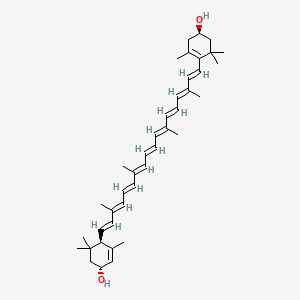
| The Content Variation of Natural Product Induced by Different Factor(s) | |||||||||||||||||||||||||||||||||||||||||||||||||||||||||||||||||||||||||||||||||||||||||
|---|---|---|---|---|---|---|---|---|---|---|---|---|---|---|---|---|---|---|---|---|---|---|---|---|---|---|---|---|---|---|---|---|---|---|---|---|---|---|---|---|---|---|---|---|---|---|---|---|---|---|---|---|---|---|---|---|---|---|---|---|---|---|---|---|---|---|---|---|---|---|---|---|---|---|---|---|---|---|---|---|---|---|---|---|---|---|---|---|---|
| Species Name: Brassica juncea (var. RLC-1) | |||||||||||||||||||||||||||||||||||||||||||||||||||||||||||||||||||||||||||||||||||||||||
| Factor Name: K2CrO4 Treatment; Na2SeO4 Treatment | [1] | ||||||||||||||||||||||||||||||||||||||||||||||||||||||||||||||||||||||||||||||||||||||||
| Experiment Detail |
The seeds of B. juncea(var. RLC 1) were sterilized with 0.01% mercuric chloride (HgCl2), soaked in distilled water for 2h (h), and germinated in Petri dishes lined with Whatman No. 1 filter paper moistened with 3 ml solutions of sodium selenate (Na2SeO4) (2, 4, and 6µM) and potassium chromate (K2CrO4) (300µM), in unary and binary treatments. The concentrations of the elements were decided on the basis of preliminary experiments by obtaining the most stimulatory concentration of Se and 50% inhibitory concentration (IC50) of Cr. The treatment solutions were prepared in half strength Hoagland's nutrient medium and the experiment was conducted in triplicates with 16hphotoperiodand 25℃ temperature. The seedlings were harvested after 15days for the estimation of various parameters.
Click to Show/Hide
|
||||||||||||||||||||||||||||||||||||||||||||||||||||||||||||||||||||||||||||||||||||||||
| Factor Function |
In conclusion, Cr negatively affects the metabolic activities of B. juncea, which were restored by Se application. Se application showed its protective effects on photosynthetic pigments and gene expression studies confirmed the spectrophotometric observations. The Scanning electron microscope (SEM) studies also clearly indicated the positive effects of Se against Cr toxicity on morphology and density of stomata, which further confirmed its imperative role in efficient gas exchange for both photosynthesis and respiration. Exogenous application of Se was also observed to enhance the lipid- and water-soluble antioxidants, which further indicated its role in alleviating oxidative damage. The positive effect of Se in maintaining the osmotic homeostasis as well as activation of thiols in Cr-stressed seedlings also showed its potential to enhance the ability of B. juncea seedlings to combat heavy metal stress effectively. The results, therefore, indicate that Se can be effectively used as a mitigating agent against Cr stress.
Click to Show/Hide
|
||||||||||||||||||||||||||||||||||||||||||||||||||||||||||||||||||||||||||||||||||||||||
| Mechanism |
Treatments of Se and Cr aided in modulating the gene expression of CHLASE, PSY and CHS. CHLASE showed a significant upregulation of 366.3% in its expression in the Cr treated seedlings with respect to untreated control seedlings. The expression of PSY, however, was observed to be downregulated with Cr application by 28.6%, while CHS expression showed an upregulation by 73.13%. Se application at 4 µM in combination with 300 µM Cr downregulated its expression by 46.92% when compared to Cr-treated seedlings. On the other hand, the same concentration of Se caused an increase of PSY and CHS expression by 425.2 and 209.4%, respectively.
Click to Show/Hide
|
||||||||||||||||||||||||||||||||||||||||||||||||||||||||||||||||||||||||||||||||||||||||
| Factor | Part | Location | NP Content | ||||||||||||||||||||||||||||||||||||||||||||||||||||||||||||||||||||||||||||||||||||||
|
0 µ/Kg K2CrO4 + 0 µ/Kg Na2SeO4 (Control)
|
Seedlings | NA |
NP Content: 4.33 ± 0.22 mg/g dry weight
|
||||||||||||||||||||||||||||||||||||||||||||||||||||||||||||||||||||||||||||||||||||||
|
0 µ/Kg K2CrO4 + 2 µ/Kg Na2SeO4
|
Seedlings | NA |
NP Content: 4.00 ± 0.64 mg/g dry weight
|
||||||||||||||||||||||||||||||||||||||||||||||||||||||||||||||||||||||||||||||||||||||
|
0 µ/Kg K2CrO4 + 4 µ/Kg Na2SeO4
|
Seedlings | NA |
NP Content: 4.48 ± 0.67 mg/g dry weight
|
||||||||||||||||||||||||||||||||||||||||||||||||||||||||||||||||||||||||||||||||||||||
|
0 µ/Kg K2CrO4 + 6 µ/Kg Na2SeO4
|
Seedlings | NA |
NP Content: 2.31 ± 0.59 mg/g dry weight
|
||||||||||||||||||||||||||||||||||||||||||||||||||||||||||||||||||||||||||||||||||||||
|
300 µ/Kg K2CrO4 + 0 µ/Kg Na2SeO4
|
Seedlings | NA |
NP Content: 7.02 ± 0.85 mg/g dry weight
|
||||||||||||||||||||||||||||||||||||||||||||||||||||||||||||||||||||||||||||||||||||||
|
300 µ/Kg K2CrO4 + 2 µ/Kg Na2SeO4
|
Seedlings | NA |
NP Content: 4.99 ± 0.64 mg/g dry weight
|
||||||||||||||||||||||||||||||||||||||||||||||||||||||||||||||||||||||||||||||||||||||
|
300 µ/Kg K2CrO4 + 4 µ/Kg Na2SeO4
|
Seedlings | NA |
NP Content: 4.76 ± 0.59 mg/g dry weight
|
||||||||||||||||||||||||||||||||||||||||||||||||||||||||||||||||||||||||||||||||||||||
|
300 µ/Kg K2CrO4 + 6 µ/Kg Na2SeO4
|
Seedlings | NA |
NP Content: 4.43 ± 0.22 mg/g dry weight
|
||||||||||||||||||||||||||||||||||||||||||||||||||||||||||||||||||||||||||||||||||||||
| Factor Name: CdCl2 Treatment; Earthworms Treatment | [2] | ||||||||||||||||||||||||||||||||||||||||||||||||||||||||||||||||||||||||||||||||||||||||
| Experiment Detail |
To observe the effect of earthworms in Cd-polluted soils, a pot experiment was conducted. The seeds were washed with Tween 20 and surface sterilized before sowing. The pots were filled with soil and cattle dung (partially decomposed) in the ratio of 2:1. The pots were inoculated with earthworms (5 earthworms Kg -1 soil) 7 days prior to sowing, and seeds were then uniformly sown in pots. Plants were allowed to grow under natural conditions and then harvested after 30 and 60 days after sowing (DAS).Different concentrations of Cd (0.50, 0.75, 1.00 and 1.25 mM) were prepared using CdCl2 (anhydrous) obtained from HiMedia. The various concentrations were prepared by dissolving CdCl2 in double-distilled water. The soil was spiked with the different concentrations of Cd and analysed for Cd concentration before experimental set-up using atomic absorption spectrophotometer (AAS). The Cd content was found to be approximately 56 mg (0.5 mM Cd), 84 mg (0.75 mM Cd), 112 mg (1.00 mM Cd) and 140 mg (1.25 mM) in respective concentrations per kilogram of soil. All metal-treated soils were supplemented with fixed number of earthworms. Two sets were maintained which included one without earthworms (WTE) and other supplemented with earthworms (WE).
Click to Show/Hide
|
||||||||||||||||||||||||||||||||||||||||||||||||||||||||||||||||||||||||||||||||||||||||
| Factor Function |
Earthworms help to mitigate the toxic effects produced by Cd on plant growth and photosynthetic efficiency along with enhanced phytoremediation capacity when co-inoculated with Cd in soil.
Click to Show/Hide
|
||||||||||||||||||||||||||||||||||||||||||||||||||||||||||||||||||||||||||||||||||||||||
| Mechanism |
In the present study, the expression of genes CHLASE, PSY, CHS and PAL was enhanced in plants grown in Cd-treated soils supplemented with earthworms. Significant differences in expression of CHLASE, PSY, CHS and PAL were observed after the analysis of data using two-way ANOVA and Tukey's HSD test. The expression of gene CHLASE was enhanced by 1.56-fold in Cd-treated plants which was further enhanced to 3.63-fold when earthworms were co-inoculated along with Cd-treated soils. In comparison to control plants, the expression of PSY and CHS was significantly enhanced by 1.43-fold and 2.07-fold when plants were grown in 1.25 mM Cd treatment. The expression was further enhanced to 3.32-fold (PSY) and 3.37-fold (CHS) when earthworms were supplemented along with Cd treatment (1.25 mM). Similarly, significant increase in the expression of PAL was also observed in Cd-treated plants by 1.64-fold in Cd-treated soil which was enhanced to 2.74-fold in the presence of earthworms.
Click to Show/Hide
|
||||||||||||||||||||||||||||||||||||||||||||||||||||||||||||||||||||||||||||||||||||||||
| Factor | Part | Location | NP Content | ||||||||||||||||||||||||||||||||||||||||||||||||||||||||||||||||||||||||||||||||||||||
|
0 mM CdCl2 + with earthworms + 30 DAS
|
NA | Ludhiana, India |
NP Content: 8.818 ± 0.266 mg/g
|
||||||||||||||||||||||||||||||||||||||||||||||||||||||||||||||||||||||||||||||||||||||
|
0 mM CdCl2 + with earthworms + 60 DAS
|
NA | Ludhiana, India |
NP Content: 14.39 ± 0.644 mg/g
|
||||||||||||||||||||||||||||||||||||||||||||||||||||||||||||||||||||||||||||||||||||||
|
0.50 mM CdCl2 + without earthworms + 30 DAS
|
NA | Ludhiana, India |
NP Content: 12.64 ± 0.004 mg/g
|
||||||||||||||||||||||||||||||||||||||||||||||||||||||||||||||||||||||||||||||||||||||
|
0.75 mM CdCl2 + without earthworms + 30 DAS
|
NA | Ludhiana, India |
NP Content: 16.00 ± 0.004 mg/g
|
||||||||||||||||||||||||||||||||||||||||||||||||||||||||||||||||||||||||||||||||||||||
|
1.00 mM CdCl2 + without earthworms + 30 DAS
|
NA | Ludhiana, India |
NP Content: 21.67 ± 1.243 mg/g
|
||||||||||||||||||||||||||||||||||||||||||||||||||||||||||||||||||||||||||||||||||||||
|
1.25 mM CdCl2 + without earthworms + 30 DAS
|
NA | Ludhiana, India |
NP Content: 27.68 ± 0.917 mg/g
|
||||||||||||||||||||||||||||||||||||||||||||||||||||||||||||||||||||||||||||||||||||||
|
0.50 mM CdCl2 + without earthworms + 60 DAS
|
NA | Ludhiana, India |
NP Content: 16.66 ± 1.367 mg/g
|
||||||||||||||||||||||||||||||||||||||||||||||||||||||||||||||||||||||||||||||||||||||
|
0.75 mM CdCl2 + without earthworms + 60 DAS
|
NA | Ludhiana, India |
NP Content: 20.52 ± 1.154 mg/g
|
||||||||||||||||||||||||||||||||||||||||||||||||||||||||||||||||||||||||||||||||||||||
|
1.00 mM CdCl2 + without earthworms + 60 DAS
|
NA | Ludhiana, India |
NP Content: 24.60 ± 1.163 mg/g
|
||||||||||||||||||||||||||||||||||||||||||||||||||||||||||||||||||||||||||||||||||||||
|
1.25 mM CdCl2 + without earthworms + 60 DAS
|
NA | Ludhiana, India |
NP Content: 29.31 ± 1.245 mg/g
|
||||||||||||||||||||||||||||||||||||||||||||||||||||||||||||||||||||||||||||||||||||||
|
0 mM CdCl2 + without earthworms + 30 DAS
|
NA | Ludhiana, India |
NP Content: 7.676 ± 0.001 mg/g
|
||||||||||||||||||||||||||||||||||||||||||||||||||||||||||||||||||||||||||||||||||||||
|
0 mM CdCl2 + without earthworms + 60 DAS
|
NA | Ludhiana, India |
NP Content: 12.26 ± 0.950 mg/g
|
||||||||||||||||||||||||||||||||||||||||||||||||||||||||||||||||||||||||||||||||||||||
|
0.50 mM CdCl2 + with earthworms + 30 DAS
|
NA | Ludhiana, India |
NP Content: 16.81 ± 1.672 mg/g
|
||||||||||||||||||||||||||||||||||||||||||||||||||||||||||||||||||||||||||||||||||||||
|
0.75 mM CdCl2 + with earthworms + 30 DAS
|
NA | Ludhiana, India |
NP Content: 19.80 ± 1.621 mg/g
|
||||||||||||||||||||||||||||||||||||||||||||||||||||||||||||||||||||||||||||||||||||||
|
1.00 mM CdCl2 + with earthworms + 30 DAS
|
NA | Ludhiana, India |
NP Content: 25.31 ± 0.928 mg/g
|
||||||||||||||||||||||||||||||||||||||||||||||||||||||||||||||||||||||||||||||||||||||
|
1.25 mM CdCl2 + with earthworms + 30 DAS
|
NA | Ludhiana, India |
NP Content: 30.78 ± 1.519 mg/g
|
||||||||||||||||||||||||||||||||||||||||||||||||||||||||||||||||||||||||||||||||||||||
|
0.50 mM CdCl2 + with earthworms + 60 DAS
|
NA | Ludhiana, India |
NP Content: 21.28 ± 1.727 mg/g
|
||||||||||||||||||||||||||||||||||||||||||||||||||||||||||||||||||||||||||||||||||||||
|
0.75 mM CdCl2 + with earthworms + 60 DAS
|
NA | Ludhiana, India |
NP Content: 25.17 ± 1.598 mg/g
|
||||||||||||||||||||||||||||||||||||||||||||||||||||||||||||||||||||||||||||||||||||||
|
1.00 mM CdCl2 + with earthworms + 60 DAS
|
NA | Ludhiana, India |
NP Content: 29.13 ± 0.468 mg/g
|
||||||||||||||||||||||||||||||||||||||||||||||||||||||||||||||||||||||||||||||||||||||
|
1.25 mM CdCl2 + with earthworms + 60 DAS
|
NA | Ludhiana, India |
NP Content: 33.36 ± 0.633 mg/g
|
||||||||||||||||||||||||||||||||||||||||||||||||||||||||||||||||||||||||||||||||||||||
| Species Name: Brassica oleracea L., var. italica, cv. Waltham 29 | |||||||||||||||||||||||||||||||||||||||||||||||||||||||||||||||||||||||||||||||||||||||||
| Factor Name: Methyl Jasmonate Treatment; UV Radiation Treatment | [3] | ||||||||||||||||||||||||||||||||||||||||||||||||||||||||||||||||||||||||||||||||||||||||
| Experiment Detail |
Briefly, broccoli seeds (0.5 g per replication) were sanitized for 15 min in sodium hypochlorite (1.5%, v/v), rinsed with Milli-Q water and soaked with aeration overnight in darkness and at room temperature. After pouring off the soaking water, the seeds were spread evenly on standard 200 square cell plug trays (21.38 × 11.05 × 1.75) containing Canadian Sphagnum peat moss previously moistened. Sprouts were grown in a culture room with controlled temperature (25 ℃ ) and a photoperiod regime with cycles of 16 h light and 8 h darkness. Water (control) or a phytohormone solution were atomized every 12 h throughout the experiment.Six trays with broccoli sprouts seeds were prepared for this study, and were assigned for (A) Control (no UV or phytohormone application), (B) UVA treatment, (C) UVB treatment, (D) MJ treatment, (E) UVA + MJ treatment, and (F) UVB + MJ treatment.MJ treatments (D, E and F) were conducted based on Perez-Balibrea et al. with slight adjustments. Briefly, methyl jasmonate (MJ) was dissolved in 0.2% ethanol to obtain a 25 µM solution and applied every 12 h by exogenous spraying 65 mL of 25 µM MJ solution from sowing day until the end of the experiment (8th day after sowing). Due to the volatility of MJ and to avoid the fact that treatment to one tray may result in application to neighboring trays, the MJ solution was applied using physical separation. Control sprouts (A) and sprouts treated with UVA or UVB alone (B and C) were irrigated with the same frequency using 65 mL of Milli-Q water containing 0.04% ethanol.On the 7th day after sowing, UV (B and C) and UV + MJ (E and F) treatments were carried out in special UVA and UVB chambers based on Moreira-Rodriguez et al. with slight adjustments. Chambers used for treatments B and E were equipped with two 40 W UVA lamps (Sylvania F40W T12 BL350, Ledvance LLC., Wilmington, MA, USA), while chambers for treatments C and F consisted of two 40 W UVB lamps (Philips TL 40W/12 RS, Philips, Ljubljana, Slovenia). Trays with broccoli sprouts were placed 30 cm below the irradiation source. All UV treatments consisted of a single exposure for 120 min. The irradiation intensities were determined prior to the experiment as 9.47 and 7.16 W/m2 for UVA and UVB, respectively, using a PMA 2200 radiometer equipped with PMA 2110 UVA and PMA 2106 UVB sensors (Solar Light, Glenside, PA, USA) measuring in the spectral range from 320-400 nm and 280-320 nm, respectively.After UV treatments, trays were returned to culture room and the proper irrigation with water or MJ solution continued for an additional (acclimatization) period of 24 h. Sprouts of all six trays were harvested at the 8th day after sowing, immediately flash-frozen in liquid nitrogen, placed at -80 ℃ , freeze-dried (Labconco, Kansas City, MO, USA), and then ground to a fine powder. Samples were stored at -80 ℃ until further analysis.
Click to Show/Hide
|
||||||||||||||||||||||||||||||||||||||||||||||||||||||||||||||||||||||||||||||||||||||||
| Factor Function |
Simple pre-harvest treatments such as UV radiation, applied alone or in combination with exogenous MJ, can be used as an effective emerging technology that allows the accumulation of specific phytochemicals in broccoli sprouts. Furthermore, results demonstrated that the profile of glucosinolates accumulated in stressed broccoli sprouts could be tailored towards the over-production of most indole glucosinolates by applying 25 µM MJ alone or preferably in combination with a 120 min exposure to UVA or UVB radiation (9.47 and 7.16 W/m2, respectively) 24 h prior harvest. Specifically, a synergistic effect in the accumulation of NGBS was achieved by combining UV and MJ stresses. On the other hand, the production of aliphatic or specific indole glucosinolates can be triggered by UVB supplementation alone. MJ treatments may be applied if an increase in gallic acid, its derivative GAH II, specific sinapic acid derivatives (e.g., 5-SQA) and ferulic acid derivatives (e.g., 1,2-diFG) is desired. However, such increases would be at the expense of the following compounds: GAH I, GTA, diGH, 3-O-H-K, 1-O-S-beta-d-g, sinapoyl malate, sinapic acid, K-3-O-S-so-7-O-g, 1,2-diSG, 1-S-2-FG, the majoritarian isomer of 1,2,2-triSG and 1,2-diS-1-FG; as they were significantly reduced after treatments with MJ. Application of UVA alone may be recommended to accumulate GAH I, 1-O-S-beta-d-g, sinapic acid, gallic acid, K-3-O-S-so-7-O-g, 1-S-2-FG and the second isomer of 1,2,2-triSG. Finally, a single 120 min exposure to UVA radiation should be applied to increase xanthophyll and chlorophyll content in broccoli sprouts.
Click to Show/Hide
|
||||||||||||||||||||||||||||||||||||||||||||||||||||||||||||||||||||||||||||||||||||||||
| Factor | Part | Location | NP Content | ||||||||||||||||||||||||||||||||||||||||||||||||||||||||||||||||||||||||||||||||||||||
|
25 µ Methyl Jasmonate
|
Sprouts | NA |
NP Content: 228.8 ± 8.1 mg/kg dry weight
|
||||||||||||||||||||||||||||||||||||||||||||||||||||||||||||||||||||||||||||||||||||||
|
Control (no UV or phytohormone application)
|
Sprouts | NA |
NP Content: 472.2 ± 22.3 mg/kg dry weight
|
||||||||||||||||||||||||||||||||||||||||||||||||||||||||||||||||||||||||||||||||||||||
|
UVA treatment (Irradiation intensities: 9.47 W/m2)
|
Sprouts | NA |
NP Content: 577.9 ± 39.4 mg/kg dry weight
|
||||||||||||||||||||||||||||||||||||||||||||||||||||||||||||||||||||||||||||||||||||||
|
UVB treatment (Irradiation intensities: 7.16 W/m2)
|
Sprouts | NA |
NP Content: 552.1 ± 28.7 mg/kg dry weight
|
||||||||||||||||||||||||||||||||||||||||||||||||||||||||||||||||||||||||||||||||||||||
|
UVA + 25 µ Methyl Jasmonate
|
Sprouts | NA |
NP Content: 235.9 ± 6.5 mg/kg dry weight
|
||||||||||||||||||||||||||||||||||||||||||||||||||||||||||||||||||||||||||||||||||||||
|
UVB + 25 µ Methyl Jasmonate
|
Sprouts | NA |
NP Content: 210.3 ± 4.8 mg/kg dry weight
|
||||||||||||||||||||||||||||||||||||||||||||||||||||||||||||||||||||||||||||||||||||||
| Species Name: Rubus idaeus | |||||||||||||||||||||||||||||||||||||||||||||||||||||||||||||||||||||||||||||||||||||||||
| Factor Name: Cultivar Comparison; Organic Fertilization; Traditional Fertilization | [4] | ||||||||||||||||||||||||||||||||||||||||||||||||||||||||||||||||||||||||||||||||||||||||
| Experiment Detail |
The experiment was carried out in 2013. Leaves of five raspberry cultivars ('Polana', 'Polka', 'Tulameen', 'Laszka' and 'Glen Ample') were collected at the time of cultivation. Three organic and neighborhood conventional farms were used for experimental purposes. From one cultivar (one field plot), 3-4 plants were chosen, which were analyzed separately. One sample consisted of 10 leaves. The farm was treated as a replication. [organic farm no. 1 Localization: akroczym(52° 26″ N 20° 36″ E), Type of Soil: sandy middle soil IVa and IVb category (15% floatable particles) pH 5.5, Kind of Fertilizer: cow manure, Dose of Fertilizers and Time of Given: 35 t/ha one year before raspberry planting, Plant Protection System: Grevit 200 SL; organic farm no. 2 Localization: Zaluski (52° 37″ N 20° 22″ E), Type of Soil: sandy middle soil, sandy-clay IV category (20% floatable particles), pH 5.5, Kind of Fertilizer:cow manure, Dose of Fertilizers and Time of Given: 30 t/ha one year before raspberry planting, Plant Protection System: no protection; organic farm no. 3 Localization: Radzanow(51° 33″ N 20° 51″ E), Type of Soil: sandy middle soil IVa and III category (10% floatable particles), pH 6.0, Kind of Fertilizer:sheep manure, green manure, Dose of Fertilizers and Time of Given: 10 t/ha and 15 t/ha one year before raspberry planting, Plant Protection System: Bioczos 33 SL, Grevit 200 SL; conventional farm no. 1 Localization: Czerwinsk nad Wisla (52° 23″ N 20° 20″ E), Type of Soil: sandy-loamy middle soil IV and III category (20% floatable particles), pH 5.5, Kind of Fertilizer: Hydrocomplex 12-11-18; Superba 8-11-36, Dose of Fertilizers and Time of Given: (200 kg/ha, 150 kg/ha) in autumn a year before raspberry planting; 3 doses in time of cultivation, Plant Protection System: Signum 33 WG, Miros 20 SP; conventional farm no. 2 Localization: Czerwinsk nad Wisla (52° 23″ N 20° 20″ E), Type of Soil: sandy-loamy middle soil IV and III category (25% floatable particles), pH 5.5, Kind of Fertilizer: amonium nitrate, polyphosphate, magnesium sulphate, Dose of Fertilizers and Time of Given: in autumn a year before raspberry planting; 3 doses in time of cultivation, Plant Protection System: Calypso 480 SC, Miros 20 SP, Zato 50 WG; conventional farm no. 3 Localization: Czerwinsk nad Wisla(52° 25″ N 20° 23″ E), Type of Soil: sandy-clay middle soil II and III category (20% floatable particles) pH 6.0, Kind of Fertilizer:Rosafert 5-12-24-3, Dose of Fertilizers and Time of Given: 250 kg/ha in autumn a year before raspberry planting; 4 doses in time of cultivation, Plant Protection System: Calypso 480 SC, Miros 20 SP, Zato 50 WG].
Click to Show/Hide
|
||||||||||||||||||||||||||||||||||||||||||||||||||||||||||||||||||||||||||||||||||||||||
| Factor Function |
Compared with conventional raspberry leaves, organic raspberry leaves were characterized by a significantly higher content of dry matter, total polyphenols, total phenolic acids, chlorogenic acid, caffeic acid, salicylic acid and quercetin-3-O-rutinoside; moreover, the organic leaves were characterized by higher antioxidant activity. Among examined cultivars, 'Polka' c. was characterized by the highest antioxidant status. However, raspberry leaves from conventional farms contained more total carotenoids, violaxanthin, alpha-carotene, beta-carotene, total chlorophyll and individual forms of chlorophylls: a and b.
Click to Show/Hide
|
||||||||||||||||||||||||||||||||||||||||||||||||||||||||||||||||||||||||||||||||||||||||
| Factor | Part | Location | NP Content | ||||||||||||||||||||||||||||||||||||||||||||||||||||||||||||||||||||||||||||||||||||||
|
Cultivation System: organic farm
|
Leaves | Poland |
NP Content: 1.23 ± 0.05 mg/100g fresh weight
|
||||||||||||||||||||||||||||||||||||||||||||||||||||||||||||||||||||||||||||||||||||||
|
Cultivation System: conventional farm
|
Leaves | Poland |
NP Content: 1.06 ± 0.03 mg/100g fresh weight
|
||||||||||||||||||||||||||||||||||||||||||||||||||||||||||||||||||||||||||||||||||||||
|
Rubus idaeus cv. Polana
|
Leaves | Poland |
NP Content: 1.08 ± 0.03 mg/100g fresh weight
|
||||||||||||||||||||||||||||||||||||||||||||||||||||||||||||||||||||||||||||||||||||||
|
Rubus idaeus cv. Polka
|
Leaves | Poland |
NP Content: 1.15 ± 0.04 mg/100g fresh weight
|
||||||||||||||||||||||||||||||||||||||||||||||||||||||||||||||||||||||||||||||||||||||
|
Rubus idaeus cv. Tulameen
|
Leaves | Poland |
NP Content: 1.23 ± 0.12 mg/100g fresh weight
|
||||||||||||||||||||||||||||||||||||||||||||||||||||||||||||||||||||||||||||||||||||||
|
Rubus idaeus cv. Laszka
|
Leaves | Poland |
NP Content: 1.19 ± 0.08 mg/100g fresh weight
|
||||||||||||||||||||||||||||||||||||||||||||||||||||||||||||||||||||||||||||||||||||||
|
Rubus idaeus cv. Glen Ample
|
Leaves | Poland |
NP Content: 1.05 ± 0.03 mg/100g fresh weight
|
||||||||||||||||||||||||||||||||||||||||||||||||||||||||||||||||||||||||||||||||||||||
