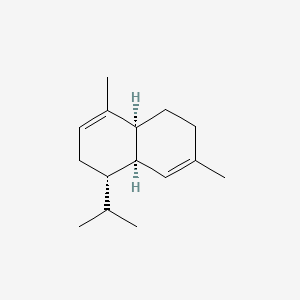
| The Content Variation of Natural Product Induced by Different Factor(s) | |||||||||||||||||||||||||||||||||||||||||||||||||||||||||||||||||||||||||||||||||||||||||
|---|---|---|---|---|---|---|---|---|---|---|---|---|---|---|---|---|---|---|---|---|---|---|---|---|---|---|---|---|---|---|---|---|---|---|---|---|---|---|---|---|---|---|---|---|---|---|---|---|---|---|---|---|---|---|---|---|---|---|---|---|---|---|---|---|---|---|---|---|---|---|---|---|---|---|---|---|---|---|---|---|---|---|---|---|---|---|---|---|---|
| Species Name: Acacia nuperrima ssp. Cassitera | |||||||||||||||||||||||||||||||||||||||||||||||||||||||||||||||||||||||||||||||||||||||||
| Factor Name: Chemotype Comparison | [1] | ||||||||||||||||||||||||||||||||||||||||||||||||||||||||||||||||||||||||||||||||||||||||
| Experiment Detail |
The leaves and terminal branchlets were collected in the Dimbulah region of north eastern Queensland, Australia. The first collection (R99-218) was located 5 km north and the second collection (R99-219) 30 km west of Dimbulah.
Click to Show/Hide
|
||||||||||||||||||||||||||||||||||||||||||||||||||||||||||||||||||||||||||||||||||||||||
| Factor Function |
Two chemical forms yielding 0.6% and 0.3% on a dry weight basis were found to be rich in kessane (88.8%) and alpha-pinene (16.2%), respectively.
Click to Show/Hide
|
||||||||||||||||||||||||||||||||||||||||||||||||||||||||||||||||||||||||||||||||||||||||
| Factor | Part | Location | NP Content | ||||||||||||||||||||||||||||||||||||||||||||||||||||||||||||||||||||||||||||||||||||||
|
Chemotype (Lappa type)
|
Leaves and terminal branches | Dimbulah, Queensland, Australia |
NP Content: 0.6 %
|
||||||||||||||||||||||||||||||||||||||||||||||||||||||||||||||||||||||||||||||||||||||
| Species Name: Cassinia laevis | |||||||||||||||||||||||||||||||||||||||||||||||||||||||||||||||||||||||||||||||||||||||||
| Factor Name: Locality Variation | [2] | ||||||||||||||||||||||||||||||||||||||||||||||||||||||||||||||||||||||||||||||||||||||||
| Experiment Detail |
Six samples of Cassinia laevis R. Br. (coughbush, wild rosemary) were gathered from Lowood, 45 km west of Brisbane to Murphy's Creek area 100 km west of Brisbane, Australia from 1994 to 1998. Samples were identified by a LAEV prefix. LAEV 1 and LAEV 4 were collected from the roadside verge of the Gatton-Toowoomba bypass road (Lat. 27° 32′ 21″ S; Long. 152° 14′ 28″ E). LAEV 2 and LAEV 5 were collected from a different location in the same area (Lat. 27° 33′ 08″ S; Long. 152° 15′ 00″ E). LAEV 7 were collected from the Murphy's creek area (Lat. 27° 31′ 05″ S; Long. 152° 04′ 15″ E), growing on the roadside and in an adjacent paddock. Sample LAEV 9, was collected from the roadside area of the Warrego Highway (Lat. 27° 32′ 10″ S; Long. 152° 27′ 12″ E). The collected leaf and flower samples had aromas of trampled grass with a slight hint of curry.
Click to Show/Hide
|
||||||||||||||||||||||||||||||||||||||||||||||||||||||||||||||||||||||||||||||||||||||||
| Factor Function |
Spathulenol was the major compound in flower oils (8-12%) compared to leaf oils (0.3-4.0%) which had ledol(37.5-53.6%) as the major compound.
Click to Show/Hide
|
||||||||||||||||||||||||||||||||||||||||||||||||||||||||||||||||||||||||||||||||||||||||
| Factor | Part | Location | NP Content | ||||||||||||||||||||||||||||||||||||||||||||||||||||||||||||||||||||||||||||||||||||||
|
Flower: Sample 1 (Locality: roadside verge of the Gatton-Toowoomba, Brisbane, Queensland)
|
Flowers | Brisbane, Queensland, Australia |
NP Content: 7.7 %
|
||||||||||||||||||||||||||||||||||||||||||||||||||||||||||||||||||||||||||||||||||||||
|
Flower: Sample 4 (Locality: Lat. 27º 33′ 08″ S; Long. 152º 15′ 00″ E, Brisbane, Queensland)
|
Flowers | Brisbane, Queensland, Australia |
NP Content: 0.5 %
|
||||||||||||||||||||||||||||||||||||||||||||||||||||||||||||||||||||||||||||||||||||||
|
Flower: Sample 2 (Locality: roadside verge of the Gatton-Toowoomba, Brisbane, Queensland)
|
Flowers | Brisbane, Queensland, Australia |
NP Content: 0.1 %
|
||||||||||||||||||||||||||||||||||||||||||||||||||||||||||||||||||||||||||||||||||||||
|
Leaf: Sample 3 (Locality: Lat. 27º 33′ 08″ S; Long. 152º 15′ 00″ E, Brisbane, Queensland)
|
Leaves | Brisbane, Queensland, Australia |
NP Content: 9.6 %
|
||||||||||||||||||||||||||||||||||||||||||||||||||||||||||||||||||||||||||||||||||||||
|
Leaf: Sample 6 (Locality: Murphy's creek area, Brisbane, Queensland)
|
Leaves | Brisbane, Queensland, Australia |
NP Content: 5.1 %
|
||||||||||||||||||||||||||||||||||||||||||||||||||||||||||||||||||||||||||||||||||||||
|
Leaf: Sample 5 (Locality: roadside area of the Warrego Highway, Brisbane, Queensland)
|
Leaves | Brisbane, Queensland, Australia |
NP Content: 7 %
|
||||||||||||||||||||||||||||||||||||||||||||||||||||||||||||||||||||||||||||||||||||||
| Species Name: Copaifera langsdorffii Desf. | |||||||||||||||||||||||||||||||||||||||||||||||||||||||||||||||||||||||||||||||||||||||||
| Factor Name: Seasonal Variation | [3] | ||||||||||||||||||||||||||||||||||||||||||||||||||||||||||||||||||||||||||||||||||||||||
| Experiment Detail |
Leaves were collected from in Botucatu/SP, Brazil. 'Point 1' is the Botanical Garden of UNESP classified by semideciduous seasonal forest 1 (SSF 1), 22° 53′ 10.97″ S 48° 29′ 48.92″ W and 888 m a.s.l. The same trees were observed on all points, during the seasons.
Click to Show/Hide
|
||||||||||||||||||||||||||||||||||||||||||||||||||||||||||||||||||||||||||||||||||||||||
| Factor Function |
Copaiba plants from semideciduous seasonal forests show differences into the phytochemical profile obtained in dry and wet seasons, with presence of monoterpenes alpha-thujene, o-cymene, (Z)-beta-ocimene, (E)-beta-ocimene, gamma-terpinene and terpinolene in point 1 (in the wet season), while Cerrado strictu sensu did not show significant differences in chemical composition of volatile compounds (only alpha-cadinol and seychellene showed significant differences).
Click to Show/Hide
|
||||||||||||||||||||||||||||||||||||||||||||||||||||||||||||||||||||||||||||||||||||||||
| Factor | Part | Location | NP Content | ||||||||||||||||||||||||||||||||||||||||||||||||||||||||||||||||||||||||||||||||||||||
|
Harvesting time: Dry season
|
Leaves | Brazil |
NP Content: 0.3 %
|
||||||||||||||||||||||||||||||||||||||||||||||||||||||||||||||||||||||||||||||||||||||
| Species Name: Cymbopogon winterianus | |||||||||||||||||||||||||||||||||||||||||||||||||||||||||||||||||||||||||||||||||||||||||
| Factor Name: Pest Infestation | [4] | ||||||||||||||||||||||||||||||||||||||||||||||||||||||||||||||||||||||||||||||||||||||||
| Experiment Detail |
General plantation of citronella cv. Java 2 was maintained following recommended agricultural practices at the Experimental Farm of Central Institute of Medicinal and Aromatic Plants, Field Station, Hyderabad, India. The experimental station has a semi-arid tropical climate. The experiment was conducted in the same plantation for 2 consecutive years during the summer month of June 1996 and 1997, when the incidence of the disease was higher. In each year, 12 each of healthy and diseased plants were selected at random and harvested. The occurrence of the disease is generally observed during the hot summer season months, when the temperatures are in the range 36-43 ℃. Initial symptoms of the pest attack appear as yellow specks or blotches, mostly along leaf margins, that in later stages develop into yellow streaks running along the length of the affected leaves. Emerging young leaves are pale green to yellow coloured, twisted, crinkled, developed into whip-like structures and in severe cases of infection fail to open. Even if they do open, these leaves fail to exhibit a smooth leaf surface. Severely affected older leaves turn brown, dry and die. The overall growth and development of the infected plant is severely affected, giving it a dwarfed and unhealthy appearance.
Click to Show/Hide
|
||||||||||||||||||||||||||||||||||||||||||||||||||||||||||||||||||||||||||||||||||||||||
| Factor Function |
The essential oil examined by GC and GC-MS from cultivated healthy plants contained citronellal (28.4%), geraniol (24.8%), citronellol (11.8%) and elemol (10.2%). The major components from diseased plants were geraniol (19.0-25.5%), elemol (15.3-20.4%), citronellal (13.4-19.1%) and citronellol (12.9-15.1%). Caryophyllene oxide (3.5-6.0%) was an important minor component.
Click to Show/Hide
|
||||||||||||||||||||||||||||||||||||||||||||||||||||||||||||||||||||||||||||||||||||||||
| Factor | Part | Location | NP Content | ||||||||||||||||||||||||||||||||||||||||||||||||||||||||||||||||||||||||||||||||||||||
|
Healthy leaves of healthy plant
|
Leaves | Hyderabad, India |
NP Content: 0.3 %
|
||||||||||||||||||||||||||||||||||||||||||||||||||||||||||||||||||||||||||||||||||||||
|
Healthy leaves of diseased plant (Yellowing and crinkling disease)
|
Leaves | Hyderabad, India |
NP Content: 0.5 %
|
||||||||||||||||||||||||||||||||||||||||||||||||||||||||||||||||||||||||||||||||||||||
|
Crinkled, whip like leaves of diseased plant (Yellowing and crinkling disease)
|
Leaves | Hyderabad, India |
NP Content: 0.4 %
|
||||||||||||||||||||||||||||||||||||||||||||||||||||||||||||||||||||||||||||||||||||||
|
Dead leaves of diseased plant (Yellowing and crinkling disease)
|
Leaves | Hyderabad, India |
NP Content: 0.5 %
|
||||||||||||||||||||||||||||||||||||||||||||||||||||||||||||||||||||||||||||||||||||||
|
Semi-diseased leaves of diseased plant (Yellowing and crinkling disease)
|
Leaves | Hyderabad, India |
NP Content: 0.4 %
|
||||||||||||||||||||||||||||||||||||||||||||||||||||||||||||||||||||||||||||||||||||||
| Species Name: Dittrichia graveolens | |||||||||||||||||||||||||||||||||||||||||||||||||||||||||||||||||||||||||||||||||||||||||
| Factor Name: Altitude Variation | [5] | ||||||||||||||||||||||||||||||||||||||||||||||||||||||||||||||||||||||||||||||||||||||||
| Experiment Detail |
Wild growing D. graveolens samples were collected from Bekaa-877′ (4 samples) and Sannine-1842′ (3 samples) during the flowering period, between September and November of 2003.
Click to Show/Hide
|
||||||||||||||||||||||||||||||||||||||||||||||||||||||||||||||||||||||||||||||||||||||||
| Factor Function |
The major differences in oil composition between the two populations are the variation in the concentrations of T-cadinol and borneol. The differences can also be ascribed to the distinct climatic pattern of the two samples: Sannine is located in the Mount Lebanon chain of mountains and characterized by heavy precipitations and snow, while the Bekaa valley is shielded by this same chain of mountains, resulting in dry summers and cold winters with less humidity and precipitations.
Click to Show/Hide
|
||||||||||||||||||||||||||||||||||||||||||||||||||||||||||||||||||||||||||||||||||||||||
| Factor | Part | Location | NP Content | ||||||||||||||||||||||||||||||||||||||||||||||||||||||||||||||||||||||||||||||||||||||
|
Locality: Sannine, Lebanon; Altitude 1842 m
|
Leaves and flowers | Lebanon |
NP Content: 0.06 %
|
||||||||||||||||||||||||||||||||||||||||||||||||||||||||||||||||||||||||||||||||||||||
| Species Name: Echinacea purpurea | |||||||||||||||||||||||||||||||||||||||||||||||||||||||||||||||||||||||||||||||||||||||||
| Factor Name: Plant Pathogen Infection | [6] | ||||||||||||||||||||||||||||||||||||||||||||||||||||||||||||||||||||||||||||||||||||||||
| Experiment Detail |
Plant selection and virological tests: Before effecting the collection procedure, heathy and infected plants of E. purpurea grown in the open field at the Herb Garden of Casola Valsenio were selected and labelled by visual inspection of their aerial parts. The infection by CMV was associated with symptoms on both leaves and flowers. The most characteristic symptoms are yellow mosaic, ring and line-patterns on crinkled and deformed leaves that drop prematurely. The flowers, which may be smaller than normal, show color breaking with white or pale stripes on red petals. Shortening of the internodes is also very common, giving the plant a bushy appearance known as stunting. In Italian environmental conditions, these symptoms are best visible in the summer. On the other hand, plants appeared symptom-free were collected as healthy material. Plant collection: About 3-4 Kg fresh aerial part materials (70% stems, 10% leaves and 20% flowers) of healthy E. purpurea plants were collected in June 2000 at almost the end of flowering. An equivalent quantity of CMV-infected plants (evaluated by DAS-ELISA) was also collected; the percentage of leaves in the infected infected was about 6.0% as due to CMV presence that caused the premature leaf drop.
Click to Show/Hide
|
||||||||||||||||||||||||||||||||||||||||||||||||||||||||||||||||||||||||||||||||||||||||
| Factor Function |
The oil from healthy material was rich in germacrene D (57.8%) and was more abundant. The infected materials afforded a lower oil content and significant quantitative variations in the oil composition. In particular, the observed percentage of germacrene D (52.6%) was reduced as were other sesquiterpene hydrocarbons. These variations, tested to be significant for all the compound-class fractions and individual major components, were ascribed to the cucumber mosaic cucumovirus (CMV) infection, the only fixed-effect variable that might affect the oil composition.
Click to Show/Hide
|
||||||||||||||||||||||||||||||||||||||||||||||||||||||||||||||||||||||||||||||||||||||||
| Factor | Part | Location | NP Content | ||||||||||||||||||||||||||||||||||||||||||||||||||||||||||||||||||||||||||||||||||||||
|
Healthy plant
|
Aerial parts | Italy |
NP Content: 0.5 %
|
||||||||||||||||||||||||||||||||||||||||||||||||||||||||||||||||||||||||||||||||||||||
|
Infected plants (cucumber mosaic cucumovirus)
|
Aerial parts | Italy |
NP Content: 0.3 %
|
||||||||||||||||||||||||||||||||||||||||||||||||||||||||||||||||||||||||||||||||||||||
| Species Name: Eugenia chlorophylla | |||||||||||||||||||||||||||||||||||||||||||||||||||||||||||||||||||||||||||||||||||||||||
| Factor Name: Developmental Stage Variation | [7] | ||||||||||||||||||||||||||||||||||||||||||||||||||||||||||||||||||||||||||||||||||||||||
| Experiment Detail |
Plant material was collected at vegetative stage (stems and leaves,September 2005) and at flowering stage (leaves and flowers,December 2004), inCuritiba,Parana state, Brazil.
Click to Show/Hide
|
||||||||||||||||||||||||||||||||||||||||||||||||||||||||||||||||||||||||||||||||||||||||
| Factor Function |
Thirty-four components were identified, representing more than 80% of total oil. The major components were beta-caryophyllene (flowers-12.8%), caryophyllene oxide (stems-17.2%), globulol (stems-16.5%; leaves-22.5% at vegetative stage and 18.9% at flowering stage), 1-epi-cubenol (stems-10.9%), epi-alpha-muurolol (stems-16.8%) and alpha-cadinol (stems-12.1%; flowers-10.1%).
Click to Show/Hide
|
||||||||||||||||||||||||||||||||||||||||||||||||||||||||||||||||||||||||||||||||||||||||
| Factor | Part | Location | NP Content | ||||||||||||||||||||||||||||||||||||||||||||||||||||||||||||||||||||||||||||||||||||||
|
Flower: flowering stage
|
Flowers | Brazil |
NP Content: 0.7 %
|
||||||||||||||||||||||||||||||||||||||||||||||||||||||||||||||||||||||||||||||||||||||
| Species Name: Eugenia dysenterica | |||||||||||||||||||||||||||||||||||||||||||||||||||||||||||||||||||||||||||||||||||||||||
| Factor Name: Developmental Stage Variation | [8] | ||||||||||||||||||||||||||||||||||||||||||||||||||||||||||||||||||||||||||||||||||||||||
| Experiment Detail |
Unripe, semi-ripe, and ripe fruits of E. dysenterica were collected in rural area of Abadia de Goias city (S 16° 45′ 1″, W 49° 25′ 5″, 850 m), Goias State, Brazil, in October 2002.
Click to Show/Hide
|
||||||||||||||||||||||||||||||||||||||||||||||||||||||||||||||||||||||||||||||||||||||||
| Factor Function |
Limonene (25.8% and 24.6%), (E)-beta-ocimene (20.3% and 21.7%) and beta-pinene (12.0% and 14.2%) were the major compounds in the unripe and semi-ripe stages, respectively, while gamma-muurolene (25.8%), beta-caryophyllene (18.4%) and alpha-humulene (15.4%) became the major compounds in ripe fruits. The concentration of monoterpenes was high in the unripe and semi-ripe stages and decreased afterwards, while sesquiterpenes were intensively synthesized only in the last part of the ripening process.
Click to Show/Hide
|
||||||||||||||||||||||||||||||||||||||||||||||||||||||||||||||||||||||||||||||||||||||||
| Factor | Part | Location | NP Content | ||||||||||||||||||||||||||||||||||||||||||||||||||||||||||||||||||||||||||||||||||||||
|
Fruit: Semi-ripe fruit stage
|
Semi-ripe fruits | Brazil |
NP Content: 8.7 %
|
||||||||||||||||||||||||||||||||||||||||||||||||||||||||||||||||||||||||||||||||||||||
| Species Name: Helichrysum arenarium | |||||||||||||||||||||||||||||||||||||||||||||||||||||||||||||||||||||||||||||||||||||||||
| Factor Name: Locality Variation; Developmental Stage Variation | [9] | ||||||||||||||||||||||||||||||||||||||||||||||||||||||||||||||||||||||||||||||||||||||||
| Experiment Detail |
The plant material was collected in eastern Lithuania (July-August, 2002). Numbers of growing localities of H. arenarium with yellow (Y) and orange (O) flowers were as follows: Svencionys district (Zalavas) and Ukmerge district (Sventupe).
Click to Show/Hide
|
||||||||||||||||||||||||||||||||||||||||||||||||||||||||||||||||||||||||||||||||||||||||
| Factor Function |
The 68 constituents identified comprised 73.8-90.7% of the total oil content. It was found that the principal constituents were: beta-caryophyllene (in three inflorescence and one leaf oil), delta-cadinene (in two leaf oils), octadecane (in one leaf oil) and heneicosane (in one inflorescence sample). Monoterpenes and oxygenated monoterpenes made up 4.0-13.9%, aliphatic hydrocarbons 0.4-35.3%, and sesquiterpenes 24.7-71.2% of the oils.
Click to Show/Hide
|
||||||||||||||||||||||||||||||||||||||||||||||||||||||||||||||||||||||||||||||||||||||||
| Factor | Part | Location | NP Content | ||||||||||||||||||||||||||||||||||||||||||||||||||||||||||||||||||||||||||||||||||||||
|
Inflorescence: (Flower colour: Yellow) + (Locality: Svencionys District, Eastern Lithuania)
|
Inflorescence | Eastern Lithuania |
NP Content: 1.2 %
|
||||||||||||||||||||||||||||||||||||||||||||||||||||||||||||||||||||||||||||||||||||||
|
Inflorescence: (Flower colour: Orange) + (Locality: Ukmerge District, Eastern Lithuania)
|
Inflorescence | Eastern Lithuania |
NP Content: 0.2 %
|
||||||||||||||||||||||||||||||||||||||||||||||||||||||||||||||||||||||||||||||||||||||
|
Inflorescence: (Flower colour: Yellow) + (Locality: Ukmerge District, Eastern Lithuania)
|
Inflorescence | Eastern Lithuania |
NP Content: 4 %
|
||||||||||||||||||||||||||||||||||||||||||||||||||||||||||||||||||||||||||||||||||||||
|
Leaf: (Flower colour: Orange) + (Locality: Svencionys District, Eastern Lithuania)
|
Leaves | Eastern Lithuania |
NP Content: 0.6 %
|
||||||||||||||||||||||||||||||||||||||||||||||||||||||||||||||||||||||||||||||||||||||
|
Leaf: (Flower colour: Yellow) + (Locality: Svencionys District, Eastern Lithuania)
|
Leaves | Eastern Lithuania |
NP Content: 2.7 %
|
||||||||||||||||||||||||||||||||||||||||||||||||||||||||||||||||||||||||||||||||||||||
|
Leaf: (Flower colour: Yellow) + (Locality: Ukmerge District, Eastern Lithuania)
|
Leaves | Eastern Lithuania |
NP Content: 3.4 %
|
||||||||||||||||||||||||||||||||||||||||||||||||||||||||||||||||||||||||||||||||||||||
|
Leaf: (Flower colour: Orange) + (Locality: Ukmerge District, Eastern Lithuania)
|
Leaves | Eastern Lithuania |
NP Content: 4.2 %
|
||||||||||||||||||||||||||||||||||||||||||||||||||||||||||||||||||||||||||||||||||||||
| Species Name: Juniperus thurifera | |||||||||||||||||||||||||||||||||||||||||||||||||||||||||||||||||||||||||||||||||||||||||
| Factor Name: Altitude Variation; High Temperature Treatment | [10] | ||||||||||||||||||||||||||||||||||||||||||||||||||||||||||||||||||||||||||||||||||||||||
| Experiment Detail |
The plant materials were collected for P1: 2900 m, Ait Akak, Oukaimden, Atlas Mts, Morocco, N. Achak, A. Romane and M. Mahroug, 3 trees, ns, 12/12/2003; P2, 2200 m, Plateau of Matat, Atlas Mts, N. Achak, A. Romane and M. Mahroug, 3 trees, ns, 18/03/2003; P3: 2000 m, Foret Islane, Oukaimden, Atlas Mts, N. Achak, A. Romane and M. Mahroug, 3 trees, ns,12/12/2003. A portion of the leaves from each of the three trees (per population) were air dried for 16 days at room temperature (ca. 22 ℃) to produce the dried leaf samples.
Click to Show/Hide
|
||||||||||||||||||||||||||||||||||||||||||||||||||||||||||||||||||||||||||||||||||||||||
| Factor Function |
The oil yields from fresh leaves showed on differences among geographical sources. Air dried leaves appeared to yield more oil at the highest elevation (1.03%, Ait Lkak, 2900 m) than lower sites (0.67%, Plateau of Matat, 2200 m; 0.57%, Foret Islane, 2000 m). The essential oils from each geographic site had very similar composition in fresh versus air dried leaves. The essential oils from provenance Ait Lkak and Plateau of Matat were very similar and characterized by a high sabinene content (21.2, 35.9%), in contrast to 10.% sabinene from the provenance Foret Islane. The oil from Foret Islane had a high delta-cadinene content with 12.7%, whereas Aik Akak and Plateau of Matat contained only 0.6 and 0.8%.
Click to Show/Hide
|
||||||||||||||||||||||||||||||||||||||||||||||||||||||||||||||||||||||||||||||||||||||||
| Factor | Part | Location | NP Content | ||||||||||||||||||||||||||||||||||||||||||||||||||||||||||||||||||||||||||||||||||||||
|
Fresh leaf: (Locality: Ait Lkak, Tensift Al Haouz-Marrakech, Morocco; Altitude 2900 m)
|
Fresh leaves | Ait Lkak, Tensift Al Haouz - Marrakech, Morocco |
NP Content: 2.3 %
|
||||||||||||||||||||||||||||||||||||||||||||||||||||||||||||||||||||||||||||||||||||||
|
Fresh leaf: (Locality: Plateau of Matat, Tensift Al Haouz-Marrakech, Morocco; Altitude 2200 m)
|
Fresh leaves | Plateau of Matat, Tensift Al Haouz - Marrakech, Morocco |
NP Content: 0.1 %
|
||||||||||||||||||||||||||||||||||||||||||||||||||||||||||||||||||||||||||||||||||||||
|
Dry leaf: (Locality: Foret Islane, Tensift Al Haouz-Marrakech, Morocco; Altitude 2000 m)
|
Dry leaves | Foret Islane, Tensift Al Haouz - Marrakech, Morocco |
NP Content: 3.3 %
|
||||||||||||||||||||||||||||||||||||||||||||||||||||||||||||||||||||||||||||||||||||||
|
Dry leaf: (Locality: Ait Lkak, Tensift Al Haouz-Marrakech, Morocco; Altitude 2900 m)
|
Dry leaves | Ait Lkak, Tensift Al Haouz - Marrakech, Morocco |
NP Content: 1.8 %
|
||||||||||||||||||||||||||||||||||||||||||||||||||||||||||||||||||||||||||||||||||||||
|
Dry leaf: (Locality: Plateau of Matat, Tensift Al Haouz-Marrakech, Morocco; Altitude 2200 m)
|
Dry leaves | Plateau of Matat, Tensift Al Haouz - Marrakech, Morocco |
NP Content: 0.8 %
|
||||||||||||||||||||||||||||||||||||||||||||||||||||||||||||||||||||||||||||||||||||||
|
Fresh leaf: (Locality: Foret Islane, Tensift Al Haouz-Marrakech, Morocco; Altitude 2000 m)
|
Fresh leaves | Foret Islane, Tensift Al Haouz - Marrakech, Morocco |
NP Content: 3 %
|
||||||||||||||||||||||||||||||||||||||||||||||||||||||||||||||||||||||||||||||||||||||
| Species Name: Ocimum gratissimum | |||||||||||||||||||||||||||||||||||||||||||||||||||||||||||||||||||||||||||||||||||||||||
| Factor Name: Developmental Stage Variation | [11] | ||||||||||||||||||||||||||||||||||||||||||||||||||||||||||||||||||||||||||||||||||||||||
| Experiment Detail |
Field experiment was initiated in June 2000 in the same block of the research farm. The experiment was laid out in a randomized block design with five treatments on stage of crop harvest (pre-flowering and 25%, 50%, 75% and 100% flowering) and four replications, individual plots being 3 × 6 m. Each plot received uniform dose of neem cake 900 g (0.5 t/ha), di-ammonium phosphate 155 g (40 Kg P2O5 /ha) and muriate of potash 120 g (40 kg K2O/ha) as basal dose which was incorporated with 5 cm top soil using hand hoe. Ocimum gratissimum seedlings, six weeks old, were planted at 60 cm row-to-row and 45 cm plant-to-plant spacing in June 2000. The field was irrigated immediately after planting for early establishment of the seedlings. Thereafter, the field was irrigated 11 and 13 times in the first and second year of experimentation, respectively. Nitrogen at 120 kg/ha was applied in the form of urea spreading over all the harvests per annum. The crop received fi ve and four hand weedings during first and second year of experimentation. Apical part (25-35 cm) of all the branches was harvested in all the treatments as given below: (Pre-flowering Year1 September 20 and November 12, 2000 and January 16, March 17 and May 16, 2001; Year2 July 20, September 13 and November 17, 2001 and January 27, April 7 and June 16, 2002); (25% flowering Year1 September 26 and November 25, 2000 and February 3, April 9 and June 13, 2001; Year2 August 17, October 16 and December 26, 2001 and March 11 and May 25, 2002); (50% flowering Year1 September 30 and December 4, 2000 and February 17, April 28 and July 7, 2001; Year2 September 10 and November 14, 2001 and January 24, April 9 and June 23, 2002); (75% flowering Year1 October 7 and December 16, 2000 and March 6 and May 20, 2001; Year2 August 3, October 12 and December 21, 2001 and March 6 and May 25, 2002); (100% flowering Year1 October 15 and December 29, 2000 and March 24 and June 12, 2001; Year2 August 31 and November 14, 2001 and January 28, April 18 and July 7, 2002).
Click to Show/Hide
|
||||||||||||||||||||||||||||||||||||||||||||||||||||||||||||||||||||||||||||||||||||||||
| Factor Function |
Harvesting at pre-flowering produced 12.5%, 24.1%, 35.5% and 50.0% higher biomass yield compared to harvesting at 25%, 50%, 75% and 100% flowering, respectively, in the first year of cropping. The respective increase was 16.8%, 22.0%, 38.2% and 63.2% in the second year. Late harvested crop (100% flowering) contained the highest amount of essential oil and it decreased in the order of harvesting at 100% flowering > 75% flowering > 50% flowering > 25% flowering > pre-flowering treatment. The total oil yield was, however, significantly higher (15.8-19.9% and 12.7-33.6% in first and second years, respectively) with pre-flowering compared to all other harvest treatments. Pre-flowering harvested crop produced oil containing the highest amount of eugenol and it decreased in the order of harvesting at pre-flowering > 25% flowering > 50% flowering > 75% flowering > 100% flowering treatment.
Click to Show/Hide
|
||||||||||||||||||||||||||||||||||||||||||||||||||||||||||||||||||||||||||||||||||||||||
| Factor | Part | Location | NP Content | ||||||||||||||||||||||||||||||||||||||||||||||||||||||||||||||||||||||||||||||||||||||
|
Branch: Pre-flowering stage
|
Apical part of branches | India |
NP Content: 0.1 %
|
||||||||||||||||||||||||||||||||||||||||||||||||||||||||||||||||||||||||||||||||||||||
|
Branch: 25% flowering stage
|
Apical part of branches | India |
NP Content: 0.1 %
|
||||||||||||||||||||||||||||||||||||||||||||||||||||||||||||||||||||||||||||||||||||||
|
Branch: 75% flowering stage
|
Apical part of branches | India |
NP Content: 0.1 %
|
||||||||||||||||||||||||||||||||||||||||||||||||||||||||||||||||||||||||||||||||||||||
|
Branch: 50% flowering stage
|
Apical part of branches | India |
NP Content: 0.2 %
|
||||||||||||||||||||||||||||||||||||||||||||||||||||||||||||||||||||||||||||||||||||||
|
Branch: 100% flowering stage
|
Apical part of branches | India |
NP Content: 0.2 %
|
||||||||||||||||||||||||||||||||||||||||||||||||||||||||||||||||||||||||||||||||||||||
| Species Name: Persea americana | |||||||||||||||||||||||||||||||||||||||||||||||||||||||||||||||||||||||||||||||||||||||||
| Factor Name: Variety Comparison; Locality Variation | [12] | ||||||||||||||||||||||||||||||||||||||||||||||||||||||||||||||||||||||||||||||||||||||||
| Experiment Detail |
Experimental: Two hundred grams of healthy mature intact leaves were harvested from each of the taxa growing on their own rootstocks at the UC South Coast Research and Extension Center. flocc = P. americana var. floccosa from Mexico D-7; stey = P. americana var. steyermarkii from Mexico El Salvador 3-22-16; nubi = P. americana var. nubigena from Guatemala 45-C-1; mex = P. americena var. drymfolia from Tasco, Mexico; guat = P. americana var. guatemalensis cult. Nimlioh from Florida; bwl = P. ameticana var. americana cult. Trapp from Florida.
Click to Show/Hide
|
||||||||||||||||||||||||||||||||||||||||||||||||||||||||||||||||||||||||||||||||||||||||
| Factor Function |
Analysis of oils showed the presence of over 90 components, of which 76 were identified. P. schiedeana oil was found to contain alpha-pinene (23.7%), beta-pinene (23.2%) and beta-caryophyllene as major components. The major constituents of P. americana var. floccosa and P. americana var. steyermarkii were alpha-pinene (10.9%, 7.6%), beta-pinene (20.6%, 10.4%), alpha-terpineol (9.6%, 7.9%), beta-caryophyllene (12.6%, 8.4%), viridiflorene (0.1%, 10.3%) and globulol (0.1%, 9.2%), respectively. The oils of P. americana var. nubigena and P. americana var. drymifolia contained alpha-terpineol (18.4%, 393%) and methylchavicol (12.4%, 40.2%), as major components, respectively. P. americana var. guatemalensis was found to be rich in beta-caryophyllene (38.3%), while the oils of P. americana var. americana and P. primatogena contained alpha-pinene (27.5%) and beta-pinene (40.9%), and alpha-pinene (24.6%), beta-caryophyllene (20.7%) and germacene D (10.1%).
Click to Show/Hide
|
||||||||||||||||||||||||||||||||||||||||||||||||||||||||||||||||||||||||||||||||||||||||
| Factor | Part | Location | NP Content | ||||||||||||||||||||||||||||||||||||||||||||||||||||||||||||||||||||||||||||||||||||||
|
Persea americana var. americana cv. Trapp (Locality: Florida)
|
Leaves | Florida, USA |
NP Content: 0.1 %
|
||||||||||||||||||||||||||||||||||||||||||||||||||||||||||||||||||||||||||||||||||||||
|
Persea americana var. drymfolia (Locality: Tasco)
|
Leaves | Tasco, Mexico |
NP Content: 0.01 %
|
||||||||||||||||||||||||||||||||||||||||||||||||||||||||||||||||||||||||||||||||||||||
|
Persea americana var. floccosa (Locality: Mexico)
|
Leaves | Mexico |
NP Content: 0.2 %
|
||||||||||||||||||||||||||||||||||||||||||||||||||||||||||||||||||||||||||||||||||||||
|
Persea americana var. guatemalensis cv. Nimlioh (Locality: Florida)
|
Leaves | Florida, USA |
NP Content: 0.3 %
|
||||||||||||||||||||||||||||||||||||||||||||||||||||||||||||||||||||||||||||||||||||||
|
Persea americana var. nubigena (Locality: Guatemala)
|
Leaves | Guatemala |
NP Content: 0.1 %
|
||||||||||||||||||||||||||||||||||||||||||||||||||||||||||||||||||||||||||||||||||||||
|
Persea americana var. steyermarkii (Locality: Mexico El Salvador)
|
Leaves | Mexico El Salvador |
NP Content: 0.1 %
|
||||||||||||||||||||||||||||||||||||||||||||||||||||||||||||||||||||||||||||||||||||||
| Species Name: Pilocarpus spicatus | |||||||||||||||||||||||||||||||||||||||||||||||||||||||||||||||||||||||||||||||||||||||||
| Factor Name: Locality Variation; Harvest Time Variation | [13] | ||||||||||||||||||||||||||||||||||||||||||||||||||||||||||||||||||||||||||||||||||||||||
| Experiment Detail |
Five different populations of P. spicatus were collected in different geographical regions of the northeast of Brazil. Populations I: (Locality: Morro do Chapeu,Bahia, harvesting: 02.19.94); Populations II: (Locality: Maranguape,Ceara, harvesting: 06.01.97); Populations III: (Locality: Jacobina,Bahia, harvesting: 02.19.94); Populations IV: (Locality: Cocalzinho,Ceara, harvesting: 02.22.94); Populations V: (Locality: Sitio dos Moreiras,Pernambuco, harvesting: 02.22.94)
Click to Show/Hide
|
||||||||||||||||||||||||||||||||||||||||||||||||||||||||||||||||||||||||||||||||||||||||
| Factor Function |
The aliphatic ketones 2-undecanone, 2-tridecanone and 2-pentadecanone were present in samples of all populations. 2-Tridecanone (1.7-84.7 %) was detected in 30 out of 34 samples analyzed. It was the main component in all samples of root barks, except one where 2-pentadecanone (24.7%) was the major component. 2-Undecanone, beta-eudesmol and sabinene were the major components of leaf oils.
Click to Show/Hide
|
||||||||||||||||||||||||||||||||||||||||||||||||||||||||||||||||||||||||||||||||||||||||
| Factor | Part | Location | NP Content | ||||||||||||||||||||||||||||||||||||||||||||||||||||||||||||||||||||||||||||||||||||||
|
Leaf: (Locality: Morro do Chapeu, Bahia, Northeast of Brazi) + (Harvesting time: 19-February-1994)
|
Leaves | Morro do Chapeu, Bahia, Northeast of Brazil |
NP Content: 1.9 %
|
||||||||||||||||||||||||||||||||||||||||||||||||||||||||||||||||||||||||||||||||||||||
| Species Name: Pinus sylvestris | |||||||||||||||||||||||||||||||||||||||||||||||||||||||||||||||||||||||||||||||||||||||||
| Factor Name: Locality Variation | [14] | ||||||||||||||||||||||||||||||||||||||||||||||||||||||||||||||||||||||||||||||||||||||||
| Experiment Detail |
The branches of pine were collected in July, 1996 in 15 different locations in Lithuania in the following regions: Western part (Silute, Jurbarkas, Kursiu Nerija), Eastern part (Salcininkai, Zarasai, Moletai), Southern part (Varena, Trakai, Radviliskis) and central part (Ukmerge, Jonava, Kaisiadorys). The branches in each location were collected from the trees in approximately 1 km radius.
Click to Show/Hide
|
||||||||||||||||||||||||||||||||||||||||||||||||||||||||||||||||||||||||||||||||||||||||
| Factor Function |
More than 70 constituents were identified (64 positively and 10 tentatively) in the oils. alpha-Pinene (18.5-33.0%) and delta-3-carene (9.1-24.6%) were dominating constituents with the only one exception when the germacrene-4-ol content in one of the samples was 13.2%. The important bornyl acetate content varied from 0.5% to 3.0%. The main sesquiterpenes were beta-caryophyllene, germacrene D, bicyclogermacrene, delta-cadinene, gamma-cadinene, germacrene D-4-ol, cubenol (2.0-5.1%) and alpha-cadinol (1.9-7.7%).
Click to Show/Hide
|
||||||||||||||||||||||||||||||||||||||||||||||||||||||||||||||||||||||||||||||||||||||||
| Factor | Part | Location | NP Content | ||||||||||||||||||||||||||||||||||||||||||||||||||||||||||||||||||||||||||||||||||||||
|
Locality: Jurbarkas, Lithuania
|
Branches | Jurbarkas, Lithuania |
NP Content: 0.9 %
|
||||||||||||||||||||||||||||||||||||||||||||||||||||||||||||||||||||||||||||||||||||||
|
Locality: Neringa (Smiltyne), Lithuania
|
Branches | Neringa (Smiltyne), Lithuania |
NP Content: 1.3 %
|
||||||||||||||||||||||||||||||||||||||||||||||||||||||||||||||||||||||||||||||||||||||
|
Locality: Trakai, Lithuania
|
Branches | Trakai, Lithuania |
NP Content: 1 %
|
||||||||||||||||||||||||||||||||||||||||||||||||||||||||||||||||||||||||||||||||||||||
|
Locality: Varena, Lithuania
|
Branches | Varena, Lithuania |
NP Content: 1 %
|
||||||||||||||||||||||||||||||||||||||||||||||||||||||||||||||||||||||||||||||||||||||
|
Locality: Zarsai (lmbradas), Lithuania
|
Branches | Zarsai (lmbradas), Lithuania |
NP Content: 0.6 %
|
||||||||||||||||||||||||||||||||||||||||||||||||||||||||||||||||||||||||||||||||||||||
| Species Name: Portenschlagiella ramosissima | |||||||||||||||||||||||||||||||||||||||||||||||||||||||||||||||||||||||||||||||||||||||||
| Factor Name: Developmental Stage Variation | [15] | ||||||||||||||||||||||||||||||||||||||||||||||||||||||||||||||||||||||||||||||||||||||||
| Experiment Detail |
Plant material was collected in October 2003. in Herceg Novi, Montenegro. The air-dried roots (54 g), seeds (73.5 g) and aerial parts during vegetative phase (V, 150 g) and aerial parts during flowering period (F, 110 g) of P. ramosissima were submitted for 3 h to water-distillation using a Clevenger type apparatus.
Click to Show/Hide
|
||||||||||||||||||||||||||||||||||||||||||||||||||||||||||||||||||||||||||||||||||||||||
| Factor Function |
In all the oils samples the main component was myristicin. In the root oil myristicin was present with 68.5%, in oil from aerial parts during vegetative phase, myristicin was present with 88.9%, while in oil from aerial parts during flowering period this component was present with 91.5%, in the seed oil myristicin was found with 61.1%. It can be seen that myristicin was the most abundant component in all oil samples that we investigated with very high percentage. But, it can also be seen that the season of plant collection influenced the oil characteristics. The highest content of myristicin was present in the oil sample isolated from plants collected during the flowering period (91.5%), than in oil isolated during the vegetative phase.
Click to Show/Hide
|
||||||||||||||||||||||||||||||||||||||||||||||||||||||||||||||||||||||||||||||||||||||||
| Factor | Part | Location | NP Content | ||||||||||||||||||||||||||||||||||||||||||||||||||||||||||||||||||||||||||||||||||||||
|
Aerial parts: flowering stage
|
Aerial parts | Montenegro |
NP Content: 0.2 %
|
||||||||||||||||||||||||||||||||||||||||||||||||||||||||||||||||||||||||||||||||||||||
|
Seed: vegetative stage
|
Seeds | Montenegro |
NP Content: 0.5 %
|
||||||||||||||||||||||||||||||||||||||||||||||||||||||||||||||||||||||||||||||||||||||
| Species Name: Pulicaria dysenterica | |||||||||||||||||||||||||||||||||||||||||||||||||||||||||||||||||||||||||||||||||||||||||
| Factor Name: Locality Variation | [16] | ||||||||||||||||||||||||||||||||||||||||||||||||||||||||||||||||||||||||||||||||||||||||
| Experiment Detail |
Aerial parts of P. dysenterica were collected during the flowering stage from two different locations in Greece in August 2002. Sample A: Katara (Perfecture Trikala). Sample B: Arahova (Perfecture Viotia).
Click to Show/Hide
|
||||||||||||||||||||||||||||||||||||||||||||||||||||||||||||||||||||||||||||||||||||||||
| Factor Function |
Fifty-four components were identified representing 80.5% (sample A) and 72.6% (sample B) of the total oils. The main components in sample A were (Z)-nerolidol (11.2%), caryophyllene oxide (9.1%) and (E)-nerolidol (6.6%), while those of sample B were beta-caryophyllene (12.8%), caryophyllene oxide (12.8%) and (E)-nerolidol (6.9%).
Click to Show/Hide
|
||||||||||||||||||||||||||||||||||||||||||||||||||||||||||||||||||||||||||||||||||||||||
| Factor | Part | Location | NP Content | ||||||||||||||||||||||||||||||||||||||||||||||||||||||||||||||||||||||||||||||||||||||
|
Locality: Katara, Perfecture Trikala, Greece
|
Aerial parts | Greece |
NP Content: <0.1 %
|
||||||||||||||||||||||||||||||||||||||||||||||||||||||||||||||||||||||||||||||||||||||
|
Locality: Arahova, Perfecture Viotia, Greece
|
Aerial parts | Greece |
NP Content: <0.1 %
|
||||||||||||||||||||||||||||||||||||||||||||||||||||||||||||||||||||||||||||||||||||||
| Species Name: Rosamarinus officinalis | |||||||||||||||||||||||||||||||||||||||||||||||||||||||||||||||||||||||||||||||||||||||||
| Factor Name: Month Variation; Developmental Stage Variation | [17] | ||||||||||||||||||||||||||||||||||||||||||||||||||||||||||||||||||||||||||||||||||||||||
| Experiment Detail |
The plants from Shawieh were harvested four times in 1998 on different separate plants: at full flowering (March), after flowering (May) and at late flowering season (November). And in 1999 at full flowering (March).
Click to Show/Hide
|
||||||||||||||||||||||||||||||||||||||||||||||||||||||||||||||||||||||||||||||||||||||||
| Factor Function |
The oil samples were found to be rich in alpha-pinene (18.8-38.5%) and 1,8-cineole (19.1-25.1%). The Lebanese oils had particularly high levels of alpha-terpineol (2.9-11.2%) and geraniol (1.8-9.3%). The maximum alpha-pinene content is related to flowering period. Although the results obtained did not indicate a large variation of oil composition in relation to harvest time (flowering and after flowering), some reproducible differences were noticeable.
Click to Show/Hide
|
||||||||||||||||||||||||||||||||||||||||||||||||||||||||||||||||||||||||||||||||||||||||
| Factor | Part | Location | NP Content | ||||||||||||||||||||||||||||||||||||||||||||||||||||||||||||||||||||||||||||||||||||||
|
Whole plant: flowering stage + Harvesting time: March-1998
|
Whole plant | Shaweih, Lebanon |
NP Content: 0.3 %
|
||||||||||||||||||||||||||||||||||||||||||||||||||||||||||||||||||||||||||||||||||||||
|
Whole plant: after flowering stage + Harvesting time: May-1998
|
Whole plant | Shaweih, Lebanon |
NP Content: 0.3 %
|
||||||||||||||||||||||||||||||||||||||||||||||||||||||||||||||||||||||||||||||||||||||
|
Whole plant: late flowering stage + Harvesting time: November-1998
|
Whole plant | Shaweih, Lebanon |
NP Content: 0.2 %
|
||||||||||||||||||||||||||||||||||||||||||||||||||||||||||||||||||||||||||||||||||||||
|
Flower: flowering stage + Harvesting time: March-1999
|
Flowers | Shaweih, Lebanon |
NP Content: 0.3 %
|
||||||||||||||||||||||||||||||||||||||||||||||||||||||||||||||||||||||||||||||||||||||
|
Leaves: flowering stage + Harvesting time: March-1999
|
Leaves | Shaweih, Lebanon |
NP Content: <0.05 %
|
||||||||||||||||||||||||||||||||||||||||||||||||||||||||||||||||||||||||||||||||||||||
| Species Name: Salvia aucheri | |||||||||||||||||||||||||||||||||||||||||||||||||||||||||||||||||||||||||||||||||||||||||
| Factor Name: Variety Comparison | [18] | ||||||||||||||||||||||||||||||||||||||||||||||||||||||||||||||||||||||||||||||||||||||||
| Experiment Detail |
S. aucheri var. aucheri was collected in Karaman: Ermenek to Mutt Road on July 19,1995; Salvia aucheri var. canescens was collected in Karaman: Ermenek, Tekecati Valley on July 19,1995.
Click to Show/Hide
|
||||||||||||||||||||||||||||||||||||||||||||||||||||||||||||||||||||||||||||||||||||||||
| Factor Function |
Eighty components were characterized in the Salvia aucheri var. aucheri oil, with camphor (21.1%), 1, 8-cineole (20.3%), borneol (7.8%), spathulenol (6.3%) and camphene (5.3%) as major constituents. 1, 8-Cineole (25.2%), camphor (17.9%), borneol (10.6%), alpha-pinene (5.4%) and camphene (5.3%) were identified as major constituents among the 88 components characterized in the oil of Salvia aucheri var. canescens.
Click to Show/Hide
|
||||||||||||||||||||||||||||||||||||||||||||||||||||||||||||||||||||||||||||||||||||||||
| Factor | Part | Location | NP Content | ||||||||||||||||||||||||||||||||||||||||||||||||||||||||||||||||||||||||||||||||||||||
|
Salvia aucheri var. aucheri
|
Aerial parts | Karaman, Turkey |
NP Content: 0.4 %
|
||||||||||||||||||||||||||||||||||||||||||||||||||||||||||||||||||||||||||||||||||||||
|
Salvia aucheri var. canescens
|
Aerial parts | Karaman, Turkey |
NP Content: 0.4 %
|
||||||||||||||||||||||||||||||||||||||||||||||||||||||||||||||||||||||||||||||||||||||
| Species Name: Solidago virgaurea | |||||||||||||||||||||||||||||||||||||||||||||||||||||||||||||||||||||||||||||||||||||||||
| Factor Name: Altitude Variation | [19] | ||||||||||||||||||||||||||||||||||||||||||||||||||||||||||||||||||||||||||||||||||||||||
| Experiment Detail |
Aerial parts of Solidago virgaurea plants were randomly collected from the wild at two different altitudes, as described below, during the 2000 vegetation period. All the collections of the plant samples were carried out during massive bud formation and the beginning of flowering stage. Sample # 1, LTS00-46; 10 kg of the sample was collected on July 31, 2000 at LAT: 51° 07′ LON: 81° 10′ HEI 290 m from Altai land, Lokteev district, near the village of NovoMikhaylovskoe, on the left bank of the Aley River, outskirts of pine forest, fire area, sandy soils. Sample # 2, LTS00-57; 5.6 kg of the sample was collected on August 3, 2000 at LAT 51° 14′ LON 82° 28′ HEI 650 m from Altai land, Kur'in district, around the Kolyvanm quarries, with diverse turf grasses, along the river bank of Aley.
Click to Show/Hide
|
||||||||||||||||||||||||||||||||||||||||||||||||||||||||||||||||||||||||||||||||||||||||
| Factor Function |
The main components from 290 m were alpha-pinene (36.5%), myrcene (14.8%), beta-caryophyllene (10.5%), germacrene D (8.2%), beta-pinene (7.1%) and limonene+beta-phellandrene (6.4%). The oil from the sample collected at 650 m had benzyl benzoate (57.0%), beta-caryophyllene (6.3%), germacrene D (6.0%), alpha-pinene (4.4%) and alpha-humulene (4.0%) as major components, suggesting polymorphism or the existence of different chemoytpes.
Click to Show/Hide
|
||||||||||||||||||||||||||||||||||||||||||||||||||||||||||||||||||||||||||||||||||||||||
| Factor | Part | Location | NP Content | ||||||||||||||||||||||||||||||||||||||||||||||||||||||||||||||||||||||||||||||||||||||
|
Locality: Kur'in district, Russia; Altitude 650 m
|
Flowers | Russia |
NP Content: 0.5 %
|
||||||||||||||||||||||||||||||||||||||||||||||||||||||||||||||||||||||||||||||||||||||
| Species Name: Sphagneticola trilobata (L.) | |||||||||||||||||||||||||||||||||||||||||||||||||||||||||||||||||||||||||||||||||||||||||
| Factor Name: Seasonal Variation | [20] | ||||||||||||||||||||||||||||||||||||||||||||||||||||||||||||||||||||||||||||||||||||||||
| Experiment Detail |
Fresh aerial parts of the S. trilobata were collected from CSIR-Central Institute of Medicinal and Aromatic Plants, Research Centre Pantnagar (Uttarakhand) in summer (vegetative stage), rainy (vegetative stage), autumn (flowering stage) and winter (flowering stage) seasons. The experimental site is located between coordinates 29.02° N, 79.31° E and an altitude of 243 m in foothills of northern India.
Click to Show/Hide
|
||||||||||||||||||||||||||||||||||||||||||||||||||||||||||||||||||||||||||||||||||||||||
| Factor Function |
Volatile oil yield varied from 0.18 to 0.25% in different seasons, with the maximum in winter season. Altogether, 43 constituents, representing 96.1-97.3% of the total oil composition were identified. Major constituents of the oils were alpha-pinene (78.6-83.3%), alpha-phellandrene (1.3-4.1%), sabinene (1.4-1.9%), limonene (1.2-1.9%), beta-pinene (1.0-1.6%), camphene (0.7-2.0%), 10-nor-calamenen-10-one (<0.05-1.5%), germacrene D (0.1-1.4%) and gamma-amorphene (<0.05-1.3%). The comparative results showed no big differences in the oil composition of this plant due to season of collection.
Click to Show/Hide
|
||||||||||||||||||||||||||||||||||||||||||||||||||||||||||||||||||||||||||||||||||||||||
| Factor | Part | Location | NP Content | ||||||||||||||||||||||||||||||||||||||||||||||||||||||||||||||||||||||||||||||||||||||
|
Harvesting time: Summer
|
Aerial parts | India |
NP Content: 0.3 %
|
||||||||||||||||||||||||||||||||||||||||||||||||||||||||||||||||||||||||||||||||||||||
|
Harvesting time: Autumn
|
Aerial parts | India |
NP Content: <0.05 %
|
||||||||||||||||||||||||||||||||||||||||||||||||||||||||||||||||||||||||||||||||||||||
|
Harvesting time: Winter
|
Aerial parts | India |
NP Content: 0.1 %
|
||||||||||||||||||||||||||||||||||||||||||||||||||||||||||||||||||||||||||||||||||||||
|
Harvesting time: Rainy
|
Aerial parts | India |
NP Content: 0.1 %
|
||||||||||||||||||||||||||||||||||||||||||||||||||||||||||||||||||||||||||||||||||||||
| Species Name: Teucrium chamaedrys | |||||||||||||||||||||||||||||||||||||||||||||||||||||||||||||||||||||||||||||||||||||||||
| Factor Name: Locality Variation | [21] | ||||||||||||||||||||||||||||||||||||||||||||||||||||||||||||||||||||||||||||||||||||||||
| Experiment Detail |
The aerial parts of T. chamaedrys were collected at the flowering stage in June 2004 near Corti, Corsica, France and near Oristano, Sardinia, Italy
Click to Show/Hide
|
||||||||||||||||||||||||||||||||||||||||||||||||||||||||||||||||||||||||||||||||||||||||
| Factor Function |
The Corsican and Sardinian oils of T. chamaedrys investigated in this study were qualitatively similar but they differed by the amount of their major components. The major components were beta-caryophyllene (29.0% and 27.4%, respectively) and germacrene D (19.4% and 13.5%, respectively), followed by alpha-humulene (6.8%) and delta-cadinene (5.4%) in the Corsican oil and by caryophyllene oxide (12.3%) and alpha-humulene (6.5%) in the Sardinian oil. These quantitative differences are also noticeable on the amounts of the different class compounds. Especially, the monoterpene hydrocarbons amounted for 10.3% and 4.1% in Sardinian and Corsican oils respectively and the oxygenated sesquiterpenes amounted for 18.9% and only 7.4% in both oils, respectively. Both oils were qualitatively rather similar in comparison with those reported in the literature from various geographic regions. However, among the 87 components identified in this study, 47 minor components (< 0.6%) reported were identified for the first time in T. chamaedrys oil. This study confirms the quantitative variability of the major components according to the plant origin.
Click to Show/Hide
|
||||||||||||||||||||||||||||||||||||||||||||||||||||||||||||||||||||||||||||||||||||||||
| Factor | Part | Location | NP Content | ||||||||||||||||||||||||||||||||||||||||||||||||||||||||||||||||||||||||||||||||||||||
|
Locality: Corti, Corsica, France
|
Aerial parts | France |
NP Content: 0.3 %
|
||||||||||||||||||||||||||||||||||||||||||||||||||||||||||||||||||||||||||||||||||||||
|
Locality: Oristano, Sardinia, Italy
|
Aerial parts | Italy |
NP Content: 0.1 %
|
||||||||||||||||||||||||||||||||||||||||||||||||||||||||||||||||||||||||||||||||||||||
| Species Name: Teucrium flavum | |||||||||||||||||||||||||||||||||||||||||||||||||||||||||||||||||||||||||||||||||||||||||
| Factor Name: Month Variation; Developmental Stage Variation | [22] | ||||||||||||||||||||||||||||||||||||||||||||||||||||||||||||||||||||||||||||||||||||||||
| Experiment Detail |
The aerial parts of T. flavum were collected in different periods from December to July 2006, from plants growing along the Ionic coast of Sicily (Italy). LF 1-LF 2-LF 3: represent the composition of leaf oils of plant samples collected in December (vegetative stage), February (pre-flowering stage) and April (budding stage) respectively; FL: flower oil; FR: fruit oil.
Click to Show/Hide
|
||||||||||||||||||||||||||||||||||||||||||||||||||||||||||||||||||||||||||||||||||||||||
| Factor Function |
Some components, in all investigated plant parts, remained more or less constant during all the different phases of the plant cycle life. Worthy of note, considering the leaf oils, was that beta-pinene, limonene and germacrene D increased in the pre-flowering stage, while a series of esters and alpha-copaene, beta-caryophyllene, viridiflorol, Tmuurolol and phytol increased in the budding stage (LF3); the vegetative stage oil is generally characterized by a rich chemical composition and some constituents such as isoamyl hexanoate, alpha-humulene, bicyclogermacrene, beta-bisabolene and alpha-bisabolol reached their highest levels in this oil. In the flower oil, linalool and 1-octen-3-yl acetate were the main components compared to the amounts found in the other oils. Fruit oil composition was relatively oil poor, with beta-bisabolene, caryophyllene oxide, cadin-4-en-1-ol and phytone as the major constituents.
Click to Show/Hide
|
||||||||||||||||||||||||||||||||||||||||||||||||||||||||||||||||||||||||||||||||||||||||
| Factor | Part | Location | NP Content | ||||||||||||||||||||||||||||||||||||||||||||||||||||||||||||||||||||||||||||||||||||||
|
Harvesting time: April; budding stage
|
Leaves | Italy |
NP Content: 0.3 %
|
||||||||||||||||||||||||||||||||||||||||||||||||||||||||||||||||||||||||||||||||||||||
|
Flower oil
|
Flowers | Italy |
NP Content: 0.3 %
|
||||||||||||||||||||||||||||||||||||||||||||||||||||||||||||||||||||||||||||||||||||||
|
Fruit oil
|
Fruits | Italy |
NP Content: 0.5 %
|
||||||||||||||||||||||||||||||||||||||||||||||||||||||||||||||||||||||||||||||||||||||
| Species Name: Vitis vinifera | |||||||||||||||||||||||||||||||||||||||||||||||||||||||||||||||||||||||||||||||||||||||||
| Factor Name: Variety Comparison | [23] | ||||||||||||||||||||||||||||||||||||||||||||||||||||||||||||||||||||||||||||||||||||||||
| Experiment Detail |
Grape pomaces and stalks of Nero d'Avola and Frappato were donated by the ''Valle dell'Acate'' wine firm, Acate, RG, Italy - those from Nerello Mascalese and Cabernet Sauvignon were given by the ''Emanuele Scammacca Barone del Murgo'' wine firm, Santa Venerina, CT, Italy. The winemaking procedures were similar for all samples, namely grape clusters were crushed and destemmed using a destemmer-crusher. The crushed grapes were treated with sulphur dioxide (0.2-0.5% total mash) and with selected strains of Saccharomyces cerevisiae to start up the fermentation. After 6-8 days of maceration, when alcoholic fermentation was finished, the mash was pressed. Stalks coming from destemming procedure and grape pomace coming from the maceration procedure were subjected to the distillation procedures within 24 h of their collection. All materials were collected during the 2004 vintage.
Click to Show/Hide
|
||||||||||||||||||||||||||||||||||||||||||||||||||||||||||||||||||||||||||||||||||||||||
| Factor Function |
On the whole, 38 components have been characterized in the samples of grape pomaces, with Frappato cv. showing the richest composition; instead, 88 components have been detected in the stalks of Frappato, Nero d'Avola, Nerello Mascalese and Cabernet Sauvignon varieties.
Click to Show/Hide
|
||||||||||||||||||||||||||||||||||||||||||||||||||||||||||||||||||||||||||||||||||||||||
| Factor | Part | Location | NP Content | ||||||||||||||||||||||||||||||||||||||||||||||||||||||||||||||||||||||||||||||||||||||
|
Vitis vinifera var. Cabernet Sauvignon
|
Stalks | Italy |
NP Content: < 0.05 %
|
||||||||||||||||||||||||||||||||||||||||||||||||||||||||||||||||||||||||||||||||||||||
|
Vitis vinifera var. Frappato
|
Stalks | Italy |
NP Content: < 0.05 %
|
||||||||||||||||||||||||||||||||||||||||||||||||||||||||||||||||||||||||||||||||||||||
|
Vitis vinifera var. Nerello Mascalese
|
Stalks | Italy |
NP Content: 0.53 %
|
||||||||||||||||||||||||||||||||||||||||||||||||||||||||||||||||||||||||||||||||||||||
|
Vitis vinifera var. Nero d'Avola
|
Stalks | Italy |
NP Content: < 0.05 %
|
||||||||||||||||||||||||||||||||||||||||||||||||||||||||||||||||||||||||||||||||||||||
