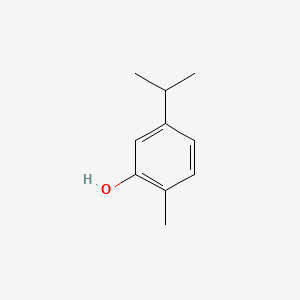
| The Content Variation of Natural Product Induced by Different Factor(s) | |||||||||||||||||||||||||||||||||||||||||||||||||||||||||||||||||||||||||||||||||||||||||
|---|---|---|---|---|---|---|---|---|---|---|---|---|---|---|---|---|---|---|---|---|---|---|---|---|---|---|---|---|---|---|---|---|---|---|---|---|---|---|---|---|---|---|---|---|---|---|---|---|---|---|---|---|---|---|---|---|---|---|---|---|---|---|---|---|---|---|---|---|---|---|---|---|---|---|---|---|---|---|---|---|---|---|---|---|---|---|---|---|---|
| Species Name: Artemisia annua | |||||||||||||||||||||||||||||||||||||||||||||||||||||||||||||||||||||||||||||||||||||||||
| Factor Name: Cultivar Comparison | [1] | ||||||||||||||||||||||||||||||||||||||||||||||||||||||||||||||||||||||||||||||||||||||||
| Experiment Detail |
Populations of A. annua cultivar 'Jeevanraksha' and accession Suraksha were grown in the experimental field plot of the Institute at New Delhi. The seeds were sown in January 2004, seedlings transplanted in late February 2004 and aerial parts (flowers, leaves and stems from the upper 0.5 m of crop canopy) sampled in late October 2004.
Click to Show/Hide
|
||||||||||||||||||||||||||||||||||||||||||||||||||||||||||||||||||||||||||||||||||||||||
| Factor Function |
Ninety-seven compounds comprising 91.3% of the total oil of 'Jeevanraksha' were identified. Forty-three monoterpenes (56.6%), 32 sesquiterpenes (31.1%), and 2 diterpenes (0.2%) comprised bulk of the oil (87.9%). The oil was devoid of artemisia ketone and contained camphor (13.5%), 1,8-cineole (9.4%), trans-sabinol (7.1%), p-mentha-1(7), 5-dien-2-ol (6.3%), myrcene (4.7%), germacrene D (4.4%), (E)-beta-farnesene (3.9%), beta-caryophyllene (3.7%), dihydroartemisinic lactone (3.0%) and p-cymene (2.0%) as the major constituents. Eighty-six compounds representing 93.3% of the composition were identified in the Suraksha oil. This oil contained artemisia ketone (47%), 1,8-cineole (8.4%), camphor (5.9%) and alpha-pinene (5.2%) as the major components.
Click to Show/Hide
|
||||||||||||||||||||||||||||||||||||||||||||||||||||||||||||||||||||||||||||||||||||||||
| Factor | Part | Location | NP Content | ||||||||||||||||||||||||||||||||||||||||||||||||||||||||||||||||||||||||||||||||||||||
|
Artemisia annua accessions Suraksha
|
Aerial parts | India |
NP Content: 0.1 %
|
||||||||||||||||||||||||||||||||||||||||||||||||||||||||||||||||||||||||||||||||||||||
|
Artemisia annua cv. Jeevanraksha
|
Aerial parts | India |
NP Content: <0.05 %
|
||||||||||||||||||||||||||||||||||||||||||||||||||||||||||||||||||||||||||||||||||||||
| Species Name: Artemisia arborescens | |||||||||||||||||||||||||||||||||||||||||||||||||||||||||||||||||||||||||||||||||||||||||
| Factor Name: Locality Variation | [2] | ||||||||||||||||||||||||||||||||||||||||||||||||||||||||||||||||||||||||||||||||||||||||
| Experiment Detail |
Fresh plant samples of A. arborescens growing in Sicily were collected from five different sites: Petru (N 37° 59′ 46″, E 13° 38′ 53″, 69 m); Diga (N 37° 57′ 23″, E 13° 39′ 05″, 198 m), Felice (N 37° 56′ 44″, E 13° 36′ 38″, 484 m), Torto (N 37° 57′ 53″, E 13° 46′ 30″, 55 m) and Artese (N 37° 58′ 28″, E 13° 44′ 13″, 10 m) in January 2010.
Click to Show/Hide
|
||||||||||||||||||||||||||||||||||||||||||||||||||||||||||||||||||||||||||||||||||||||||
| Factor Function |
Forty-three compounds, accounting for more than 92% of the oil, were identified. Monoterpene fraction with the exception of Petru population was higher than the sesquiterpene fraction. beta-Thujone (20.5-55.9%), chamazulene (15.2-49.4%), camphor (1.3-10.7%) and germacrene D (2.3-3.4%) were the main compounds.
Click to Show/Hide
|
||||||||||||||||||||||||||||||||||||||||||||||||||||||||||||||||||||||||||||||||||||||||
| Factor | Part | Location | NP Content | ||||||||||||||||||||||||||||||||||||||||||||||||||||||||||||||||||||||||||||||||||||||
|
Locality: Petru, Sicily
|
Aerial parts | Sicily |
NP Content: 0.1 %
|
||||||||||||||||||||||||||||||||||||||||||||||||||||||||||||||||||||||||||||||||||||||
|
Locality: Diga, Sicily
|
Aerial parts | Sicily |
NP Content: 0.2 %
|
||||||||||||||||||||||||||||||||||||||||||||||||||||||||||||||||||||||||||||||||||||||
|
Locality: Venti, Sicily
|
Aerial parts | Sicily |
NP Content: 0.3 %
|
||||||||||||||||||||||||||||||||||||||||||||||||||||||||||||||||||||||||||||||||||||||
|
Locality: Arte, Sicily
|
Aerial parts | Sicily |
NP Content: 1.6 %
|
||||||||||||||||||||||||||||||||||||||||||||||||||||||||||||||||||||||||||||||||||||||
| Species Name: Baccharis spartioides | |||||||||||||||||||||||||||||||||||||||||||||||||||||||||||||||||||||||||||||||||||||||||
| Factor Name: Altitude Variation | [3] | ||||||||||||||||||||||||||||||||||||||||||||||||||||||||||||||||||||||||||||||||||||||||
| Experiment Detail |
Aerial parts of endemic pichana were harvested in December 1996 at different localities of northern Patagonia. Origin: Planicie Banderita, Dept. Confluencia, Province of NeuquCn. Habitat: altitude, 327 m; average temperature in the station, 21.8 ℃; annual precipitation, 125 mm; sandy soils. Aerial parts (5 kg, 2 kg of dried material;humidity, 11%) from four well developed plants at the fullflowering stage (December, 1996). Sample 2 : Origin: RincBn de 10s; Sauces, Dept. of Pehuenclies, Province of Neuqukn. Habitat: altitude, 750 m; average temperature in the station, 20.9 ℃; annual precipitation, 147 mm; sandy and gritty salty soils. Aerial parts (5 kg, 1.85 kg of dried material, humidity, 10%), from two well developed plants at the full flowering stage, and after several days copious rains (December, 1996). Sample 3: Origin: Coronel GBmez, Dept. General Roca, Province of Rio Negro. Habitat: altitude, 242 m; average temperature in the station, 22.5 ℃; annual precipitation, 179 mm; sandy and stony soils. Aerial parts (4.5 kg, 1.3 kg of dried material, humidity, 9%), from 12 young plants at the beginning flowering stage (December, 1996).
Click to Show/Hide
|
||||||||||||||||||||||||||||||||||||||||||||||||||||||||||||||||||||||||||||||||||||||||
| Factor Function |
Fifty-four components, representing approximately 84.6-97.4% of the oil samples, were identified. The samples consisted mainly of hydrocarbons and oxygenated monoterpenes. The major constituents were limonene (28.7-56.7%), 6R-7R-bisabolone (3.2-9.1%), sabinene (0.1-11.0%) and citronellal (2.4-5.2%). Significant differences among the content of the three samples could be the result of changes in the climatic conditions (sample 2: Rincon de los Sauces, Province of Neuquen, after strong rains) or by translocations in different parts of the plant (sample 3: Coronel Gomez, Province of Rio Negro, more leaves and less stems).
Click to Show/Hide
|
||||||||||||||||||||||||||||||||||||||||||||||||||||||||||||||||||||||||||||||||||||||||
| Factor | Part | Location | NP Content | ||||||||||||||||||||||||||||||||||||||||||||||||||||||||||||||||||||||||||||||||||||||
|
Locality: Planicie Banderita, Province of Neuquen; Altitude 327 m
|
Aerial parts | Patagonia, Argentina |
NP Content: <0.1 %
|
||||||||||||||||||||||||||||||||||||||||||||||||||||||||||||||||||||||||||||||||||||||
|
Locality: Rincon de los Sauces, Province of Neuquen; Altitude 750 m
|
Aerial parts | Patagonia, Argentina |
NP Content: <0.1 %
|
||||||||||||||||||||||||||||||||||||||||||||||||||||||||||||||||||||||||||||||||||||||
|
Locality: Coronel Gomez, Province of Rio Negro; Altitude 242 m
|
Aerial parts | Patagonia, Argentina |
NP Content: <0.1 %
|
||||||||||||||||||||||||||||||||||||||||||||||||||||||||||||||||||||||||||||||||||||||
| Species Name: Coriandrum sativum | |||||||||||||||||||||||||||||||||||||||||||||||||||||||||||||||||||||||||||||||||||||||||
| Factor Name: Locality Variation | [4] | ||||||||||||||||||||||||||||||||||||||||||||||||||||||||||||||||||||||||||||||||||||||||
| Experiment Detail |
Two samples (20 kg each) of mature coriander (Coriandrum sativum L.) fruits were used for this study. The first was purchased from a spice market of Korba in Tunisia (Tn), the second, from Canada (Can), was supplied by General Herboristerie Laboratory (Marseille, France).
Click to Show/Hide
|
||||||||||||||||||||||||||||||||||||||||||||||||||||||||||||||||||||||||||||||||||||||||
| Factor Function |
The first from Tunisia (Tn) and the second from Canada (Can). The highest essential oil yield was observed for Can with 0.44% (w/w) and 0.37% (w/w) for Tn. Forty-five compounds were identified in the essential oils and the main compound of both samples was linalool. The total phenol contents varied between two coriander fruit samples; Can sample presented high polyphenol contents (15.16 mg GAE/g) compared with Tn one (12.10 mg GAE/g). Significant differences were also found in total tannin contents among representing 0.7 mg GAE/g in Can and 0.34 mg GAE/g in Tn. The highest contents of total flavonoids were observed in Can sample with 13.2 mg CE/g.
Click to Show/Hide
|
||||||||||||||||||||||||||||||||||||||||||||||||||||||||||||||||||||||||||||||||||||||||
| Factor | Part | Location | NP Content | ||||||||||||||||||||||||||||||||||||||||||||||||||||||||||||||||||||||||||||||||||||||
|
Locality: Canada
|
Fruits | Canada |
NP Content: < 0.1 %
|
||||||||||||||||||||||||||||||||||||||||||||||||||||||||||||||||||||||||||||||||||||||
| Species Name: Ducrosia anethifolia | |||||||||||||||||||||||||||||||||||||||||||||||||||||||||||||||||||||||||||||||||||||||||
| Factor Name: Locality Variation | [5] | ||||||||||||||||||||||||||||||||||||||||||||||||||||||||||||||||||||||||||||||||||||||||
| Experiment Detail |
The aerial parts of Ducrosia anethifolia (DC.) Boiss. were collected in the wild from Mehdi Abad (Kerman province, in southern Iran) at the flowering stage in June 2006. The material was dried at room temperature.
Click to Show/Hide
|
||||||||||||||||||||||||||||||||||||||||||||||||||||||||||||||||||||||||||||||||||||||||
| Factor Function |
The 63 components of this interesting plant were identified in the oil of D. anethifolia, representing 94.0% of the oil. alpha-Pinene (11.6%), terpinolene(3.2%) and (z)-beta-ocimene (2.8%) were the main hydrocarbon components present in the oil, while decanal (54.0%), cis-chrysanthenyl acetate(3.2%) and decanoic acid (1.3%) were the major oxygen-containing constituents.
Click to Show/Hide
|
||||||||||||||||||||||||||||||||||||||||||||||||||||||||||||||||||||||||||||||||||||||||
| Factor | Part | Location | NP Content | ||||||||||||||||||||||||||||||||||||||||||||||||||||||||||||||||||||||||||||||||||||||
|
Locality: Larestan, Iran
|
Aerial parts | Iran |
NP Content: 1.6 %
|
||||||||||||||||||||||||||||||||||||||||||||||||||||||||||||||||||||||||||||||||||||||
|
Locality: Kerman, Iran
|
Aerial parts | Iran |
NP Content: 0.2 %
|
||||||||||||||||||||||||||||||||||||||||||||||||||||||||||||||||||||||||||||||||||||||
| Species Name: Eucalyptus grandis | |||||||||||||||||||||||||||||||||||||||||||||||||||||||||||||||||||||||||||||||||||||||||
| Factor Name: Seasonal Variation | [6] | ||||||||||||||||||||||||||||||||||||||||||||||||||||||||||||||||||||||||||||||||||||||||
| Experiment Detail |
Eucalyptus urophylla and E. grandis were collected in January (summer) and August (winter) 2006 at the mature vegetative state from Goiania city Brazil, and identified by one of the authors (E.P.F.). Leaves from 5-11 randomized individual plants of the same age representing the local population were collected as homogenous samples in each season, dried at room temperature.
Click to Show/Hide
|
||||||||||||||||||||||||||||||||||||||||||||||||||||||||||||||||||||||||||||||||||||||||
| Factor Function |
The results were submitted to Principal Components and Clusters Analysis which enabled four groups of oils to be distinguished with regard to specimens and harvest seasons: clusters I and II with only E. grandis samples collected in the cold and dry winter and the hot and humid summer, which were characterized by a high percentage of isoleptospermone (9.6% and 13.2%), alpha-pinene (12.2% and 24.7%), p-cymene (20.5% and 14.5%), and alpha-terpineol (14.3% and 4.9%), respectively; clusters III and IV only associated with E. urophylla samples collected in summer and winter with 1,8-cineole (36.6% and 44.7%) and alpha-terpinyl acetate (7.0% and 11.7%) rich oils.
Click to Show/Hide
|
||||||||||||||||||||||||||||||||||||||||||||||||||||||||||||||||||||||||||||||||||||||||
| Factor | Part | Location | NP Content | ||||||||||||||||||||||||||||||||||||||||||||||||||||||||||||||||||||||||||||||||||||||
|
Harvesting time: Summer
|
Whole plant | Brazil |
NP Content: 0.1 %
|
||||||||||||||||||||||||||||||||||||||||||||||||||||||||||||||||||||||||||||||||||||||
| Species Name: Fragaria vesca | |||||||||||||||||||||||||||||||||||||||||||||||||||||||||||||||||||||||||||||||||||||||||
| Factor Name: Cultivar Comparison | [7] | ||||||||||||||||||||||||||||||||||||||||||||||||||||||||||||||||||||||||||||||||||||||||
| Experiment Detail |
Whole leaves and inflorescences of two wild strawberry cultivars ('Rugia' and 'Baron von Solemacher') harvested in 2008 during the agrotechnical experiment performed by Department of Vegetable and Medicinal Plants, University of Life Sciences in Lublin, were used as a material for determinations. Samples were collected before noon at sunny and dry days at the beginning of wild strawberry's flowering stage. Material was dried up to 35 ℃ in shadow and air just after the harvest.
Click to Show/Hide
|
||||||||||||||||||||||||||||||||||||||||||||||||||||||||||||||||||||||||||||||||||||||||
| Factor Function |
Depending on a cultivar, air-dry inflorescences from wild strawberry contain from 0.21% ('Baron von Solemacher' cv.) to 0.30% ('Rugia' cv.), whereas leaves contains from 0.46% ('Baron von Solemacher' cv.) to 0.62% ('Rugia' cv.) of essential oils. GC/MS analysis of essential oils achieved from studied materials revealed presence of 70 (including 59 identified) compounds in leaves of 'Rugia' cv. and 58 (including 50 identified) compounds in leaves of 'Baron von Solemacher' cv. Essential oils from inflorescences of 'Rugia' cv. contained 52 (including 47 identified), while 'Baron von Solemacher' cv. contained 54 (including 46 identified) compounds. The chromatographic analyses by GC-MS revealed that myrthenol, nonal, linalool and phthalide dibuthyl dominated in essential oils obtained from leaves, while myrthenol, citronelol, linalool and geraniol - from those of inflorescences. There were qualitative differences between oil components at both studied materials and differentiation between both cultivars, as well.
Click to Show/Hide
|
||||||||||||||||||||||||||||||||||||||||||||||||||||||||||||||||||||||||||||||||||||||||
| Factor | Part | Location | NP Content | ||||||||||||||||||||||||||||||||||||||||||||||||||||||||||||||||||||||||||||||||||||||
|
Inflorescence: Fragaria vesca cv. Baron von Solemacher
|
Inflorescence | Poland |
NP Content: 4.28 %
|
||||||||||||||||||||||||||||||||||||||||||||||||||||||||||||||||||||||||||||||||||||||
|
Inflorescence: Fragaria vesca cv. Rugia
|
Inflorescence | Poland |
NP Content: 1.76 %
|
||||||||||||||||||||||||||||||||||||||||||||||||||||||||||||||||||||||||||||||||||||||
|
Leaf: Fragaria vesca cv. Baron von Solemacher
|
Leaves | Poland |
NP Content: 5.43 %
|
||||||||||||||||||||||||||||||||||||||||||||||||||||||||||||||||||||||||||||||||||||||
|
Leaf: Fragaria vesca cv. Rugia
|
Leaves | Poland |
NP Content: 3.64 %
|
||||||||||||||||||||||||||||||||||||||||||||||||||||||||||||||||||||||||||||||||||||||
| Species Name: Mentha spicata | |||||||||||||||||||||||||||||||||||||||||||||||||||||||||||||||||||||||||||||||||||||||||
| Factor Name: Month Variation | [8] | ||||||||||||||||||||||||||||||||||||||||||||||||||||||||||||||||||||||||||||||||||||||||
| Experiment Detail |
Plant material: Leaves of M. spicata plants were collected from a wild population of Mt. Pangeon (alt. 600 m, 40° 55′ N/ 24° 12′ E). Collections were conducted every month during the growing period (April to October).
Click to Show/Hide
|
||||||||||||||||||||||||||||||||||||||||||||||||||||||||||||||||||||||||||||||||||||||||
| Factor Function |
The oil content ranged from 0.1-1.8%, with the maximum values in late summer/early autumn. The essential oil obtained from the leaves was characterized by a very high content in linalool, i.e. 85.0-93.9% of the total oil (highest percentage in mid-autumn). Other oil constituents occurring in much lower amounts were germacrene D (up to 4.2%), beta-caryophyllene (up to 2.6%) and 1,8-cineole (up to 2.1%).
Click to Show/Hide
|
||||||||||||||||||||||||||||||||||||||||||||||||||||||||||||||||||||||||||||||||||||||||
| Factor | Part | Location | NP Content | ||||||||||||||||||||||||||||||||||||||||||||||||||||||||||||||||||||||||||||||||||||||
|
Harvesting time: May
|
Leaves | Greece |
NP Content: 0.1 %
|
||||||||||||||||||||||||||||||||||||||||||||||||||||||||||||||||||||||||||||||||||||||
|
Harvesting time: June
|
Leaves | Greece |
NP Content: 0.1 %
|
||||||||||||||||||||||||||||||||||||||||||||||||||||||||||||||||||||||||||||||||||||||
|
Harvesting time: August
|
Leaves | Greece |
NP Content: <0.05 %
|
||||||||||||||||||||||||||||||||||||||||||||||||||||||||||||||||||||||||||||||||||||||
| Species Name: Nigella sativa | |||||||||||||||||||||||||||||||||||||||||||||||||||||||||||||||||||||||||||||||||||||||||
| Factor Name: Water Stress Treatment | [9] | ||||||||||||||||||||||||||||||||||||||||||||||||||||||||||||||||||||||||||||||||||||||||
| Experiment Detail |
The seeds of N. sativa were collected in summer 1996 from Ghazvin. Seeds cultivated at the research station of Karaje, and field work was designed according to a split plot design where plants were exposed to water stress by withholding regular irrigations over 4(T1), 8(T2), 12(T3) and 16(T4) day period and 760 m3 ha-1. Water was only received by the plants during time of irrigation. After ripening of fruit, seeds were collected and their oils were isolated
Click to Show/Hide
|
||||||||||||||||||||||||||||||||||||||||||||||||||||||||||||||||||||||||||||||||||||||||
| Factor Function |
Water stress was effective on content of essential oil. Thymoquinone that is one important medical compound in this plant, was 57.78% in irrigation over 12 days.
Click to Show/Hide
|
||||||||||||||||||||||||||||||||||||||||||||||||||||||||||||||||||||||||||||||||||||||||
| Factor | Part | Location | NP Content | ||||||||||||||||||||||||||||||||||||||||||||||||||||||||||||||||||||||||||||||||||||||
|
Irrigation over 4 days
|
Seeds | Hyderabad, India |
NP Content: 0.5 %
|
||||||||||||||||||||||||||||||||||||||||||||||||||||||||||||||||||||||||||||||||||||||
|
Irrigation over 10 days
|
Seeds | Hyderabad, India |
NP Content: 1 %
|
||||||||||||||||||||||||||||||||||||||||||||||||||||||||||||||||||||||||||||||||||||||
|
Irrigation over 12 days
|
Seeds | Hyderabad, India |
NP Content: 4.2 %
|
||||||||||||||||||||||||||||||||||||||||||||||||||||||||||||||||||||||||||||||||||||||
|
Irrigation over 16 days
|
Seeds | Hyderabad, India |
NP Content: 4 %
|
||||||||||||||||||||||||||||||||||||||||||||||||||||||||||||||||||||||||||||||||||||||
| Species Name: Origanum vulgare | |||||||||||||||||||||||||||||||||||||||||||||||||||||||||||||||||||||||||||||||||||||||||
| Factor Name: Drought Stress Treatment; NaCl Treatment | [10] | ||||||||||||||||||||||||||||||||||||||||||||||||||||||||||||||||||||||||||||||||||||||||
| Experiment Detail |
A pot trail study was carried out during the two successive seasons of 2007/2008 and 2008/2009 under the natural conditions of the greenhouse of the National Research Center, Dokki, Giza, Egypt. The soil texture was sandy loam, having a physical composition as follows: 45.70% sand, 28.40% silt, 25.90% clay and 0.85% organic matter. The results of soil chemical analysis were as follows: pH= 8.05; E.C (dsm-1) = 0.81; and total nitrogen =0.09 %; available phosphorus =2.26′g/100gram; potassium= 18.85 mg/100gram; Field capacity, permanent wilting point, available soil moisture (A.S.M) and bulk density (B.D.), as means over the two seasons were 34.0 %, 16.0 % 18.0 % and 1.36 g/cm3, respectively. Seeds of oregano were obtained from Jellitto Standensamen Gmbh, Schwarmstedt, Germany. The seeds were sown in the nursery on 15th November during both seasons. The seedlings were transplanted into pots (30 cm diameter, 50 cm depth) on the 15th February of each season. Each pot contained three seedlings and was placed in full sun light. Each pot was filled with 10 kg of air dried soil. Two levels of potassium humate (0.0 and 1.5 g/pot) was applied to the soil with water irrigation application at three equal portions before each cut in both seasons. Then after one month from transplanting, irrigation treatments were applied to the oregano plants (90, 60 and 30% available soil moisture) equal to 32.20., 26.80 and 21.40 soil moisture. The pots were separated into two sets, the first set irrigated with tap water (0.40 dsm-1), and the second set irrigated with Nacl solution (4 dsm-1). Pots were weighted daily and when soil moisture percentage reached the aforementioned points, pots were irrigated to reach field capacity (34.0% soil moisture). The differences between the needed soil moisture for the previous treatments and field capacity were calculated and added to the pots in the different treatments. The experimental layout was factorial experiment in complete randomized design (CRD) with three replications. Each replicate contained ten pots, while the pot contained three plants. Herbal fresh weight (g/plant ) of each replicate was determined in the first, second and third cuts at 31 May, 31 July and 30 September, respectively before flowering stage in both seasons.
Click to Show/Hide
|
||||||||||||||||||||||||||||||||||||||||||||||||||||||||||||||||||||||||||||||||||||||||
| Factor Function |
Herb fresh weight g/plant and the content and yield ml/plant of essential oil were decreased significantly by using saline water irrigation compared to fresh water irrigation. Herb fresh weight g /plant and essential oil yield ml/plant of Origanum vulgare L were significantly decreased with the rise in water stress levels. Whereas, there was significant increase in essential oil % by using lower level of available soil moisture (30% ASM) followed by 90% ASM and then 60% ASM contained the highest values of essential oil %. Fresh herb and essential oil production increased significantly with K-humate application. The maximum of herb fresh and essential oil yields were obtained from plants irrigated with 90% available soil moisture fresh water combined with k-humate fertilizer 1.5 g/pot. Essential oil % recorded their maximum value from plants irrigated with 60% ASM fresh water combined with 1.5 g/pot K-humate. Totally, 20 compounds were identified in essential oils of three populations by means of GLC. Carvacrol was the dominant compound (46.44-77.96%) for all essential oil samples, followed by p-cymene (5.31-19.30%) and gamma-terpinene (3.38-16.42%). The composition of essential oil of oregano was affected by soil moisture regimes using fresh and saline water irrigation and potassium humate fertilization.
Click to Show/Hide
|
||||||||||||||||||||||||||||||||||||||||||||||||||||||||||||||||||||||||||||||||||||||||
| Factor | Part | Location | NP Content | ||||||||||||||||||||||||||||||||||||||||||||||||||||||||||||||||||||||||||||||||||||||
|
Fresh water (30% available soil moisture)
|
Whole plant | Egypt |
NP Content: 60.36 %
|
||||||||||||||||||||||||||||||||||||||||||||||||||||||||||||||||||||||||||||||||||||||
|
Fresh water (60% available soil moisture)
|
Whole plant | Egypt |
NP Content: 67.17 %
|
||||||||||||||||||||||||||||||||||||||||||||||||||||||||||||||||||||||||||||||||||||||
|
Fresh water (90% available soil moisture)
|
Whole plant | Egypt |
NP Content: 77.96 %
|
||||||||||||||||||||||||||||||||||||||||||||||||||||||||||||||||||||||||||||||||||||||
|
Saline water (30% available soil moisture)
|
Whole plant | Egypt |
NP Content: 58.02 %
|
||||||||||||||||||||||||||||||||||||||||||||||||||||||||||||||||||||||||||||||||||||||
|
Saline water (60% available soil moisture)
|
Whole plant | Egypt |
NP Content: 46.44 %
|
||||||||||||||||||||||||||||||||||||||||||||||||||||||||||||||||||||||||||||||||||||||
|
Saline water (90% available soil moisture)
|
Whole plant | Egypt |
NP Content: 57.79 %
|
||||||||||||||||||||||||||||||||||||||||||||||||||||||||||||||||||||||||||||||||||||||
| Species Name: Pimpinella tragioides | |||||||||||||||||||||||||||||||||||||||||||||||||||||||||||||||||||||||||||||||||||||||||
| Factor Name: Developmental Stage Variation | [11] | ||||||||||||||||||||||||||||||||||||||||||||||||||||||||||||||||||||||||||||||||||||||||
| Experiment Detail |
Plant materials were collected from Chalous Road (north of Tehran province) both at the flowering stage in June and the seed stage in September 2003. The fresh plants were dried at room temperature. Dried stems/leaves (S/L) (collected during flowering stage), seeds (S) were hydrodistilled for 3 h in a Clevenger-type apparatus to produce the oils.
Click to Show/Hide
|
||||||||||||||||||||||||||||||||||||||||||||||||||||||||||||||||||||||||||||||||||||||||
| Factor Function |
The major constituent in the stem/leaf oil was trans-alpha-bergamotene (77.1%), whereas the major constituent of the seed oil was pregeijerene (87.0%). Nonadecane (8.6%) were the other major constituents in the stem/leaf.
Click to Show/Hide
|
||||||||||||||||||||||||||||||||||||||||||||||||||||||||||||||||||||||||||||||||||||||||
| Factor | Part | Location | NP Content | ||||||||||||||||||||||||||||||||||||||||||||||||||||||||||||||||||||||||||||||||||||||
|
Leaf and stem: flowering stage
|
Leaves and stems | Iran |
NP Content: 0.6 %
|
||||||||||||||||||||||||||||||||||||||||||||||||||||||||||||||||||||||||||||||||||||||
| Species Name: Pulicaria dysenterica | |||||||||||||||||||||||||||||||||||||||||||||||||||||||||||||||||||||||||||||||||||||||||
| Factor Name: Locality Variation | [12] | ||||||||||||||||||||||||||||||||||||||||||||||||||||||||||||||||||||||||||||||||||||||||
| Experiment Detail |
Aerial parts of P. dysenterica were collected during the flowering stage from two different locations in Greece in August 2002. Sample A: Katara (Perfecture Trikala). Sample B: Arahova (Perfecture Viotia).
Click to Show/Hide
|
||||||||||||||||||||||||||||||||||||||||||||||||||||||||||||||||||||||||||||||||||||||||
| Factor Function |
Fifty-four components were identified representing 80.5% (sample A) and 72.6% (sample B) of the total oils. The main components in sample A were (Z)-nerolidol (11.2%), caryophyllene oxide (9.1%) and (E)-nerolidol (6.6%), while those of sample B were beta-caryophyllene (12.8%), caryophyllene oxide (12.8%) and (E)-nerolidol (6.9%).
Click to Show/Hide
|
||||||||||||||||||||||||||||||||||||||||||||||||||||||||||||||||||||||||||||||||||||||||
| Factor | Part | Location | NP Content | ||||||||||||||||||||||||||||||||||||||||||||||||||||||||||||||||||||||||||||||||||||||
|
Locality: Katara, Perfecture Trikala, Greece
|
Aerial parts | Greece |
NP Content: <0.1 %
|
||||||||||||||||||||||||||||||||||||||||||||||||||||||||||||||||||||||||||||||||||||||
|
Locality: Arahova, Perfecture Viotia, Greece
|
Aerial parts | Greece |
NP Content: <0.1 %
|
||||||||||||||||||||||||||||||||||||||||||||||||||||||||||||||||||||||||||||||||||||||
| Species Name: Ruta chalepensis | |||||||||||||||||||||||||||||||||||||||||||||||||||||||||||||||||||||||||||||||||||||||||
| Factor Name: Developmental Stage Variation | [13] | ||||||||||||||||||||||||||||||||||||||||||||||||||||||||||||||||||||||||||||||||||||||||
| Experiment Detail |
Ruta chalepensis seedlings were sown in the field in January 1999. Leaf materials were collected at vegetative stage (25th August 1999, plant height 60 cm, temp. min. 26.4 ℃, max. 35.6 ℃) and at budding stage (25th February 1999, plant height 115 cm, temp. min. 9.6 ℃, ma. 26.2 ℃). At flowering stage (2Sth March 2000, plant height 118 cm, temp. min. 14.3 ℃, max. 29.7 ℃), both leaves and flowers were collected; at fruiting stage (25th April 2000, plant height 119 cm, temp. min. 21.5 ℃, max. 39.1 ℃), leaves and fruits were again collected for oil isolation and analysis.
Click to Show/Hide
|
||||||||||||||||||||||||||||||||||||||||||||||||||||||||||||||||||||||||||||||||||||||||
| Factor Function |
Analysis of the oils from R. chalepensis showed that the major constituents of oils were 2-undecanone, 2-nonanone, 2- nonyl-acetate and 2-dodecanone. 2-Undecanone was found to reach a maximum in the flower oil followed by fruit and leaf oils. The quantity of 2-undecanone was highest in the leaves when the plants were young and in the vegetative stage, and it gradually decreased when the plants started flowering and fruiting. 2-Nonanone, on the other hand, was at its maximum in the Leaf oil followed by flower and fruit oils. The quantity of 2-nonanone in the leaves gradually increased from the vegetative stage to the flowering stage and was highest during fruiting stage. The concentration of 2-nonyl acetate was observed to be highest in the leaves during the vegetative stage, while 2-dodecanone was at its maximum in the fruits. Lina-lool, an important aromatic compound, has been found to be highest in flowers. Gamma-Terpinene and 6-methyl-5-hepten-2-one were observed only in vegetative stage of the plants. During the flowering and fruiting stages they could not be detected. Pregeijerene was observed during flowering only, while geijerene was observed both during flowering and fruiting; however, this compound was found in leaves.
Click to Show/Hide
|
||||||||||||||||||||||||||||||||||||||||||||||||||||||||||||||||||||||||||||||||||||||||
| Factor | Part | Location | NP Content | ||||||||||||||||||||||||||||||||||||||||||||||||||||||||||||||||||||||||||||||||||||||
|
Flower: Flowering stage
|
Flowers | Lucknow, India |
NP Content: 0.1 %
|
||||||||||||||||||||||||||||||||||||||||||||||||||||||||||||||||||||||||||||||||||||||
|
Leaf: Flowering stage
|
Leaves | Lucknow, India |
NP Content: 0.01 %
|
||||||||||||||||||||||||||||||||||||||||||||||||||||||||||||||||||||||||||||||||||||||
| Species Name: Salvia aucheri | |||||||||||||||||||||||||||||||||||||||||||||||||||||||||||||||||||||||||||||||||||||||||
| Factor Name: Variety Comparison | [14] | ||||||||||||||||||||||||||||||||||||||||||||||||||||||||||||||||||||||||||||||||||||||||
| Experiment Detail |
S. aucheri var. aucheri was collected in Karaman: Ermenek to Mutt Road on July 19,1995; Salvia aucheri var. canescens was collected in Karaman: Ermenek, Tekecati Valley on July 19,1995.
Click to Show/Hide
|
||||||||||||||||||||||||||||||||||||||||||||||||||||||||||||||||||||||||||||||||||||||||
| Factor Function |
Eighty components were characterized in the Salvia aucheri var. aucheri oil, with camphor (21.1%), 1, 8-cineole (20.3%), borneol (7.8%), spathulenol (6.3%) and camphene (5.3%) as major constituents. 1, 8-Cineole (25.2%), camphor (17.9%), borneol (10.6%), alpha-pinene (5.4%) and camphene (5.3%) were identified as major constituents among the 88 components characterized in the oil of Salvia aucheri var. canescens.
Click to Show/Hide
|
||||||||||||||||||||||||||||||||||||||||||||||||||||||||||||||||||||||||||||||||||||||||
| Factor | Part | Location | NP Content | ||||||||||||||||||||||||||||||||||||||||||||||||||||||||||||||||||||||||||||||||||||||
|
Salvia aucheri var. aucheri
|
Aerial parts | Karaman, Turkey |
NP Content: 1 %
|
||||||||||||||||||||||||||||||||||||||||||||||||||||||||||||||||||||||||||||||||||||||
| Species Name: Salvia euphratica | |||||||||||||||||||||||||||||||||||||||||||||||||||||||||||||||||||||||||||||||||||||||||
| Factor Name: Variety Comparison | [15] | ||||||||||||||||||||||||||||||||||||||||||||||||||||||||||||||||||||||||||||||||||||||||
| Experiment Detail |
Aerial parts of both varieties(Salvia euphratica Montbret et Aucher ex Benth. var. euphratica and Salvia euphratica Montbret et Aucher ex Benth. var. leiocalycina) were collected in Malatya, Turkey in June 1999.
Click to Show/Hide
|
||||||||||||||||||||||||||||||||||||||||||||||||||||||||||||||||||||||||||||||||||||||||
| Factor Function |
Ninety-five compounds in var. euphratica and 94 compounds in var. leiocalycina were characterized representing 93% and 95% of the total components detected, respectively, with 1,8-cineole (13.8% and 15.2%) and myrtenyl acetate (15.9% and 13.9%) as main constituents.
Click to Show/Hide
|
||||||||||||||||||||||||||||||||||||||||||||||||||||||||||||||||||||||||||||||||||||||||
| Factor | Part | Location | NP Content | ||||||||||||||||||||||||||||||||||||||||||||||||||||||||||||||||||||||||||||||||||||||
|
Salvia euphratica var. euphratica
|
Flowering aerial parts | Turkey |
NP Content: 0.2 %
|
||||||||||||||||||||||||||||||||||||||||||||||||||||||||||||||||||||||||||||||||||||||
|
Salvia euphratica var. leiocalycina
|
Flowering aerial parts | Turkey |
NP Content: 0.3 %
|
||||||||||||||||||||||||||||||||||||||||||||||||||||||||||||||||||||||||||||||||||||||
| Species Name: Salvia sclarea | |||||||||||||||||||||||||||||||||||||||||||||||||||||||||||||||||||||||||||||||||||||||||
| Factor Name: Altitude Variation | [16] | ||||||||||||||||||||||||||||||||||||||||||||||||||||||||||||||||||||||||||||||||||||||||
| Experiment Detail |
Clones of T. daenensis populations were collected from 11 locations including seven locations in Fars and four locations in Kohkiluyeh provinces of Iran. The clones of T. daenensis populations were transplanted to the farm at IANRRC Research Station, located in NajafAbad (18 km west Isfahan, 32° 36′ N, 51° 26′ E and 1612 m asl) in March 2002 . Clones were grown in 5 × 2 m plots with 50 × 50 cm planting density. Fertilizers were applied prior to planting at a rate of 60 kg P/ha and 50 kg N/ha. After 3 years (2004), the aerial parts of plants were harvested at full flowering stage, dried at room temperature, and stored until analysis inside paper bags in a cool and dark place. Td1 (Fars Province, Eghlid, Asepas; Altitude: 2000); Td2 (Fars Province, Sourian, Bavanat; Altitude: 2500); Td3 (Fars Province, Abadeh, Keverlar; Altitude: 2280); Td4 (Fars Province, Abadeh -Shiraz Rd, Kolikosh; Altitude: 2400); Td5 (Fars Province, Shiraz -Yasouj Rd, Komehr; Altitude: 2415); Td6 (Fars Province, Yasouj -Shiraz Rd, Margoon; Altitude: 2170); Td7 (Fars Province, Shiraz -Isfahan Rd, Pasargad; Altitude: 2190); Td8 (Kohkiluyeh Province, Sisakht, Gol; Altitude: 2570); Td9 (Kohkiluyeh Province, Kakan; Altitude: 2200); Td10 (Kohkiluyeh Province, Yasouj -Sepidan Rd, Mahparviz; Altitude: 2660); Td11 (Kohkiluyeh Province, Sepidar, Pazanan; Altitude: 2600).
Click to Show/Hide
|
||||||||||||||||||||||||||||||||||||||||||||||||||||||||||||||||||||||||||||||||||||||||
| Factor Function |
Carvacrol, thymol and geraniol were found as the main constituents in the oils of the tested populations. Variation of the oils in populations was subjected to cluster analysis and three different chemotypes including carvacrol (47.3-80.1%), thymol (53.1-72.2%) and geraniol (65.6-75.7%) were identiified. Other important components were beta-caryophyllene (1.7-9%), p-cymene (0.1-10.9%) and gamma-terpinene (0.1-7.8%). Although Thymus is known as having high thymol content in its oil, it is revealed that T. daenensis subsp. daenensis has also a high potential for carvacrol and geraniol constituents in the oil. The largest similarity of the oil components of populations was detected between Td4 and Td7 and the lowest was revealed between Td8 and Td9. The differences in the oil content and composition of the populations could be attributed to their genetic variability and they could be a good genetic source for breeding purposes.
Click to Show/Hide
|
||||||||||||||||||||||||||||||||||||||||||||||||||||||||||||||||||||||||||||||||||||||||
| Factor | Part | Location | NP Content | ||||||||||||||||||||||||||||||||||||||||||||||||||||||||||||||||||||||||||||||||||||||
|
Locality: Asepas, Eghlid, Fars Province, Iran; Altitude 2000 m
|
Aerial parts | Iran |
NP Content: 9.2 %
|
||||||||||||||||||||||||||||||||||||||||||||||||||||||||||||||||||||||||||||||||||||||
|
Locality: Bavanat, Sourian, Fars Province, Iran; Altitude 2500 m
|
Aerial parts | Iran |
NP Content: 58.9 %
|
||||||||||||||||||||||||||||||||||||||||||||||||||||||||||||||||||||||||||||||||||||||
|
Locality: Keverlar, Abadeh, Fars Province, Iran; Altitude 2280 m
|
Aerial parts | Iran |
NP Content: 80.1 %
|
||||||||||||||||||||||||||||||||||||||||||||||||||||||||||||||||||||||||||||||||||||||
|
Locality: Kolikosh, Abadeh -Shiraz Rd, Fars Province, Iran; Altitude 2400 m
|
Aerial parts | Iran |
NP Content: 57.4 %
|
||||||||||||||||||||||||||||||||||||||||||||||||||||||||||||||||||||||||||||||||||||||
|
Locality: Komehr, Shiraz-Yasouj Rd, Fars Province, Iran; Altitude 2415 m
|
Aerial parts | Iran |
NP Content: 73.4 %
|
||||||||||||||||||||||||||||||||||||||||||||||||||||||||||||||||||||||||||||||||||||||
|
Locality: Pasargad, Shiraz-Isfahan Rd, Fars Province, Iran; Altitude 2190 m
|
Aerial parts | Iran |
NP Content: 61.3 %
|
||||||||||||||||||||||||||||||||||||||||||||||||||||||||||||||||||||||||||||||||||||||
|
Locality: Gol, Sisakht, Kohkiluyeh Province, Iran; Altitude 2570 m
|
Aerial parts | Iran |
NP Content: 8.8 %
|
||||||||||||||||||||||||||||||||||||||||||||||||||||||||||||||||||||||||||||||||||||||
|
Locality: Kakan, Kohkiluyeh Province, Iran; Altitude 2200 m
|
Aerial parts | Iran |
NP Content: 47.3 %
|
||||||||||||||||||||||||||||||||||||||||||||||||||||||||||||||||||||||||||||||||||||||
|
Locality: Mahparviz, Yasouj -Sepidan Rd, Kohkiluyeh Province, Iran; Altitude 2660 m
|
Aerial parts | Iran |
NP Content: 3 %
|
||||||||||||||||||||||||||||||||||||||||||||||||||||||||||||||||||||||||||||||||||||||
|
Locality: Pazanan, Sepidar, Kohkiluyeh Province, Iran; Altitude 2600 m
|
Aerial parts | Iran |
NP Content: 0.6 %
|
||||||||||||||||||||||||||||||||||||||||||||||||||||||||||||||||||||||||||||||||||||||
| Species Name: Satureja cuneifolia | |||||||||||||||||||||||||||||||||||||||||||||||||||||||||||||||||||||||||||||||||||||||||
| Factor Name: Developmental Stage Variation | [17] | ||||||||||||||||||||||||||||||||||||||||||||||||||||||||||||||||||||||||||||||||||||||||
| Experiment Detail |
Satureja cuneifolia Ten. growing wild in Middle Anatolian provinces of Turkey were collected at various growth stages: a =from Konya, collected in June, before flowering; b = from Konya, collected in July, from flowering plants; c =from Konya, collected in August, full-bloom plants.
Click to Show/Hide
|
||||||||||||||||||||||||||||||||||||||||||||||||||||||||||||||||||||||||||||||||||||||||
| Factor Function |
In the oils of S. cuneifolia, 38 compounds were identified, with thymol (43.6-65.5%), carvacrol (4.7-31.2%), gamma-terpinene (trace-13.7%) and p-cymene (trace-11.5%) being dominant.
Click to Show/Hide
|
||||||||||||||||||||||||||||||||||||||||||||||||||||||||||||||||||||||||||||||||||||||||
| Factor | Part | Location | NP Content | ||||||||||||||||||||||||||||||||||||||||||||||||||||||||||||||||||||||||||||||||||||||
|
Aerial part: Before Flowering stage
|
Aerial parts | Middle Anatolia, Turkey |
NP Content: 4.7 %
|
||||||||||||||||||||||||||||||||||||||||||||||||||||||||||||||||||||||||||||||||||||||
|
Aerial part: Full Blooming stage
|
Aerial parts | Middle Anatolia, Turkey |
NP Content: 7.2 %
|
||||||||||||||||||||||||||||||||||||||||||||||||||||||||||||||||||||||||||||||||||||||
|
Aerial part: Flowering stage
|
Aerial parts | Middle Anatolia, Turkey |
NP Content: 31.2 %
|
||||||||||||||||||||||||||||||||||||||||||||||||||||||||||||||||||||||||||||||||||||||
| Species Name: Satureja hortensis | |||||||||||||||||||||||||||||||||||||||||||||||||||||||||||||||||||||||||||||||||||||||||
| Factor Name: Drought Stress Treatment; Developmental Stage Variation | [18] | ||||||||||||||||||||||||||||||||||||||||||||||||||||||||||||||||||||||||||||||||||||||||
| Experiment Detail |
Seeds of Iranian native savory were obtained from the seed bank of the Research Institute of Forests and Rangelands, Tehran, Iran, and were sown in the field on 30 March 2000. Plants were 0.2 m apart with 0.5 m between rows. For the water stress study, each plot, four rows wide and 10 m long, with four replications in a randomized complete block design, was irrigated regularly with furrow irrigation. The timing of irrigation (frequency and duration) was based on the soil water potential, according to treatment criteria. Soil water potential was monitored using sensors and leaf water potential was measured using a pressure chamber. Five irrigation treatments were determined, consisting of: (a) a control, which was irrigated to full field capacity (FC) during the growing season; (b) two moderate water stress treatments (66% of FC) during vegetative and flowering stages; and (c) two severe water stress treatments during the vegetative and flowering stages (33% of FC). Because the severe treatment during the vegetative stage resulted in stopping of plant growth and adaptation, this treatment was omitted from our studies. For each treatment, measurements of plant height and fresh and dry weight were monitored by destructive harvests of eight randomly selected plants from the centre rows of each plot during the full flowering period. Plants were harvested at the soil surface, immediately weighed (fresh weight) and then oven-dried at 75 ℃ for 48 h and reweighed (dry weight). Also, for essential oil contents, the aerial parts of eight selected plants were collected and air-dried in the shade for 24 h and then were evaluated. All essential oil concentrations reported are based on the harvest of all aerial parts from whole plants.
Click to Show/Hide
|
||||||||||||||||||||||||||||||||||||||||||||||||||||||||||||||||||||||||||||||||||||||||
| Factor Function |
The accumulation of oil increased significantly under severe water stress at the flowering stage, when the mean leaf water potential decreased from -0.5 to -1.6 MPa. This treatment affected the quantity of the essential oils more than moderate water stress during the vegetative and flowering stages. The main oil constituents are carvacrol and gamma-terpinene. The amount of carvacrol increased under moderate stress, while gamma-terpinene content decreased under moderate and severe water stress treatments.
Click to Show/Hide
|
||||||||||||||||||||||||||||||||||||||||||||||||||||||||||||||||||||||||||||||||||||||||
| Factor | Part | Location | NP Content | ||||||||||||||||||||||||||||||||||||||||||||||||||||||||||||||||||||||||||||||||||||||
|
Control: Irrigated to full field capacity during the growing season
|
Aerial parts | Iran |
NP Content: 41.3 %
|
||||||||||||||||||||||||||||||||||||||||||||||||||||||||||||||||||||||||||||||||||||||
|
Low stress (LS1): 66% of field capacity during vegetative stages
|
Aerial parts | Iran |
NP Content: 42.6 %
|
||||||||||||||||||||||||||||||||||||||||||||||||||||||||||||||||||||||||||||||||||||||
|
Low stress (LS2): 66% of field capacity during flowering stages
|
Aerial parts | Iran |
NP Content: 44.5 %
|
||||||||||||||||||||||||||||||||||||||||||||||||||||||||||||||||||||||||||||||||||||||
|
Severe stress (HS): 33% of field capacity during flowering stages
|
Aerial parts | Iran |
NP Content: 40.3 %
|
||||||||||||||||||||||||||||||||||||||||||||||||||||||||||||||||||||||||||||||||||||||
| Species Name: Satureja icarica | |||||||||||||||||||||||||||||||||||||||||||||||||||||||||||||||||||||||||||||||||||||||||
| Factor Name: Locality Variation | [19] | ||||||||||||||||||||||||||||||||||||||||||||||||||||||||||||||||||||||||||||||||||||||||
| Experiment Detail |
The plant material was collected from different regions of Turkey. B = Canakkale: Gokceada, Ulukaya hill, August 1995; C = Canakkale: Gokceada, Doruktepe hill, August 1995; D = Canakkale: Gokceada, Kekliktepe hill, August 1995.
Click to Show/Hide
|
||||||||||||||||||||||||||||||||||||||||||||||||||||||||||||||||||||||||||||||||||||||||
| Factor Function |
Carvacrol (52-56%) was found as the major component of these oils.
Click to Show/Hide
|
||||||||||||||||||||||||||||||||||||||||||||||||||||||||||||||||||||||||||||||||||||||||
| Factor | Part | Location | NP Content | ||||||||||||||||||||||||||||||||||||||||||||||||||||||||||||||||||||||||||||||||||||||
|
Locality: Doruktepe hill, Gokceada, Turkey
|
Aerial parts | Turkey |
NP Content: 52.1 %
|
||||||||||||||||||||||||||||||||||||||||||||||||||||||||||||||||||||||||||||||||||||||
|
Locality: Ulukaya hill, Gokceada, Turkey
|
Aerial parts | Turkey |
NP Content: 52 %
|
||||||||||||||||||||||||||||||||||||||||||||||||||||||||||||||||||||||||||||||||||||||
|
Locality: Kekliktepe hill, Gokceada, Turkey
|
Aerial parts | Turkey |
NP Content: 56 %
|
||||||||||||||||||||||||||||||||||||||||||||||||||||||||||||||||||||||||||||||||||||||
| Species Name: Satureja parnassica ssp. parnassica | |||||||||||||||||||||||||||||||||||||||||||||||||||||||||||||||||||||||||||||||||||||||||
| Factor Name: Month Variation; Developmental Stage Variation | [20] | ||||||||||||||||||||||||||||||||||||||||||||||||||||||||||||||||||||||||||||||||||||||||
| Experiment Detail |
Fresh plant materials were obtained in 2004 and 2005. S. thymbra 1(vegetative stage: just before flowering, date: June 7, 2004, location: Mt. Immitos, altitude(m): 350); S. thymbra 2(vegetative stage: full flowering, date: July 7, 2004, location: Mt. Immitos, altitude(m): 350); S. thymbra 3(vegetative stage: after flowering, date: Aug 7, 2004, location: Mt. Immitos, altitude(m): 350); S. thymbra 4(vegetative stage: fruiting, date: Sept 7, 2004, location: Mt. Immitos, altitude(m): 350); S. thymbra 5(vegetative stage: fruiting, date: Nov 7, 2004, location: Mt. Immitos, altitude(m): 350); S. thymbra 6(vegetative stage: fruiting, date: Feb 7, 2005, location: Mt. Immitos, altitude(m): 350); S. thymbra 7(vegetative stage: before flowering, date: May 7, 2005, location: Mt. Immitos, altitude(m): 350); S. parnassica 8(vegetative stage: before flowering, date: June 16, 2004, location: Mt. Parnon, altitude(m): 1800); S. parnassica 9(vegetative stage: just before flowering, date: July 16, 2004, location: Mt. Parnon, altitude(m): 1800); S. parnassica 10(vegetative stage: full flowering, date: Aug 16, 2004, location: Mt. Parnon, altitude(m): 1800); S. parnassica 11(vegetative stage: after flowering, date: Sept 16, 2004, location: Mt. Parnon, altitude(m): 1800).
Click to Show/Hide
|
||||||||||||||||||||||||||||||||||||||||||||||||||||||||||||||||||||||||||||||||||||||||
| Factor Function |
It is evident that the phytochemical content of the essential oils for both Satureja species varied greatly, depending on the period examined, and showed large prevalence of phenolic content. It must also be pointed out that regardless of the vegetative stage of the plant collected, the sum of the two isomeric phenol monoterpenes (carvacrol and thymol) and their biosynthetic monoterpene precursors p-cymene and gamma-terpinene represented always the bulk of each essential oil (~76%). More specificallysfor both species-during their premature vegetative stage, gamma-terpinene constitutes the major component of their essential oils. The approach of the flowering period results in the simultaneous gradual diminishment of monoterpene precursors and the prevalence of their phenolic metabolites. Thus, essential oils obtained from plants collected during the 'just before their flowering' stage contain thymol as their major component, which constitutes 27.88 and 38.51% of the total oil content for S. thymbra and S. parnassica, respectively. On the other hand, during their full flowering period carvacrol prevails as the major component, accounting for 39.10% for S. thymbra and for 34.61% for S. parnassica. The end of the flowering stage delineates a sharp decrease of carvacrol levels and the predominance of thymol as the major component of the essential oils. A few months later, as the premature vegetative stage approached, the level of gamma-terpinene was restored. The content of p-cymenesthe other major monoterpene precursor-fluctuated seasonally in a manner similar to that shown by gamma-terpinene. Other monoterpene hydrocarbons such as myrcene and alpha-terpinene were also detected in smaller quantities, whereas various monoterpene alcohols such as linalool, borneol, and terpin-4-ol were found mainly in the oils obtained after the flowering stage. Finally, it is notable that the oils obtained during the just before the full flowering period contain beta-caryophyllene as one of their major components.
Click to Show/Hide
|
||||||||||||||||||||||||||||||||||||||||||||||||||||||||||||||||||||||||||||||||||||||||
| Factor | Part | Location | NP Content | ||||||||||||||||||||||||||||||||||||||||||||||||||||||||||||||||||||||||||||||||||||||
|
Harvesting time: before flowering satge; 16-June-2004
|
Leaves and stems | Mt. Parnon, Peloponnese |
NP Content: 3.55 %
|
||||||||||||||||||||||||||||||||||||||||||||||||||||||||||||||||||||||||||||||||||||||
|
Harvesting time: just before flowering satge; 16-June-2004
|
Leaves and stems | Mt. Parnon, Peloponnese |
NP Content: 16.42 %
|
||||||||||||||||||||||||||||||||||||||||||||||||||||||||||||||||||||||||||||||||||||||
| Species Name: Satureja thymbra | |||||||||||||||||||||||||||||||||||||||||||||||||||||||||||||||||||||||||||||||||||||||||
| Factor Name: Month Variation; Developmental Stage Variation | [20] | ||||||||||||||||||||||||||||||||||||||||||||||||||||||||||||||||||||||||||||||||||||||||
| Experiment Detail |
Fresh plant materials were obtained in 2004 and 2005. S. thymbra 1(vegetative stage: just before flowering, date: June 7, 2004, location: Mt. Immitos, altitude(m): 350); S. thymbra 2(vegetative stage: full flowering, date: July 7, 2004, location: Mt. Immitos, altitude(m): 350); S. thymbra 3(vegetative stage: after flowering, date: Aug 7, 2004, location: Mt. Immitos, altitude(m): 350); S. thymbra 4(vegetative stage: fruiting, date: Sept 7, 2004, location: Mt. Immitos, altitude(m): 350); S. thymbra 5(vegetative stage: fruiting, date: Nov 7, 2004, location: Mt. Immitos, altitude(m): 350); S. thymbra 6(vegetative stage: fruiting, date: Feb 7, 2005, location: Mt. Immitos, altitude(m): 350); S. thymbra 7(vegetative stage: before flowering, date: May 7, 2005, location: Mt. Immitos, altitude(m): 350); S. parnassica 8(vegetative stage: before flowering, date: June 16, 2004, location: Mt. Parnon, altitude(m): 1800); S. parnassica 9(vegetative stage: just before flowering, date: July 16, 2004, location: Mt. Parnon, altitude(m): 1800); S. parnassica 10(vegetative stage: full flowering, date: Aug 16, 2004, location: Mt. Parnon, altitude(m): 1800); S. parnassica 11(vegetative stage: after flowering, date: Sept 16, 2004, location: Mt. Parnon, altitude(m): 1800).
Click to Show/Hide
|
||||||||||||||||||||||||||||||||||||||||||||||||||||||||||||||||||||||||||||||||||||||||
| Factor Function |
It is evident that the phytochemical content of the essential oils for both Satureja species varied greatly, depending on the period examined, and showed large prevalence of phenolic content. It must also be pointed out that regardless of the vegetative stage of the plant collected, the sum of the two isomeric phenol monoterpenes (carvacrol and thymol) and their biosynthetic monoterpene precursors p-cymene and gamma-terpinene represented always the bulk of each essential oil (~76%). More specificallysfor both species-during their premature vegetative stage, gamma-terpinene constitutes the major component of their essential oils. The approach of the flowering period results in the simultaneous gradual diminishment of monoterpene precursors and the prevalence of their phenolic metabolites. Thus, essential oils obtained from plants collected during the 'just before their flowering' stage contain thymol as their major component, which constitutes 27.88 and 38.51% of the total oil content for S. thymbra and S. parnassica, respectively. On the other hand, during their full flowering period carvacrol prevails as the major component, accounting for 39.10% for S. thymbra and for 34.61% for S. parnassica. The end of the flowering stage delineates a sharp decrease of carvacrol levels and the predominance of thymol as the major component of the essential oils. A few months later, as the premature vegetative stage approached, the level of gamma-terpinene was restored. The content of p-cymenesthe other major monoterpene precursor-fluctuated seasonally in a manner similar to that shown by gamma-terpinene. Other monoterpene hydrocarbons such as myrcene and alpha-terpinene were also detected in smaller quantities, whereas various monoterpene alcohols such as linalool, borneol, and terpin-4-ol were found mainly in the oils obtained after the flowering stage. Finally, it is notable that the oils obtained during the just before the full flowering period contain beta-caryophyllene as one of their major components.
Click to Show/Hide
|
||||||||||||||||||||||||||||||||||||||||||||||||||||||||||||||||||||||||||||||||||||||||
| Factor | Part | Location | NP Content | ||||||||||||||||||||||||||||||||||||||||||||||||||||||||||||||||||||||||||||||||||||||
|
Harvesting time: just before flowering satge; 7-June-2004
|
Leaves and stems | Mt. Immitos, Continental Greece |
NP Content: 11.88 %
|
||||||||||||||||||||||||||||||||||||||||||||||||||||||||||||||||||||||||||||||||||||||
|
Harvesting time: full flowering satge; 7-June-2004
|
Leaves, stems and flowers | Mt. Immitos, Continental Greece |
NP Content: 29.18 %
|
||||||||||||||||||||||||||||||||||||||||||||||||||||||||||||||||||||||||||||||||||||||
|
Harvesting time: after flowering satge; 7-August-2004
|
Leaves, stems and flowers | Mt. Immitos, Continental Greece |
NP Content: 39.1 %
|
||||||||||||||||||||||||||||||||||||||||||||||||||||||||||||||||||||||||||||||||||||||
|
Harvesting time: fruiting satge; 7-September-2004
|
Leaves and stems | Mt. Immitos, Continental Greece |
NP Content: 12.8 %
|
||||||||||||||||||||||||||||||||||||||||||||||||||||||||||||||||||||||||||||||||||||||
|
Harvesting time: fruiting satge; 7-November-2004
|
Leaves and stems | Mt. Immitos, Continental Greece |
NP Content: 4.69 %
|
||||||||||||||||||||||||||||||||||||||||||||||||||||||||||||||||||||||||||||||||||||||
|
Harvesting time: fruiting satge; 7-February- 2005
|
Leaves and stems | Mt. Immitos, Continental Greece |
NP Content: 4.16 %
|
||||||||||||||||||||||||||||||||||||||||||||||||||||||||||||||||||||||||||||||||||||||
|
Harvesting time: before flowering satge; 7-May-2005
|
Leaves and stems | Mt. Immitos, Continental Greece |
NP Content: 9.17 %
|
||||||||||||||||||||||||||||||||||||||||||||||||||||||||||||||||||||||||||||||||||||||
|
Harvesting time: full flowering satge; 16-August-2004
|
Leaves, stems and flowers | Mt. Parnon, Peloponnese |
NP Content: 34.61 %
|
||||||||||||||||||||||||||||||||||||||||||||||||||||||||||||||||||||||||||||||||||||||
|
Harvesting time: after flowering satge; 16-September-2004
|
Leaves, stems and flowers | Mt. Parnon, Peloponnese |
NP Content: 33.72 %
|
||||||||||||||||||||||||||||||||||||||||||||||||||||||||||||||||||||||||||||||||||||||
| Species Name: Sideritis congesta | |||||||||||||||||||||||||||||||||||||||||||||||||||||||||||||||||||||||||||||||||||||||||
| Factor Name: Locality Variation | [21] | ||||||||||||||||||||||||||||||||||||||||||||||||||||||||||||||||||||||||||||||||||||||||
| Experiment Detail |
Plant materials were collected from the following localities. A: Antalya: Alanya, Sapadere, Beldibi-Baskoy in July 1991 (ESSE 9562). B: Icel: Anamur, Kas yaylasi in July 1991 (ESSE 9192).
Click to Show/Hide
|
||||||||||||||||||||||||||||||||||||||||||||||||||||||||||||||||||||||||||||||||||||||||
| Factor Function |
Thirty-nine components were characterized in each oil representing 85-90% of the total components detected with beta-pinene (34-35%) and alpha-pinene (24-25%) as major constituents.
Click to Show/Hide
|
||||||||||||||||||||||||||||||||||||||||||||||||||||||||||||||||||||||||||||||||||||||||
| Factor | Part | Location | NP Content | ||||||||||||||||||||||||||||||||||||||||||||||||||||||||||||||||||||||||||||||||||||||
|
Locality: Beldibi-Baskoy, Sapadere, Alanya, Antalya, Turkey
|
Inflorescence | Turkey |
NP Content: 0.1 %
|
||||||||||||||||||||||||||||||||||||||||||||||||||||||||||||||||||||||||||||||||||||||
|
Locality: Kas yaylasi, Anamur, Icel, Turkey
|
Inflorescence | Turkey |
NP Content: <0.1 %
|
||||||||||||||||||||||||||||||||||||||||||||||||||||||||||||||||||||||||||||||||||||||
| Species Name: Stachys pilifera | |||||||||||||||||||||||||||||||||||||||||||||||||||||||||||||||||||||||||||||||||||||||||
| Factor Name: Locality Variation | [22] | ||||||||||||||||||||||||||||||||||||||||||||||||||||||||||||||||||||||||||||||||||||||||
| Experiment Detail |
Plant material and isolation procedure: Aerial parts of the plant were collected from two regions, from Kazeroon in southern Iran and Shahr-e-kord in western Iran at the time of flowering in June 2002.
Click to Show/Hide
|
||||||||||||||||||||||||||||||||||||||||||||||||||||||||||||||||||||||||||||||||||||||||
| Factor Function |
The main components of the oil of S. pilifera collected from Kazeroon, in southern Iran, were spathulenol (15.8%), cis-chrysanthenol (15.3%), beta-caryophyllene (8.4%) and cis-chrysanthenyl acetate (6.9%), while for the plant collected from Shahr-e-kord, in western Iran, they were cis-chrysanthenyl acetate (21.8%), linalool (18.9%), terpinen-4-ol (11.9%) and cis-chrysanthenol (9.2%).
Click to Show/Hide
|
||||||||||||||||||||||||||||||||||||||||||||||||||||||||||||||||||||||||||||||||||||||||
| Factor | Part | Location | NP Content | ||||||||||||||||||||||||||||||||||||||||||||||||||||||||||||||||||||||||||||||||||||||
|
Locality: Kazeroon, southern Iran
|
Aerial parts | Iran |
NP Content: 0.3 %
|
||||||||||||||||||||||||||||||||||||||||||||||||||||||||||||||||||||||||||||||||||||||
| Species Name: Tanacetum cadmeum ssp. orientale | |||||||||||||||||||||||||||||||||||||||||||||||||||||||||||||||||||||||||||||||||||||||||
| Factor Name: Locality Variation | [23] | ||||||||||||||||||||||||||||||||||||||||||||||||||||||||||||||||||||||||||||||||||||||||
| Experiment Detail |
Plant materials were collected during the flowering period in July 2002 from the Dumluca Mountain in the vicinity of Divrigi village of Sivas city at 1900 m altitude and Saksagan Gorge in Saimbeyli village of Adana city at 1900 m altitude.
Click to Show/Hide
|
||||||||||||||||||||||||||||||||||||||||||||||||||||||||||||||||||||||||||||||||||||||||
| Factor Function |
The flower, stem and root oils of T. cadmeum ssp. orientale collected from the Adana location were characterized with alpha-thujone (25%, 5.2%), cis-linalool oxide (6.8%, 12.8%), trans-chrysanthenyl acetate (5.8%, 8.5%) for flower and stem oils, and beta-eudesmol (10.3%, 6.2%, 13.8%); in addition, stem oil contained 1,8-cineole (6.6%) and root oil contained hexadecanoic acid (6.0%), spathulenol (5.8%) and beta-muurolol (5.3%). The flower and stem oils of T. cadmeum ssp. orientale collected from the Sivas location were characterized with camphor (25.9%, 14.8%), borneol (15.4%, 25.8%) and alpha-thujone (7.8%, 5.5%); in addition, stem oil contained 1,8-cineole (7.4%) and root oil contained nonacosane (16.2%), spathulenol (6.8%) and hexadecanoic acid (5.8%).
Click to Show/Hide
|
||||||||||||||||||||||||||||||||||||||||||||||||||||||||||||||||||||||||||||||||||||||||
| Factor | Part | Location | NP Content | ||||||||||||||||||||||||||||||||||||||||||||||||||||||||||||||||||||||||||||||||||||||
|
Flower: (Locality: Sivas, Turkey)
|
Flowers | Sivas, Turkey |
NP Content: <0.1 %
|
||||||||||||||||||||||||||||||||||||||||||||||||||||||||||||||||||||||||||||||||||||||
|
Flower: (Locality: Sivas, Turkey)
|
Flowers | Sivas, Turkey |
NP Content: 0.1 %
|
||||||||||||||||||||||||||||||||||||||||||||||||||||||||||||||||||||||||||||||||||||||
|
Stem: (Locality: Sivas, Turkey)
|
Stems | Sivas, Turkey |
NP Content: <0.1 %
|
||||||||||||||||||||||||||||||||||||||||||||||||||||||||||||||||||||||||||||||||||||||
| Species Name: Thymus carnosus | |||||||||||||||||||||||||||||||||||||||||||||||||||||||||||||||||||||||||||||||||||||||||
| Factor Name: Month Variation; Developmental Stage Variation | [24] | ||||||||||||||||||||||||||||||||||||||||||||||||||||||||||||||||||||||||||||||||||||||||
| Experiment Detail |
The aerial parts of samples from collective populations of T. carnosus were collected during the vegetative phase (February 2000), at the beginning of the flowering phase (May 2000) and during the flowering phase (July 2000) at Quinta do Lago (Algarve). AQLM: collected in May, beginning of flowering phase; AQLJ: collected in July, flowering stage; AQLF: collected in Feb, vegetative stage.
Click to Show/Hide
|
||||||||||||||||||||||||||||||||||||||||||||||||||||||||||||||||||||||||||||||||||||||||
| Factor Function |
All the oil samples collected in Quinta do Lago (QL) were dominated by borneol (26-31%) and camphene (9-18%), but the third main component varied according to the harvesting period. Bornyl acetate was the third main component (9-13%) in the flower oil and in the aerial parts oils collected in May and July, whereas terpinen-4-ol (8%) was the third main component in oil collected in February from vegetative phase plant material. A fourth main component, alpha-pinene (4-9%), was also present in relative high amounts in the QL oils.
Click to Show/Hide
|
||||||||||||||||||||||||||||||||||||||||||||||||||||||||||||||||||||||||||||||||||||||||
| Factor | Part | Location | NP Content | ||||||||||||||||||||||||||||||||||||||||||||||||||||||||||||||||||||||||||||||||||||||
|
Harvesting time: Feb, vegetative stage
|
Aerial parts | Quinta do Lago, Portugal |
NP Content: 0.1 %
|
||||||||||||||||||||||||||||||||||||||||||||||||||||||||||||||||||||||||||||||||||||||
|
Harvesting time: May, beginning of flowering satge
|
Aerial parts | Quinta do Lago, Portugal |
NP Content: 0.1 %
|
||||||||||||||||||||||||||||||||||||||||||||||||||||||||||||||||||||||||||||||||||||||
|
Harvesting time: July, flowering stage
|
Aerial parts | Quinta do Lago, Portugal |
NP Content: 0.1 %
|
||||||||||||||||||||||||||||||||||||||||||||||||||||||||||||||||||||||||||||||||||||||
|
Harvesting time: July, flowering stage
|
Flowers | Quinta do Lago, Portugal |
NP Content: 1.1 %
|
||||||||||||||||||||||||||||||||||||||||||||||||||||||||||||||||||||||||||||||||||||||
| Species Name: Thymus fontanesii | |||||||||||||||||||||||||||||||||||||||||||||||||||||||||||||||||||||||||||||||||||||||||
| Factor Name: Locality Variation; Harvest Time Variation | [25] | ||||||||||||||||||||||||||||||||||||||||||||||||||||||||||||||||||||||||||||||||||||||||
| Experiment Detail |
Aerial parts of T. fontanesii were collected during June 2004, in full blossom, in the Province of Tlemcen in four locations: Sidi-snoussi, Remchi, Sebdou et Sebaa-chiouki and again, during June 2005, in the last location.
Click to Show/Hide
|
||||||||||||||||||||||||||||||||||||||||||||||||||||||||||||||||||||||||||||||||||||||||
| Factor Function |
The yield of oil obtained from the aerial parts of Thymus fontanesii harvested in the Province of Tlemcen (Algeria), calculated on dry material basis,varied slightly from station to station: Sebaa-chiouki = 5.20%, Sebdou = 5.25%, Sidisnoussi = 5.32%, Remchi = 5.46%. The composition of the four samples was quite similar, carvacrol (66.7-69.5%) being by far the main component. Other constituents, present at appreciable contents, were p-cymene (6.1-9.1%), gamma-terpinene (6.0-9.6%), linalool (3.0-4.0%), alpha-pinene (2.5-3.0%), myrcene (1.2-1.5%), and alpha-terpinene (1.1-1.4%). Conversely, thymol accounted only for 0.6-0.7% of the composition. Moreover, a sample harvested at Sebaa-chiouki, in June 2005, produced on oil with the same composition (68.3% of carvacrol). Obviously, aerial parts of T. fontanesii from the province of Tlemcen produced an oil whose composition differed substantially from that of the oil obtained from the same species harvested in Setif province and Constantine area (Algeria), dominated by thymol (67.8% and 68.2%, respectively).
Click to Show/Hide
|
||||||||||||||||||||||||||||||||||||||||||||||||||||||||||||||||||||||||||||||||||||||||
| Factor | Part | Location | NP Content | ||||||||||||||||||||||||||||||||||||||||||||||||||||||||||||||||||||||||||||||||||||||
|
Locality: Remchi, Province of Tlemcen, Algeria + Harvesting time: 2004
|
Aerial parts | Algeria |
NP Content: 66.7 %
|
||||||||||||||||||||||||||||||||||||||||||||||||||||||||||||||||||||||||||||||||||||||
|
Locality: Sebaa-chiouki, Province of Tlemcen, Algeria + Harvesting time: 2004
|
Aerial parts | Algeria |
NP Content: 69.2 %
|
||||||||||||||||||||||||||||||||||||||||||||||||||||||||||||||||||||||||||||||||||||||
|
Locality: Sebaa-chiouki, Province of Tlemcen, Algeria + Harvesting time: 2005
|
Aerial parts | Algeria |
NP Content: 68.3 %
|
||||||||||||||||||||||||||||||||||||||||||||||||||||||||||||||||||||||||||||||||||||||
|
Locality: Sebdou, Province of Tlemcen, Algeria + Harvesting time: 2004
|
Aerial parts | Algeria |
NP Content: 68.4 %
|
||||||||||||||||||||||||||||||||||||||||||||||||||||||||||||||||||||||||||||||||||||||
|
Locality: Sidi-snoussi, Province of Tlemcen, Algeria + Harvesting time: 2004
|
Aerial parts | Algeria |
NP Content: 69.5 %
|
||||||||||||||||||||||||||||||||||||||||||||||||||||||||||||||||||||||||||||||||||||||
| Species Name: Thymus leucostomus | |||||||||||||||||||||||||||||||||||||||||||||||||||||||||||||||||||||||||||||||||||||||||
| Factor Name: Altitude Variation | [26] | ||||||||||||||||||||||||||||||||||||||||||||||||||||||||||||||||||||||||||||||||||||||||
| Experiment Detail |
Herbal parts were collected from A = Eskisehir: Suluagac village in Turkey, altitude 1100 m, in July 1990 and B = Corum: Osmancik, Berk village in Turkey, altitude 580-600 m, on 22 June 1993.
Click to Show/Hide
|
||||||||||||||||||||||||||||||||||||||||||||||||||||||||||||||||||||||||||||||||||||||||
| Factor Function |
One chemotype (Suluagac village, Eskisehir, Turkey) contained carvacrol (21.59%), p-cymene (17.80%) and thymol (14.10%); and the other chemotype (Berk village, Corum, Turkey) contained alpha-terpinyl acetate (23.80%), borneol (12.85%), linalool (13.67%) and thymol (11.31%) as major constituents.
Click to Show/Hide
|
||||||||||||||||||||||||||||||||||||||||||||||||||||||||||||||||||||||||||||||||||||||||
| Factor | Part | Location | NP Content | ||||||||||||||||||||||||||||||||||||||||||||||||||||||||||||||||||||||||||||||||||||||
|
Locality: Suluagac village, Eskisehir, Turkey; Altitude 1100 m
|
Herbal parts | Turkey |
NP Content: 21.59 %
|
||||||||||||||||||||||||||||||||||||||||||||||||||||||||||||||||||||||||||||||||||||||
|
Locality: Berk village, Corum, Turkey; Altitude 580-600 m
|
Herbal parts | Turkey |
NP Content: 2.14 %
|
||||||||||||||||||||||||||||||||||||||||||||||||||||||||||||||||||||||||||||||||||||||
| Species Name: Thymus longicaulis | |||||||||||||||||||||||||||||||||||||||||||||||||||||||||||||||||||||||||||||||||||||||||
| Factor Name: Locality Variation; Developmental Stage Variation | [27] | ||||||||||||||||||||||||||||||||||||||||||||||||||||||||||||||||||||||||||||||||||||||||
| Experiment Detail |
Fresh plant materials were obtained on 2002. Collection Data: Thymus longicaulis, abbreviation: TLK, vegetative stage: in fruiting, date: 03/06/02, location: Mt. Kitheron, continental Greece, altitude (m): 600; Thymus longicaulis, abbreviation: TLP, vegetative stage: full flowering, date: 17/06/02, location: Mt. Parnon, Peloponnesus, altitude (m): 1650.
Click to Show/Hide
|
||||||||||||||||||||||||||||||||||||||||||||||||||||||||||||||||||||||||||||||||||||||||
| Factor Function |
T. longicaulis specimens, obtained fromvaried stations, showed large prevalent phenolic contents. The sample of TLK was exceptionally poor in phenolic monoterpenes (35.83%) and the essential oil of OVH was perticularly rich in carvacrol (88.71%).
Click to Show/Hide
|
||||||||||||||||||||||||||||||||||||||||||||||||||||||||||||||||||||||||||||||||||||||||
| Factor | Part | Location | NP Content | ||||||||||||||||||||||||||||||||||||||||||||||||||||||||||||||||||||||||||||||||||||||
|
Stems, leaves, and flowers: full flowering satge + (Locality: Mt. Parnon, Peloponnesus, Greece)
|
Stems; Leaves; Flowers (fresh) | Mt. Parnon, Peloponnesus |
NP Content: 60.82 %
|
||||||||||||||||||||||||||||||||||||||||||||||||||||||||||||||||||||||||||||||||||||||
|
Stems, leaves, calyx, and seeds: fruiting stage + (Locality: Mt. Kitheron, continental Greece)
|
Stems; Leaves; Calyx; Seeds (fresh) | Mt. Kitheron, continental Greece |
NP Content: 19.77 %
|
||||||||||||||||||||||||||||||||||||||||||||||||||||||||||||||||||||||||||||||||||||||
| Factor Name: Chemotype Comparison | [28] | ||||||||||||||||||||||||||||||||||||||||||||||||||||||||||||||||||||||||||||||||||||||||
| Experiment Detail |
Aerial parts of the plants with distinct odors, harvested at full flowering stage, were collected from the same population (growing in an area of one m2) on Mt. Parnis Attiki, at an altitude of 1200 m in June 1995.
Click to Show/Hide
|
||||||||||||||||||||||||||||||||||||||||||||||||||||||||||||||||||||||||||||||||||||||||
| Factor Function |
Limonene (18.7%) and thymol (19.4%); geraniol (56.8%) and geranyl acetate (7.6%); linalool (63.1%) and alpha-terpinyl acetate (20.4%) were the predominant components in each of the three different chemotypes, respectively.
Click to Show/Hide
|
||||||||||||||||||||||||||||||||||||||||||||||||||||||||||||||||||||||||||||||||||||||||
| Factor | Part | Location | NP Content | ||||||||||||||||||||||||||||||||||||||||||||||||||||||||||||||||||||||||||||||||||||||
|
Chemotype (thyme-odor type)
|
Aerial parts | Attiki, Greece |
NP Content: 6.5 %
|
||||||||||||||||||||||||||||||||||||||||||||||||||||||||||||||||||||||||||||||||||||||
|
Chemotype (rose-odor type)
|
Aerial parts | Attiki, Greece |
NP Content: 0.6 %
|
||||||||||||||||||||||||||||||||||||||||||||||||||||||||||||||||||||||||||||||||||||||
| Species Name: Thymus pseudopulegioides | |||||||||||||||||||||||||||||||||||||||||||||||||||||||||||||||||||||||||||||||||||||||||
| Factor Name: Locality Variation | [29] | ||||||||||||||||||||||||||||||||||||||||||||||||||||||||||||||||||||||||||||||||||||||||
| Experiment Detail |
Plant materials were collected from the following localities in north western Turkey. A = Trabzon: Caykara, Soganli dag on July 28, 1994; B = Bayburt: Caykara, Mohakambo yaylasi on July 25, 1994; C = Trabzon: Koprubasi, Vizara yaylasi on July 20, 1994.
Click to Show/Hide
|
||||||||||||||||||||||||||||||||||||||||||||||||||||||||||||||||||||||||||||||||||||||||
| Factor Function |
One hundred and four compounds were identified representing 97.5-99.5% of the total components detected in thymol/carvacrol (50.14/10.67%), thymol/linalool (23.14/20.24%) and linalool/alpha-terpinyl acetate/geraniol (21.55/16.70/11.17%) rich oils.
Click to Show/Hide
|
||||||||||||||||||||||||||||||||||||||||||||||||||||||||||||||||||||||||||||||||||||||||
| Factor | Part | Location | NP Content | ||||||||||||||||||||||||||||||||||||||||||||||||||||||||||||||||||||||||||||||||||||||
|
Locality: Soganli dag, Caykara, Trabzon, Eskisehir, Turkey
|
Aerial parts | Eskisehir, Turkey |
NP Content: 4.5 %
|
||||||||||||||||||||||||||||||||||||||||||||||||||||||||||||||||||||||||||||||||||||||
|
Locality: Mohakambo yaylasi, Caykara, Bayburt, Eskisehir, Turkey
|
Aerial parts | Eskisehir, Turkey |
NP Content: 10.7 %
|
||||||||||||||||||||||||||||||||||||||||||||||||||||||||||||||||||||||||||||||||||||||
|
Locality: Vizara yaylasi, Koprubasi, Trabzon, Eskisehir, Turkey
|
Aerial parts | Eskisehir, Turkey |
NP Content: 4.8 %
|
||||||||||||||||||||||||||||||||||||||||||||||||||||||||||||||||||||||||||||||||||||||
| Species Name: Thymus striatus | |||||||||||||||||||||||||||||||||||||||||||||||||||||||||||||||||||||||||||||||||||||||||
| Factor Name: Locality Variation | [30] | ||||||||||||||||||||||||||||||||||||||||||||||||||||||||||||||||||||||||||||||||||||||||
| Experiment Detail |
Aerial parts of the plant were collected from four localities: A = Kirklareli: Karadere in May 1991; B = Kirklareli: Karahamza Village in May 1990; C = Kirklareli: Evciler Village on 13 June 1993; D = Kirklareli: Korukoy on 25 May 1994
Click to Show/Hide
|
||||||||||||||||||||||||||||||||||||||||||||||||||||||||||||||||||||||||||||||||||||||||
| Factor Function |
The four oils obtained from plants collected in different localities of the same region gave quite different compositions as follows: A: thymol (10.5%), 1,8-cineole (9.96%), p-cymene (9.48%), carvacrol (5.28%); B: beta-caryophyllene (29.50%), carvacrol(20.59%); C: thymol (34.7%), beta-caryophyllene (12.74%), carvacrol (5.24%); D: beta-caryophyllene (56.48%), germacrene D (11.12%), carvacrol (4.85%). Since the identities of the plant materials were checked repeatedly, any misidentification is ruled out. Except for A and C, all the other materials showed beta-caryophyllene as the major constituent. Carvacrol (20.59%) was present in good amount in the oil of B. In A, however, high percentages of 1,8-cineole (10%) and p-cymene (9.5%) were significant. This oil contained only a trace amount of beta-caryophyllene. Four isomeric caryophyllene alcohols were detected in the oil B. The results clearly indicate that the oil of T. striatus var. interruptus has no consistency and we can safely suggest that there are at least three chemotypes, namely thymol/1,8-cineole/p-cymene-type; thymol/beta-caryophyllene-type; and beta-caryophyllene-type, of this species.
Click to Show/Hide
|
||||||||||||||||||||||||||||||||||||||||||||||||||||||||||||||||||||||||||||||||||||||||
| Factor | Part | Location | NP Content | ||||||||||||||||||||||||||||||||||||||||||||||||||||||||||||||||||||||||||||||||||||||
|
Locality: Karadere, Kirklareli, Turkey
|
Aerial parts | Kirklareli, Turkey |
NP Content: 5.3 %
|
||||||||||||||||||||||||||||||||||||||||||||||||||||||||||||||||||||||||||||||||||||||
|
Locality: Karahamza Village, Kirklareli, Turkey
|
Aerial parts | Kirklareli, Turkey |
NP Content: 20.6 %
|
||||||||||||||||||||||||||||||||||||||||||||||||||||||||||||||||||||||||||||||||||||||
|
Locality: Evciler Village, Kirklareli, Turkey
|
Aerial parts | Kirklareli, Turkey |
NP Content: 5.2 %
|
||||||||||||||||||||||||||||||||||||||||||||||||||||||||||||||||||||||||||||||||||||||
|
Locality: Korukoy, Kirklareli, Turkey
|
Aerial parts | Kirklareli, Turkey |
NP Content: 4.9 %
|
||||||||||||||||||||||||||||||||||||||||||||||||||||||||||||||||||||||||||||||||||||||
| Species Name: Thymus vulgaris | |||||||||||||||||||||||||||||||||||||||||||||||||||||||||||||||||||||||||||||||||||||||||
| Factor Name: Month Variation | [31] | ||||||||||||||||||||||||||||||||||||||||||||||||||||||||||||||||||||||||||||||||||||||||
| Experiment Detail |
The material was collected from plants cultivated at the Experimental Farm at the Institute of Biotechnology (Caxias do Sul - Rio Grande do Sul State) from November 1998 to July 1999.
Click to Show/Hide
|
||||||||||||||||||||||||||||||||||||||||||||||||||||||||||||||||||||||||||||||||||||||||
| Factor Function |
Thymol was found to be the most abundant constituent (31.5-52.4%), followed by p-cymene (17.1-34.4%). Thyme possessed a higher oil yield and the oil was richer in oxygenated compounds when harvested in the spring.
Click to Show/Hide
|
||||||||||||||||||||||||||||||||||||||||||||||||||||||||||||||||||||||||||||||||||||||||
| Factor | Part | Location | NP Content | ||||||||||||||||||||||||||||||||||||||||||||||||||||||||||||||||||||||||||||||||||||||
|
Harvesting time: January
|
Leaves | Brazil |
NP Content: 2.4 %
|
||||||||||||||||||||||||||||||||||||||||||||||||||||||||||||||||||||||||||||||||||||||
|
Harvesting time: February
|
Leaves | Brazil |
NP Content: 2.5 %
|
||||||||||||||||||||||||||||||||||||||||||||||||||||||||||||||||||||||||||||||||||||||
|
Harvesting time: March
|
Leaves | Brazil |
NP Content: 2.4 %
|
||||||||||||||||||||||||||||||||||||||||||||||||||||||||||||||||||||||||||||||||||||||
|
Harvesting time: April
|
Leaves | Brazil |
NP Content: 2.5 %
|
||||||||||||||||||||||||||||||||||||||||||||||||||||||||||||||||||||||||||||||||||||||
|
Harvesting time: May
|
Leaves | Brazil |
NP Content: 2.6 %
|
||||||||||||||||||||||||||||||||||||||||||||||||||||||||||||||||||||||||||||||||||||||
|
Harvesting time: June
|
Leaves | Brazil |
NP Content: 2.3 %
|
||||||||||||||||||||||||||||||||||||||||||||||||||||||||||||||||||||||||||||||||||||||
|
Harvesting time: July
|
Leaves | Brazil |
NP Content: 2.3 %
|
||||||||||||||||||||||||||||||||||||||||||||||||||||||||||||||||||||||||||||||||||||||
|
Harvesting time: November
|
Leaves | Brazil |
NP Content: 3.1 %
|
||||||||||||||||||||||||||||||||||||||||||||||||||||||||||||||||||||||||||||||||||||||
|
Harvesting time: December
|
Leaves | Brazil |
NP Content: 2.5 %
|
||||||||||||||||||||||||||||||||||||||||||||||||||||||||||||||||||||||||||||||||||||||
