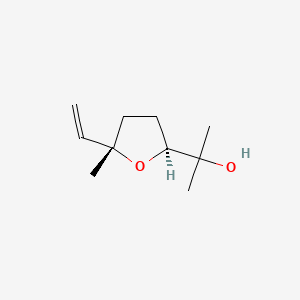
| The Content Variation of Natural Product Induced by Different Factor(s) | |||||||||||||||||||||||||||||||||||||||||||||||||||||||||||||||||||||||||||||||||||||||||
|---|---|---|---|---|---|---|---|---|---|---|---|---|---|---|---|---|---|---|---|---|---|---|---|---|---|---|---|---|---|---|---|---|---|---|---|---|---|---|---|---|---|---|---|---|---|---|---|---|---|---|---|---|---|---|---|---|---|---|---|---|---|---|---|---|---|---|---|---|---|---|---|---|---|---|---|---|---|---|---|---|---|---|---|---|---|---|---|---|---|
| Species Name: Coriandrum sativum | |||||||||||||||||||||||||||||||||||||||||||||||||||||||||||||||||||||||||||||||||||||||||
| Factor Name: Locality Variation | [1] | ||||||||||||||||||||||||||||||||||||||||||||||||||||||||||||||||||||||||||||||||||||||||
| Experiment Detail |
Two samples (20 kg each) of mature coriander (Coriandrum sativum L.) fruits were used for this study. The first was purchased from a spice market of Korba in Tunisia (Tn), the second, from Canada (Can), was supplied by General Herboristerie Laboratory (Marseille, France).
Click to Show/Hide
|
||||||||||||||||||||||||||||||||||||||||||||||||||||||||||||||||||||||||||||||||||||||||
| Factor Function |
The first from Tunisia (Tn) and the second from Canada (Can). The highest essential oil yield was observed for Can with 0.44% (w/w) and 0.37% (w/w) for Tn. Forty-five compounds were identified in the essential oils and the main compound of both samples was linalool. The total phenol contents varied between two coriander fruit samples; Can sample presented high polyphenol contents (15.16 mg GAE/g) compared with Tn one (12.10 mg GAE/g). Significant differences were also found in total tannin contents among representing 0.7 mg GAE/g in Can and 0.34 mg GAE/g in Tn. The highest contents of total flavonoids were observed in Can sample with 13.2 mg CE/g.
Click to Show/Hide
|
||||||||||||||||||||||||||||||||||||||||||||||||||||||||||||||||||||||||||||||||||||||||
| Factor | Part | Location | NP Content | ||||||||||||||||||||||||||||||||||||||||||||||||||||||||||||||||||||||||||||||||||||||
|
Locality: Canada
|
Fruits | Canada |
NP Content: 0.6 %
|
||||||||||||||||||||||||||||||||||||||||||||||||||||||||||||||||||||||||||||||||||||||
|
Locality: Korba, Tunisia
|
Fruits | Tunisia |
NP Content: 0.2 %
|
||||||||||||||||||||||||||||||||||||||||||||||||||||||||||||||||||||||||||||||||||||||
| Factor Name: Locality Variation | [2] | ||||||||||||||||||||||||||||||||||||||||||||||||||||||||||||||||||||||||||||||||||||||||
| Experiment Detail |
Fruits of coriander of commercial crops from Viamonte (Province of Cordoba), Argentina were compared with three Russian oils imported by the Argentinian fragrance and flavor industry.
Click to Show/Hide
|
||||||||||||||||||||||||||||||||||||||||||||||||||||||||||||||||||||||||||||||||||||||||
| Factor Function |
Twenty components were identified which accounted for 96.6-99-7% of the total oils composition. The main constituents were linalool (68.9-83-7%), gamma-terpinene (2,2-5.1%), camphor (3.2-4.8%), alpha-pinene (1.0-6.5%), geraniol (1.4-3.2%) and geranyl acetate (0.8-3.8%). The contents of cis- and trans-linalool oxide (0.1-0.4%) were low.
Click to Show/Hide
|
||||||||||||||||||||||||||||||||||||||||||||||||||||||||||||||||||||||||||||||||||||||||
| Factor | Part | Location | NP Content | ||||||||||||||||||||||||||||||||||||||||||||||||||||||||||||||||||||||||||||||||||||||
|
Locality: Russia
|
Fruits | Russia |
NP Content: 0.2 %
|
||||||||||||||||||||||||||||||||||||||||||||||||||||||||||||||||||||||||||||||||||||||
|
Locality: Viamonte, Province of Cordoba, Argentina
|
Fruits | Argentina |
NP Content: 0.2 %
|
||||||||||||||||||||||||||||||||||||||||||||||||||||||||||||||||||||||||||||||||||||||
| Species Name: Fragaria vesca | |||||||||||||||||||||||||||||||||||||||||||||||||||||||||||||||||||||||||||||||||||||||||
| Factor Name: Cultivar Comparison | [3] | ||||||||||||||||||||||||||||||||||||||||||||||||||||||||||||||||||||||||||||||||||||||||
| Experiment Detail |
Whole leaves and inflorescences of two wild strawberry cultivars ('Rugia' and 'Baron von Solemacher') harvested in 2008 during the agrotechnical experiment performed by Department of Vegetable and Medicinal Plants, University of Life Sciences in Lublin, were used as a material for determinations. Samples were collected before noon at sunny and dry days at the beginning of wild strawberry's flowering stage. Material was dried up to 35 ℃ in shadow and air just after the harvest.
Click to Show/Hide
|
||||||||||||||||||||||||||||||||||||||||||||||||||||||||||||||||||||||||||||||||||||||||
| Factor Function |
Depending on a cultivar, air-dry inflorescences from wild strawberry contain from 0.21% ('Baron von Solemacher' cv.) to 0.30% ('Rugia' cv.), whereas leaves contains from 0.46% ('Baron von Solemacher' cv.) to 0.62% ('Rugia' cv.) of essential oils. GC/MS analysis of essential oils achieved from studied materials revealed presence of 70 (including 59 identified) compounds in leaves of 'Rugia' cv. and 58 (including 50 identified) compounds in leaves of 'Baron von Solemacher' cv. Essential oils from inflorescences of 'Rugia' cv. contained 52 (including 47 identified), while 'Baron von Solemacher' cv. contained 54 (including 46 identified) compounds. The chromatographic analyses by GC-MS revealed that myrthenol, nonal, linalool and phthalide dibuthyl dominated in essential oils obtained from leaves, while myrthenol, citronelol, linalool and geraniol - from those of inflorescences. There were qualitative differences between oil components at both studied materials and differentiation between both cultivars, as well.
Click to Show/Hide
|
||||||||||||||||||||||||||||||||||||||||||||||||||||||||||||||||||||||||||||||||||||||||
| Factor | Part | Location | NP Content | ||||||||||||||||||||||||||||||||||||||||||||||||||||||||||||||||||||||||||||||||||||||
|
Inflorescence: Fragaria vesca cv. Rugia
|
Inflorescence | Poland |
NP Content: <0.05 %
|
||||||||||||||||||||||||||||||||||||||||||||||||||||||||||||||||||||||||||||||||||||||
| Species Name: Melaleuca ericifolia | |||||||||||||||||||||||||||||||||||||||||||||||||||||||||||||||||||||||||||||||||||||||||
| Factor Name: Locality Variation | [4] | ||||||||||||||||||||||||||||||||||||||||||||||||||||||||||||||||||||||||||||||||||||||||
| Experiment Detail |
Samples of M. ericifolia leaves were obtained from 19 locations as follows: DL3104- 3110, Coopernook, New South Wales (NSW), 31° 49′ 31″ S, 152° 36′ 48″ E (Site No. 1); DL3114-3120, Hawks Nest, NSW, 32° 40′ 09″ S, 152° 10′ 12″ E (Site No. 2); DL3240-3244, Hexham, NSW, 32° 48′ 50″ S, 151° 42′ E (Site No. 3); DL3245-3249, The Entrance, NSW, 32° 22′ 24″ S, 151° 28′ 19″ E (Site No. 4); DL3397-3401, Tuggerah Lake, NSW, 33° 21′ S, 151° 27′ E (Site No. 5); DL3250-3254, Georges River, NSW, 33° 58′ 42″ S, 151° 00′ 14″ E (Site No. 6); DL3255-3259, Berry, NSW, 34° 46′ 37″ S, 150° 45′ 27″ E (Site No. 7); DL3260-3264, Lake Durras, NSW, 35° 36′ 00″ S, 150° 16′ 17″ E (Site No. 8); DL3265- 3269, Wallaga Lake, NSW, 36° 23′ 43″ S, 150° 03′ 04″ E (Site No. 9); DL3270-3274, Wallagoot, NSW, 36° 44′ 50″ S, 149° 55′ 46″ E (Site No. 10); DL3275-3279, Genoa, Victoria (Vic), 37° 25′ 56″ S, 149° 38′ 41″ E (Site No. 11); BVG3024- 3028, West of Lakes Entrance, Vic, 37° 48′ S, 148° 03′E (Site No. 12); BVG3014-3018, West of Lang Lang, Vic, 38° 13′ S, 145° 30′ 13″ E (Site No. 13); BVG3019-3023, East of Welshpool, Vic, 38° 38′ 28″ S, 146° 30′53″ E (Site No. 14); ACC1019/1-2, 5-7, Nelson on the Glenelg River, Vic, 38° 03′ S, 141° 00′ E (Site No. 15); KJ1-5, Airport Flinders Island, Tasmania (Tas), 40° 05′ S, 148° 00′ E (Site No. 16); KJ6-10, Lackrana Road Flinders Island, Tas, 40° 18′ S, 148° 06′ E (Site No. 17); ACR1848/1-3, Woolnorth Point, Tas, 40° 38′ 30″ S, 144° 43′ 30″ E (Site No. 18); JB4509, Robins Island Track, Tas, 40° 45′ S, 144°53′E (Site No. 19). The majority of samples were collected during June to December 1999 with the exceptions being sites 5, 15 and 18, which were collected during July to October 2000. Leaf material totaling about 100 g of fresh leaves and twigs was obtained mainly from five widely spaced individual trees per location.
Click to Show/Hide
|
||||||||||||||||||||||||||||||||||||||||||||||||||||||||||||||||||||||||||||||||||||||||
| Factor Function |
Oil composition varied quantitatively throughout the species range rather than qualitatively in an apparent association with latitude of occurrence. Linalool and linalool oxide were abundant in the oils from the north of the species range in New South Wales with a gradual southerly decline in these compounds to central Victoria with concomitant increase in the proportions of 1,8-cineole, alpha-terpineol and limonene. The most southerly populations sampled in southern Victoria and Tasmania gave oils containing relatively high proportions of 1,8-cineole (mean 34.5%) and low proportions of linalool (3%). Four populations from the Central Coast of NSW (Coopernook, Hawks Nest, The Entrance and Tuggerah Lake) provided the greatest opportunity of identifying seed trees that combine the attributes required for plantation development. The tree that had the best combination of oil traits (DL 3116 from Hawks Nest) had an oil yield of 4.5%, a linalool content of 60% and a 1,8-cineole content of 16%.
Click to Show/Hide
|
||||||||||||||||||||||||||||||||||||||||||||||||||||||||||||||||||||||||||||||||||||||||
| Factor | Part | Location | NP Content | ||||||||||||||||||||||||||||||||||||||||||||||||||||||||||||||||||||||||||||||||||||||
|
Locality: northern Australia
|
Leaves | Australia |
NP Content: 0.1 %
|
||||||||||||||||||||||||||||||||||||||||||||||||||||||||||||||||||||||||||||||||||||||
|
Locality: northern Australia
|
Leaves | Australia |
NP Content: 0.9 %
|
||||||||||||||||||||||||||||||||||||||||||||||||||||||||||||||||||||||||||||||||||||||
|
Locality: southern Australia
|
Leaves | Australia |
NP Content: 0.1 %
|
||||||||||||||||||||||||||||||||||||||||||||||||||||||||||||||||||||||||||||||||||||||
| Species Name: Melaleuca quinquenervia (Cav.) S.T. Blake | |||||||||||||||||||||||||||||||||||||||||||||||||||||||||||||||||||||||||||||||||||||||||
| Factor Name: Chemotype Comparison | [5] | ||||||||||||||||||||||||||||||||||||||||||||||||||||||||||||||||||||||||||||||||||||||||
| Experiment Detail |
One hundred grams of mature leaves were collected from 2 to 10 widely spaced trees per site and sent to Sydney for analysis as soon as possible after collection. Samples usually arrived in the laboratory within 48 h of collection. The majority of the sampling was done between December 1998 and October 1999. Seasonal trends in oil yields and composition are confounded in the data on geographic variation, but these were considered minor in the context of this study.
Click to Show/Hide
|
||||||||||||||||||||||||||||||||||||||||||||||||||||||||||||||||||||||||||||||||||||||||
| Factor Function |
Chemotype 1 is comprised of E-nerolidol (74-95%) and linalool (14-30%) and is found from Sydney, north along the east coast of Australia to Selection Flat, New South Wales, with an isolated occurrence near Maryborough, Queensland. Two divisions occur in this chemotype which are based on the presence or absence of significant proportions of linalool (14-40%). Chemotype 2 contains 1,8-cineole (10-75%), viridiflorol (13-66%), alpha-terpineol (0.5-14%) and beta-caryophyllene (0.5-28%) in varying proportions and order of dominance in the oils. It is found throughout the distribution of the species, from Sydney to Papua New Guinea and New Caledonia. Within chemotype 2 there appears to be a continuous spread of oil composition without formation of any further discrete divisions as in chemotype 1. Analyses have shown that M. quinquenervia trees that occur at latitudes south of 25d S have high oil yields (1-3% w/w%, fresh leaves) and comprise chemotypes 1 and 2. North of 25d S, however, chemotype 1 does not occur and oil yields amongst the Australian populations are uniformly low (0.1-0.2%).
Click to Show/Hide
|
||||||||||||||||||||||||||||||||||||||||||||||||||||||||||||||||||||||||||||||||||||||||
| Factor | Part | Location | NP Content | ||||||||||||||||||||||||||||||||||||||||||||||||||||||||||||||||||||||||||||||||||||||
|
Chemotype (E-nerolidol in large concentration type)
|
Leaves | Australia and Papua New Guinea |
NP Content: 0.1 %
|
||||||||||||||||||||||||||||||||||||||||||||||||||||||||||||||||||||||||||||||||||||||
| Species Name: Mentha spicata | |||||||||||||||||||||||||||||||||||||||||||||||||||||||||||||||||||||||||||||||||||||||||
| Factor Name: Month Variation | [6] | ||||||||||||||||||||||||||||||||||||||||||||||||||||||||||||||||||||||||||||||||||||||||
| Experiment Detail |
Plant material: Leaves of M. spicata plants were collected from a wild population of Mt. Pangeon (alt. 600 m, 40° 55′ N/ 24° 12′ E). Collections were conducted every month during the growing period (April to October).
Click to Show/Hide
|
||||||||||||||||||||||||||||||||||||||||||||||||||||||||||||||||||||||||||||||||||||||||
| Factor Function |
The oil content ranged from 0.1-1.8%, with the maximum values in late summer/early autumn. The essential oil obtained from the leaves was characterized by a very high content in linalool, i.e. 85.0-93.9% of the total oil (highest percentage in mid-autumn). Other oil constituents occurring in much lower amounts were germacrene D (up to 4.2%), beta-caryophyllene (up to 2.6%) and 1,8-cineole (up to 2.1%).
Click to Show/Hide
|
||||||||||||||||||||||||||||||||||||||||||||||||||||||||||||||||||||||||||||||||||||||||
| Factor | Part | Location | NP Content | ||||||||||||||||||||||||||||||||||||||||||||||||||||||||||||||||||||||||||||||||||||||
|
Harvesting time: May
|
Leaves | Greece |
NP Content: 0.2 %
|
||||||||||||||||||||||||||||||||||||||||||||||||||||||||||||||||||||||||||||||||||||||
|
Harvesting time: June
|
Leaves | Greece |
NP Content: 0.2 %
|
||||||||||||||||||||||||||||||||||||||||||||||||||||||||||||||||||||||||||||||||||||||
|
Harvesting time: August
|
Leaves | Greece |
NP Content: 0.1 %
|
||||||||||||||||||||||||||||||||||||||||||||||||||||||||||||||||||||||||||||||||||||||
|
Harvesting time: September
|
Leaves | Greece |
NP Content: 0.1 %
|
||||||||||||||||||||||||||||||||||||||||||||||||||||||||||||||||||||||||||||||||||||||
| Species Name: Myrtus communis var. italica | |||||||||||||||||||||||||||||||||||||||||||||||||||||||||||||||||||||||||||||||||||||||||
| Factor Name: Month Variation | [7] | ||||||||||||||||||||||||||||||||||||||||||||||||||||||||||||||||||||||||||||||||||||||||
| Experiment Detail |
Myrtle (M. communis var. italica) aerial parts were collected monthly during 2006-2007 from Jbal Stara of Haouaria region in North Tunisia, belonging to a subhumid bioclimate.
Click to Show/Hide
|
||||||||||||||||||||||||||||||||||||||||||||||||||||||||||||||||||||||||||||||||||||||||
| Factor Function |
In conclusion, high fluctuations were observed in the oil yields and composition of different parts of Myrtus communis var. italica during all the collecting periods. They could be explained by genetic and environmental factors. Moreover, significant differences were revealed in the main oil compounds. alpha-Pinene percentages showed the most remarkable changes among the different part oils. So, leaf oils contained more alpha-pinene than those of the fruits and stems during the myrtle vegetative cycle.
Click to Show/Hide
|
||||||||||||||||||||||||||||||||||||||||||||||||||||||||||||||||||||||||||||||||||||||||
| Factor | Part | Location | NP Content | ||||||||||||||||||||||||||||||||||||||||||||||||||||||||||||||||||||||||||||||||||||||
|
Leaf: (Harvesting time: January)
|
Leaves | Tunisia |
NP Content: 0.1 %
|
||||||||||||||||||||||||||||||||||||||||||||||||||||||||||||||||||||||||||||||||||||||
|
Leaf: (Harvesting time: February)
|
Leaves | Tunisia |
NP Content: 0.1 %
|
||||||||||||||||||||||||||||||||||||||||||||||||||||||||||||||||||||||||||||||||||||||
|
Leaf: (Harvesting time: March)
|
Leaves | Tunisia |
NP Content: 0.1 %
|
||||||||||||||||||||||||||||||||||||||||||||||||||||||||||||||||||||||||||||||||||||||
|
Leaf: (Harvesting time: April)
|
Leaves | Tunisia |
NP Content: 0.1 %
|
||||||||||||||||||||||||||||||||||||||||||||||||||||||||||||||||||||||||||||||||||||||
|
Leaf: (Harvesting time: May)
|
Leaves | Tunisia |
NP Content: 0.1 %
|
||||||||||||||||||||||||||||||||||||||||||||||||||||||||||||||||||||||||||||||||||||||
|
Leaf: (Harvesting time: June)
|
Leaves | Tunisia |
NP Content: 0.1 %
|
||||||||||||||||||||||||||||||||||||||||||||||||||||||||||||||||||||||||||||||||||||||
|
Leaf: (Harvesting time: July)
|
Leaves | Tunisia |
NP Content: 0.1 %
|
||||||||||||||||||||||||||||||||||||||||||||||||||||||||||||||||||||||||||||||||||||||
|
Leaf: (Harvesting time: August)
|
Leaves | Tunisia |
NP Content: 0.1 %
|
||||||||||||||||||||||||||||||||||||||||||||||||||||||||||||||||||||||||||||||||||||||
|
Leaf: (Harvesting time: September)
|
Leaves | Tunisia |
NP Content: 0.1 %
|
||||||||||||||||||||||||||||||||||||||||||||||||||||||||||||||||||||||||||||||||||||||
|
Leaf: (Harvesting time: October)
|
Leaves | Tunisia |
NP Content: 0.1 %
|
||||||||||||||||||||||||||||||||||||||||||||||||||||||||||||||||||||||||||||||||||||||
|
Leaf: (Harvesting time: November)
|
Leaves | Tunisia |
NP Content: 0.1 %
|
||||||||||||||||||||||||||||||||||||||||||||||||||||||||||||||||||||||||||||||||||||||
|
Leaf: (Harvesting time: December)
|
Leaves | Tunisia |
NP Content: 0.1 %
|
||||||||||||||||||||||||||||||||||||||||||||||||||||||||||||||||||||||||||||||||||||||
|
Fruit: (Harvesting time: January)
|
Fruits | Tunisia |
NP Content: 1.4 %
|
||||||||||||||||||||||||||||||||||||||||||||||||||||||||||||||||||||||||||||||||||||||
|
Fruit: (Harvesting time: August)
|
Fruits | Tunisia |
NP Content: 0.1 %
|
||||||||||||||||||||||||||||||||||||||||||||||||||||||||||||||||||||||||||||||||||||||
|
Fruit: (Harvesting time: September)
|
Fruits | Tunisia |
NP Content: 0.1 %
|
||||||||||||||||||||||||||||||||||||||||||||||||||||||||||||||||||||||||||||||||||||||
|
Fruit: (Harvesting time: October)
|
Fruits | Tunisia |
NP Content: 0.1 %
|
||||||||||||||||||||||||||||||||||||||||||||||||||||||||||||||||||||||||||||||||||||||
|
Fruit: (Harvesting time: November)
|
Fruits | Tunisia |
NP Content: 0.8 %
|
||||||||||||||||||||||||||||||||||||||||||||||||||||||||||||||||||||||||||||||||||||||
|
Fruit: (Harvesting time: December)
|
Fruits | Tunisia |
NP Content: 0.3 %
|
||||||||||||||||||||||||||||||||||||||||||||||||||||||||||||||||||||||||||||||||||||||
|
Stem: (Harvesting time: January)
|
Stems | Tunisia |
NP Content: 0.6 %
|
||||||||||||||||||||||||||||||||||||||||||||||||||||||||||||||||||||||||||||||||||||||
|
Stem: (Harvesting time: February)
|
Stems | Tunisia |
NP Content: 0.3 %
|
||||||||||||||||||||||||||||||||||||||||||||||||||||||||||||||||||||||||||||||||||||||
|
Stem: (Harvesting time: March)
|
Stems | Tunisia |
NP Content: 0.3 %
|
||||||||||||||||||||||||||||||||||||||||||||||||||||||||||||||||||||||||||||||||||||||
|
Stem: (Harvesting time: April)
|
Stems | Tunisia |
NP Content: 0.4 %
|
||||||||||||||||||||||||||||||||||||||||||||||||||||||||||||||||||||||||||||||||||||||
|
Stem: (Harvesting time: May)
|
Stems | Tunisia |
NP Content: 0.2 %
|
||||||||||||||||||||||||||||||||||||||||||||||||||||||||||||||||||||||||||||||||||||||
|
Stem: (Harvesting time: June)
|
Stems | Tunisia |
NP Content: 0.1 %
|
||||||||||||||||||||||||||||||||||||||||||||||||||||||||||||||||||||||||||||||||||||||
|
Stem: (Harvesting time: July)
|
Stems | Tunisia |
NP Content: 0.2 %
|
||||||||||||||||||||||||||||||||||||||||||||||||||||||||||||||||||||||||||||||||||||||
|
Stem: (Harvesting time: August)
|
Stems | Tunisia |
NP Content: 0.8 %
|
||||||||||||||||||||||||||||||||||||||||||||||||||||||||||||||||||||||||||||||||||||||
|
Stem: (Harvesting time: September)
|
Stems | Tunisia |
NP Content: 0.1 %
|
||||||||||||||||||||||||||||||||||||||||||||||||||||||||||||||||||||||||||||||||||||||
|
Stem: (Harvesting time: October)
|
Stems | Tunisia |
NP Content: 0.6 %
|
||||||||||||||||||||||||||||||||||||||||||||||||||||||||||||||||||||||||||||||||||||||
|
Stem: (Harvesting time: November)
|
Stems | Tunisia |
NP Content: 0.6 %
|
||||||||||||||||||||||||||||||||||||||||||||||||||||||||||||||||||||||||||||||||||||||
|
Stem: (Harvesting time: December)
|
Stems | Tunisia |
NP Content: 0.3 %
|
||||||||||||||||||||||||||||||||||||||||||||||||||||||||||||||||||||||||||||||||||||||
| Species Name: Ocimum basilicum | |||||||||||||||||||||||||||||||||||||||||||||||||||||||||||||||||||||||||||||||||||||||||
| Factor Name: Variety Comparison | [8] | ||||||||||||||||||||||||||||||||||||||||||||||||||||||||||||||||||||||||||||||||||||||||
| Experiment Detail |
Aerial parts of Ocimum basilicum var. purpurascens Benth, Ocimum basilicum var. dianatnejadii Salimi at flowering stage were collected from plants grown in Experimental Station of Pykan Shahr, near Tehran. Elevation 1215 m above sea level, latitude 35° 42′ North, 51° 8′ East, average humidity 36% and climatic category semi-arid.
Click to Show/Hide
|
||||||||||||||||||||||||||||||||||||||||||||||||||||||||||||||||||||||||||||||||||||||||
| Factor Function |
Methyl chavicol (43.0%) and linalool (28.9%) were identified as the major compounds in the oil of O. basilicum var. purpurascens, while methyl chavicol (37.6%), linalool (33.4%) and alpha-cadinol (5.7%) were the major constituents in the oil of O. basilicum var. dianatnejadii.
Click to Show/Hide
|
||||||||||||||||||||||||||||||||||||||||||||||||||||||||||||||||||||||||||||||||||||||||
| Factor | Part | Location | NP Content | ||||||||||||||||||||||||||||||||||||||||||||||||||||||||||||||||||||||||||||||||||||||
|
Ocimum basilicum var. dianatnejadii Salimi
|
Aerial parts | Iran |
NP Content: 3.2 %
|
||||||||||||||||||||||||||||||||||||||||||||||||||||||||||||||||||||||||||||||||||||||
| Species Name: Pelargonium graveolens L'Her. | |||||||||||||||||||||||||||||||||||||||||||||||||||||||||||||||||||||||||||||||||||||||||
| Factor Name: Cultivar Comparison; Seasonal Variation | [9] | ||||||||||||||||||||||||||||||||||||||||||||||||||||||||||||||||||||||||||||||||||||||||
| Experiment Detail |
One-month-old rooted stem cuttings of three rosescented geranium cultivars, namely Bourbon type, CIM-Pawan and Kelkar were transplanted at 50 × 50 cm plant spacing in the experimental field of Central Institute of Medicinal and Aromatic Plants, Research Center Purara, Uttarakhand, in October 2007. Plants were irrigated immediately after transplanting and further crops were raised following the normal agricultural practices needed to grow the plant. The experimental site is located between the coordinates 28° 60′ and 31° 29′ N, 77° 49′ and 80° 60 m E, and at an altitude of 1250 m in the Kattyur valley. Climatologically, it is categorized as a sub-temperate (1200-1700 m) zone, where monsoon usually breaks in June and continues up to September. Sampling of the rose-scented geranium cultivars was started from March 2008 and taken on the tenth of every month until February 2009. Samples were collected in triplicate in each season. (A, cv. Bourbon type; B, cv. CIM-Pawan; C, cv. Kelkar; I, spring season; II, summer season; III, rainy season;IV, autumn season; V, winter season).
Click to Show/Hide
|
||||||||||||||||||||||||||||||||||||||||||||||||||||||||||||||||||||||||||||||||||||||||
| Factor Function |
The major components in the essential oil of cv. Bourbon type were geraniol (14.1-34.6%), citronellol (15.2-31.3%), linalool (2.9-9.2%), citronellyl formate (4.4-9.2%), isomenthone (4.5-6.6%), 10-epi-gamma-eudesmol (4.7-6.7%) and geranyl formate (3.8-6.2%). The dominant constituents of the cv. CIM-Pawan essential oil were geraniol (11.9-31.9%), citronellol (16.1-30.2%), citronellyl formate (5.2-8.9%), linalool (3.7-6.4%), isomenthone (4.0-6.3%), 10-epi-gamma-eudesmol (4.4-5.2%) and geranyl formate (4.3-5.0%). However, the chemical composition and odor of cv. Kelkar was quite different from the other two cultivars and the major components found in this oil were citronellol (51.0-63.4%) and isomenthone (9.8-17.8%).
Click to Show/Hide
|
||||||||||||||||||||||||||||||||||||||||||||||||||||||||||||||||||||||||||||||||||||||||
| Factor | Part | Location | NP Content | ||||||||||||||||||||||||||||||||||||||||||||||||||||||||||||||||||||||||||||||||||||||
|
Pelargonium graveolens cv. Bourbon type: (Harvesting time: spring season)
|
Fresh herb | Iran |
NP Content: 0.3 %
|
||||||||||||||||||||||||||||||||||||||||||||||||||||||||||||||||||||||||||||||||||||||
|
Pelargonium graveolens cv. Bourbon type: (Harvesting time: summer season)
|
Fresh herb | Iran |
NP Content: 0.2 %
|
||||||||||||||||||||||||||||||||||||||||||||||||||||||||||||||||||||||||||||||||||||||
|
Pelargonium graveolens cv. Bourbon type: (Harvesting time: autumn season)
|
Fresh herb | Iran |
NP Content: 0.7 %
|
||||||||||||||||||||||||||||||||||||||||||||||||||||||||||||||||||||||||||||||||||||||
|
Pelargonium graveolens cv. Bourbon type: (Harvesting time: winter season)
|
Fresh herb | Iran |
NP Content: 0.5 %
|
||||||||||||||||||||||||||||||||||||||||||||||||||||||||||||||||||||||||||||||||||||||
|
Pelargonium graveolens cv. Bourbon type: (Harvesting time: rainy season)
|
Fresh herb | Iran |
NP Content: 0.3 %
|
||||||||||||||||||||||||||||||||||||||||||||||||||||||||||||||||||||||||||||||||||||||
|
Pelargonium graveolens cv. CIM-Pawan: (Harvesting time: spring season)
|
Fresh herb | Iran |
NP Content: 0.2 %
|
||||||||||||||||||||||||||||||||||||||||||||||||||||||||||||||||||||||||||||||||||||||
|
Pelargonium graveolens cv. CIM-Pawan: (Harvesting time: autumn season)
|
Fresh herb | Iran |
NP Content: 0.3 %
|
||||||||||||||||||||||||||||||||||||||||||||||||||||||||||||||||||||||||||||||||||||||
|
Pelargonium graveolens cv. CIM-Pawan: (Harvesting time: winter season)
|
Fresh herb | Iran |
NP Content: 0.4 %
|
||||||||||||||||||||||||||||||||||||||||||||||||||||||||||||||||||||||||||||||||||||||
|
Pelargonium graveolens cv. CIM-Pawan: (Harvesting time: rainy season)
|
Fresh herb | Iran |
NP Content: <0.05 %
|
||||||||||||||||||||||||||||||||||||||||||||||||||||||||||||||||||||||||||||||||||||||
|
Pelargonium graveolens cv. Kelkar: (Harvesting time: spring season)
|
Fresh herb | Iran |
NP Content: 1.6 %
|
||||||||||||||||||||||||||||||||||||||||||||||||||||||||||||||||||||||||||||||||||||||
|
Pelargonium graveolens cv. Kelkar: (Harvesting time: summer season)
|
Fresh herb | Iran |
NP Content: 1.3 %
|
||||||||||||||||||||||||||||||||||||||||||||||||||||||||||||||||||||||||||||||||||||||
| Species Name: Piper nigrum | |||||||||||||||||||||||||||||||||||||||||||||||||||||||||||||||||||||||||||||||||||||||||
| Factor Name: Cultivar Comparison; Harvest Time Variation | [10] | ||||||||||||||||||||||||||||||||||||||||||||||||||||||||||||||||||||||||||||||||||||||||
| Experiment Detail |
The cultivars selected for this study are Sreekara, Vellanamban and one Indonesian cultivar Kutching grown in Kerala. These cultivars are commonly cultivated in the northern parts of Kerala. The fresh berries of the authenticated cultivars were collected from Indian Institute of Spices Research, Calicut and were dried in a cross flow drier at 45 ℃ and taken for the analysis.
Click to Show/Hide
|
||||||||||||||||||||||||||||||||||||||||||||||||||||||||||||||||||||||||||||||||||||||||
| Factor Function |
The main components of vellanamban oil were sabinene (3.9-18.8%), beta-pinene (3.9-10.9%), limonene (8.3-19.8%) and beta-caryophyllene (28.4- 32.9%). Sreekara oil contained as major compounds beta-pinene (0-11.2%), limonene (20.1-22.1%) and beta-caryophyllene (16.8-23.1 %). Kutching oil contained alpha-pinene(2.3-5.4%), sabinene (6.7-13.3%), limonene (14.5-17.5%) and beta-caryophyllene (20.8-39.1%).
Click to Show/Hide
|
||||||||||||||||||||||||||||||||||||||||||||||||||||||||||||||||||||||||||||||||||||||||
| Factor | Part | Location | NP Content | ||||||||||||||||||||||||||||||||||||||||||||||||||||||||||||||||||||||||||||||||||||||
|
Piper nigrum cv. Kuching: (Harvesting time: 1990)
|
Berries | India |
NP Content: 1.2 %
|
||||||||||||||||||||||||||||||||||||||||||||||||||||||||||||||||||||||||||||||||||||||
|
Piper nigrum cv. Kuching: (Harvesting time: 1991)
|
Berries | India |
NP Content: 0.2 %
|
||||||||||||||||||||||||||||||||||||||||||||||||||||||||||||||||||||||||||||||||||||||
|
Piper nigrum cv. Sreekara: (Harvesting time: 1990)
|
Berries | India |
NP Content: 0.4 %
|
||||||||||||||||||||||||||||||||||||||||||||||||||||||||||||||||||||||||||||||||||||||
|
Piper nigrum cv. Sreekara: (Harvesting time: 1991)
|
Berries | India |
NP Content: 1.1 %
|
||||||||||||||||||||||||||||||||||||||||||||||||||||||||||||||||||||||||||||||||||||||
|
Piper nigrum cv. Sreekara: (Harvesting time: 1992)
|
Berries | India |
NP Content: 0.9 %
|
||||||||||||||||||||||||||||||||||||||||||||||||||||||||||||||||||||||||||||||||||||||
|
Piper nigrum cv. Vellanamban: (Harvesting time: 1990)
|
Berries | India |
NP Content: 0.1 %
|
||||||||||||||||||||||||||||||||||||||||||||||||||||||||||||||||||||||||||||||||||||||
|
Piper nigrum cv. Vellanamban: (Harvesting time: 1991)
|
Berries | India |
NP Content: 0.5 %
|
||||||||||||||||||||||||||||||||||||||||||||||||||||||||||||||||||||||||||||||||||||||
|
Piper nigrum cv. Vellanamban: (Harvesting time: 1992)
|
Berries | India |
NP Content: 0.3 %
|
||||||||||||||||||||||||||||||||||||||||||||||||||||||||||||||||||||||||||||||||||||||
| Species Name: Salvia euphratica | |||||||||||||||||||||||||||||||||||||||||||||||||||||||||||||||||||||||||||||||||||||||||
| Factor Name: Variety Comparison | [11] | ||||||||||||||||||||||||||||||||||||||||||||||||||||||||||||||||||||||||||||||||||||||||
| Experiment Detail |
Aerial parts of both varieties(Salvia euphratica Montbret et Aucher ex Benth. var. euphratica and Salvia euphratica Montbret et Aucher ex Benth. var. leiocalycina) were collected in Malatya, Turkey in June 1999.
Click to Show/Hide
|
||||||||||||||||||||||||||||||||||||||||||||||||||||||||||||||||||||||||||||||||||||||||
| Factor Function |
Ninety-five compounds in var. euphratica and 94 compounds in var. leiocalycina were characterized representing 93% and 95% of the total components detected, respectively, with 1,8-cineole (13.8% and 15.2%) and myrtenyl acetate (15.9% and 13.9%) as main constituents.
Click to Show/Hide
|
||||||||||||||||||||||||||||||||||||||||||||||||||||||||||||||||||||||||||||||||||||||||
| Factor | Part | Location | NP Content | ||||||||||||||||||||||||||||||||||||||||||||||||||||||||||||||||||||||||||||||||||||||
|
Salvia euphratica var. euphratica
|
Flowering aerial parts | Turkey |
NP Content: 0.4 %
|
||||||||||||||||||||||||||||||||||||||||||||||||||||||||||||||||||||||||||||||||||||||
|
Salvia euphratica var. euphratica
|
Flowering aerial parts | Turkey |
NP Content: 5.9 %
|
||||||||||||||||||||||||||||||||||||||||||||||||||||||||||||||||||||||||||||||||||||||
|
Salvia euphratica var. leiocalycina
|
Flowering aerial parts | Turkey |
NP Content: 0.6 %
|
||||||||||||||||||||||||||||||||||||||||||||||||||||||||||||||||||||||||||||||||||||||
|
Salvia euphratica var. leiocalycina
|
Flowering aerial parts | Turkey |
NP Content: 7.3 %
|
||||||||||||||||||||||||||||||||||||||||||||||||||||||||||||||||||||||||||||||||||||||
| Species Name: Stachys pilifera | |||||||||||||||||||||||||||||||||||||||||||||||||||||||||||||||||||||||||||||||||||||||||
| Factor Name: Locality Variation | [12] | ||||||||||||||||||||||||||||||||||||||||||||||||||||||||||||||||||||||||||||||||||||||||
| Experiment Detail |
Plant material and isolation procedure: Aerial parts of the plant were collected from two regions, from Kazeroon in southern Iran and Shahr-e-kord in western Iran at the time of flowering in June 2002.
Click to Show/Hide
|
||||||||||||||||||||||||||||||||||||||||||||||||||||||||||||||||||||||||||||||||||||||||
| Factor Function |
The main components of the oil of S. pilifera collected from Kazeroon, in southern Iran, were spathulenol (15.8%), cis-chrysanthenol (15.3%), beta-caryophyllene (8.4%) and cis-chrysanthenyl acetate (6.9%), while for the plant collected from Shahr-e-kord, in western Iran, they were cis-chrysanthenyl acetate (21.8%), linalool (18.9%), terpinen-4-ol (11.9%) and cis-chrysanthenol (9.2%).
Click to Show/Hide
|
||||||||||||||||||||||||||||||||||||||||||||||||||||||||||||||||||||||||||||||||||||||||
| Factor | Part | Location | NP Content | ||||||||||||||||||||||||||||||||||||||||||||||||||||||||||||||||||||||||||||||||||||||
|
Locality: Shahr-e-kord, western Iran
|
Aerial parts | Iran |
NP Content: 0.4 %
|
||||||||||||||||||||||||||||||||||||||||||||||||||||||||||||||||||||||||||||||||||||||
| Species Name: Talauma ovata | |||||||||||||||||||||||||||||||||||||||||||||||||||||||||||||||||||||||||||||||||||||||||
| Factor Name: Month Variation | [13] | ||||||||||||||||||||||||||||||||||||||||||||||||||||||||||||||||||||||||||||||||||||||||
| Experiment Detail |
Talauma ovata was collected from October 2003 to February 2005. Leaves and trunk bark from the same set of plants were collected in the four seasons: spring (October 15th, 2003), autumn (April 10th, 2004), winter (July 17th, 2004) and summer (February 15th, 2005). In addition, trunk bark was also collected on January 22nd, 2004 (summer). The plant material was harvested from wild-growing population in Santos Dumont City, Minas Gerais State, Brazil, (21° 28′ 03″ S, 43° 39′ 26″ W), at 1000 m of altitude.
Click to Show/Hide
|
||||||||||||||||||||||||||||||||||||||||||||||||||||||||||||||||||||||||||||||||||||||||
| Factor Function |
In each season the composition of trunk bark oils was similar to leaf oils, with mainly quantitative differences. However considerable seasonal variation was observed. Significant levels of monoterpenes were found only in autumn. The content of oxygenated sesquiterpenes was highest in samples of spring (October) and decreased in summer (January and February), reaching the lowest level in autumn (April) and increasing again in winter (July). In trunk bark oils the main constituents were: spathulenol, alpha-eudesmol, linalool, trans-beta-guaiene and caryophyllene oxide. The major component in all samples of trunk bark was spathulenol. Its level was highest in October (46.8%), decreased in January (33.3%), remained stable in April and July (18.0%) and increased again in February of next year (27.7%). Levels of alpha-eudesmol were high in spring (13.0%) and autumn (11.5%). Linalool peaked only in April, while trans-beta-guaiane peaked in July (11.1%). Caryophyllene oxide ranged between 10.7-2.0%. The level was highest in January, decreased regularly until July and increased slightly again in October. In leaf oils the main components were: spathulenol, germacrene B, germacrene D, caryophyllene oxide and viridiflorol. Spathulenol was the major component in sample of spring (34.4%), but decreased gradually until winter, when reached the lowest level (9.4%). Caryophyllene oxide showed a similar pattern, varying from 14.1% (spring) to 2.4% (winter). An inverse effect was observed for viridiflorol, which increased from 0.1% in October to 13.7% in July. Important levels of alpha-eudesmol were observed in October (12.3%) and February (9.5%). The percentage of germacrene D was highest in summer, while germacrene B showed high amounts in autumn and winter. The seasonal changes in oil composition of T. ovata can be associated with cycle of life of plant (flowering, fruiting and vegetative stages) and climatic parameters such as intense raining in the spring and summer.
Click to Show/Hide
|
||||||||||||||||||||||||||||||||||||||||||||||||||||||||||||||||||||||||||||||||||||||||
| Factor | Part | Location | NP Content | ||||||||||||||||||||||||||||||||||||||||||||||||||||||||||||||||||||||||||||||||||||||
|
Leaf: (Harvesting time: April)
|
Leaves | Brazil |
NP Content: 0.1 %
|
||||||||||||||||||||||||||||||||||||||||||||||||||||||||||||||||||||||||||||||||||||||
|
Trunk Bark: (Harvesting time: January)
|
Trunk bark | Brazil |
NP Content: 0.1 %
|
||||||||||||||||||||||||||||||||||||||||||||||||||||||||||||||||||||||||||||||||||||||
|
Trunk Bark: (Harvesting time: April)
|
Trunk bark | Brazil |
NP Content: 0.1 %
|
||||||||||||||||||||||||||||||||||||||||||||||||||||||||||||||||||||||||||||||||||||||
| Species Name: Teucrium flavum | |||||||||||||||||||||||||||||||||||||||||||||||||||||||||||||||||||||||||||||||||||||||||
| Factor Name: Month Variation; Developmental Stage Variation | [14] | ||||||||||||||||||||||||||||||||||||||||||||||||||||||||||||||||||||||||||||||||||||||||
| Experiment Detail |
The aerial parts of T. flavum were collected in different periods from December to July 2006, from plants growing along the Ionic coast of Sicily (Italy). LF 1-LF 2-LF 3: represent the composition of leaf oils of plant samples collected in December (vegetative stage), February (pre-flowering stage) and April (budding stage) respectively; FL: flower oil; FR: fruit oil.
Click to Show/Hide
|
||||||||||||||||||||||||||||||||||||||||||||||||||||||||||||||||||||||||||||||||||||||||
| Factor Function |
Some components, in all investigated plant parts, remained more or less constant during all the different phases of the plant cycle life. Worthy of note, considering the leaf oils, was that beta-pinene, limonene and germacrene D increased in the pre-flowering stage, while a series of esters and alpha-copaene, beta-caryophyllene, viridiflorol, Tmuurolol and phytol increased in the budding stage (LF3); the vegetative stage oil is generally characterized by a rich chemical composition and some constituents such as isoamyl hexanoate, alpha-humulene, bicyclogermacrene, beta-bisabolene and alpha-bisabolol reached their highest levels in this oil. In the flower oil, linalool and 1-octen-3-yl acetate were the main components compared to the amounts found in the other oils. Fruit oil composition was relatively oil poor, with beta-bisabolene, caryophyllene oxide, cadin-4-en-1-ol and phytone as the major constituents.
Click to Show/Hide
|
||||||||||||||||||||||||||||||||||||||||||||||||||||||||||||||||||||||||||||||||||||||||
| Factor | Part | Location | NP Content | ||||||||||||||||||||||||||||||||||||||||||||||||||||||||||||||||||||||||||||||||||||||
|
Harvesting time: April; budding stage
|
Leaves | Italy |
NP Content: 0.2 %
|
||||||||||||||||||||||||||||||||||||||||||||||||||||||||||||||||||||||||||||||||||||||
| Species Name: Thymus longicaulis | |||||||||||||||||||||||||||||||||||||||||||||||||||||||||||||||||||||||||||||||||||||||||
| Factor Name: Chemotype Comparison | [15] | ||||||||||||||||||||||||||||||||||||||||||||||||||||||||||||||||||||||||||||||||||||||||
| Experiment Detail |
Aerial parts of the plants with distinct odors, harvested at full flowering stage, were collected from the same population (growing in an area of one m2) on Mt. Parnis Attiki, at an altitude of 1200 m in June 1995.
Click to Show/Hide
|
||||||||||||||||||||||||||||||||||||||||||||||||||||||||||||||||||||||||||||||||||||||||
| Factor Function |
Limonene (18.7%) and thymol (19.4%); geraniol (56.8%) and geranyl acetate (7.6%); linalool (63.1%) and alpha-terpinyl acetate (20.4%) were the predominant components in each of the three different chemotypes, respectively.
Click to Show/Hide
|
||||||||||||||||||||||||||||||||||||||||||||||||||||||||||||||||||||||||||||||||||||||||
| Factor | Part | Location | NP Content | ||||||||||||||||||||||||||||||||||||||||||||||||||||||||||||||||||||||||||||||||||||||
|
Chemotype (lavender-odor type)
|
Aerial parts | Attiki, Greece |
NP Content: 0.2 %
|
||||||||||||||||||||||||||||||||||||||||||||||||||||||||||||||||||||||||||||||||||||||
| Species Name: Thymus pseudopulegioides | |||||||||||||||||||||||||||||||||||||||||||||||||||||||||||||||||||||||||||||||||||||||||
| Factor Name: Locality Variation | [16] | ||||||||||||||||||||||||||||||||||||||||||||||||||||||||||||||||||||||||||||||||||||||||
| Experiment Detail |
Plant materials were collected from the following localities in north western Turkey. A = Trabzon: Caykara, Soganli dag on July 28, 1994; B = Bayburt: Caykara, Mohakambo yaylasi on July 25, 1994; C = Trabzon: Koprubasi, Vizara yaylasi on July 20, 1994.
Click to Show/Hide
|
||||||||||||||||||||||||||||||||||||||||||||||||||||||||||||||||||||||||||||||||||||||||
| Factor Function |
One hundred and four compounds were identified representing 97.5-99.5% of the total components detected in thymol/carvacrol (50.14/10.67%), thymol/linalool (23.14/20.24%) and linalool/alpha-terpinyl acetate/geraniol (21.55/16.70/11.17%) rich oils.
Click to Show/Hide
|
||||||||||||||||||||||||||||||||||||||||||||||||||||||||||||||||||||||||||||||||||||||||
| Factor | Part | Location | NP Content | ||||||||||||||||||||||||||||||||||||||||||||||||||||||||||||||||||||||||||||||||||||||
|
Locality: Soganli dag, Caykara, Trabzon, Eskisehir, Turkey
|
Aerial parts | Eskisehir, Turkey |
NP Content: 0.1 %
|
||||||||||||||||||||||||||||||||||||||||||||||||||||||||||||||||||||||||||||||||||||||
| Species Name: Thymus vulgaris | |||||||||||||||||||||||||||||||||||||||||||||||||||||||||||||||||||||||||||||||||||||||||
| Factor Name: Cultivar Comparison; Seasonal Variation | [9] | ||||||||||||||||||||||||||||||||||||||||||||||||||||||||||||||||||||||||||||||||||||||||
| Experiment Detail |
One-month-old rooted stem cuttings of three rosescented geranium cultivars, namely Bourbon type, CIM-Pawan and Kelkar were transplanted at 50 × 50 cm plant spacing in the experimental field of Central Institute of Medicinal and Aromatic Plants, Research Center Purara, Uttarakhand, in October 2007. Plants were irrigated immediately after transplanting and further crops were raised following the normal agricultural practices needed to grow the plant. The experimental site is located between the coordinates 28° 60′ and 31° 29′ N, 77° 49′ and 80° 60 m E, and at an altitude of 1250 m in the Kattyur valley. Climatologically, it is categorized as a sub-temperate (1200-1700 m) zone, where monsoon usually breaks in June and continues up to September. Sampling of the rose-scented geranium cultivars was started from March 2008 and taken on the tenth of every month until February 2009. Samples were collected in triplicate in each season. (A, cv. Bourbon type; B, cv. CIM-Pawan; C, cv. Kelkar; I, spring season; II, summer season; III, rainy season;IV, autumn season; V, winter season).
Click to Show/Hide
|
||||||||||||||||||||||||||||||||||||||||||||||||||||||||||||||||||||||||||||||||||||||||
| Factor Function |
The major components in the essential oil of cv. Bourbon type were geraniol (14.1-34.6%), citronellol (15.2-31.3%), linalool (2.9-9.2%), citronellyl formate (4.4-9.2%), isomenthone (4.5-6.6%), 10-epi-gamma-eudesmol (4.7-6.7%) and geranyl formate (3.8-6.2%). The dominant constituents of the cv. CIM-Pawan essential oil were geraniol (11.9-31.9%), citronellol (16.1-30.2%), citronellyl formate (5.2-8.9%), linalool (3.7-6.4%), isomenthone (4.0-6.3%), 10-epi-gamma-eudesmol (4.4-5.2%) and geranyl formate (4.3-5.0%). However, the chemical composition and odor of cv. Kelkar was quite different from the other two cultivars and the major components found in this oil were citronellol (51.0-63.4%) and isomenthone (9.8-17.8%).
Click to Show/Hide
|
||||||||||||||||||||||||||||||||||||||||||||||||||||||||||||||||||||||||||||||||||||||||
| Factor | Part | Location | NP Content | ||||||||||||||||||||||||||||||||||||||||||||||||||||||||||||||||||||||||||||||||||||||
|
Pelargonium graveolens cv. Kelkar: (Harvesting time: autumn season)
|
Fresh herb | Iran |
NP Content: 1 %
|
||||||||||||||||||||||||||||||||||||||||||||||||||||||||||||||||||||||||||||||||||||||
|
Pelargonium graveolens cv. Kelkar: (Harvesting time: winter season)
|
Fresh herb | Iran |
NP Content: 2.3 %
|
||||||||||||||||||||||||||||||||||||||||||||||||||||||||||||||||||||||||||||||||||||||
| Species Name: Vitis vinifera | |||||||||||||||||||||||||||||||||||||||||||||||||||||||||||||||||||||||||||||||||||||||||
| Factor Name: Variety Comparison | [17] | ||||||||||||||||||||||||||||||||||||||||||||||||||||||||||||||||||||||||||||||||||||||||
| Experiment Detail |
Grape pomaces and stalks of Nero d'Avola and Frappato were donated by the ''Valle dell'Acate'' wine firm, Acate, RG, Italy - those from Nerello Mascalese and Cabernet Sauvignon were given by the ''Emanuele Scammacca Barone del Murgo'' wine firm, Santa Venerina, CT, Italy. The winemaking procedures were similar for all samples, namely grape clusters were crushed and destemmed using a destemmer-crusher. The crushed grapes were treated with sulphur dioxide (0.2-0.5% total mash) and with selected strains of Saccharomyces cerevisiae to start up the fermentation. After 6-8 days of maceration, when alcoholic fermentation was finished, the mash was pressed. Stalks coming from destemming procedure and grape pomace coming from the maceration procedure were subjected to the distillation procedures within 24 h of their collection. All materials were collected during the 2004 vintage.
Click to Show/Hide
|
||||||||||||||||||||||||||||||||||||||||||||||||||||||||||||||||||||||||||||||||||||||||
| Factor Function |
On the whole, 38 components have been characterized in the samples of grape pomaces, with Frappato cv. showing the richest composition; instead, 88 components have been detected in the stalks of Frappato, Nero d'Avola, Nerello Mascalese and Cabernet Sauvignon varieties.
Click to Show/Hide
|
||||||||||||||||||||||||||||||||||||||||||||||||||||||||||||||||||||||||||||||||||||||||
| Factor | Part | Location | NP Content | ||||||||||||||||||||||||||||||||||||||||||||||||||||||||||||||||||||||||||||||||||||||
|
Vitis vinifera var. Nero d'Avola
|
Stalks | Italy |
NP Content: 0.4 %
|
||||||||||||||||||||||||||||||||||||||||||||||||||||||||||||||||||||||||||||||||||||||
