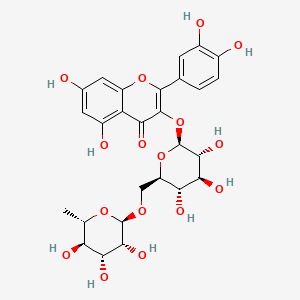
| The Content Variation of Natural Product Induced by Different Factor(s) | |||||||||||||||||||||||||||||||||||||||||||||||||||||||||||||||||||||||||||||||||||||||||
|---|---|---|---|---|---|---|---|---|---|---|---|---|---|---|---|---|---|---|---|---|---|---|---|---|---|---|---|---|---|---|---|---|---|---|---|---|---|---|---|---|---|---|---|---|---|---|---|---|---|---|---|---|---|---|---|---|---|---|---|---|---|---|---|---|---|---|---|---|---|---|---|---|---|---|---|---|---|---|---|---|---|---|---|---|---|---|---|---|---|
| Species Name: Amaranthus tricolor genotype VA13 | |||||||||||||||||||||||||||||||||||||||||||||||||||||||||||||||||||||||||||||||||||||||||
| Factor Name: NaCl Treatment | [1] | ||||||||||||||||||||||||||||||||||||||||||||||||||||||||||||||||||||||||||||||||||||||||
| Experiment Detail |
On the basis of previous studies, an antioxidant enriched high yield potential genotype (Accession VA13) was selected for this investigation. This genotype was grown in pots of a rain shelter open field of Bangabandhu Sheikh Mujibur Rahman Agricultural University, Bangladesh (AEZ-28, 24° 23′ north latitude, 90° 08′ east longitude, 8.4 m.s.l.). The seeds were sown in plastic pots (15 cm in height and 40 cm length and 30 cm width) in a randomized complete block design (RCBD) with three replications. N: P2O5:K2O were applied @92:48:60 kg/ha as a split dose. First, in pot soil, @46:48:60 kg ha 1 N: P2O5:K2O and second, at 7 days after sowing (DAS) @46:0:0 kg/ha N: P2O5:K2O. The genotype was grouped into three sets and subjected to four salinity stress treatments that are, 100 mM NaCl, 50 mM NaCl, 25 mM NaCl, and control or no saline water (NS). Pots were well irrigated with fresh water every day up to 10 days after sowing (DAS) of seeds for proper establishment and vigorous growth of seedlings. Imposition of salinity stress treatment was started at 11 DAS and continued up to 40 DAS (edible stage). Saline water (100 mM NaCl, 50 mM NaCl and 25 mM NaCl) and fresh water were applied to respective pots once a day. At 40 DAS the leaves of Amaranthus tricolor were harvested. All the parameters were measured in six samples.
Click to Show/Hide
|
||||||||||||||||||||||||||||||||||||||||||||||||||||||||||||||||||||||||||||||||||||||||
| Factor Function |
At Moderate salinity stress (MSS) and Severe salinity stress (SSS) conditions, leaf color parameters and pigments, vitamins, phenolic acids, flavonoids and antioxidant capacity of A. tricolor leaves were very high compared to control condition. Hence, salt-stressed A. tricolor leaves had a good source of natural antioxidants compared to plant grown in normal cultivation practices.
Click to Show/Hide
|
||||||||||||||||||||||||||||||||||||||||||||||||||||||||||||||||||||||||||||||||||||||||
| Factor | Part | Location | NP Content | ||||||||||||||||||||||||||||||||||||||||||||||||||||||||||||||||||||||||||||||||||||||
|
No saline water (Control)
|
Leaves | Bangabandhu |
NP Content: 6.62 ± 0.11 µg/g fresh weight
|
||||||||||||||||||||||||||||||||||||||||||||||||||||||||||||||||||||||||||||||||||||||
|
25 mM NaCl (Low salinity stress)
|
Leaves | Bangabandhu |
NP Content: 6.74 ± 0.09 µg/g fresh weight
|
||||||||||||||||||||||||||||||||||||||||||||||||||||||||||||||||||||||||||||||||||||||
|
50 mM NaCl (Moderate salinity stress)
|
Leaves | Bangabandhu |
NP Content: 8.87 ± 0.08 µg/g fresh weight
|
||||||||||||||||||||||||||||||||||||||||||||||||||||||||||||||||||||||||||||||||||||||
|
100 mM NaCl (Severe salinity stress)
|
Leaves | Bangabandhu |
NP Content: 9.92 ± 0.14 µg/g fresh weight
|
||||||||||||||||||||||||||||||||||||||||||||||||||||||||||||||||||||||||||||||||||||||
| Species Name: Asparagus aethiopicus L. (A. sprengeri Regel) | |||||||||||||||||||||||||||||||||||||||||||||||||||||||||||||||||||||||||||||||||||||||||
| Factor Name: NaCl Treatment; Seaweed extracts Treatment; 5-aminolevulinic acid Treatment; Harvest Time Variation | [2] | ||||||||||||||||||||||||||||||||||||||||||||||||||||||||||||||||||||||||||||||||||||||||
| Experiment Detail |
They were grown in 14 cm plastic pots containing soil mixture of peat:sand (1:1) and maintained in a controlled greenhouse conditions in a private nursery located on Alexandria-Cairo Desert Road. The soil was fertilized with 2 g l -1 Crystalon (19% N: 19% P: 19% K, Chema Industries, Egypt). The plants were maintained at natural light conditions and the temperature ranged between 15 and 28 ℃ . Plants were watered every two days with 2000 and 4000 ppm NaCl solution. The plants subjected to saline conditions (watered with 2000 and 4000 ppm NaCl solution) were treated with 7 ml/L weekly application of Seaweed extracts (SWE) (Ascophyllum nodosum, Stella Maris, Acadian Seaplants, Canada) as foliar spray until drop-off two weeks ahead of saline conditions. A foliar spray of 5-aminolevulinic acid (Sigma-Aldrich, Germany) at (3, 5 and 10 ppm) was applied weekly until drop-off to all plants during saline conditions and untreated plants were considered as controls. Experiments continued for 6 weeks in two consecutive seasons of 2016 and 2017 and the plants were distributed in three blocks and each treatment was represented by 5 replicates with a total number of 270 plants. The NaCl was added to the tank gradually and the electrical conductivity (EC) was measured using EC meter.
Click to Show/Hide
|
||||||||||||||||||||||||||||||||||||||||||||||||||||||||||||||||||||||||||||||||||||||||
| Factor Function |
There were significant increases in branch length and number of branches per plant, fresh and the dry weight in Seaweed extracts (SWE) + 5-aminolevulinic acid (ALA) treated plants under saline irrigation conditions compared to control. These morphological improvements associated with several physiological changes in treated plants including increased accumulation of specific phenols (robinin, rutin, apigein, chlorogenic acid and caffeic acid) and increased antioxidant activities of leaf extracts. There were also increased the chlorophyll composition and the accumulation of sugars and proline. Improved transpiration and photosynthetic rates as well as stomatal conductance were also detected in treated plants. The expression of several genes responsible for water management, flavonoid accumulation and antioxidants accumulation was enhanced in SWE + ALA treated plants.
Click to Show/Hide
|
||||||||||||||||||||||||||||||||||||||||||||||||||||||||||||||||||||||||||||||||||||||||
| Mechanism |
Under normal and saline irrigation conditions, there were changes in genes expression following SWE and ALA applications.The transcription levels of ANN1 and ANN2 increased significantly in SWE + ALA treatments compared to control under non-saline and saline conditions . However, transcription levels of MYB44 showed no significant variations among treatments. PIP1, P5CS1 and CHS relative expressions was higher in plants treated with SWE + ALA under normal and saline irrigation conditions . The transcription levels of the redox responsive genes of APX1 and GPX3 were significantly higher in SWE + ALA treated plants compared to control treatments . Increasing ALA amount from 3 to 10 ppm had no significant effects on APX1 transcription levels under non-saline conditions. In addition, the application of SWE or ALA only had no significant effects on GPX3 transcription levels under non-saline conditions.
Click to Show/Hide
|
||||||||||||||||||||||||||||||||||||||||||||||||||||||||||||||||||||||||||||||||||||||||
| Factor | Part | Location | NP Content | ||||||||||||||||||||||||||||||||||||||||||||||||||||||||||||||||||||||||||||||||||||||
|
Harvesting time: January-2016 + 640 ppm NaCl + 0 mL/L Seaweed extracts + 0 ppm 5-aminolevulinic acid
|
Leaves | Alexandria, Egypt |
NP Content: 1.712 ± 0.1 mg/g dry weight
|
||||||||||||||||||||||||||||||||||||||||||||||||||||||||||||||||||||||||||||||||||||||
|
Harvesting time: January-2016 + 640 ppm NaCl + 7 mL/L Seaweed extracts + 0 ppm 5-aminolevulinic acid
|
Leaves | Alexandria, Egypt |
NP Content: 1.811 ± 1.5 mg/g dry weight
|
||||||||||||||||||||||||||||||||||||||||||||||||||||||||||||||||||||||||||||||||||||||
|
Harvesting time: January-2016 + 640 ppm NaCl + 3 mL/L Seaweed extracts + 0 ppm 5-aminolevulinic acid
|
Leaves | Alexandria, Egypt |
NP Content: 1.803 ± 0.7 mg/g dry weight
|
||||||||||||||||||||||||||||||||||||||||||||||||||||||||||||||||||||||||||||||||||||||
|
Harvesting time: January-2016 + 640 ppm NaCl + 7 mL/L Seaweed extracts + 3 ppm 5-aminolevulinic acid
|
Leaves | Alexandria, Egypt |
NP Content: 1.835 ± 1.2 mg/g dry weight
|
||||||||||||||||||||||||||||||||||||||||||||||||||||||||||||||||||||||||||||||||||||||
|
Harvesting time: January-2016 + 640 ppm NaCl + 7 mL/L Seaweed extracts + 5 ppm 5-aminolevulinic acid
|
Leaves | Alexandria, Egypt |
NP Content: 1.851 ± 0.9 mg/g dry weight
|
||||||||||||||||||||||||||||||||||||||||||||||||||||||||||||||||||||||||||||||||||||||
|
Harvesting time: January-2016 + 640 ppm NaCl + 7 mL/L Seaweed extracts + 10 ppm 5-aminolevulinic acid
|
Leaves | Alexandria, Egypt |
NP Content: 1.999 ± 0.8 mg/g dry weight
|
||||||||||||||||||||||||||||||||||||||||||||||||||||||||||||||||||||||||||||||||||||||
|
Harvesting time: January-2016 + 2000 ppm NaCl + 0 mL/L Seaweed extracts + 0 ppm 5-aminolevulinic acid
|
Leaves | Alexandria, Egypt |
NP Content: 1.827 ± 0.4 mg/g dry weight
|
||||||||||||||||||||||||||||||||||||||||||||||||||||||||||||||||||||||||||||||||||||||
|
Harvesting time: January-2016 + 2000 ppm NaCl + 7 mL/L Seaweed extracts + 0 ppm 5-aminolevulinic acid
|
Leaves | Alexandria, Egypt |
NP Content: 1.945 ± 0.5 mg/g dry weight
|
||||||||||||||||||||||||||||||||||||||||||||||||||||||||||||||||||||||||||||||||||||||
|
Harvesting time: January-2016 + 2000 ppm NaCl + 0 mL/L Seaweed extracts + 3 ppm 5-aminolevulinic acid
|
Leaves | Alexandria, Egypt |
NP Content: 1.931 ± 0.3 mg/g dry weight
|
||||||||||||||||||||||||||||||||||||||||||||||||||||||||||||||||||||||||||||||||||||||
|
Harvesting time: January-2016 + 2000 ppm NaCl + 7 mL/L Seaweed extracts + 3 ppm 5-aminolevulinic acid
|
Leaves | Alexandria, Egypt |
NP Content: 1.958 ± 0.3 mg/g dry weight
|
||||||||||||||||||||||||||||||||||||||||||||||||||||||||||||||||||||||||||||||||||||||
|
Harvesting time: January-2016 + 2000 ppm NaCl + 7 mL/L Seaweed extracts + 5 ppm 5-aminolevulinic acid
|
Leaves | Alexandria, Egypt |
NP Content: 1.97 ± 0.7 mg/g dry weight
|
||||||||||||||||||||||||||||||||||||||||||||||||||||||||||||||||||||||||||||||||||||||
|
Harvesting time: January-2016 + 2000 ppm NaCl + 7 mL/L Seaweed extracts + 10 ppm 5-aminolevulinic acid
|
Leaves | Alexandria, Egypt |
NP Content: 2.159 ± 0.9 mg/g dry weight
|
||||||||||||||||||||||||||||||||||||||||||||||||||||||||||||||||||||||||||||||||||||||
|
Harvesting time: January-2016 + 4000 ppm NaCl + 0 mL/L Seaweed extracts + 0 ppm 5-aminolevulinic acid
|
Leaves | Alexandria, Egypt |
NP Content: 1.943 ± 0.0 mg/g dry weight
|
||||||||||||||||||||||||||||||||||||||||||||||||||||||||||||||||||||||||||||||||||||||
|
Harvesting time: January-2016 + 4000 ppm NaCl + 7 mL/L Seaweed extracts + 0 ppm 5-aminolevulinic acid
|
Leaves | Alexandria, Egypt |
NP Content: 2.152 ± 0.7 mg/g dry weight
|
||||||||||||||||||||||||||||||||||||||||||||||||||||||||||||||||||||||||||||||||||||||
|
Harvesting time: January-2016 + 4000 ppm NaCl + 0 mL/L Seaweed extracts + 3 ppm 5-aminolevulinic acid
|
Leaves | Alexandria, Egypt |
NP Content: 2.136 ± 0.8 mg/g dry weight
|
||||||||||||||||||||||||||||||||||||||||||||||||||||||||||||||||||||||||||||||||||||||
|
Harvesting time: January-2016 + 4000 ppm NaCl + 7 mL/L Seaweed extracts + 3 ppm 5-aminolevulinic acid
|
Leaves | Alexandria, Egypt |
NP Content: 2.164 ± 0.7 mg/g dry weight
|
||||||||||||||||||||||||||||||||||||||||||||||||||||||||||||||||||||||||||||||||||||||
|
Harvesting time: January-2016 + 4000 ppm NaCl + 7 mL/L Seaweed extracts + 5 ppm 5-aminolevulinic acid
|
Leaves | Alexandria, Egypt |
NP Content: 2.191 ± 0.1 mg/g dry weight
|
||||||||||||||||||||||||||||||||||||||||||||||||||||||||||||||||||||||||||||||||||||||
|
Harvesting time: January-2016 + 4000 ppm NaCl + 7 mL/L Seaweed extracts + 10 ppm 5-aminolevulinic acid
|
Leaves | Alexandria, Egypt |
NP Content: 2.358 ± 0.3 mg/g dry weight
|
||||||||||||||||||||||||||||||||||||||||||||||||||||||||||||||||||||||||||||||||||||||
|
Harvesting time: January-2017 + 640 ppm NaCl + 0 mL/L Seaweed extracts + 0 ppm 5-aminolevulinic acid
|
Leaves | Alexandria, Egypt |
NP Content: 1.641 ± 0.5 mg/g dry weight
|
||||||||||||||||||||||||||||||||||||||||||||||||||||||||||||||||||||||||||||||||||||||
|
Harvesting time: January-2017 + 640 ppm NaCl + 7 mL/L Seaweed extracts + 0 ppm 5-aminolevulinic acid
|
Leaves | Alexandria, Egypt |
NP Content: 1.741 ± 0.3 mg/g dry weight
|
||||||||||||||||||||||||||||||||||||||||||||||||||||||||||||||||||||||||||||||||||||||
|
Harvesting time: January-2017 + 640 ppm NaCl + 3 mL/L Seaweed extracts + 0 ppm 5-aminolevulinic acid
|
Leaves | Alexandria, Egypt |
NP Content: 1.73 ± 0.5 mg/g dry weight
|
||||||||||||||||||||||||||||||||||||||||||||||||||||||||||||||||||||||||||||||||||||||
|
Harvesting time: January-2017 + 640 ppm NaCl + 7 mL/L Seaweed extracts + 3 ppm 5-aminolevulinic acid
|
Leaves | Alexandria, Egypt |
NP Content: 1.762 ± 0.4 mg/g dry weight
|
||||||||||||||||||||||||||||||||||||||||||||||||||||||||||||||||||||||||||||||||||||||
|
Harvesting time: January-2017 + 640 ppm NaCl + 7 mL/L Seaweed extracts + 5 ppm 5-aminolevulinic acid
|
Leaves | Alexandria, Egypt |
NP Content: 1.786 ± 0.5 mg/g dry weight
|
||||||||||||||||||||||||||||||||||||||||||||||||||||||||||||||||||||||||||||||||||||||
|
Harvesting time: January-2017 + 640 ppm NaCl + 7 mL/L Seaweed extracts + 10 ppm 5-aminolevulinic acid
|
Leaves | Alexandria, Egypt |
NP Content: 1.893 ± 0.1 mg/g dry weight
|
||||||||||||||||||||||||||||||||||||||||||||||||||||||||||||||||||||||||||||||||||||||
|
Harvesting time: January-2017 + 2000 ppm NaCl + 0 mL/L Seaweed extracts + 0 ppm 5-aminolevulinic acid
|
Leaves | Alexandria, Egypt |
NP Content: 1.746 ± 0.3 mg/g dry weight
|
||||||||||||||||||||||||||||||||||||||||||||||||||||||||||||||||||||||||||||||||||||||
|
Harvesting time: January-2017 + 2000 ppm NaCl + 7 mL/L Seaweed extracts + 0 ppm 5-aminolevulinic acid
|
Leaves | Alexandria, Egypt |
NP Content: 1.883 ± 0.5 mg/g dry weight
|
||||||||||||||||||||||||||||||||||||||||||||||||||||||||||||||||||||||||||||||||||||||
|
Harvesting time: January-2017 + 2000 ppm NaCl + 0 mL/L Seaweed extracts + 3 ppm 5-aminolevulinic acid
|
Leaves | Alexandria, Egypt |
NP Content: 1.874 ± 0.2 mg/g dry weight
|
||||||||||||||||||||||||||||||||||||||||||||||||||||||||||||||||||||||||||||||||||||||
|
Harvesting time: January-2017 + 2000 ppm NaCl + 7 mL/L Seaweed extracts + 3 ppm 5-aminolevulinic acid
|
Leaves | Alexandria, Egypt |
NP Content: 1.891 ± 0.6 mg/g dry weight
|
||||||||||||||||||||||||||||||||||||||||||||||||||||||||||||||||||||||||||||||||||||||
|
Harvesting time: January-2017 + 2000 ppm NaCl + 7 mL/L Seaweed extracts + 5 ppm 5-aminolevulinic acid
|
Leaves | Alexandria, Egypt |
NP Content: 1.9 ± 0.8 mg/g dry weight
|
||||||||||||||||||||||||||||||||||||||||||||||||||||||||||||||||||||||||||||||||||||||
|
Harvesting time: January-2017 + 2000 ppm NaCl + 7 mL/L Seaweed extracts + 10 ppm 5-aminolevulinic acid
|
Leaves | Alexandria, Egypt |
NP Content: 2.032 ± 0.7 mg/g dry weight
|
||||||||||||||||||||||||||||||||||||||||||||||||||||||||||||||||||||||||||||||||||||||
|
Harvesting time: January-2017 + 4000 ppm NaCl + 0 mL/L Seaweed extracts + 0 ppm 5-aminolevulinic acid
|
Leaves | Alexandria, Egypt |
NP Content: 1.855 ± 0.3 mg/g dry weight
|
||||||||||||||||||||||||||||||||||||||||||||||||||||||||||||||||||||||||||||||||||||||
|
Harvesting time: January-2017 + 4000 ppm NaCl + 7 mL/L Seaweed extracts + 0 ppm 5-aminolevulinic acid
|
Leaves | Alexandria, Egypt |
NP Content: 1.868 ± 0.1 mg/g dry weight
|
||||||||||||||||||||||||||||||||||||||||||||||||||||||||||||||||||||||||||||||||||||||
|
Harvesting time: January-2017 + 4000 ppm NaCl + 0 mL/L Seaweed extracts + 3 ppm 5-aminolevulinic acid
|
Leaves | Alexandria, Egypt |
NP Content: 1.853 ± 0.4 mg/g dry weight
|
||||||||||||||||||||||||||||||||||||||||||||||||||||||||||||||||||||||||||||||||||||||
|
Harvesting time: January-2017 + 4000 ppm NaCl + 7 mL/L Seaweed extracts + 3 ppm 5-aminolevulinic acid
|
Leaves | Alexandria, Egypt |
NP Content: 1.877 ± 0.2 mg/g dry weight
|
||||||||||||||||||||||||||||||||||||||||||||||||||||||||||||||||||||||||||||||||||||||
|
Harvesting time: January-2017 + 4000 ppm NaCl + 7 mL/L Seaweed extracts + 5 ppm 5-aminolevulinic acid
|
Leaves | Alexandria, Egypt |
NP Content: 1.982 ± 0.1 mg/g dry weight
|
||||||||||||||||||||||||||||||||||||||||||||||||||||||||||||||||||||||||||||||||||||||
|
Harvesting time: January-2017 + 4000 ppm NaCl + 7 mL/L Seaweed extracts + 10 ppm 5-aminolevulinic acid
|
Leaves | Alexandria, Egypt |
NP Content: 2.143 ± 0.3 mg/g dry weight
|
||||||||||||||||||||||||||||||||||||||||||||||||||||||||||||||||||||||||||||||||||||||
| Species Name: Brassica juncea (var. RLC-1) | |||||||||||||||||||||||||||||||||||||||||||||||||||||||||||||||||||||||||||||||||||||||||
| Factor Name: CdCl2 Treatment; Earthworms Treatment | [3] | ||||||||||||||||||||||||||||||||||||||||||||||||||||||||||||||||||||||||||||||||||||||||
| Experiment Detail |
The experiments were conducted under controlled conditions using plastic pots having lower diameter of 7.8 cm, upper diameter of 13.5 cm and 12 cm in height. The soil was collected from the top layer (0-20 cm) from the Botanical Garden of the university. Soil was air dried crushed and sieved through 2 mm filter autoclaved at 121 ℃ for 2 h. The soil was autoclaved to exclude soil pathogens and other microorganisms if any. The autoclaved soil was poured in pots and kept in the growth chamber. The pots were filled with 500 g uncontaminated soil and partially decayed compost (cow manure) (2:1) and was used as growing medium. The cow dung was added into the soil for better performance of earthworms. A subsample of the study soil before mixing with compost was analyzed for its physicochemical characteristics. The soil used for the experiment was sandy loam soil having pH 7.8 , EC (Electrical conductivity) (µS/cm) =184.25 , TDS (Total Dissolved Solids) (mg/kg) = 130 , N (Nitrogen) (mg/kg) = 103 , P (Phosphorus) (mg/kg) = 10.6 , K (Potassium) (mg/kg) = 0.343 , %OC = 0.894, Cd (mg/kg) = ND (not detected by AAS).The Cd treatment was given by using anhydrous CdCl2 (Minimum assay: 95.0%) procured from Hi-Media laboratories. The CdCl2 anhydrous was added to the soil to make different concentrations of Cd 0.50 mM, 0.75 mM, 1.00 mM, and 1.25 mM (i.e. 56 mg/Kg , 84 mg/Kg , 112 mg/Kg and 140 mg/Kg respectively). The various treatments given are as shown below:(1)C0 (Control): (Cadmium absence);(2)C1: (0.5 mM Cd);(3)C2: (0.75 mM Cd);(4)C3: (1.00 mM Cd);(5)C4: (1.25 mM Cd).Each Cd treatment was given in soils without as well as with earthworms (WTE = without, WE = with earthworms). Earthworms (3 earthworms per pot) were inoculated after seven days of Cd treatment and incubated for 7 d in soil with earthworms. The seeds after surface sterilization were sown in soil containing different concentration of Cd and earthworms in plastic pots. These pots were kept in seed germinator under controlled conditions i.e. 25 ℃ temperature and 16:8 h dark: light photoperiod (1700 lx) for 15 d. Seedlings were harvested after 15 d followed by washing with distilled water. The growth and biochemical analysis was done on these seedlings.
Click to Show/Hide
|
||||||||||||||||||||||||||||||||||||||||||||||||||||||||||||||||||||||||||||||||||||||||
| Factor Function |
Increased Cd uptake in plants in presence of earthworms enhances the total antioxidative capacity, metal chelating compounds and content of other antioxidants in plants grown under metal polluted soils. Earthworms can improve plant growth by improving nutrient availability to plants through their vermicasting activity. Their role in modifying soil pH and increasing metal phytoavailability made their use ideal in phytoremediation of polluted soils. Increased uptake and accumulation of Cd in plants activates the antioxidative system of plants takes place by addition of earthworms to soil.
Click to Show/Hide
|
||||||||||||||||||||||||||||||||||||||||||||||||||||||||||||||||||||||||||||||||||||||||
| Mechanism |
The gene expression for the key enzymes involved in organic acid metabolism was studied to understand the role of earthworms in organic acid metabolism in plants under Cd metal stress. It was observed that in comparison to control (C0) seedlings the expression of CS, SUCLG1, SDH and FH was enhanced 1.72, 1.58, 1.65 and 1.88 folds in seedlings given C4 treatment with 1.25 mM dose of Cd respectively . However, after supplementation of earthworms to Cd treated soils given C4 treatment resulted in further enhancement in expression of CS (2.53 fold), SUCLG1 (2.35 fold), SDH (2.13 fold) and FH (3.06 fold) .
Click to Show/Hide
|
||||||||||||||||||||||||||||||||||||||||||||||||||||||||||||||||||||||||||||||||||||||||
| Factor | Part | Location | NP Content | ||||||||||||||||||||||||||||||||||||||||||||||||||||||||||||||||||||||||||||||||||||||
|
0.5 mM CdCl2 + without earthworms
|
NA | Ludhiana, India. |
NP Content: 0.006981 ± 0.000348 mg/g
|
||||||||||||||||||||||||||||||||||||||||||||||||||||||||||||||||||||||||||||||||||||||
|
0.75 mM CdCl2 + without earthworms
|
NA | Ludhiana, India. |
NP Content: 0.007508 ± 0.000491 mg/g
|
||||||||||||||||||||||||||||||||||||||||||||||||||||||||||||||||||||||||||||||||||||||
|
1.00 mM CdCl2 + without earthworms
|
NA | Ludhiana, India. |
NP Content: 0.011168 ± 0.000834 mg/g
|
||||||||||||||||||||||||||||||||||||||||||||||||||||||||||||||||||||||||||||||||||||||
|
1.25 mM CdCl2 + without earthworms
|
NA | Ludhiana, India. |
NP Content: 0.017711 ± 0.001246 mg/g
|
||||||||||||||||||||||||||||||||||||||||||||||||||||||||||||||||||||||||||||||||||||||
|
0 mM CdCl2 + with earthworms
|
NA | Ludhiana, India. |
NP Content: 0.003526 ± 0.000062 mg/g
|
||||||||||||||||||||||||||||||||||||||||||||||||||||||||||||||||||||||||||||||||||||||
|
0 mM CdCl2 + without earthworms
|
NA | Ludhiana, India. |
NP Content: 0.000072 ± 0.000004 mg/g
|
||||||||||||||||||||||||||||||||||||||||||||||||||||||||||||||||||||||||||||||||||||||
|
0.5 mM CdCl2 + with earthworms
|
NA | Ludhiana, India. |
NP Content: 0.01512 ± 0.001031 mg/g
|
||||||||||||||||||||||||||||||||||||||||||||||||||||||||||||||||||||||||||||||||||||||
|
0.75 mM CdCl2 + with earthworms
|
NA | Ludhiana, India. |
NP Content: 0.007639 ± 0.000595 mg/g
|
||||||||||||||||||||||||||||||||||||||||||||||||||||||||||||||||||||||||||||||||||||||
|
1.00 mM CdCl2 + with earthworms
|
NA | Ludhiana, India. |
NP Content: 0.009295 ± 0.000581 mg/g
|
||||||||||||||||||||||||||||||||||||||||||||||||||||||||||||||||||||||||||||||||||||||
|
1.25 mM CdCl2 + with earthworms
|
NA | Ludhiana, India. |
NP Content: 0.008193 ± 0.001836 mg/g
|
||||||||||||||||||||||||||||||||||||||||||||||||||||||||||||||||||||||||||||||||||||||
| Factor Name: 24-epibrassinolide Treatment; Imidacloprid Treatment | [4] | ||||||||||||||||||||||||||||||||||||||||||||||||||||||||||||||||||||||||||||||||||||||||
| Experiment Detail |
Seeds of B. juncea (cv. RLC-1) were given pre-sowing treatment with 24-epibrassinolide (EBR) solutions (0 and 100 nM EBR/L) for 8 h. Petri-plates were lined with Whatman1 filter paper and were supplemented with different imidacloprid (IMI) concentrations (0, 150, 200, and 250 mg IMI/L). The EBR treated seeds were rinsed with distilled water and grown in Petri-plates supplemented with IMI solutions (three petri-plates for each treatment). The Petri-plates were kept in seed germinator (temperature = 25 ℃ , photoperiod = 16 h, light intensity = 175 µmol m -2 s-1) and the seedlings were harvested 10 days after sowing for further analysis.
Click to Show/Hide
|
||||||||||||||||||||||||||||||||||||||||||||||||||||||||||||||||||||||||||||||||||||||||
| Factor Function |
Seed soaking with 24-epibrassinolide recovers the impaired growth of B. juncea seedlings under imidacloprid stress by modulating the expression of genes encoding key enzymes including chlorophyllase, citrate synthase, succinyl Co-A ligase, succinate dehydrogenase, fumarate hydratase, malate synthase, phytoene synthase, chalcone synthase, and phenylalanine ammonialyase.
Click to Show/Hide
|
||||||||||||||||||||||||||||||||||||||||||||||||||||||||||||||||||||||||||||||||||||||||
| Mechanism |
In the present study, as compared to control seedlings, the expression of gene CHLASE (encoding chlorophyllase) was observed to increase by 2.66-fold under IMI toxicity, but seed soaking with EBR significantly reduced the expression of CHLASE to 1.07-fold in the seedlings under IMI toxicity . Data analysis using two-way ANOVA and Tukey's HSD showed significant difference for CHLASE expression in B. juncea seedlings (FIMI p < 0.01, FEBR p < 0.01, FIMI * EBR p < 0.001). MLR analysis of the fold change in CHLASE expression also revealed the increased expression of gene with IMI toxicity and EBR application (positive betaIMI-value), whereas interaction between IMI and EBR was observed to be negative .Further, in comparison to control seedlings, the expression of PSY (encoding phytoene synthase) and CHS (encoding chalcone synthase) was significantly enhanced by 5.22 and 4.54-folds respectively in the seedlings raised from EBR treated as well as untreated seeds grown under IMI stress . Significant differences in expression PSY (FIMI p < 0.001, FEBR P<0.05) and CHS (FIMI * EBR p < 0.001) were observed after analyzing the data using two-way ANOVA and Tukey's HSD. MLR analysis of fold change in gene expression also revealed the role of EBR in modulation of gene expression of PSY and CHS. Concentrations of IMI as well as EBR were regressed positively on the fold change in gene expression of PSY and CHS, thus revealing enhanced expressions of these genes under both the treatments. Moreover, interaction between IMI and EBR was positive for PSY expression, whereas negative interaction was observed for the expression of CHS .In the present study, the expression of PAL was also observed to enhance significantly by 6.68-fold in the seedlings raised from EBR treated seeds and grown under IMI stress . After analyzing the data using two-way ANOVA and Tukey's HSD, significant difference in the expression of PAL was observed (FIMI p < 0.01, FEBR p < 0.01, FIMI * EBR P<0.05). MLR analysis of the fold change in gene expression also confirmed the role of EBR in increasing the PAL gene expression under IMI pesticide stress. Positive beta-regression coefficients were observed for IMI, EBR, and IMI * EBR .The expression of genes encoding the key enzymes involved in organic acid metabolism was also studied to understand the role of EBR in organic acid metabolism under IMI pesticide stress. It was observed that as compared to control seedlings, the expression of CS (encoding citrate synthase, 2.35-fold), SUCLG1 (encoding succinyl-Co-A ligase, 1.57-fold), SDH (encoding succinate dehydrogenase, 2.01-fold), FH (encoding fumarate hydratase, 1.57-fold), and MS (encoding malate synthase, 1.91-fold) were increased in B. juncea seedlings raised from untreated seeds and grown under IMI pesticide toxicity . However, seed soaking with 100 nM EBR and germinating them under IMI toxicity resulted in further enhancement in expression of CS (2.61-fold), SUCLGD1 (4.18-fold), SDH (2.55-fold), FH (3.73-fold), and MS (4.03-fold). Data analysis using two-way ANOVA and Tukey's HSD showed significant differences in the expression of CS (FEBR p < 0.01, FIMI * EBR p < 0.01), SUCLG1 (FEBR p < 0.001, FIMI * EBR P<0.05), SDH (FEBR p < 0.01), FH (FEBR p < 0.001), and MS (FEBR p < 0.001). MLR analysis showed that gene expression in seedlings under IMI stress as well as after the EBR seed treatment was increased as indicated by positive beta-regression coefficients. Whereas, negative interactions were noticed between IMI and EBR treatments for the expression of all genes studied related to organic acid metabolism.
Click to Show/Hide
|
||||||||||||||||||||||||||||||||||||||||||||||||||||||||||||||||||||||||||||||||||||||||
| Factor | Part | Location | NP Content | ||||||||||||||||||||||||||||||||||||||||||||||||||||||||||||||||||||||||||||||||||||||
|
0 nM 24-epibrassinolide + 0 mg/L Imidacloprid
|
Fresh seedlings | NA |
NP Content: 0.01139 ± 0.00212 mg/g fresh weight
|
||||||||||||||||||||||||||||||||||||||||||||||||||||||||||||||||||||||||||||||||||||||
|
0 nM 24-epibrassinolide + 150 mg/L Imidacloprid
|
Fresh seedlings | NA |
NP Content: 0.02428 ± 0.00454 mg/g fresh weight
|
||||||||||||||||||||||||||||||||||||||||||||||||||||||||||||||||||||||||||||||||||||||
|
100 nM 24-epibrassinolide + 150 mg/L Imidacloprid
|
Fresh seedlings | NA |
NP Content: 0.01362 ± 0.00343 mg/g fresh weight
|
||||||||||||||||||||||||||||||||||||||||||||||||||||||||||||||||||||||||||||||||||||||
|
100 nM 24-epibrassinolide + 200 mg/L Imidacloprid
|
Fresh seedlings | NA |
NP Content: 0.01311 ± 0.00107 mg/g fresh weight
|
||||||||||||||||||||||||||||||||||||||||||||||||||||||||||||||||||||||||||||||||||||||
|
0 nM 24-epibrassinolide + 250 mg/L Imidacloprid
|
Fresh seedlings | NA |
NP Content: 0.02446 ± 0.00478 mg/g fresh weight
|
||||||||||||||||||||||||||||||||||||||||||||||||||||||||||||||||||||||||||||||||||||||
|
100 nM 24-epibrassinolide + 250 mg/L Imidacloprid
|
Fresh seedlings | NA |
NP Content: 0.03176 ± 0.00615 mg/g fresh weight
|
||||||||||||||||||||||||||||||||||||||||||||||||||||||||||||||||||||||||||||||||||||||
| Species Name: Chelidonium majus | |||||||||||||||||||||||||||||||||||||||||||||||||||||||||||||||||||||||||||||||||||||||||
| Factor Name: Locality Variation; Harvest Time Variation | [5] | ||||||||||||||||||||||||||||||||||||||||||||||||||||||||||||||||||||||||||||||||||||||||
| Experiment Detail |
Aerial parts from five populations of Chelidonium majus were collected from the wild at the flowering stage (hereafter referred to as 'wild') for chemical analysis and biological activity testing during May 2019. Ten randomly selected plantlets were also collected from the same five populations in 2019 and planted in an organically certified experimental field of IES (57° 19′ 11.7″ N 25° 19′ 18.8″ E, 115 m altitude). The plot size was 0.8 m2, and the plant spacing was 0.2 × 0.5 m. A year later, aerial parts were collected during the flowering stage from the same populations in the experimental field (hereafter referred to as 'cultivated').
Click to Show/Hide
|
||||||||||||||||||||||||||||||||||||||||||||||||||||||||||||||||||||||||||||||||||||||||
| Factor Function |
The total content of alkaloids in aqueous ethanol extracts prepared from cultivated C. majus specimens was higher than that observed in extracts prepared from wild-grown plant material. Chelidonine, sanguinarine, and chelerythrine were the main contributors to the total increase in alkaloid content. The cultivation of C. majus did not significantly affect the total content of flavonol glycosides. The observed differences in the phytochemical compositions of the C. majus extracts resulted in significant increases in the cytotoxic activities of the preparations.
Click to Show/Hide
|
||||||||||||||||||||||||||||||||||||||||||||||||||||||||||||||||||||||||||||||||||||||||
| Factor | Part | Location | NP Content | ||||||||||||||||||||||||||||||||||||||||||||||||||||||||||||||||||||||||||||||||||||||
|
Locality: wild + Harvesting time: 2019
|
Aerial parts | Latvia |
NP Content: 3007.2 ± 1270.1 µg/g
|
||||||||||||||||||||||||||||||||||||||||||||||||||||||||||||||||||||||||||||||||||||||
|
Locality: experimental field + Harvesting time: 2020
|
Aerial parts | Latvia |
NP Content: 4385.1 ± 1150.8 µg/g
|
||||||||||||||||||||||||||||||||||||||||||||||||||||||||||||||||||||||||||||||||||||||
| Species Name: Cleome gynandra | |||||||||||||||||||||||||||||||||||||||||||||||||||||||||||||||||||||||||||||||||||||||||
| Factor Name: Variety Comparison; Developmental Stage Variation | [6] | ||||||||||||||||||||||||||||||||||||||||||||||||||||||||||||||||||||||||||||||||||||||||
| Experiment Detail |
Seeds of eight different accessions (TT-00, UAG/1907C, ELG/1907C, ELG/1907B, WPK/2007, KF-14, KF-05A, KF-03) of CG were obtained from the Centre for Biodiversity Kenya Resources Centre for Indigenous Knowledge, National Museums of Kenya, and germinated in a growth chamber at the SMART FARM in KIST (Gangneung, Korea). The seeds were sown in 200 holed trays with soil at a pH of 5-7, volume density = 0.3, and E.C < 1.0 ds/m at a temperature ranging between 25 and 30 ℃, humidity 60-80%, and 16/8 h day/night condition. After 1 week, the germinated plants were transplanted to pots and transferred to the greenhouse, whose temperature conditions were maintained at 20-25 ℃. Sampling was done at vegetative, flowering, and seed set stages of the plant, and the various organs of the sampled materials were separated into roots, flowers siliques, and a combination of leaves and stem (LS).
Click to Show/Hide
|
||||||||||||||||||||||||||||||||||||||||||||||||||||||||||||||||||||||||||||||||||||||||
| Factor Function |
There were significant interaction effects of growth stages and accessions that contributed to changes in compounds content and AOA. TPC accumulated in plant generative parts, whereas flavonoids accumulated in young plant organs. HPLC profiling revealed that rutin was the most abundant compound in all organs, with flowers having the highest levels, while astragalin was only found in flowers. Silique extracts, particularly accession KF-14, recorded the highest TPC, which corresponded to the strongest radical scavenging activity in ABTS and DPPH assays and a strong linear correlation. The germplasm contained accessions with significantly different and varying levels of bioactive compounds and AOA. These findings potentiate the exploitation of CG organs such as siliques for AOA, flowers for rutin and astragalin, and young shoots for flavonoids. Moreover, the significant accumulation of the compounds in particular accessions of the germplasms suggest that such superior accessions may be useful candidates in genetic breeding programs to improve CG vegetable.
Click to Show/Hide
|
||||||||||||||||||||||||||||||||||||||||||||||||||||||||||||||||||||||||||||||||||||||||
| Factor | Part | Location | NP Content | ||||||||||||||||||||||||||||||||||||||||||||||||||||||||||||||||||||||||||||||||||||||
|
leaves and stem: Cleome gynandra Accessions TT-00 + vegetative stage
|
Leaves; Stems | Korea |
NP Content: 47.45 ± 1.98 mg/g dry weight
|
||||||||||||||||||||||||||||||||||||||||||||||||||||||||||||||||||||||||||||||||||||||
|
leaves and stem: C. gynandra Accessions UAG/1907C + vegetative stage
|
Leaves; Stems | Korea |
NP Content: 33.10 ± 1.41 mg/g dry weight
|
||||||||||||||||||||||||||||||||||||||||||||||||||||||||||||||||||||||||||||||||||||||
|
leaves and stem: C. gynandra Accessions ELG/1907C + vegetative stage
|
Leaves; Stems | Korea |
NP Content: 37.59 ± 2.78 mg/g dry weight
|
||||||||||||||||||||||||||||||||||||||||||||||||||||||||||||||||||||||||||||||||||||||
|
leaves and stem: C. gynandra Accessions ELG/1907B + vegetative stage
|
Leaves; Stems | Korea |
NP Content: 41.49 ± 1.86 mg/g dry weight
|
||||||||||||||||||||||||||||||||||||||||||||||||||||||||||||||||||||||||||||||||||||||
|
leaves and stem: C. gynandra Accessions WPK/2007 + vegetative stage
|
Leaves; Stems | Korea |
NP Content: 36.22 ± 0.57 mg/g dry weight
|
||||||||||||||||||||||||||||||||||||||||||||||||||||||||||||||||||||||||||||||||||||||
|
leaves and stem: C. gynandra Accessions KF-14 + vegetative stage
|
Leaves; Stems | Korea |
NP Content: 45.18 ± 1.86 mg/g dry weight
|
||||||||||||||||||||||||||||||||||||||||||||||||||||||||||||||||||||||||||||||||||||||
|
leaves and stem: C. gynandra Accessions KF-05A + vegetative stage
|
Leaves; Stems | Korea |
NP Content: 40.74 ± 2.92 mg/g dry weight
|
||||||||||||||||||||||||||||||||||||||||||||||||||||||||||||||||||||||||||||||||||||||
|
leaves and stem: C. gynandra Accessions KF-03 + vegetative stage
|
Leaves; Stems | Korea |
NP Content: 37.49 ± 1.72 mg/g dry weight
|
||||||||||||||||||||||||||||||||||||||||||||||||||||||||||||||||||||||||||||||||||||||
|
leaves and stem: C. gynandra Accessions TT-00 + flowering stage
|
Leaves; Stems | Korea |
NP Content: 33.57 ± 0.43 mg/g dry weight
|
||||||||||||||||||||||||||||||||||||||||||||||||||||||||||||||||||||||||||||||||||||||
|
leaves and stem: C. gynandra Accessions UAG/1907C + flowering stage
|
Leaves; Stems | Korea |
NP Content: 32.47 ± 1.10 mg/g dry weight
|
||||||||||||||||||||||||||||||||||||||||||||||||||||||||||||||||||||||||||||||||||||||
|
leaves and stem: C. gynandra Accessions ELG/1907C + flowering stage
|
Leaves; Stems | Korea |
NP Content: 33.40 ± 1.44 mg/g dry weight
|
||||||||||||||||||||||||||||||||||||||||||||||||||||||||||||||||||||||||||||||||||||||
|
leaves and stem: C. gynandra Accessions ELG/1907B + flowering stage
|
Leaves; Stems | Korea |
NP Content: 34.67 ± 0.60 mg/g dry weight
|
||||||||||||||||||||||||||||||||||||||||||||||||||||||||||||||||||||||||||||||||||||||
|
leaves and stem: C. gynandra Accessions WPK/2007 + flowering stage
|
Leaves; Stems | Korea |
NP Content: 25.81 ± 1.17 mg/g dry weight
|
||||||||||||||||||||||||||||||||||||||||||||||||||||||||||||||||||||||||||||||||||||||
|
leaves and stem: C. gynandra Accessions KF-14 + flowering stage
|
Leaves; Stems | Korea |
NP Content: 40.49 ± 0.80 mg/g dry weight
|
||||||||||||||||||||||||||||||||||||||||||||||||||||||||||||||||||||||||||||||||||||||
|
leaves and stem: C. gynandra Accessions KF-05A + flowering stage
|
Leaves; Stems | Korea |
NP Content: 35.51 ± 2.08 mg/g dry weight
|
||||||||||||||||||||||||||||||||||||||||||||||||||||||||||||||||||||||||||||||||||||||
|
leaves and stem: C. gynandra Accessions KF-03 + flowering stage
|
Leaves; Stems | Korea |
NP Content: 31.89 ± 1.52 mg/g dry weight
|
||||||||||||||||||||||||||||||||||||||||||||||||||||||||||||||||||||||||||||||||||||||
|
leaves and stem: C. gynandra Accessions TT-00 + seed set stage
|
Leaves; Stems | Korea |
NP Content: 34.16 ± 1.41 mg/g dry weight
|
||||||||||||||||||||||||||||||||||||||||||||||||||||||||||||||||||||||||||||||||||||||
|
leaves and stem: C. gynandra Accessions UAG/1907C + seed set stage
|
Leaves; Stems | Korea |
NP Content: 26.78 ± 0.75 mg/g dry weight
|
||||||||||||||||||||||||||||||||||||||||||||||||||||||||||||||||||||||||||||||||||||||
|
leaves and stem: C. gynandra Accessions ELG/1907C + seed set stage
|
Leaves; Stems | Korea |
NP Content: 55.98 ± 0.98 mg/g dry weight
|
||||||||||||||||||||||||||||||||||||||||||||||||||||||||||||||||||||||||||||||||||||||
|
leaves and stem: C. gynandra Accessions ELG/1907B + seed set stage
|
Leaves; Stems | Korea |
NP Content: 45.78 ± 1.08 mg/g dry weight
|
||||||||||||||||||||||||||||||||||||||||||||||||||||||||||||||||||||||||||||||||||||||
|
leaves and stem: C. gynandra Accessions WPK/2007 + seed set stage
|
Leaves; Stems | Korea |
NP Content: 57.92 ± 0.79 mg/g dry weight
|
||||||||||||||||||||||||||||||||||||||||||||||||||||||||||||||||||||||||||||||||||||||
|
leaves and stem: C. gynandra Accessions KF-14 + seed set stage
|
Leaves; Stems | Korea |
NP Content: 59.13 ± 1.11 mg/g dry weight
|
||||||||||||||||||||||||||||||||||||||||||||||||||||||||||||||||||||||||||||||||||||||
|
leaves and stem: C. gynandra Accessions KF-05A + seed set stage
|
Leaves; Stems | Korea |
NP Content: 53.55 ± 1.88 mg/g dry weight
|
||||||||||||||||||||||||||||||||||||||||||||||||||||||||||||||||||||||||||||||||||||||
|
leaves and stem: C. gynandra Accessions KF-03 + seed set stage
|
Leaves; Stems | Korea |
NP Content: 43.34 ± 1.56 mg/g dry weight
|
||||||||||||||||||||||||||||||||||||||||||||||||||||||||||||||||||||||||||||||||||||||
|
Flowers: C. gynandra Accessions TT-00 + flowering stage
|
Flowers | Korea |
NP Content: 75.50 ± 1.62 mg/g dry weight
|
||||||||||||||||||||||||||||||||||||||||||||||||||||||||||||||||||||||||||||||||||||||
|
Flowers: C. gynandra Accessions UAG/1907C + flowering stage
|
Flowers | Korea |
NP Content: 56.23 ± 0.63 mg/g dry weight
|
||||||||||||||||||||||||||||||||||||||||||||||||||||||||||||||||||||||||||||||||||||||
|
Flowers: C. gynandra Accessions ELG/1907C + flowering stage
|
Flowers | Korea |
NP Content: 74.17 ± 1.87 mg/g dry weight
|
||||||||||||||||||||||||||||||||||||||||||||||||||||||||||||||||||||||||||||||||||||||
|
Flowers: C. gynandra Accessions ELG/1907B + flowering stage
|
Flowers | Korea |
NP Content: 77.37 ± 0.46 mg/g dry weight
|
||||||||||||||||||||||||||||||||||||||||||||||||||||||||||||||||||||||||||||||||||||||
|
Flowers: C. gynandra Accessions WPK/2007 + flowering stage
|
Flowers | Korea |
NP Content: 71.24 ± 1.73 mg/g dry weight
|
||||||||||||||||||||||||||||||||||||||||||||||||||||||||||||||||||||||||||||||||||||||
|
Flowers: C. gynandra Accessions KF-14 + flowering stage
|
Flowers | Korea |
NP Content: 92.00 ± 1.21 mg/g dry weight
|
||||||||||||||||||||||||||||||||||||||||||||||||||||||||||||||||||||||||||||||||||||||
|
Flowers: C. gynandra Accessions KF-05A + flowering stage
|
Flowers | Korea |
NP Content: 80.96 ± 2.15 mg/g dry weight
|
||||||||||||||||||||||||||||||||||||||||||||||||||||||||||||||||||||||||||||||||||||||
|
Flowers: C. gynandra Accessions KF-03 + flowering stage
|
Flowers | Korea |
NP Content: 66.15 ± 0.27 mg/g dry weight
|
||||||||||||||||||||||||||||||||||||||||||||||||||||||||||||||||||||||||||||||||||||||
|
Siliques: C. gynandra Accessions TT-00 + seed set stage
|
Siliques | Korea |
NP Content: 32.78 ± 1.02 mg/g dry weight
|
||||||||||||||||||||||||||||||||||||||||||||||||||||||||||||||||||||||||||||||||||||||
|
Siliques: C. gynandra Accessions UAG/1907C + seed set stage
|
Siliques | Korea |
NP Content: 30.61 ± 0.69 mg/g dry weight
|
||||||||||||||||||||||||||||||||||||||||||||||||||||||||||||||||||||||||||||||||||||||
|
Siliques: C. gynandra Accessions ELG/1907C + seed set stage
|
Siliques | Korea |
NP Content: 49.84 ± 0.11 mg/g dry weight
|
||||||||||||||||||||||||||||||||||||||||||||||||||||||||||||||||||||||||||||||||||||||
|
Siliques: C. gynandra Accessions ELG/1907B + seed set stage
|
Siliques | Korea |
NP Content: 54.01 ± 0.27 mg/g dry weight
|
||||||||||||||||||||||||||||||||||||||||||||||||||||||||||||||||||||||||||||||||||||||
|
Siliques: C. gynandra Accessions WPK/2007 + seed set stage
|
Siliques | Korea |
NP Content: 45.66 ± 0.83 mg/g dry weight
|
||||||||||||||||||||||||||||||||||||||||||||||||||||||||||||||||||||||||||||||||||||||
|
Siliques: C. gynandra Accessions KF-14 + seed set stage
|
Siliques | Korea |
NP Content: 79.72 ± 0.78 mg/g dry weight
|
||||||||||||||||||||||||||||||||||||||||||||||||||||||||||||||||||||||||||||||||||||||
|
Siliques: C. gynandra Accessions KF-05A + seed set stage
|
Siliques | Korea |
NP Content: 42.02 ± 1.08 mg/g dry weight
|
||||||||||||||||||||||||||||||||||||||||||||||||||||||||||||||||||||||||||||||||||||||
|
Siliques: C. gynandra Accessions KF-03 + seed set stage
|
Siliques | Korea |
NP Content: 54.03 ± 1.17 mg/g dry weight
|
||||||||||||||||||||||||||||||||||||||||||||||||||||||||||||||||||||||||||||||||||||||
| Species Name: Dracocephalum kotschyi Boiss | |||||||||||||||||||||||||||||||||||||||||||||||||||||||||||||||||||||||||||||||||||||||||
| Factor Name: SiO2 NPs Treatment | [7] | ||||||||||||||||||||||||||||||||||||||||||||||||||||||||||||||||||||||||||||||||||||||||
| Experiment Detail |
Seeds were treated with sulfuric acid (98%, 10 min) and then surface sterilized with 70% ethanol (v/v) for 1 min and sodium hypochlorite solution (10%, at 10 min). After sterilization, seeds were germinated on MS media (Murashige and Skoog, 1962) containing 7 g/L agar (Duchefa, Netherlands). Cultures were maintained under 16/8 h light/dark. Explants were taken from 4-week-old leaves for inoculation with bacteria strain.ATCC15834 strain of A. rhizogenes was supplied by microbial unit of the National Research Center for Genetic Engineering and Biotechnology, Tehran-Iran. Bacterial cells cultivated on LB (Luria-Bertani) culture medium (Bertani, 1952) on rotary shaker (at 26 ℃ and 180 rpm for 48 h) in the darkened state.The leaves were wounded and inoculated with bacterial suspension for 5 min and transferred to MS media containing 7 g/L agar in darkness at 25 ℃ . After 48 h treated Explants were cultured on the 1/2 MS media containing cefotaxime (500 mg/L) and indole-3-butyric acid (IBA) (2 mg/L). Hairy roots emerged at wounded sites, after 4-weeks of incubation, and then each hairy root line was isolated from explants tissue and was subcultured weekly in new media (1/2 MS hormone-free media) with appropriate antibiotic. The concentration of cefotaxime was decreased gradually and eliminated from the culture medium after 8 subcultures and axenic root cultures were obtained. Then hairy root lines were transferred to the 250 mL Erlenmeyer flasks containing 30 mL hormone- free 1/2 MS liquid medium and incubated on a rotary shaker (120 rpm) at 25 ℃ and subcultured every two week. Hairy root line, which showed sufficient growth in 1/2 MS liquid medium, was selected for further investigations.The genomic DNA was extracted from transformed hairy root lines and plant intact roots with CTAB method . Gene-specific primers from rol B were used for amplification of the 780-bp segment in PCR analysis. The primers sequences were, F:5'-ATGGATCCCAAATTGCTATTCCCCCACGA-3'and R:5'-TTAGGCTTCTTTCATTCGGTTTACTGCAGC-3'. Thirty-five PCR cycles were performed with 5 min initial denaturation at 94 ℃ , annealing steps at 60 ℃ for 80 s, extension at 72 ℃ for 90 s, and final extension step of 72 ℃ for 10 min. The amplimer were analyzed by 1% agarose gel electrophoresis.To investigate the effects of SiO2 NPs, various concentrations (0, 25, 50, 100 and 200 mg/L) of this elicitor were added to the hairy roots culture medium (1/2 MS + 3% sucrose, pH = 5.7) at the end of log phase of growth stages (21-days-old cultures). Hairy roots were incubated with elicitor for 24 and 48 h of exposure time. Hairy roots were harvested 7 days after elicitation and dried on sterile filter paper to remove excess surface moisture and were weighed before freezing by liquid nitrogen and stored at -80℃ until used to measure growth, biochemical and phytochemical analysis.
Click to Show/Hide
|
||||||||||||||||||||||||||||||||||||||||||||||||||||||||||||||||||||||||||||||||||||||||
| Factor Function |
The effect of silicon dioxide nanoparticles on production of phenolic compounds and expression rate of pal and ras genes involved in rosmarinic acid biosynthesis pathway has been investigated in D. kotschyi. SiO2 nanoparticles, used as an abiotic elicitor in our study, has appropriate optical, electrical and catalysts properties and has many applications in various industries as well as agriculture. This study clearly suggested that, in the presence of this nanoparticle, induction, production and accumulation of valuable compounds and corresponding antioxidant activity increased in hairy roots.
Click to Show/Hide
|
||||||||||||||||||||||||||||||||||||||||||||||||||||||||||||||||||||||||||||||||||||||||
| Mechanism |
According to the results, expression levels of the pal and ras genes were influenced by elicitor concentration and exposure time. The elicitation by SiO2 NP of 100 mg/L after 48 h of exposure time dramatically increased pal expression compared to the control. Briefly, with increasing SiO2 NP concentrations after 48 h of exposure time, the expression level of pal was also significantly induced . Similarly, ras expression was significantly raised at 48 h after treatment by increasing SiO2 NP concentration and enhanced to the greatest extent in 50 mg/L concentration. After 24 h of exposure time, the minimum level of ras expression was observed in the 200 mg/L SiO2 . Amplification products of real-time PCR were assessed with 1.8% agarose gel which was corresponded to the predicted size.
Click to Show/Hide
|
||||||||||||||||||||||||||||||||||||||||||||||||||||||||||||||||||||||||||||||||||||||||
| Factor | Part | Location | NP Content | ||||||||||||||||||||||||||||||||||||||||||||||||||||||||||||||||||||||||||||||||||||||
|
Normal condition
|
Frozen hairy roots | Iran |
NP Content: 2 µg/g fresh weight
|
||||||||||||||||||||||||||||||||||||||||||||||||||||||||||||||||||||||||||||||||||||||
|
25 mg/L SiO2 NPs + Exposure time: 24 h
|
Frozen hairy roots | Iran |
NP Content: 1.59 µg/g fresh weight
|
||||||||||||||||||||||||||||||||||||||||||||||||||||||||||||||||||||||||||||||||||||||
|
50 mg/L SiO2 NPs + Exposure time: 24 h
|
Frozen hairy roots | Iran |
NP Content: 3.1 µg/g fresh weight
|
||||||||||||||||||||||||||||||||||||||||||||||||||||||||||||||||||||||||||||||||||||||
|
100 mg/L SiO2 NPs + Exposure time: 24 h
|
Frozen hairy roots | Iran |
NP Content: 2.41 µg/g fresh weight
|
||||||||||||||||||||||||||||||||||||||||||||||||||||||||||||||||||||||||||||||||||||||
|
200 mg/L SiO2 NPs + Exposure time: 24 h
|
Frozen hairy roots | Iran |
NP Content: 2.1 µg/g fresh weight
|
||||||||||||||||||||||||||||||||||||||||||||||||||||||||||||||||||||||||||||||||||||||
|
25 mg/L SiO2 NPs + Exposure time: 48 h
|
Frozen hairy roots | Iran |
NP Content: 1.47 µg/g fresh weight
|
||||||||||||||||||||||||||||||||||||||||||||||||||||||||||||||||||||||||||||||||||||||
|
100 mg/L SiO2 NPs + Exposure time: 48 h
|
Frozen hairy roots | Iran |
NP Content: 1.81 µg/g fresh weight
|
||||||||||||||||||||||||||||||||||||||||||||||||||||||||||||||||||||||||||||||||||||||
|
200 mg/L SiO2 NPs + Exposure time: 48 h
|
Frozen hairy roots | Iran |
NP Content: 3.71 µg/g fresh weight
|
||||||||||||||||||||||||||||||||||||||||||||||||||||||||||||||||||||||||||||||||||||||
| Species Name: Lactuca sativa L. | |||||||||||||||||||||||||||||||||||||||||||||||||||||||||||||||||||||||||||||||||||||||||
| Factor Name: P2O5 Treatment; Nitrogen Treatment; Drought Stress Treatment; Photosynthetic Active Radiation Treatment | [8] | ||||||||||||||||||||||||||||||||||||||||||||||||||||||||||||||||||||||||||||||||||||||||
| Experiment Detail |
Lettuce plants (Lactuca sativa L. cv. Romana Lentissima a Montare 4, FOUR-BLUMEN s.r.l., Piacenza, PC, Italy) were cultivated under the greenhouse of Agronomy and Crop Sciences Research and Education Center, University of Teramo, Mosciano Sant' Angelo (42° 53′ N and 13° 55′ E, 15 m; above sea level) from June to July 2013. The greenhouse is covered with a single layer of ethylene-vinyl acetate (PATILUX) provided by P.A.T.I. S.p.A. (San Zenone degli Ezzelini, TV, Italy); it has a natural ventilation system, and it is not provided of artificial lights, fans, and heaters. The % of reduction with respect to outdoors conditions in terms of total (W m -2) and PAR (µmol m-2 s-1) radiation amounted to 7.4% and 12.6%, respectively. Moreover, the plastic film, as expected, causes a reduction of the irradiance (µmol m-2 s-1) by 64, 32 and 24% on average in the ultraviolet, PAR and near infrared regions, respectively. Starting from transplanting air temperature was constantly monitored with sensors connected to a data logger (EM50 Data Collection System, Decagon Devices Inc., Pullman, WA, USA) .Seeds were sown on a nursery potting soil (Huminsubstrat N3, Neuhaus, Klasmann-Deilmann, Geeste, Germany), composed of 90% peat, 10% clay; pH 6; NPK 14:16:18, 1.3 kg m-3; conductivity 35 mS m-1. On 18 June, uniform sized seedlings of lettuce at the 3-leaf stage were transplanted into individual plastic pots (14 × 14 cm) filled with peat-based compost (peat:vermiculite:perilte 1:1:1, v/v); the composition of the peat moss is given as follows (percentage on dry matter): organic carbon 40%, organic nitrogen 0.1%, organic matter 80%. At 8 and 10-leaf stages, a treatment with fungicide Ortiva (a.i. Azoxystrobin 23.2%, Syngenta Crop Protection S.p.A., Milano, Italy) at the dose of 0.08 mL m-2 was applied.The experiment was arranged on a complete randomized block design. Two nutrient-deficiency conditions and two abiotic stressful conditions were imposed starting from 4 days after transplanting (DAT), i.e. no phosphorus fertilization (named 0_P), no nitrogen fertilization (0_N), limitation of the photosynthetic active radiation (PAR, range from 400 to 700 nm) (LR) and water availability constraint (WR), plus one unstressed CONTROL. Each treatment was replicated three times and each replication consisted in 49 pots (7 rows, 7 pots per row) for a total of 147 pots per treatment; to avoid edge effects, plants were daily re-randomized with the accuracy in maintaining the same sun orientation. All the plots with no-phosphorus limitation (CONTROL, 0_N, LR and WR) were fertilized with simple superphosphate at the rate of 40 kg P2O5 ha-1. All the plots with no-nitrogen limitation (CONTROL, 0_P, LR and WR) were fertilized with two applications, at 4 and 7 DAT, at the total rate of 90 kg N ha-1 with calcium nitrate (Ca(NO3)2). In order to standardize the amount of calcium to the plants, 0_N treatment was fertilized with 156 kg ha-1 of calcium oxide (as the commercial product Brexil Ca, Valagro S.p.a., Piazzano di Atessa, CH, Italy). At transplanting plants were fertilized with potassium chloride at the dose of 100 kg K2O ha-1, and KSC Mix (Timac Agro Italia, Milano, Italy) at the dose of 0.02 kg ha-1 composed as follows: 15% water-soluble magnesium oxide (MgO); 28% water-soluble sulphurous anhydride (SO3); 0.5% water-soluble boron (B); 0.5% water-soluble copper (Cu) chelated by EDTA; 2.5% water-soluble iron (Fe) chelated by EDTA; 2% water-soluble manganese (Mn) chelated by EDTA; 0.2% water-soluble molybdenum (Mo); 1.5% water-soluble zinc (Zn) chelated by EDTA.Shade treatments (LR) were accomplished using a shade net in order to obtain a 85% of reduction in PAR wavelengths. PAR intensity was hourly measured with a PAR Photon Flux Sensor (Decagon Devices Inc., Pullman, WA, USA), connected to a data logger (EM50 Data Collection system, Decagon Devices Inc., Pullman, WA, USA). Per cent of shading was determined by comparing the average PAR values of net with the average PAR values of the un-shaded treatments. Nets were wrapped around a rigid and removable structure placed above the vegetation so that they covered the incoming light from the top and sides to 5 cm below the bottom of the pots. To allow air circulation, light was not limited from below.Water stress (WR) was imposed by maintaining soil volumetric water content at 30% of water holding capacity (WHC) which corresponded to 0.240 and 0.072 m3 m-3 for no-water stressed and water stressed plants, respectively. Water loss, due to evapotranspiration, was constantly monitored with soil moisture sensors installed in 5 randomly selected pots, for each replicates (EC-5, Decagon Devices, Inc., Pullman, WA, USA); the sensors were connected to a data logger - EM50 Data Collection system (Decagon Devices Inc., Pullman, WA, USA). The pots were manually re-watered with tap water (pH 7.2, EC 0.23 mS cm-1) every day at 18:00 h.
Click to Show/Hide
|
||||||||||||||||||||||||||||||||||||||||||||||||||||||||||||||||||||||||||||||||||||||||
| Factor Function |
With the exception of light reduction, the other kind of limitation negatively influenced lettuce fresh yield; nevertheless, the reduction of PAR availability induced a decrease in the content of the main investigated phenolic compounds resulting in a strong reduction of total phenolic content as well as antiradical activity. Conversely, the scarcity of N nutrition allowed to obtain the highest total polyphenols content (TPC) and TEAC (Trolox Equivalent Antioxidant Capacity), although no differences were found in terms of the main phenolic compounds. Drought seems to improve the accumulation of caffeic, caftaric and chicoric acids in the bound forms as well as TPC and antiradical activity of the same fractions, while the reduction in P fertilization did not significantly influence lettuce leaves composition in terms of phytochemicals.
Click to Show/Hide
|
||||||||||||||||||||||||||||||||||||||||||||||||||||||||||||||||||||||||||||||||||||||||
| Factor | Part | Location | NP Content | ||||||||||||||||||||||||||||||||||||||||||||||||||||||||||||||||||||||||||||||||||||||
|
40 kg/ha P2O5 + 90 kg/ha phosphorus fertilization (N) + 0% photosynthetic active radiation (PAR) reduction + 100% water holding capacity (WHC)
|
Leaves | Mosciano Sant' Angelo, Teramo, Italy |
NP Content: 142 ± 4 mg/100g fresh weight
|
||||||||||||||||||||||||||||||||||||||||||||||||||||||||||||||||||||||||||||||||||||||
|
40 kg/ha P2O5 + 90 kg/ha phosphorus fertilization (N) + 0% photosynthetic active radiation (PAR) reduction + 100% water holding capacity (WHC)
|
Leaves | Mosciano Sant' Angelo, Teramo, Italy |
NP Content: 59 ± 3 mg/100g fresh weight
|
||||||||||||||||||||||||||||||||||||||||||||||||||||||||||||||||||||||||||||||||||||||
|
0 kg/ha P2O5 + 90 kg/ha N + 0% reduction + 100% WHC
|
Leaves | Mosciano Sant' Angelo, Teramo, Italy |
NP Content: 187 ± 3 mg/100g fresh weight
|
||||||||||||||||||||||||||||||||||||||||||||||||||||||||||||||||||||||||||||||||||||||
|
0 kg/ha P2O5 + 90 kg/ha N + 0% reduction + 100% WHC
|
Leaves | Mosciano Sant' Angelo, Teramo, Italy |
NP Content: 77 ± 2 mg/100g fresh weight
|
||||||||||||||||||||||||||||||||||||||||||||||||||||||||||||||||||||||||||||||||||||||
|
40 kg/ha P2O5 + 0 kg/ha N + 0% reduction + 100% WHC
|
Leaves | Mosciano Sant' Angelo, Teramo, Italy |
NP Content: 162 ± 2 mg/100g fresh weight
|
||||||||||||||||||||||||||||||||||||||||||||||||||||||||||||||||||||||||||||||||||||||
|
40 kg/ha P2O5 + 0 kg/ha N + 0% reduction + 100% WHC
|
Leaves | Mosciano Sant' Angelo, Teramo, Italy |
NP Content: 68 ± 2 mg/100g fresh weight
|
||||||||||||||||||||||||||||||||||||||||||||||||||||||||||||||||||||||||||||||||||||||
|
40 kg/ha P2O5 + 90 kg/ha N + 0% reduction + 30% WHC
|
Leaves | Mosciano Sant' Angelo, Teramo, Italy |
NP Content: 121 ± 7 mg/100g fresh weight
|
||||||||||||||||||||||||||||||||||||||||||||||||||||||||||||||||||||||||||||||||||||||
|
40 kg/ha P2O5 + 90 kg/ha N + 0% reduction + 30% WHC
|
Leaves | Mosciano Sant' Angelo, Teramo, Italy |
NP Content: 103 ± 2 mg/100g fresh weight
|
||||||||||||||||||||||||||||||||||||||||||||||||||||||||||||||||||||||||||||||||||||||
|
40 kg/ha P2O5 + 90 kg/ha N + 85% reduction + 100% WHC
|
Leaves | Mosciano Sant' Angelo, Teramo, Italy |
NP Content: 42 ± 1 mg/100g fresh weight
|
||||||||||||||||||||||||||||||||||||||||||||||||||||||||||||||||||||||||||||||||||||||
|
40 kg/ha P2O5 + 90 kg/ha N + 85% reduction + 100% WHC
|
Leaves | Mosciano Sant' Angelo, Teramo, Italy |
NP Content: 13 ± 0 mg/100g fresh weight
|
||||||||||||||||||||||||||||||||||||||||||||||||||||||||||||||||||||||||||||||||||||||
| Species Name: Prunus persica Batsch cv. 'Yuhua No. 2' | |||||||||||||||||||||||||||||||||||||||||||||||||||||||||||||||||||||||||||||||||||||||||
| Factor Name: Low Temperature Treatment; Glycine betaine Treatment | [9] | ||||||||||||||||||||||||||||||||||||||||||||||||||||||||||||||||||||||||||||||||||||||||
| Experiment Detail |
Peach fruit (Prunus persica Batsch cv. 'Yuhua No. 2') was hand-harvested at commercial maturity (about 9-12N firmness, 10-12% total soluble solids) from a local orchard in Nanjing, China. The fresh weight of 'Yuhua No. 2' peach is about 215g and the dry weight is about 30g. The fruit shape is round and the diameter size is about 72 mm. The peaches were selected in uniform size and color and absence of any damage. The selected peaches were randomly divided into two groups, each with 360 fruits for 3 replicates. According to our previous study, 10 mmol/LGB was selected as the treatment concentration. Peach fruits were immersed in 10 mmol/LGB solution for 10 min to ensure that GB could be equally distributed on the fruits. The control fruits were soaked in sterile deionized water for 10 min. After treatment, all fruits were air dried about 30 min and stored at 0℃ with a relative humidity of 85-90% for 35 days. Mesocarp samples were collected from 18 fruits on the 7th, 14th, 21th, 28th, 35th day and frozen in liquid nitrogen, then stored at -80℃ until biochemical analysis. Another 18 fruits were removed from 0℃ after 7th, 14th, 21th, 28th, 35th day, and held at 20℃ for three days to simulate shelf condition, and then evaluated CI index, firmness and extractable juice. Each treatment was replicated three times and the experiment was conducted twice with similar results.
Click to Show/Hide
|
||||||||||||||||||||||||||||||||||||||||||||||||||||||||||||||||||||||||||||||||||||||||
| Factor Function |
Glycine betaine (GB) treatment enhanced chilling tolerance throughout regulating phenolic and sugar metabolisms in peach fruit during cold storage. The alleviation of chilling injury (CI) by GB treatment may be attributed to enhancement of individual of phenolic compounds and sucrose content, and induce the activities of enzymes related to phenolic and sugar metabolisms.
Click to Show/Hide
|
||||||||||||||||||||||||||||||||||||||||||||||||||||||||||||||||||||||||||||||||||||||||
| Factor | Part | Location | NP Content | ||||||||||||||||||||||||||||||||||||||||||||||||||||||||||||||||||||||||||||||||||||||
|
Cold storage(days): 0
|
Flesh tissues | Nanjing, China |
NP Content: 3.23 ± 0.05 mg/g fresh weight
|
||||||||||||||||||||||||||||||||||||||||||||||||||||||||||||||||||||||||||||||||||||||
|
Cold storage(days): 7
|
Flesh tissues | Nanjing, China |
NP Content: 3.86 ± 0.03 mg/g fresh weight
|
||||||||||||||||||||||||||||||||||||||||||||||||||||||||||||||||||||||||||||||||||||||
|
10 mmol/L Glycine betaine + Cold storage(days): 7
|
Flesh tissues | Nanjing, China |
NP Content: 4.19 ± 0.03 mg/g fresh weight
|
||||||||||||||||||||||||||||||||||||||||||||||||||||||||||||||||||||||||||||||||||||||
|
Cold storage(days): 21
|
Flesh tissues | Nanjing, China |
NP Content: 3.02 ± 0.12 mg/g fresh weight
|
||||||||||||||||||||||||||||||||||||||||||||||||||||||||||||||||||||||||||||||||||||||
|
10 mmol/L Glycine betaine + Cold storage(days): 10
|
Flesh tissues | Nanjing, China |
NP Content: 3.53 ± 0.06 mg/g fresh weight
|
||||||||||||||||||||||||||||||||||||||||||||||||||||||||||||||||||||||||||||||||||||||
|
Cold storage(days): 35
|
Flesh tissues | Nanjing, China |
NP Content: 2.12 ± 0.08 mg/g fresh weight
|
||||||||||||||||||||||||||||||||||||||||||||||||||||||||||||||||||||||||||||||||||||||
|
10 mmol/L Glycine betaine + Cold storage(days): 35
|
Flesh tissues | Nanjing, China |
NP Content: 2.86 ± 0.04 mg/g fresh weight
|
||||||||||||||||||||||||||||||||||||||||||||||||||||||||||||||||||||||||||||||||||||||
| Species Name: Saponaria officinalis | |||||||||||||||||||||||||||||||||||||||||||||||||||||||||||||||||||||||||||||||||||||||||
| Factor Name: Titanium Dioxide Nanoparticles Treatment | [10] | ||||||||||||||||||||||||||||||||||||||||||||||||||||||||||||||||||||||||||||||||||||||||
| Experiment Detail |
Different concentrations of TiO2 NPs (0, 10, 20, 30, and 50) were prepared for hairy root treatments. 0.5 g of .S. officinalis hairy roots were transferred to 250 mL Erlenmeyer flasks containing 15 mL of liquid MS culture medium with three replicates. Then, they were placed in an incubator shaker at 110 rpm and 25 ℃ in dark conditions. On the 22nd day, the liquid MS culture media containing different concentrations of nano titanium dioxide was added to Erlenmeyer flasks. 24 and 48 h after treatment, the hairy roots were taken out and transferred to the MS culture medium lacking elicitor.
Click to Show/Hide
|
||||||||||||||||||||||||||||||||||||||||||||||||||||||||||||||||||||||||||||||||||||||||
| Factor Function |
The highest rate of total phenol (9.79 mg GLA/g FW) and total flavonoid contents (1.06 mg QE/g FW) were obtained in the treated hairy roots with 50 and 30 mg/L of nano elicitor in 24 and 48 h of treatments, respectively. The maximum level of most polyphenols, such as rosmarinic acid, cinnamic acid, and rutin, was produced in 24 h of treatment. The use of TiO2 NP for 48 h with 50 mg/L concentration showed the highest production level of SO6 protein.
Click to Show/Hide
|
||||||||||||||||||||||||||||||||||||||||||||||||||||||||||||||||||||||||||||||||||||||||
| Factor | Part | Location | NP Content | ||||||||||||||||||||||||||||||||||||||||||||||||||||||||||||||||||||||||||||||||||||||
|
Nano-TiO2 concentration (mg/L): 0 + Exposure time: 24h
|
hairy roots | NA |
NP Content: 5.06 mg/kg fresh weight
|
||||||||||||||||||||||||||||||||||||||||||||||||||||||||||||||||||||||||||||||||||||||
|
Nano-TiO2 concentration (mg/L): 25 + Exposure time: 24h
|
hairy roots | NA |
NP Content: 5.04 mg/kg fresh weight
|
||||||||||||||||||||||||||||||||||||||||||||||||||||||||||||||||||||||||||||||||||||||
|
Nano-TiO2 concentration (mg/L): 50 + Exposure time: 24h
|
hairy roots | NA |
NP Content: 5.43 mg/kg fresh weight
|
||||||||||||||||||||||||||||||||||||||||||||||||||||||||||||||||||||||||||||||||||||||
|
Nano-TiO2 concentration (mg/L): 100 + Exposure time: 24h
|
hairy roots | NA |
NP Content: 4.97 mg/kg fresh weight
|
||||||||||||||||||||||||||||||||||||||||||||||||||||||||||||||||||||||||||||||||||||||
|
Nano-TiO2 concentration (mg/L): 200 + Exposure time: 24h
|
hairy roots | NA |
NP Content: 4.84 mg/kg fresh weight
|
||||||||||||||||||||||||||||||||||||||||||||||||||||||||||||||||||||||||||||||||||||||
|
Nano-TiO2 concentration (mg/L): 0 + Exposure time: 48h
|
hairy roots | NA |
NP Content: 5.06 mg/kg fresh weight
|
||||||||||||||||||||||||||||||||||||||||||||||||||||||||||||||||||||||||||||||||||||||
|
Nano-TiO2 concentration (mg/L): 25 + Exposure time: 48h
|
hairy roots | NA |
NP Content: 5.04 mg/kg fresh weight
|
||||||||||||||||||||||||||||||||||||||||||||||||||||||||||||||||||||||||||||||||||||||
|
Nano-TiO2 concentration (mg/L): 50 + Exposure time: 48h
|
hairy roots | NA |
NP Content: 4.9 mg/kg fresh weight
|
||||||||||||||||||||||||||||||||||||||||||||||||||||||||||||||||||||||||||||||||||||||
|
Nano-TiO2 concentration (mg/L): 100 + Exposure time: 48h
|
hairy roots | NA |
NP Content: 4.34 mg/kg fresh weight
|
||||||||||||||||||||||||||||||||||||||||||||||||||||||||||||||||||||||||||||||||||||||
|
Nano-TiO2 concentration (mg/L): 200 + Exposure time: 48h
|
hairy roots | NA |
NP Content: 3.98 mg/kg fresh weight
|
||||||||||||||||||||||||||||||||||||||||||||||||||||||||||||||||||||||||||||||||||||||
